



18th Century Wall Shelves
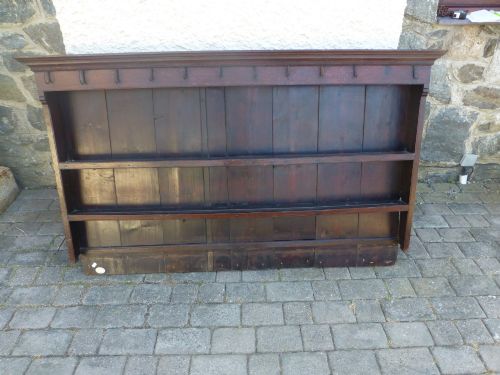
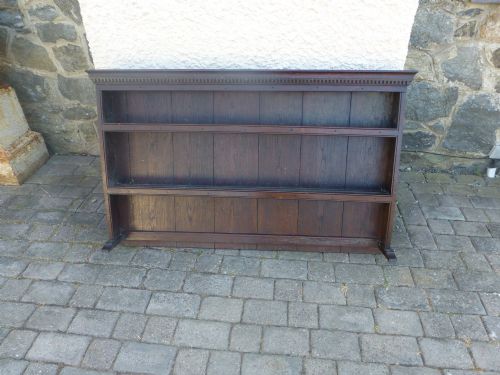
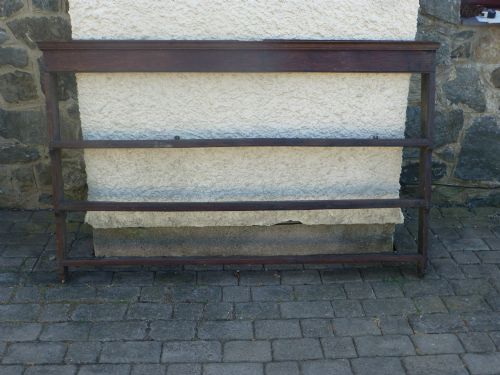
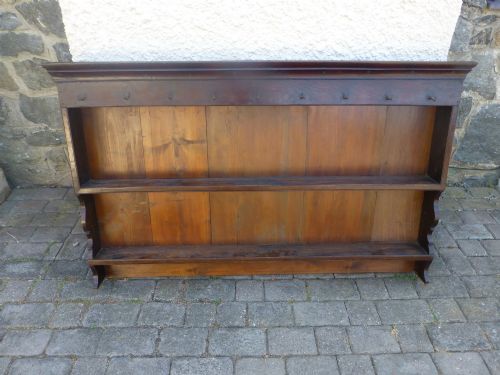
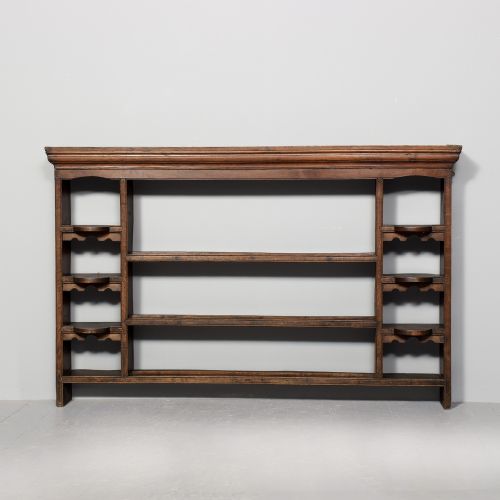
These 18th century wall shelves bring practical period storage and display to any room through centuries-old craftsmanship.
18th Century Wall Shelves
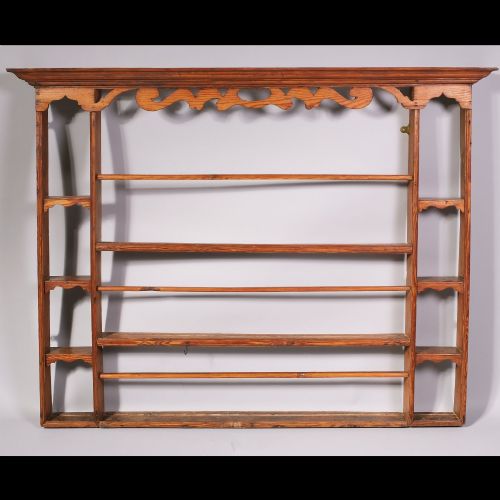
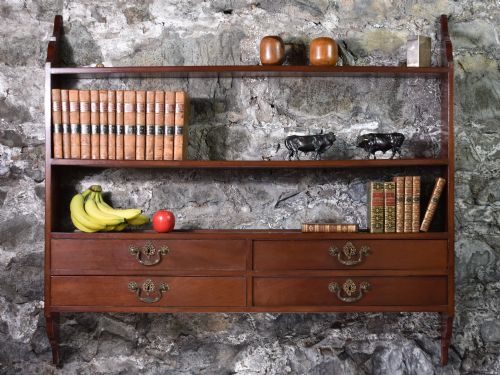
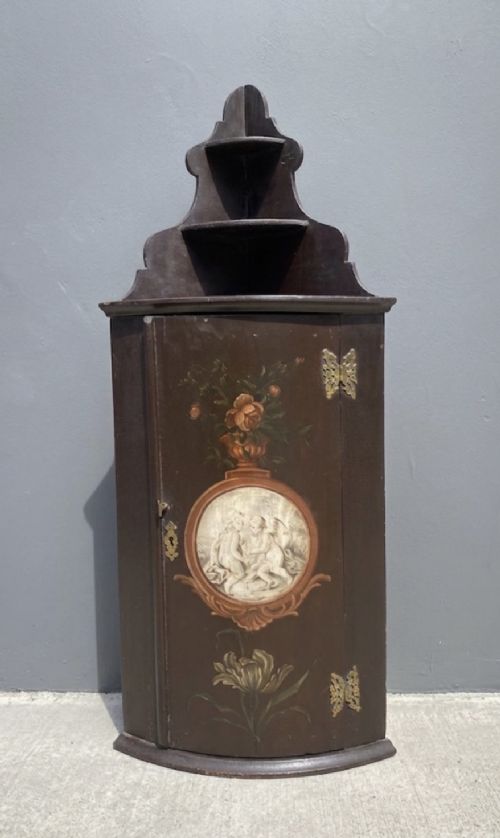
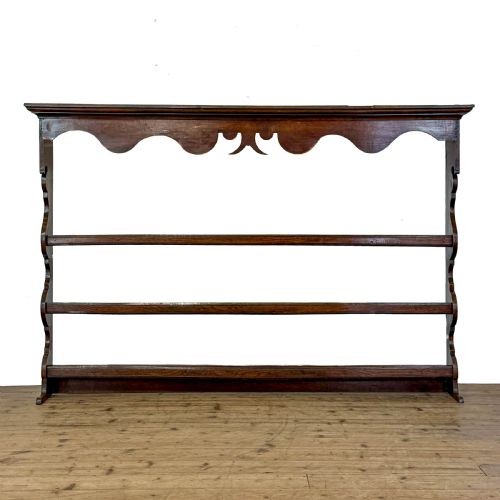
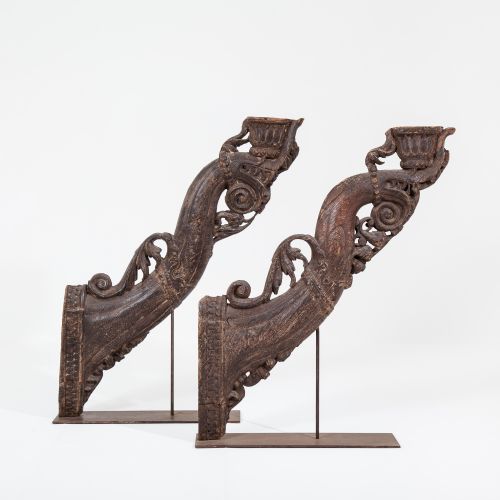
Forms span from simple pine plate racks and Georgian mahogany hanging shelves to architectural wall brackets and painted corner cupboards with open tiers. Many pieces reflect country furniture traditions, incorporating shaped frets or columns alongside practical display space.
Origins stretch across English, French and Italian contexts, demonstrating how domestic display evolved from utilitarian plate storage into decorative wall furniture. Oak and mahogany versions dominate the selection, often retaining their original structural arrangement for wall mounting.
How they were made
Cabinetmakers constructed these wall fixtures using solid timber boards of oak, mahogany, pine and walnut, joined with traditional pegged or dovetailed joints. Carved details, fretwork panels and applied mouldings were shaped by hand using chisels and gouges.
Surfaces received various treatments ranging from simple wax polish to gesso, giltwood, paint or white painted finishes depending on regional style and domestic status. Iron and brass fittings provided structural reinforcement and hanging security.
Listings feature structural timbers including oak, mahogany, pine and walnut alongside decorative gesso and giltwood finishes.
What varies in quality
The standard of timber selection and depth of hand-carving distinguish finer examples from utilitarian country pieces. Fretwork precision, column details and surface preservation elevate the refinement of individual shelves.
Proportion and the integrity of original hanging arrangements determine how successfully a piece sits within a modern interior. Surviving early paint, giltwood or patinated timber surfaces also alter the character of the object.
The 18th Century Wall Shelves Glossary
- Plate rack
- A wall-mounted shelving unit designed specifically to hold ceramic plates upright on slatted tiers. These fixtures often form the upper section of a traditional dresser.
- Delft rack
- A specific type of plate rack intended for displaying blue and white delftware ceramics. They appear frequently in oak or pine.
- Fretwork
- Openwork ornamentation cut from a thin board using a fretsaw. Examples include decorative crests on English pine racks.
- Corner cupboard
- A cabinet or shelving unit designed to fit squarely into a room angle. Versions include painted or panelled doors with open upper shelves.
18th Century Wall Shelves: Frequently Asked Questions
How were 18th century wall shelves used?
These pieces served primarily in kitchens and dining spaces to display pewter, ceramics and plates while keeping them accessible. They also functioned in living rooms and halls for books and decorative objects.
Over time, many adapted to changing domestic needs while retaining their wall-mounted display role.
Are these shelves difficult to hang safely?
Most hanging shelves and plate racks require secure fixings into solid masonry or studwork due to their heavy solid timber construction. Professional installation ensures the weight distributes evenly across the wall brackets.
Checking existing mounting points helps determine the appropriate load capacity for modern walls.
How do I identify a Georgian plate rack?
Georgian examples typically employ oak or mahogany with characteristic period proportions, linear mouldings and hand-cut joinery. Details such as mahogany grain or geometric fretwork point towards specific decades within the eighteenth century.
Regional country pieces often display simpler pine or oak construction with local stylistic quirks.
Can I place these shelves in a modern kitchen?
These historical wall shelves integrate well into contemporary kitchens for storing everyday crockery or displaying vintage ceramics. Their robust timber build handles normal domestic use when securely mounted.
Maintenance involves simple dusting and occasional waxing to preserve the historic wood finish.