


Georgian Hanging Bookcase
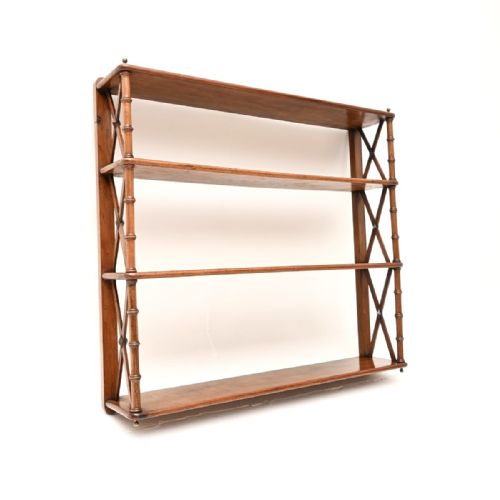
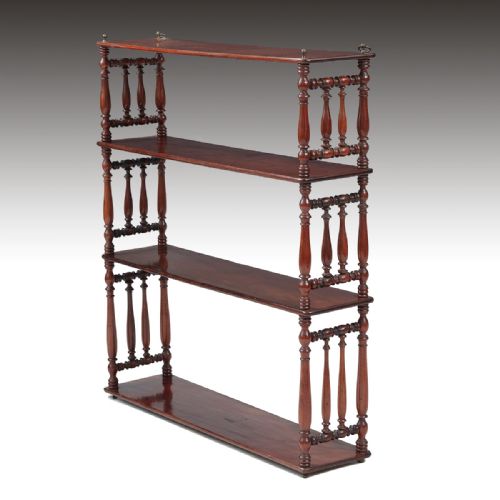
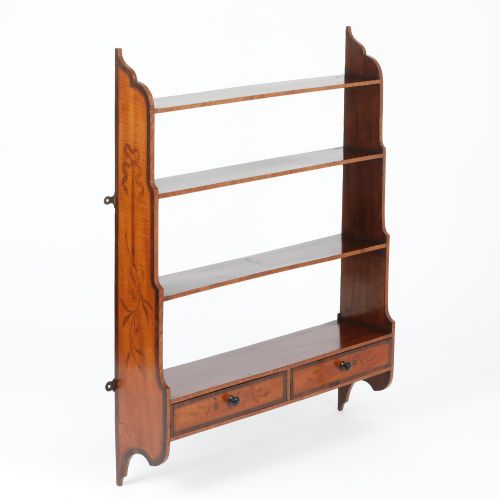
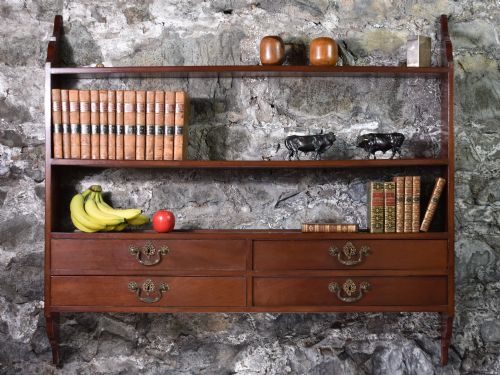
A georgian hanging bookcase is a wall-mounted piece of timber shelving designed to hold books while saving floor space.
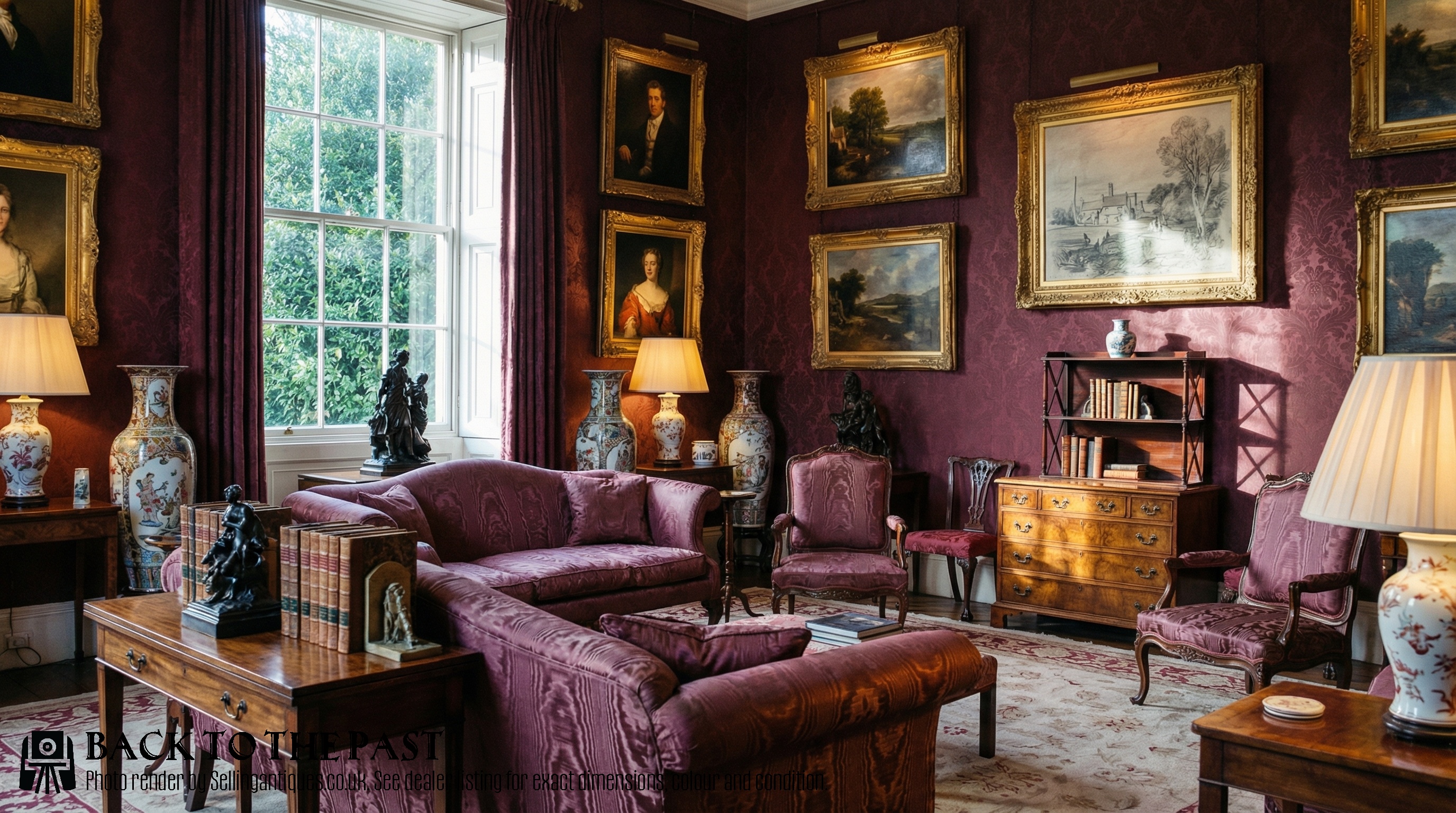
Georgian Hanging Bookcase
A georgian hanging bookcase comprises wall-mounted timber shelving units built to display volumes and small objects in period interiors. You encounter standard hanging shelves alongside waterfall designs, desk organisers, and glazed corner cabinets.
The materials span mahogany, satinwood, and walnut, frequently joined by brass fittings and glass doors. Pieces originate across the eighteenth and nineteenth centuries, including later revival examples.
How they were made
Cabinetmakers constructed these shelves primarily in mahogany, walnut, and satinwood, applying marquetry inlay and brass mounts for decoration. Timber selection dictated the structural stability required for supporting heavy volumes on walls.
Joinery techniques relied on traditional cabinetmaking methods to secure shelves and vertical panels, while glass was fitted into glazed doors and display cabinets.
Some desktop pigeon holes made the jump from busy offices to parlour walls, proving that clutter is historically persistent.
What varies in quality
Quality rests upon the choice of timber figurations, such as figured mahogany or decorative satinwood grain, and the precision of any marquetry inlay. Superior examples display refined proportions and careful joinery that elevate utility into fine furniture.
The integration of original brass hardware and well-fitted glass panels distinguishes finer pieces from simpler utilitarian shelving units.
The Georgian Hanging Bookcase Glossary
- Waterfall bookcase
- A set of open shelves stepping back progressively from the bottom to the top. This stepped arrangement creates a cascading profile.
- Corner cabinet
- A cupboard or shelving unit designed to fit squarely into the corner of a room. These make efficient use of difficult wall space.
- Marquetry
- Decorative veneer work arranged in geometric or pictorial patterns on furniture surfaces. It utilises contrasting timbers to form intricate designs.
- Pigeon holes
- Small open compartments within a desk organiser or shelving unit for sorting papers and letters. They provide structured storage for correspondence.
Georgian Hanging Bookcase: Frequently Asked Questions
How do I hang a heavy wooden bookcase safely?
These pieces require secure fixing into solid wall studs or masonry using appropriate wall anchors. Professional installation ensures the weight of the timber and books is supported safely.
Distributing the weight evenly across the mounting points prevents stress on the historic frame and fixings.
What is the difference between open shelves and wall cabinets?
Open hanging shelves provide direct access to books and display items without any protective barrier. They suit everyday volumes that benefit from immediate handling.
Wall cabinets feature doors, often glazed, which enclose the shelving space. This design protects delicate bindings and collections from dust.
Where should I place a hanging bookcase in a room?
Wall-mounted bookcases perform well in compact spaces where floor area is limited. They fit effectively above desks, sideboards, or in room corners.
Direct sunlight and damp walls should be avoided to protect antique timbers and paper bindings from environmental damage.
How do I identify a Regency period piece?
Regency items often incorporate classical architectural motifs, darker mahogany timbers, and distinctive brass mounts. These design elements reflect the early nineteenth-century aesthetic.
Construction details and secondary woods help confirm the era when stylistic markers alone leave room for interpretation.