


Georgian Wall Art Print
When seeking a georgian wall art print, you uncover centuries-old mezzotints and engravings framed in wood and glass.
Georgian Wall Art Print
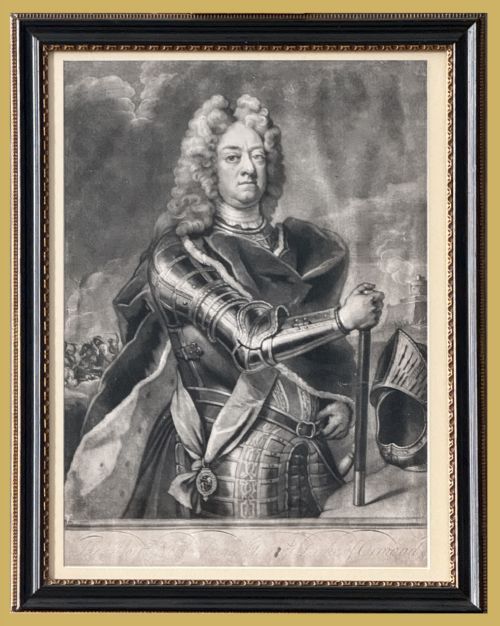
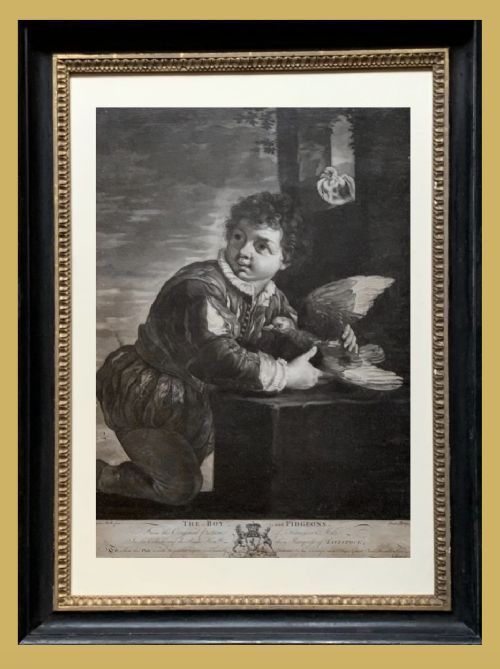
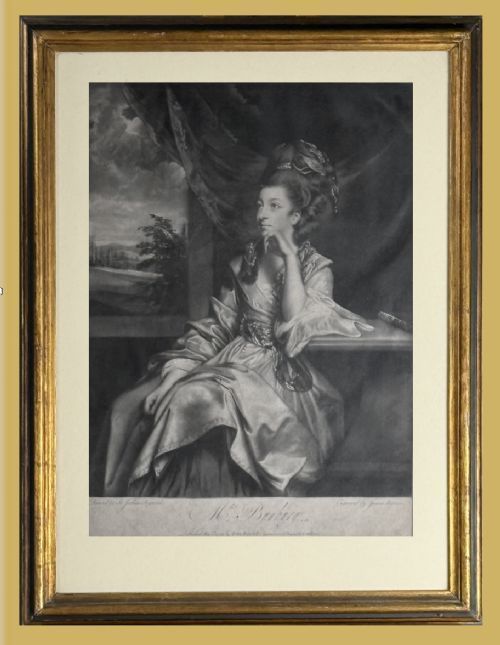
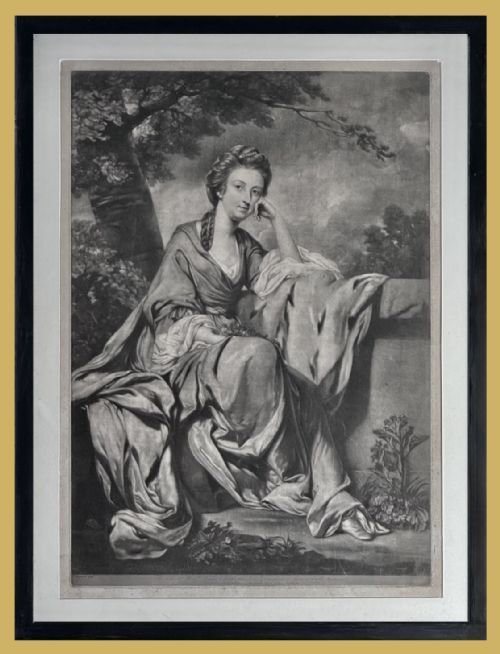
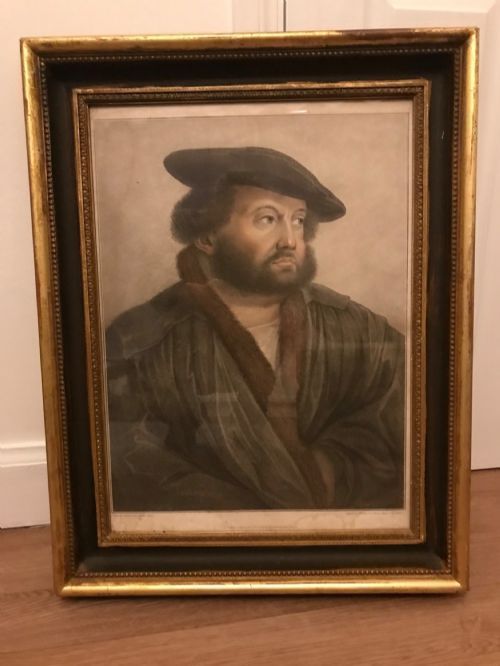
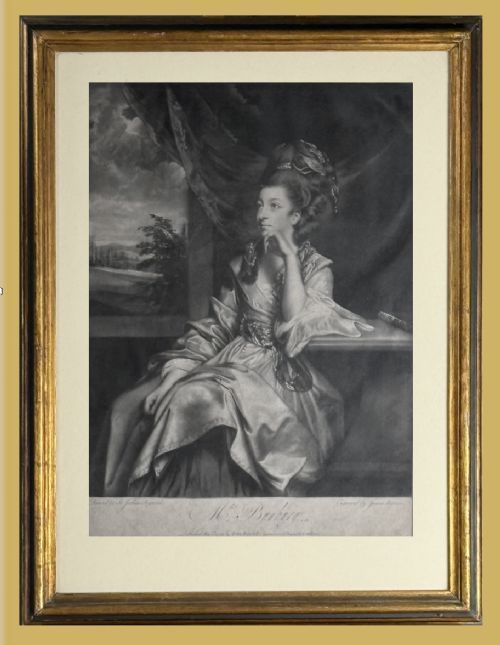
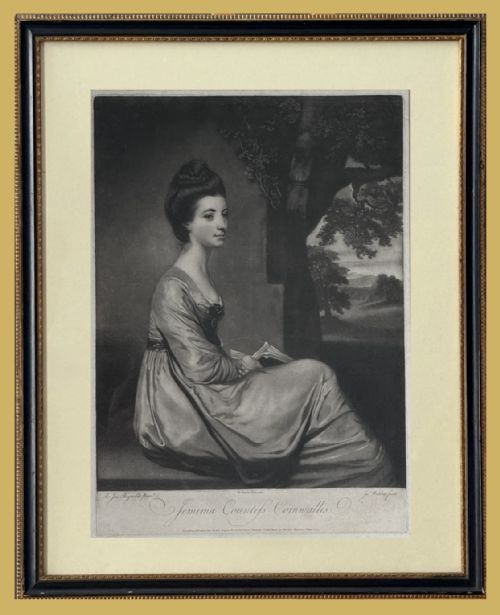
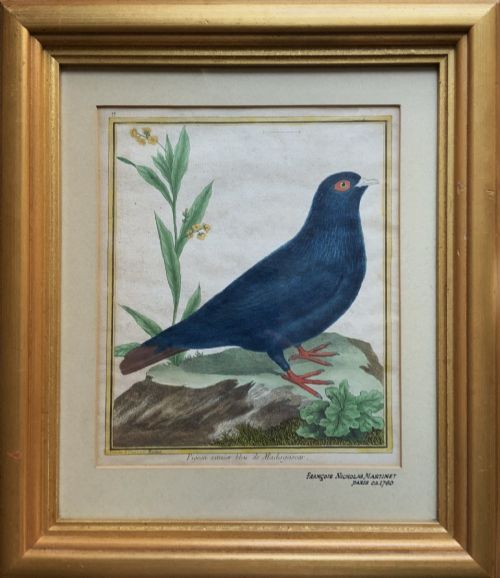
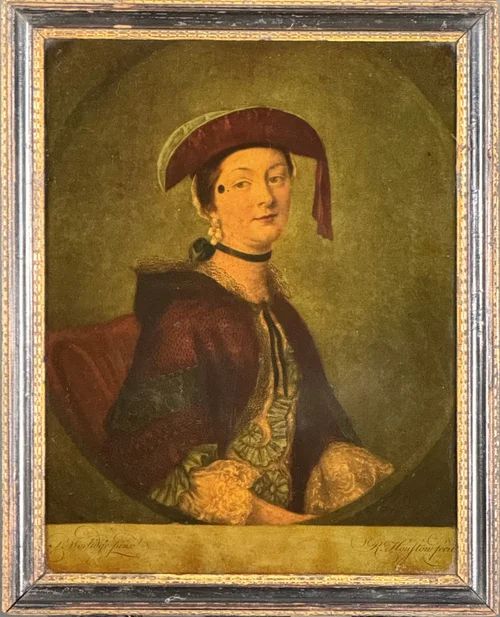
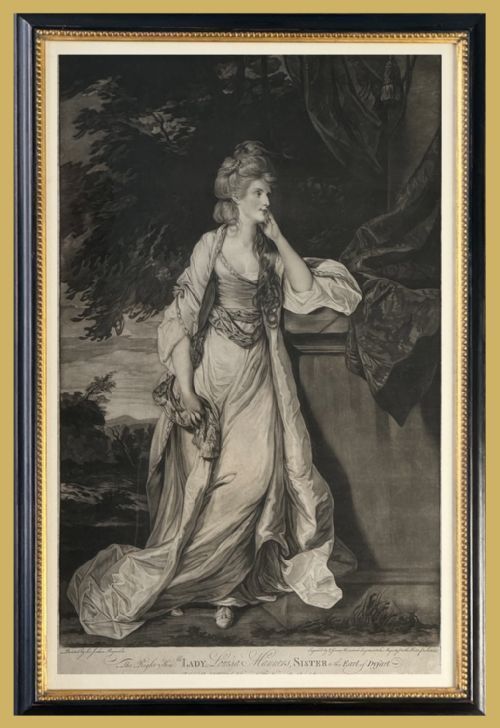
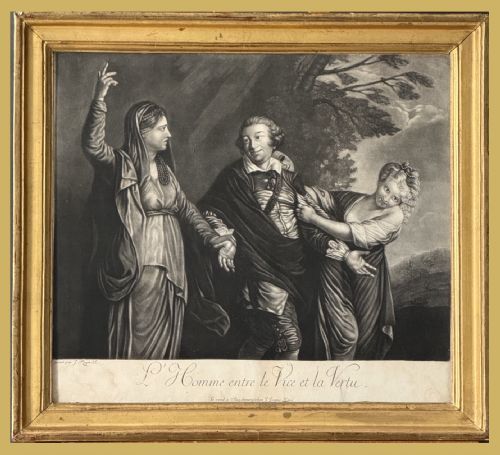
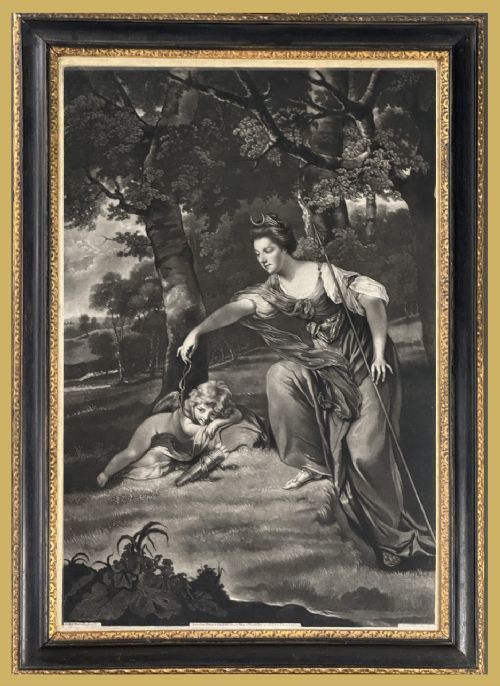
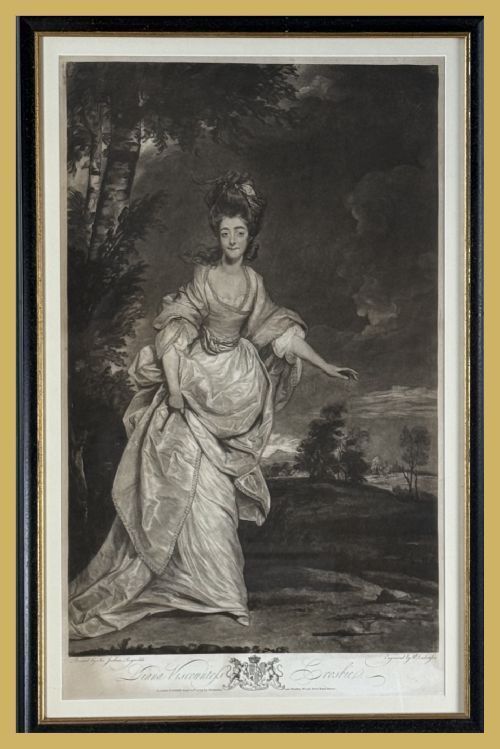
A georgian wall art print encompasses framed engravings, mezzotints, and stipple prints originating from the eighteenth and nineteenth centuries. These works frequently depict portraits of nobility, botanical studies, anatomical subjects, and classical scenes after notable painters.
Most examples retain their period framing executed in wood, giltwood, or rosewood, maintaining the structural and aesthetic integrity intended by their original makers. Collectors select these pieces to anchor period interiors with authentic graphic works from the Georgian and Regency eras.
How they were made
Printmakers utilised copper plates to work intricate lines and tonal gradations using engraving and mezzotint techniques. Ink was applied to the prepared metal plates and transferred under pressure onto high-grade paper substrates.
Many works received delicate hand-colouring using watercolour or ink washes applied directly over the printed image. Artisans housed these completed sheets within timber frames, frequently incorporating gold leaf, giltwood, and protective glass glazing.
Seventeenth-century noblemen and eighteenth-century monkeys share equal wall space here, proving Georgian taste enjoyed both pedigree and primate.
What varies in quality
The crispness of the impression pulled from the copper plate dictates the visual clarity of the fine lines and tonal depth. Early strikes exhibit sharper detail and richer ink saturation compared to later impressions taken after the plate experienced wear.
The survival of original hand-colouring and the integrity of the period wooden or giltwood frame influence the overall desirability. Examples retaining contemporary mounts and uncompromised glass protection command greater appreciation among collectors.
John Simon·John Boydell·James Watson·Edward Fisher·Francesco Bartolozzi·John Smith·Charles Spooner·Valentine Green·Thomas Frye·Samuel Dixon·Richard Houston
The Georgian Wall Art Print Glossary
- Mezzotint
- A printmaking process of the intaglio family where the copper plate is roughened evenly to produce rich dark tones and subtle gradations of light. This technique allowed printmakers to replicate the soft atmospheric qualities of oil paintings.
- Stipple engraving
- A method of producing prints by means of dots rather than continuous lines, often combined with etching. It was widely utilised during the Georgian period for rendering delicate flesh tones and fabric textures.
- Engraving
- The practice of incising a design onto a hard metal plate with a sharp cutting tool called a burin. The resulting grooves hold the ink that transfers to paper under high pressure.
- Giltwood
- Timber carved and subsequently covered with a thin layer of gold leaf or gilt powder. This material frequently defines the construction of decorative frames from the eighteenth and nineteenth centuries.
- Reverse glass painting
- An artistic technique where the image is painted directly onto the back side of a glass panel and viewed through the front. It required the artist to paint background details before foreground elements.
Georgian Wall Art Print: Frequently Asked Questions
How should I hang antique prints?
Protect these paper and wooden works by hanging them away from direct sunlight and damp environmental conditions. Use stable wall fixings suited to the weight of the period timber or giltwood frames.
Maintain consistent indoor temperatures to preserve the paper substrates and original glass settings. Professional picture hangers can assist with heavy framed pieces containing delicate glazing.
Are these prints originals from the period?
The inventory comprises period impressions produced during the eighteenth and nineteenth centuries by contemporary printmakers. Examining the paper characteristics and plate marks helps confirm the age of the impression.
Most works pair historical subjects with contemporary framing materials appropriate to their date of publication. Documentation accompanying each piece clarifies the historical context and printmaker attribution.
What subjects are most common?
Portraiture dominates the selection, featuring nobles, military commanders, and literary figures after painters such as Sir Joshua Reynolds and Sir Godfrey Kneller. Buyers also encounter botanical studies, anatomical plates, and classical narrative scenes.
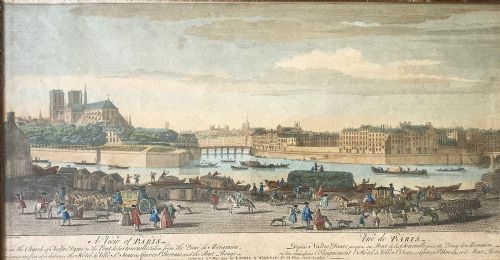
Natural history subjects including birds and animals appear alongside topographical views of cities. These varied themes reflect the broad visual culture of the Georgian era.
How do I identify a mezzotint?
A mezzotint displays velvety dark areas and smooth tonal transitions without the cross-hatching or stark lines typical of standard engravings. This velvet quality results from the roughened copper plate holding generous amounts of ink.
Under magnification, the printed surface reveals a rich accumulation of ink rather than distinct engraved strokes. This technique excelled at capturing the soft illumination found in painted portraits.