


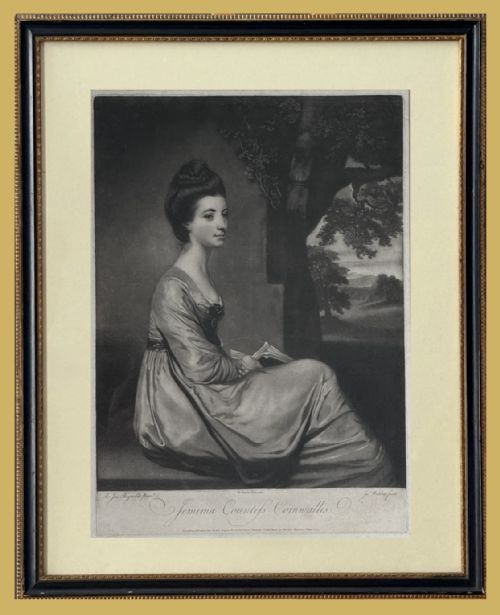
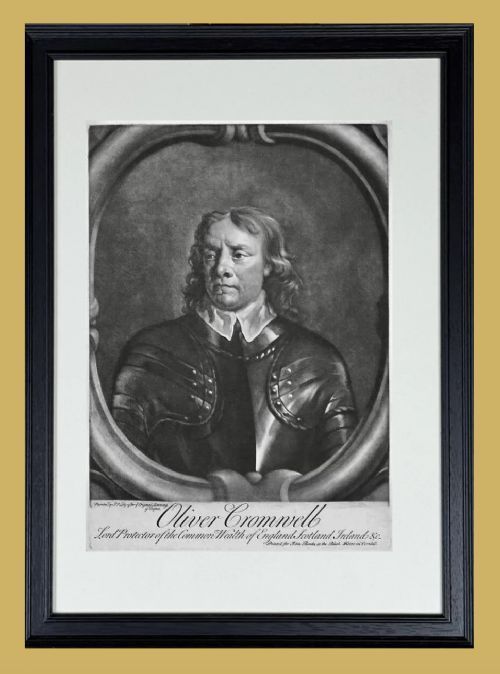
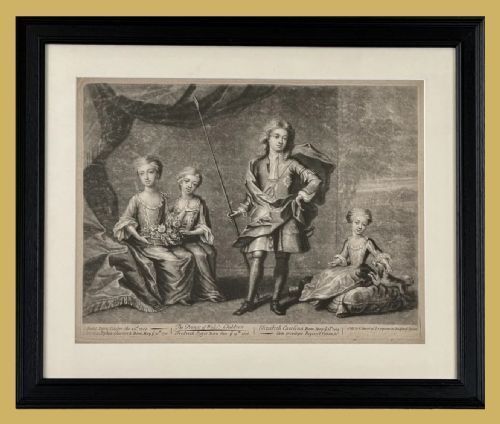
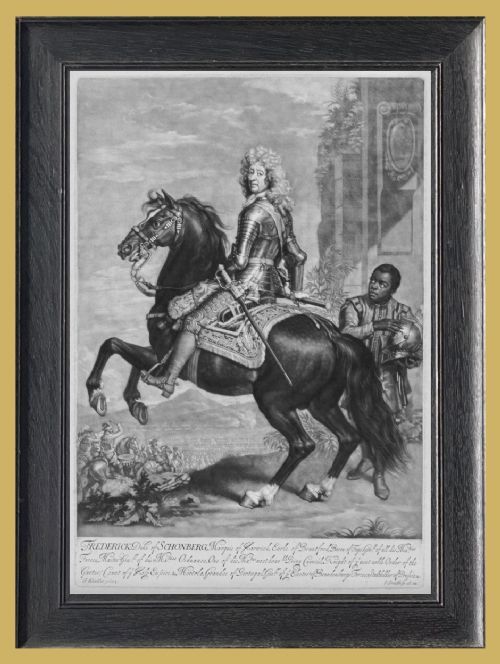
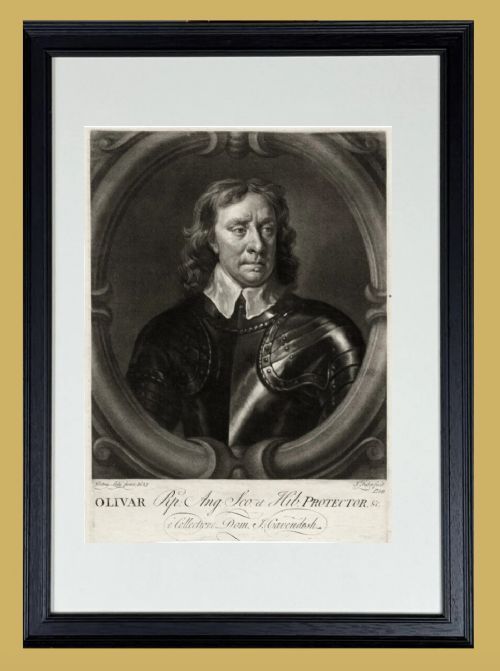
Monochrome Framed Portrait
When choosing a monochrome framed portrait, you are selecting a historic ink or paper artwork preserved behind glass in wood.
Monochrome Framed Portrait
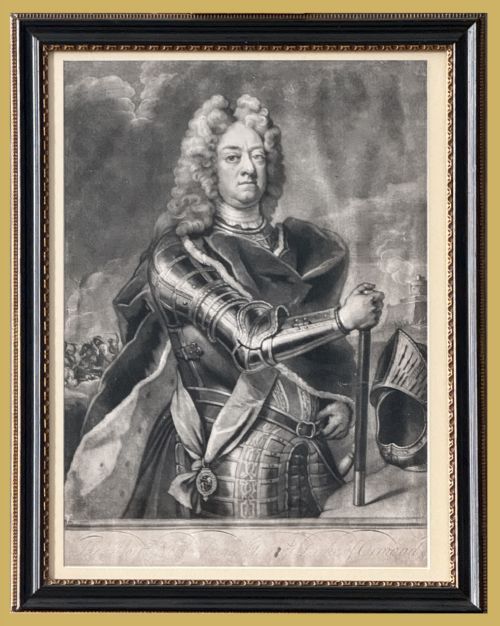
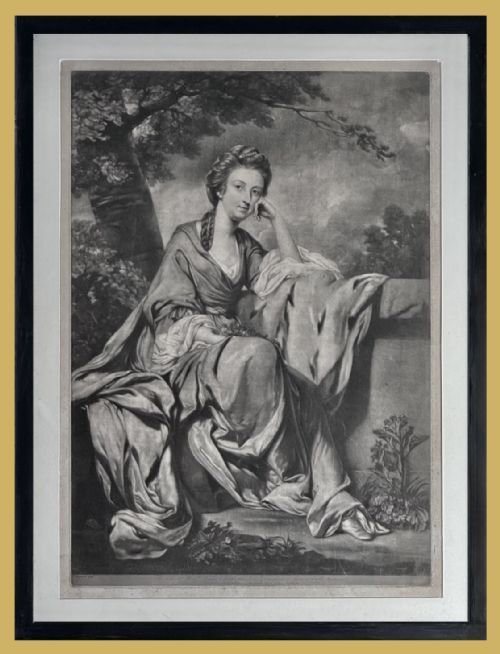
A monochrome framed portrait presents likenesses of historical figures, nobility, and artists through printed ink on paper. These works draw from centuries including the seventeenth, eighteenth, and nineteenth periods, reflecting earlier painting compositions.
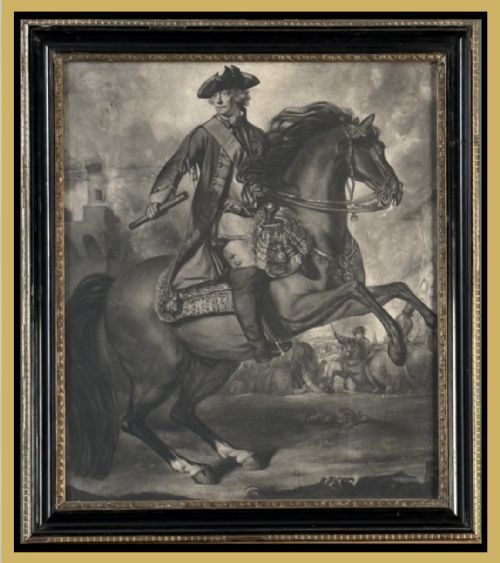
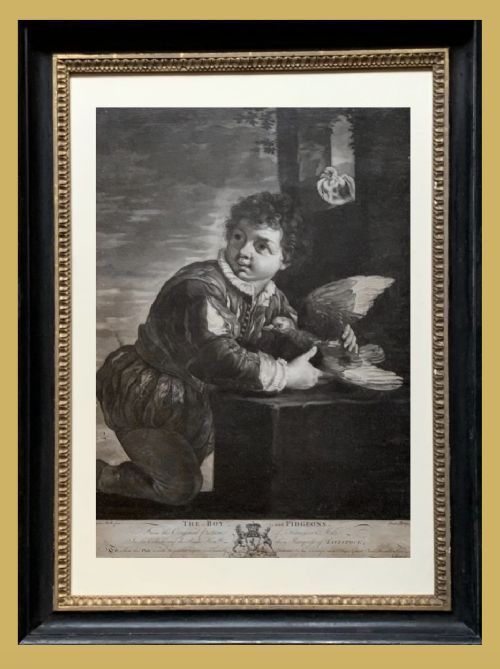
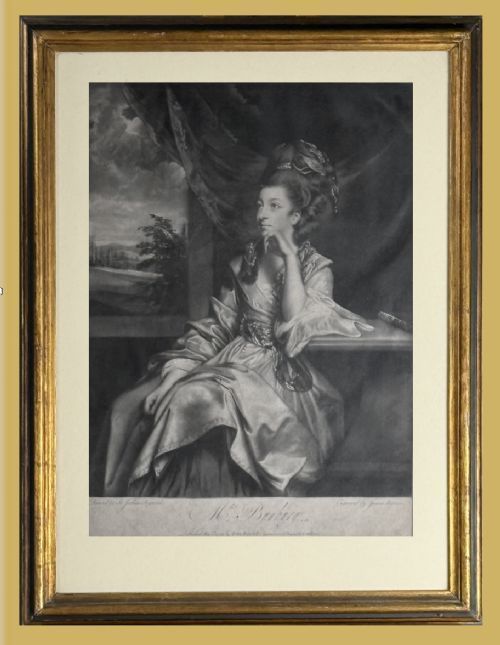
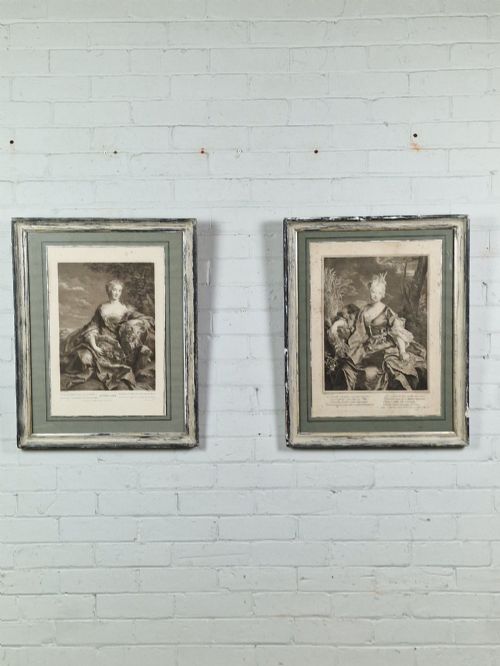
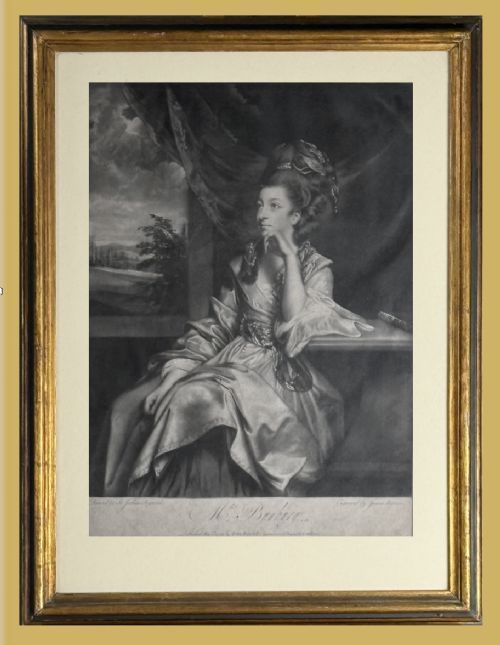
The selections on this page lean heavily toward eighteenth-century mezzotints and engravings created by notable printmakers after celebrated painters. Buyers frequently encounter subjects rendered in black, white, and grey tones, enclosed within period timber frames.
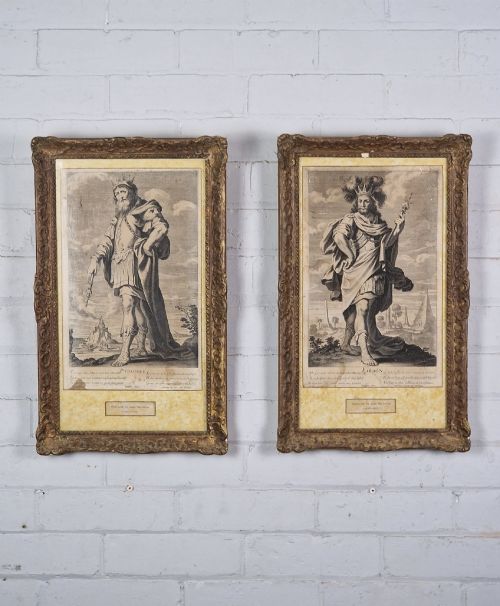
Works range from single plates depicting figures like Oliver Cromwell or the Duke of Ormonde to matched sets of royal subjects. The physical formats span smaller wall prints up to larger framed graphic works from British and French schools.
How they were made
Makers utilised copper plates for intaglio printing methods such as mezzotint, drypoint, and line engraving, applying ink into worked grooves and depressions before pressing onto dampened paper. Printmakers often worked after paintings by portraitists, translating oils into tone and line.
Works incorporate charcoal, ink, gouache, and wash on paper supports, sometimes highlighted with gold leaf or gilt details. Glazed protection preserves these fragile works within wood and gilt wood frames.
Several portraits capture subjects staring past the viewer with intense eighteenth-century concentration, framed in gleaming gilt wood.
What varies in quality
Quality rests in the crispness of the plate impression and the subtlety of tonal gradation achieved across the ink surface. Early impressions retain sharp contrasts and fine details that later or worn strikes lose.
The integrity of the original paper support and the condition of the historic framing materials influence the overall character of the piece. Contemporary mountings differ from period frames, which contribute historical context to the artwork.
John Simon·Edward Fisher·John Boydell·James Watson·John Smith·Joseph Sympson·James Macardell·Valentine Green
The Monochrome Framed Portrait Glossary
- Mezzotint
- A printmaking process where the copper plate is roughened uniformly to hold ink for dark areas, then scraped and burnished to create lighter tones. This technique allows for rich, velvety darks and smooth tonal transitions.
- Engraving
- A method of cutting lines directly into a metal plate using a sharp tool called a burin. The resulting lines hold the ink that transfers to the paper under pressure.
- Drypoint
- An intaglio printmaking technique where a sharp needle scratches directly into the metal plate. This raises a rough ridge of metal called burr, which holds extra ink to create a soft, velvety line.
- Gilt Wood
- Wood that has been coated with a thin layer of gold leaf or gilt. This finish frames many historical prints from the seventeenth and eighteenth centuries.
- Intaglio
- A printing family where the ink sits below the surface of the plate in carved or etched recesses. Pressure forces the damp paper into these grooves to pick up the ink.
Monochrome Framed Portrait: Frequently Asked Questions
What is a mezzotint portrait?
A mezzotint is an intaglio print created by roughening a copper plate and smoothing areas to produce tones from deep black to light grey. Printmakers used this method to reproduce oil paintings with rich gradients.
These portraits capture historical figures and nobility in monochrome detail. They offer collectors a way to own historic imagery derived from master painters.
How do I care for framed paper art?
Paper art requires protection from direct sunlight to prevent fading of the ink and paper support. Maintaining stable indoor humidity prevents warping of the wood frame and paper.
Keep glass clean using appropriate methods that avoid moisture seeping behind the frame. Historic frames should be handled carefully to preserve their original finish.
How can I tell the age of a print?
Age is indicated by the paper type, plate marks, and the style of the engraving or mezzotint work. Early papers often show watermarks and chain lines from handmade production.
Inscriptions on the print often name the original painter and the printmaker along with dates. Period frames also provide clues to the age of the assembled piece.
Were these prints made as art or book illustrations?
Many large mezzotints and engravings were published as independent wall art for framing and display in homes. Others were bound into volumes or portfolios as historical records.
Publishers released popular portraits of monarchs and military leaders to satisfy public demand. Surviving examples show how owners framed them for display over the centuries.