
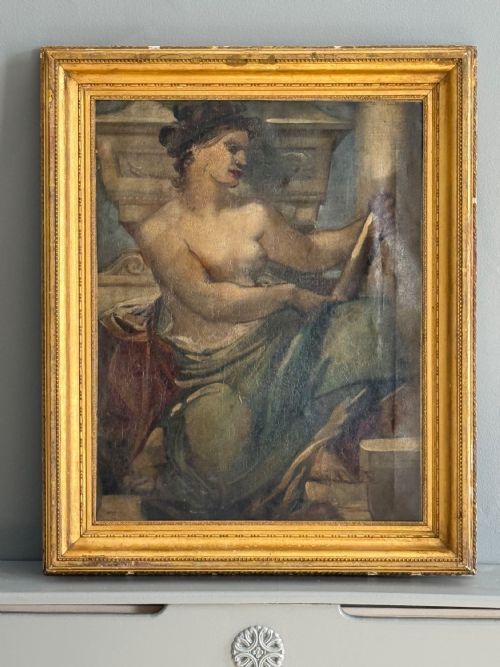
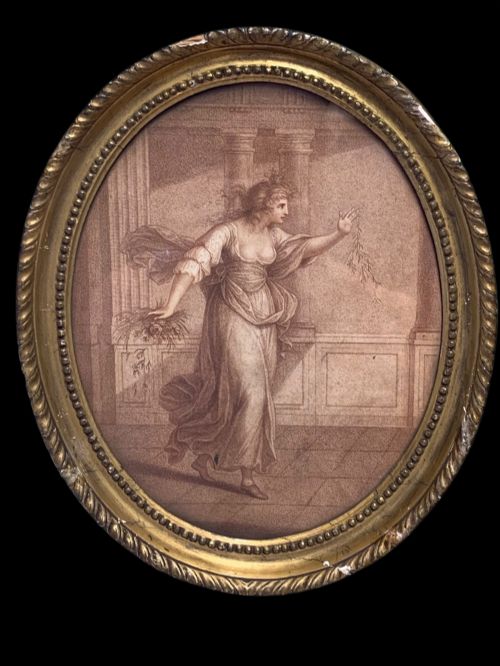
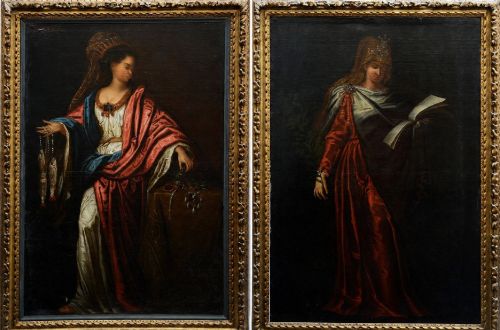
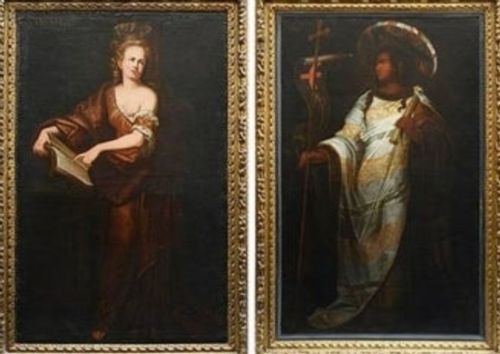




Allegorical Portrait Artwork
Allegorical portrait artwork bridges human likeness and grand symbolic narrative, bringing classical subjects and personified virtues straight into your interior.
Allegorical Portrait Artwork
When you search for allegorical portrait artwork, you encounter pieces that disguise real sitters as mythical figures, saints, or personifications of seasons and virtues. These works draw heavily on classical iconography, placing subjects in specific symbolic roles.
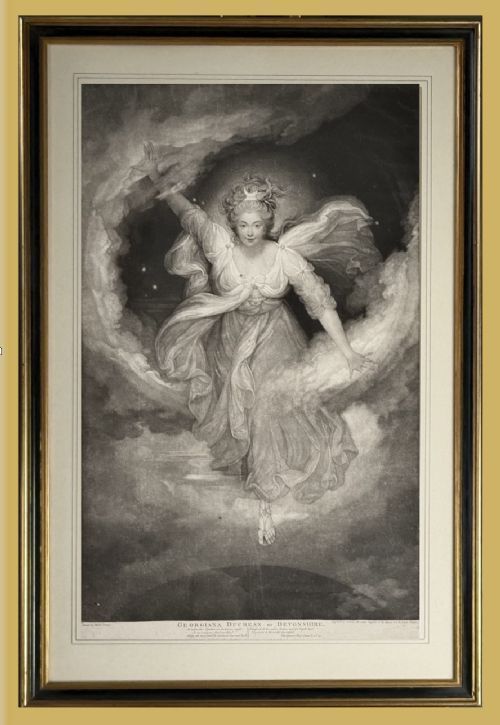
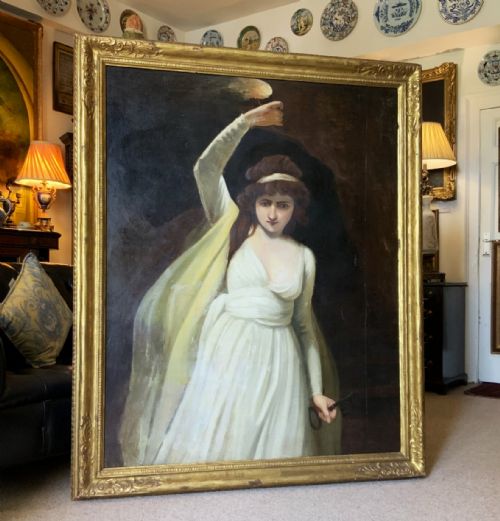
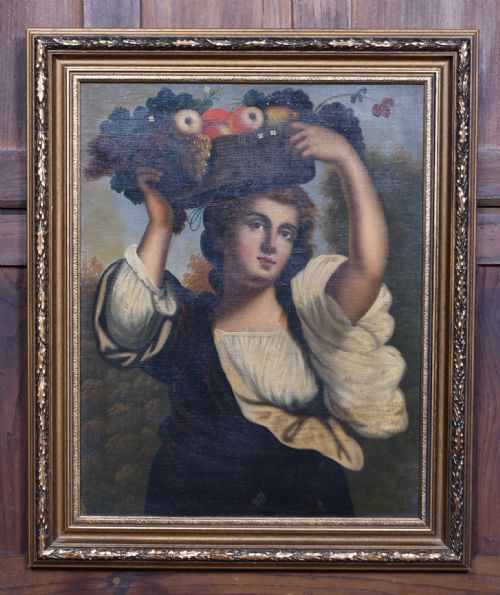
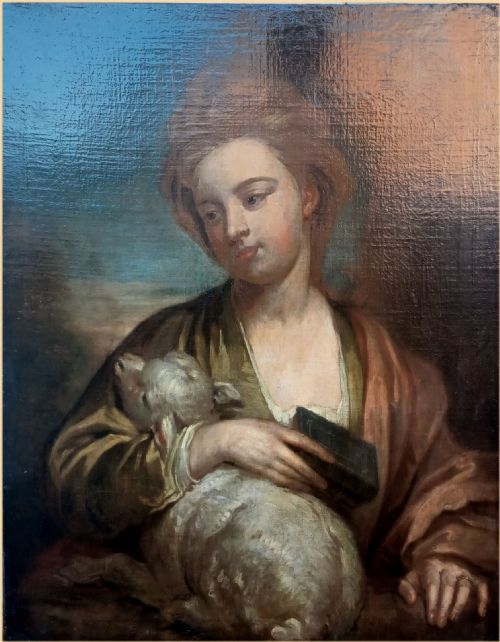
The selections span from the seventeenth century through to the late nineteenth century, taking the form of oil paintings on canvas and board, stipple engravings, mezzotints, and reverse glass prints. Pairs and complete sets representing seasonal allegories appear frequently among the offerings.
Portraits of figures like the Cumaean and Delphic Sibyls sit alongside political satires and seasonal personifications such as Flora and St Agnes. These pieces reflect the enduring European taste for classical and narrative portraiture across diverse mediums.
What varies in quality
The sophistication of the painter's brushwork and the precision of the engraver's plate mark the distinction between standard decorative output and works by accomplished hands. Finer canvases demonstrate superior handling of light, shadow, and symbolic attribute integration.
The condition of the primary medium - whether the stability of an oil painting on canvas or the crispness of a mezzotint impression on paper - shapes the visual impact. Original framing and the preservation of delicate glass or paper surfaces also influence the standing of each piece.
Listings feature works from the seventeenth, eighteenth, and nineteenth centuries, executed in oil, mezzotint, stipple engraving, and reverse glass print.
Valentine Green·Maria Hadfield Cosway·John Opie RA·Del Buono·Guiseppe Mazzolini·Sir Godfrey Kneller
The Allegorical Portrait Artwork Glossary
- Mezzotint
- A printmaking process of the intaglio family where the plate is roughened to achieve rich dark tones. This method allows for subtle gradations of light and shade ideal for portraits.
- Stipple engraving
- A technique using dots of varying density to create tonal effects on a printed plate. It produces soft, painterly textures particularly suited to skin and fabric.
- Reverse glass print
- An image painted or transferred directly onto the back of a glass panel. When viewed from the front, the colours possess a notable gloss and luminosity.
- Allegory
- The representation of abstract ideas or principles through characters, figures, and symbolic actions in art. In portraiture, a sitter is often depicted as a saint, deity, or season.
Allegorical Portrait Artwork: Frequently Asked Questions
What is an allegorical portrait?
An allegorical portrait depicts a real individual disguised as a mythical figure, historical personage, or personified concept like a season or virtue.
Artists used recognisable symbols and attributes to convey moral, political, or classical meanings through the sitter's likeness.
How do I hang a reverse glass print?
Reverse glass prints require careful handling because the painted surface sits directly beneath fragile glass rather than traditional paper or canvas.
Secure them using sturdy wall fixings and avoid humid environments that might compromise the bond between the pigment and the glass.
How do I tell an 18th-century mezzotint apart?
Eighteenth-century mezzotints display velvety dark tones and smooth tonal transitions created by roughening the copper plate with a rocker.
Examining the paper stock and plate marks under magnification often reveals the physical evidence of period printing techniques.
Where were seasonal allegories displayed?
Sets representing the four seasons traditionally adorned formal reception rooms, dining spaces, or galleries in country houses and town residences.
Displaying them together as a complete set maintains the cyclical narrative intended by the publisher or artist.