



Black and White Portrait Print
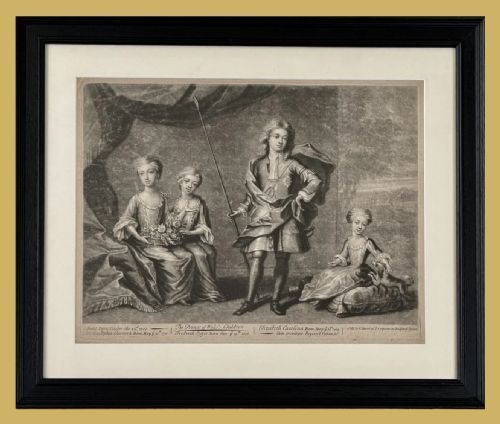
A black and white portrait print brings historic faces to the wall through ink on paper, offering deep tonal depth and character.
Black and White Portrait Print
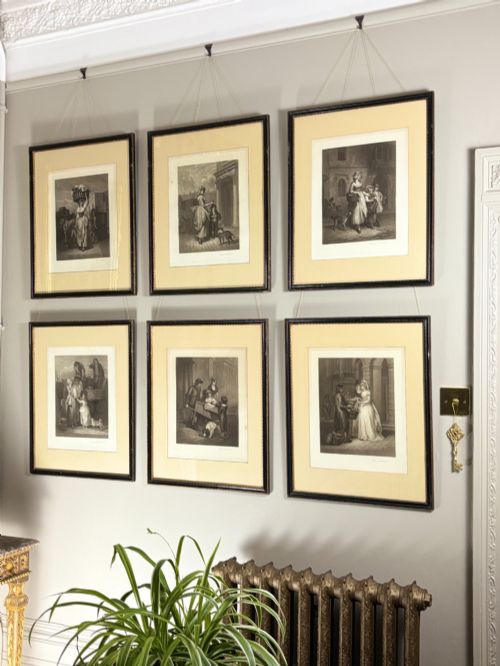
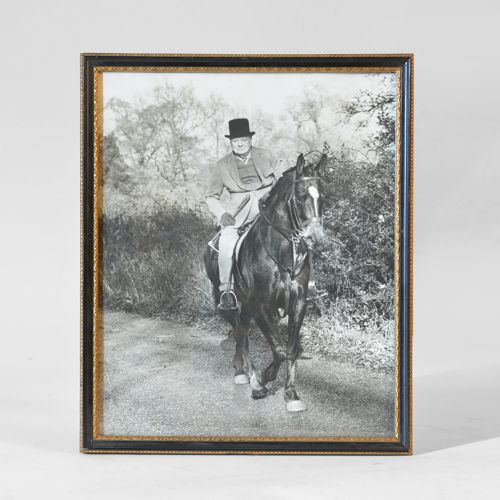
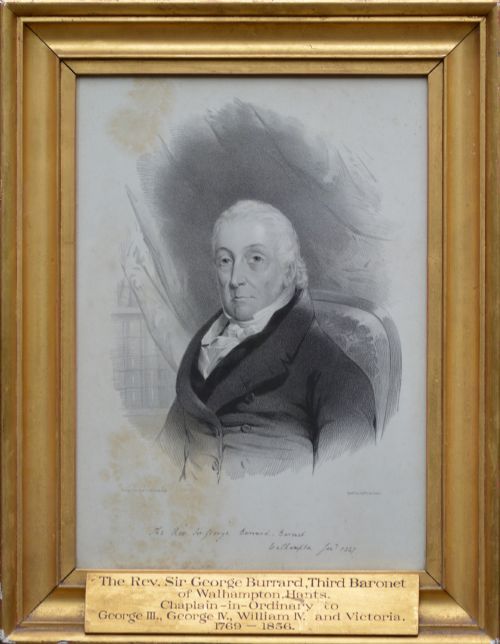
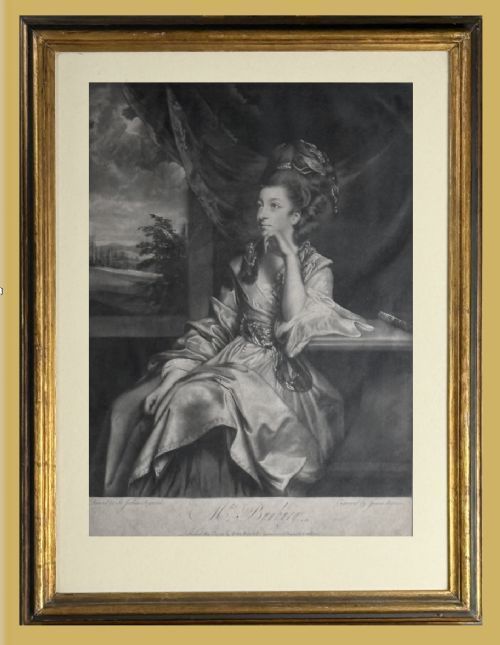
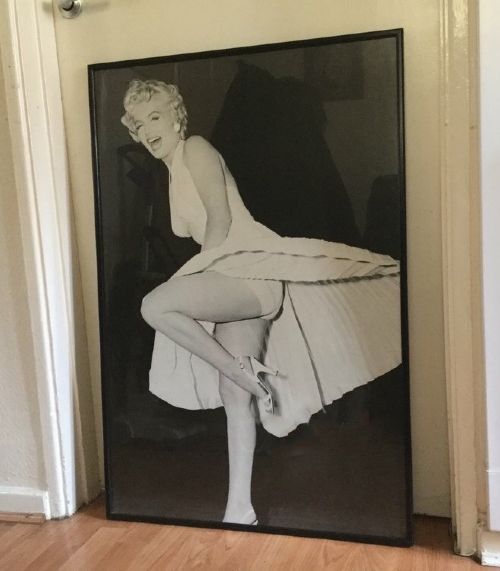
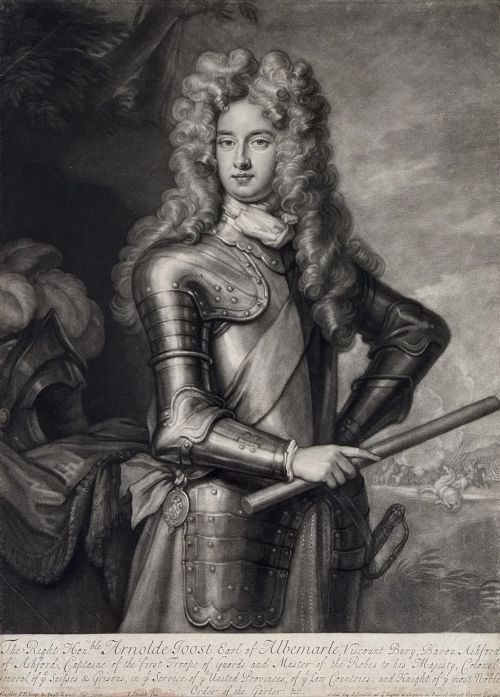
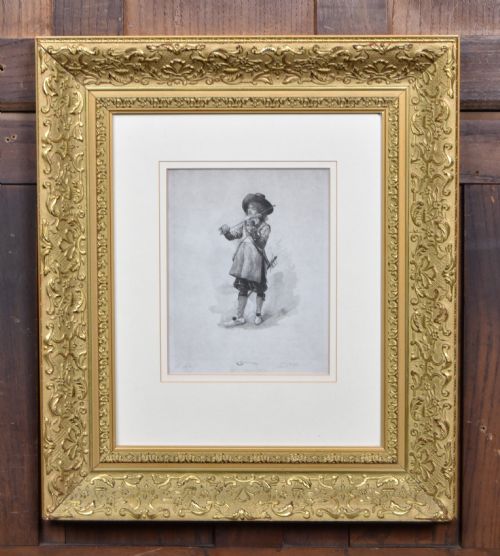
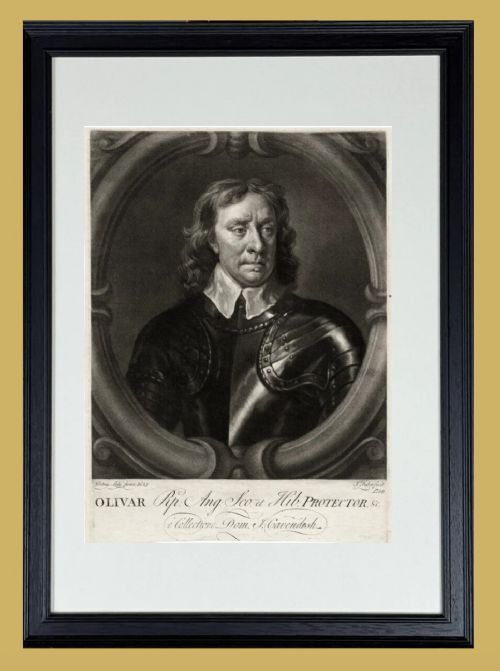
A search for a black and white portrait print uncovers works spanning from the seventeenth century through to the twentieth century, encompassing subjects such as nobility, military figures, actors, and domestic scenes. The selection includes framed prints, etchings, engravings, and photographic works.
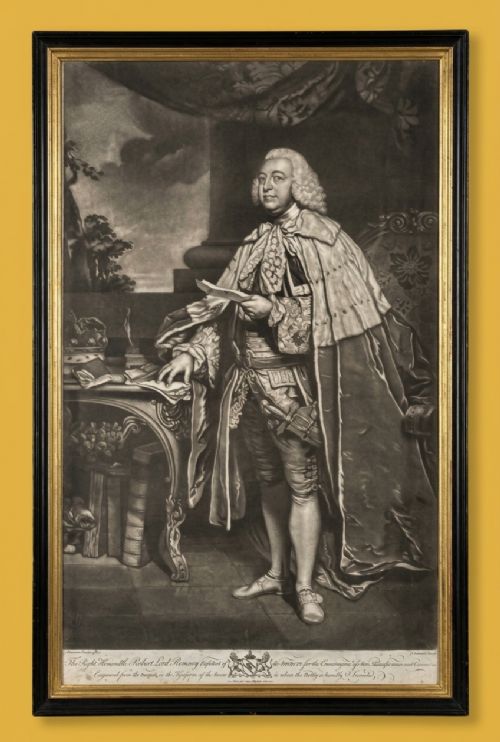
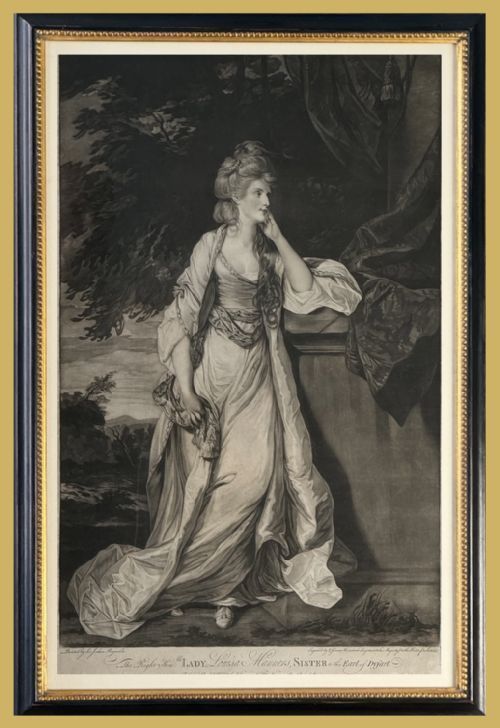
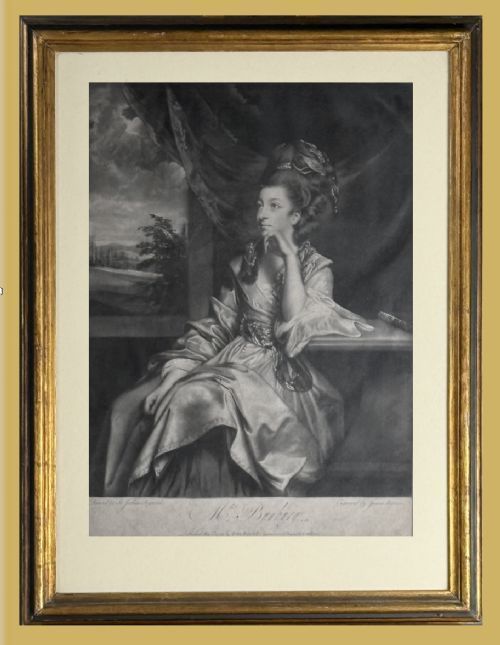
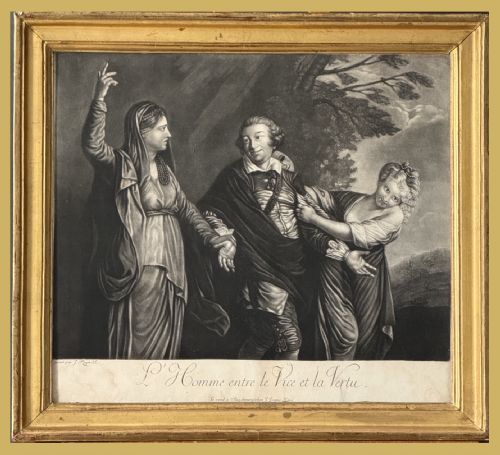
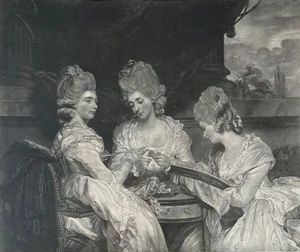
The eighteenth-century examples are heavily represented by mezzotints, which capture subtle tonal gradations and dramatic shadow work. These pieces frequently pair historical sitters with notable artists and engravers from the period.
Materials and technique
The works utilise paper surfaces combined with ink, often set behind glass within frames constructed from wood, mahogany, or gilt wood accented with gold leaf. Mezzotint and etching techniques dominate the older print methods, building tone directly onto the plate.
Later pieces incorporate photographic methods alongside the traditional printed mediums, maintaining the monochromatic palette across various centuries of production.
Black and White Portrait Print Retail Price Guide 2026
Typical asking prices for black and white portrait print among the pieces listed under this phrase on Sellingantiques today, from the lower quarter to the upper quarter. They describe what is for sale here now, not the wider market.
The listings span eight distinct periods, reaching from the seventeenth century through to the twentieth century, and utilise paper, ink, wood, glass, and gold leaf.
Judging the work
Quality rests in the crispness of the impression left upon the paper and the depth achieved in the darker tones, which depends heavily on the wear of the original plate. Early impressions from mezzotint and etching plates retain sharper lines and richer shadows than later strikes.
The integration of original framing materials, such as period wood and glass, alongside the preservation of the paper sheet, separates standard examples from finer survivals.
James Watson·John Smith·Valentine Green·Herbert Dicksee·Richard Houston
The Black and White Portrait Print Glossary
- Mezzotint
- A printmaking process of the intaglio family where the plate is roughened to achieve rich tones and dark backgrounds. This method allows for smooth gradations of light and shade.
- Etching
- A technique where acid cuts into unprotected parts of a metal plate to hold the ink. Lines are drawn through a protective ground before the acid bath.
- Engraving
- A method of cutting designs directly into a hard plate using a burin. The resulting lines hold ink to produce sharp details on paper.
- Drypoint
- A printmaking technique related to etching where an image is scratched directly onto the metal plate with a sharp needle. This creates a raised ridge of metal called burr that holds ink for a velvety line.
- Gold leaf
- Hammered gold beaten into extremely thin sheets used to gild wooden frames. It provides a reflective border around the monochromatic print.
Black and White Portrait Print: Frequently Asked Questions
What is a mezzotint portrait?
A mezzotint portrait is an intaglio print created by roughening a metal plate to hold ink, producing rich dark backgrounds and soft tonal transitions.
This technique was widely used in the seventeenth and eighteenth centuries to reproduce paintings of notable figures.
How do I care for these prints?
Keep the framed pieces away from direct sunlight to prevent the paper from yellowing and the ink from fading over time.
Maintain stable indoor humidity levels to protect both the antique paper and the wooden frames.
Are these prints original period pieces?
The listings include original historical works dating from the seventeenth, eighteenth, nineteenth, and early twentieth centuries.
Each piece reflects the printing and photographic technologies available during its specific period of production.
What framing materials are used?
Many examples are housed in period wooden frames, including mahogany and gilt wood finished with gold leaf.
Original glass is frequently retained to protect the delicate paper surface beneath.