
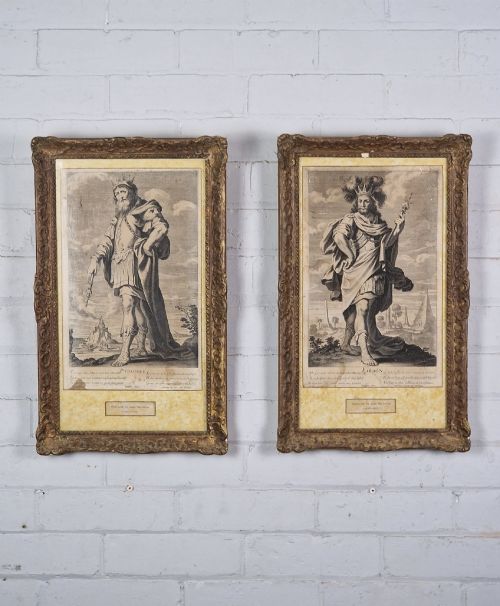
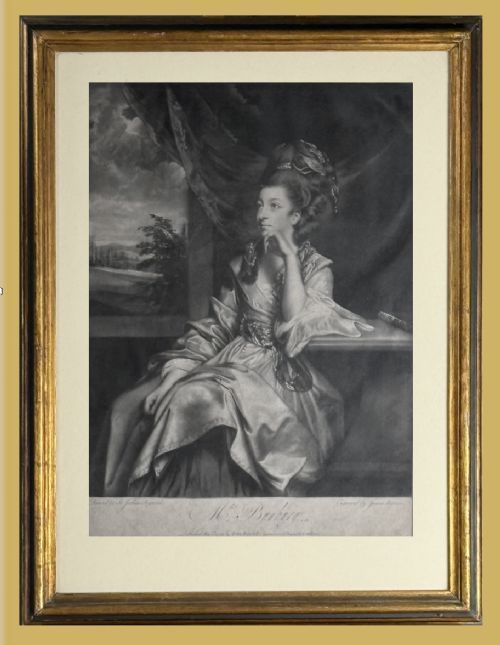
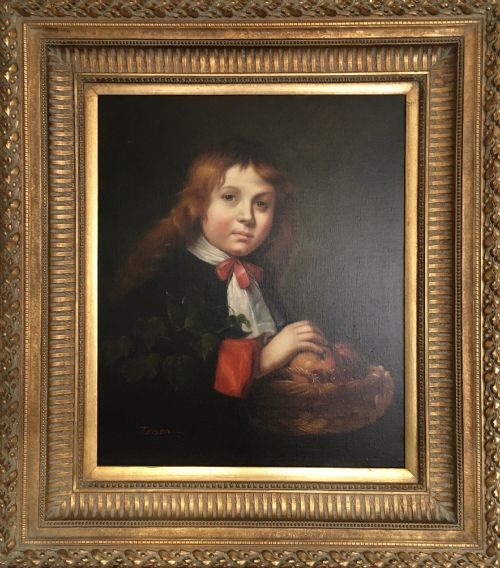
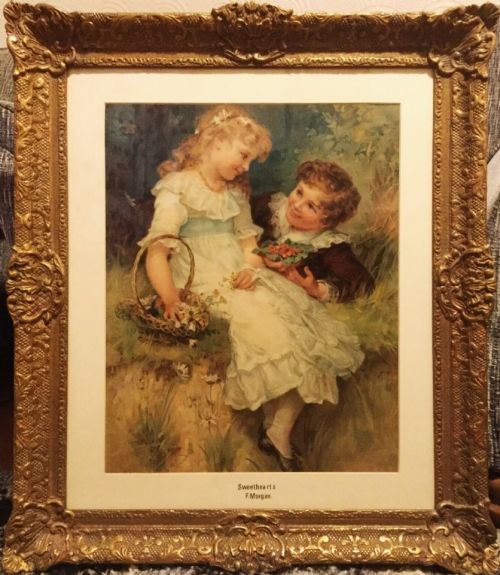
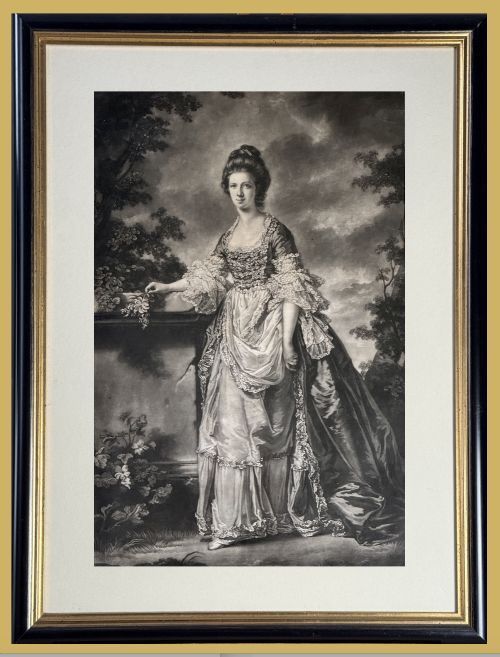
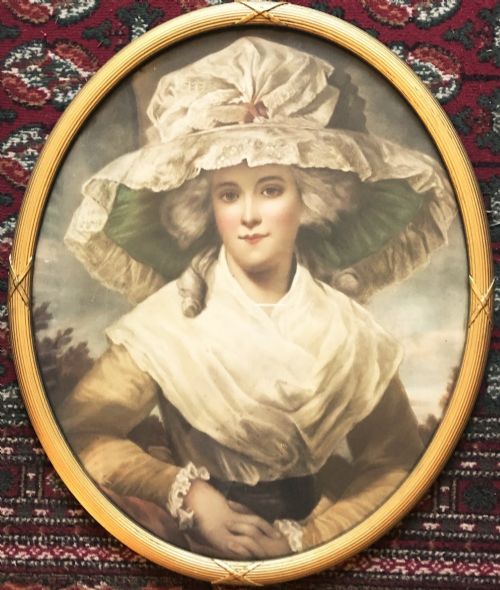
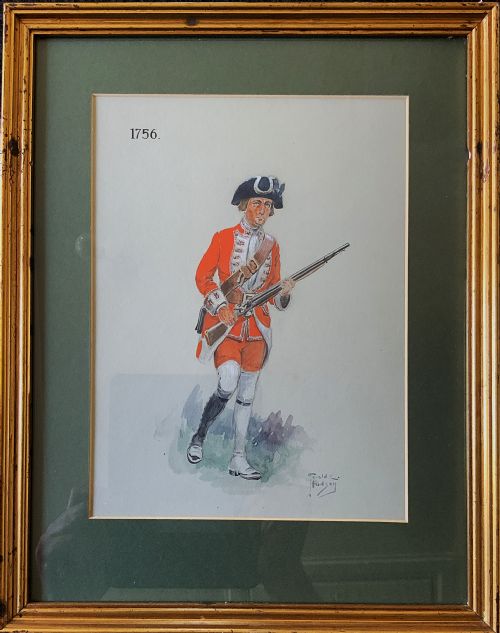
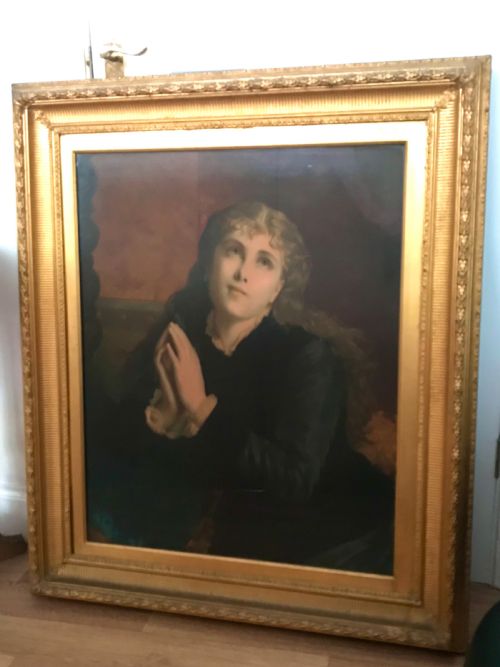
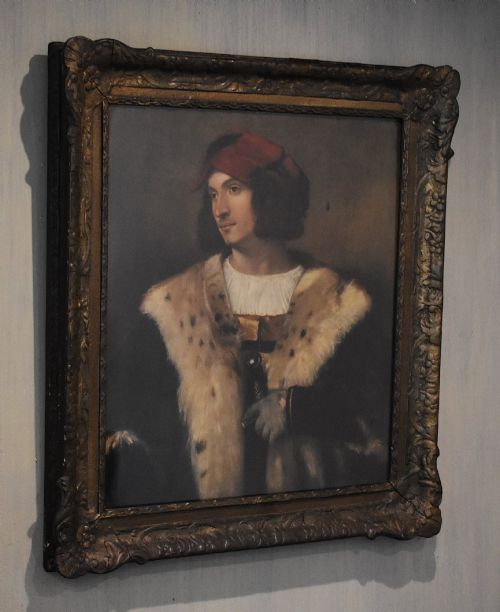


Gilded Framed Portrait Print
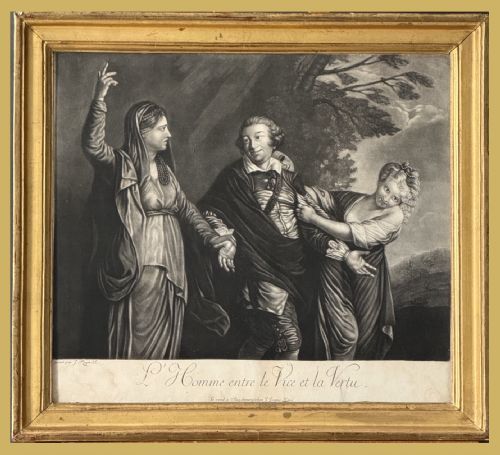
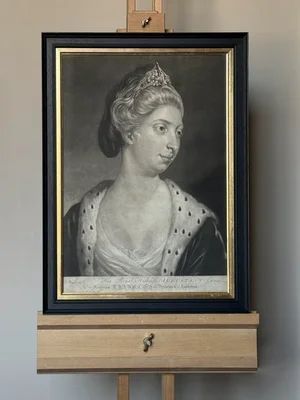
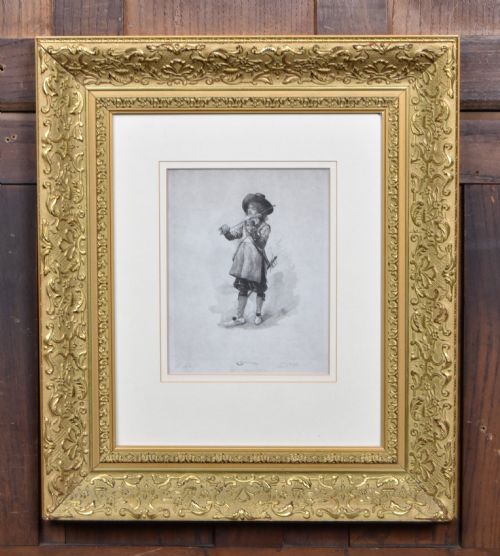
These gilded framed portrait print pieces capture likenesses across centuries within bright metallic surrounds.
Gilded Framed Portrait Print
A gilded framed portrait print gathers centuries of likenesses captured on paper, canvas, and glass, preserved within ornate metallic surrounds. Buyers seek these works to anchor a room with historic presence, drawing on centuries ranging from the eighteenth to the mid twentieth.
Most examples encountered here combine period engraving, mezzotint, or oleograph techniques with traditional wooden framing finished in gold leaf or giltwood. The subjects span classical figures, royalty, children, and military officers executed in styles from Georgian to Edwardian.
How They Were Made
Makers utilised paper, canvas, and glass as the primary surface supports for ink, watercolour, and oil mediums, often protecting delicate works beneath clear glass plates. Frames were constructed from timber and surfaced with gold leaf, gilt wood, or gesso to create reflective metallic borders.
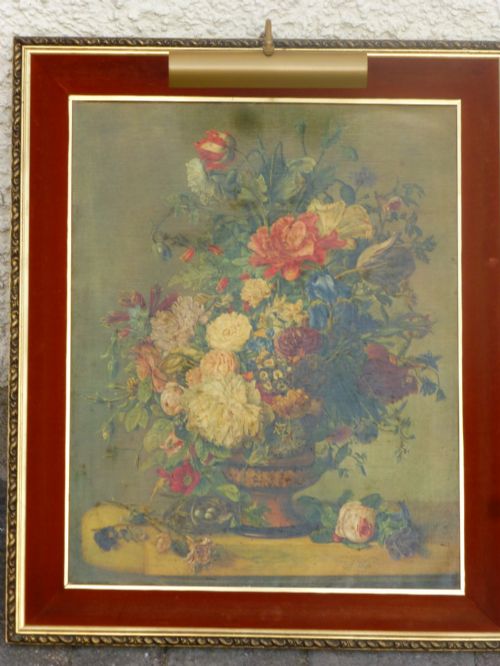
Printmaking methods such as mezzotint and engraving transferred intricate lines and tones from metal plates, while later oleographs simulated the texture of oil paintings on canvas. Guilds and ateliers applied these layered techniques by hand to achieve depth and luminance.
Canines make an appearance alongside humans through an etching of a cocker spaniel.
What Varies in Quality
The distinction between tiers rests upon the crispness of the ink impression and the fidelity of the secondary transfer to the original master work. Superior examples exhibit deep tonal contrast in mezzotints and precise registration in multi-plate engravings.
Frame construction also dictates the overall standard, where hand-carved giltwood and layered gesso retain sharper architectural detail than moulded plaster substitutes. The harmony between the artwork and its period housing determines the integrity of the piece.
Jean Mariette·James Watson·Sir Joshua Reynolds·Jean-Baptiste Greuze·Robert Sayer·Edward Stodart·Abraham Cooper·K and K Hof Atelier Pietzner·Isaac Cullin
The Gilded Framed Portrait Print Glossary
- Mezzotint
- A printmaking process where the copper plate is roughened to produce rich dark tones and subtle tonal graduations. This technique allows for remarkably smooth transitions of light and shadow.
- Oleograph
- A print produced with lithographic stones to imitate the appearance and texture of an oil painting. These often feature varnished surfaces applied over canvas or heavy paper.
- Giltwood
- Timber carved and subsequently covered with a thin layer of gold leaf or metallic powder. It provides a durable and luminous finish characteristic of period frames.
- Eglomise
- A technique involving cold painting or gilding on the reverse side of glass. This creates a mirrored and reflective surface effect popular in historical decorative frames.
- Gesso
- A plaster mixture applied to wood frames as a base before gilding. It enables artisans to carve intricate scrollwork and relief ornamentation.
Gilded Framed Portrait Print: Frequently Asked Questions
How are these portraits framed?
Most works utilise wooden frames finished with gold leaf, giltwood, or moulded gesso, often protecting the image beneath a glass pane.
Many incorporate period details such as scroll mounts or oval borders that match the era of the print.
What periods do these prints represent?
The selection spans from the eighteenth century through the Victorian and Edwardian eras up to the mid twentieth century.
Pieces reflect distinct aesthetic movements including Georgian, Regency, and Art Deco styles.
Are these original prints or reproductions?
The listings include original period engravings and mezzotints alongside later oleographs, Medici prints, and commemorative reproductions.
Each technique offers a different surface texture and visual depth associated with its specific production era.
How should I hang a gilded framed portrait print?
Secure the piece using appropriate wall fixings that match the weight of the timber frame and glass protection.
Position the artwork away from direct sunlight to preserve the delicate inks and metallic leaf finishes.