


Monochrome Mezzotint Engraving
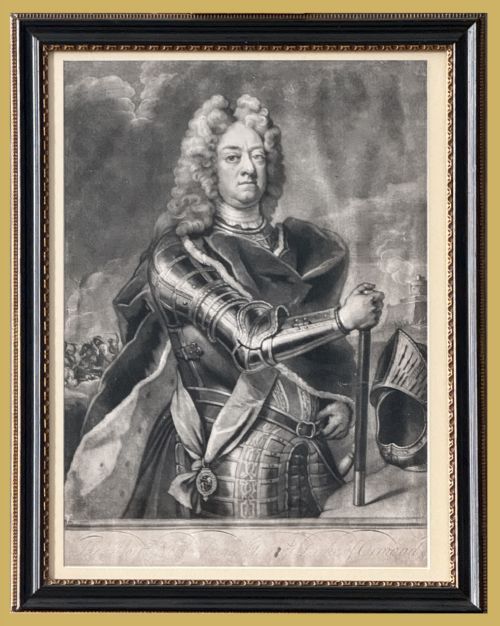
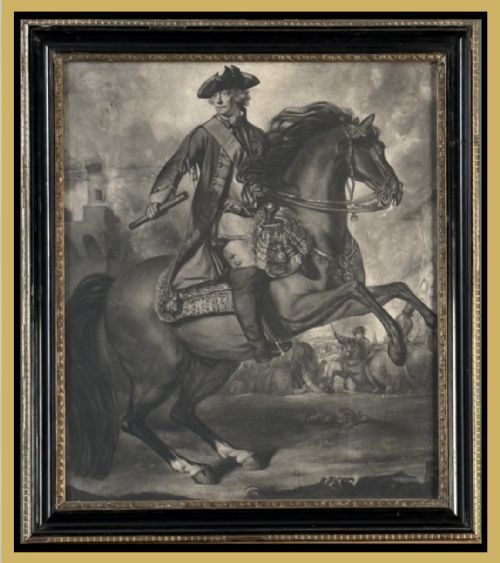
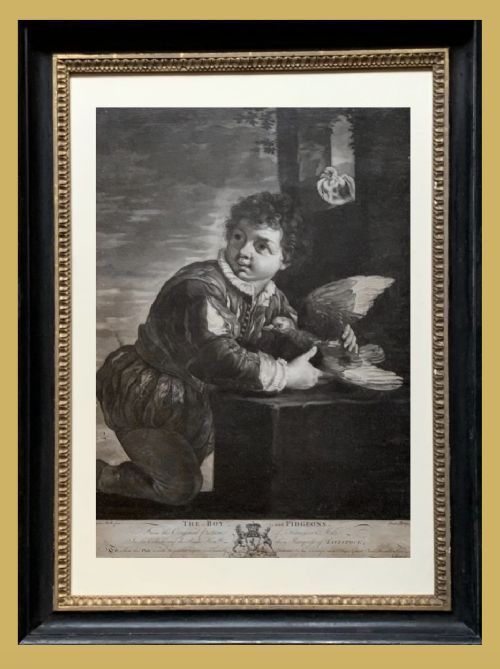
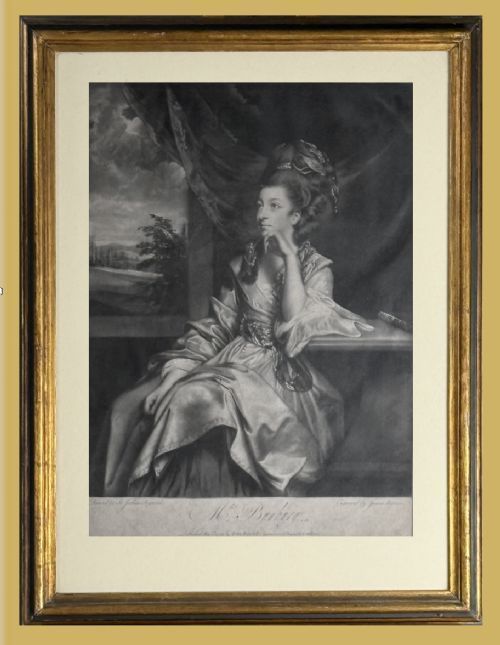
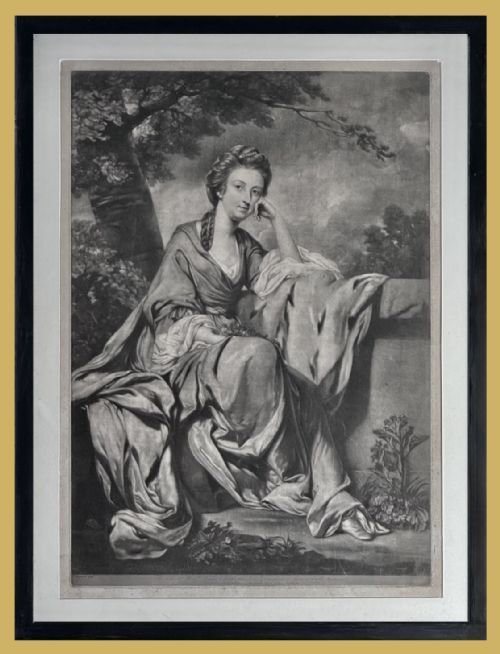
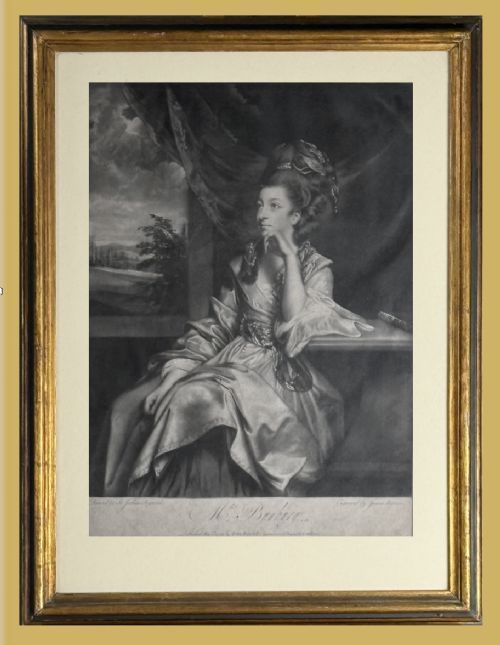
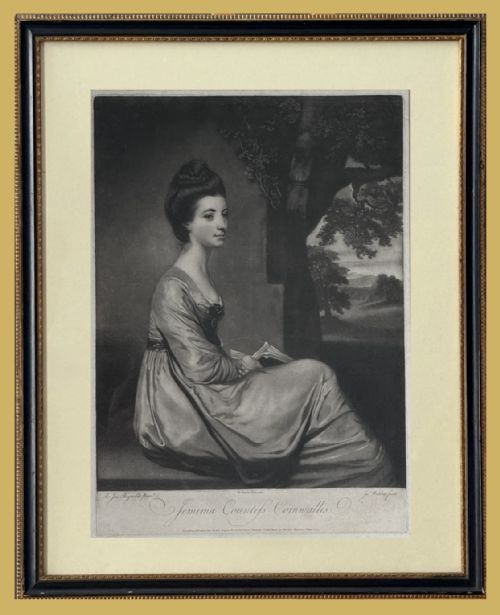
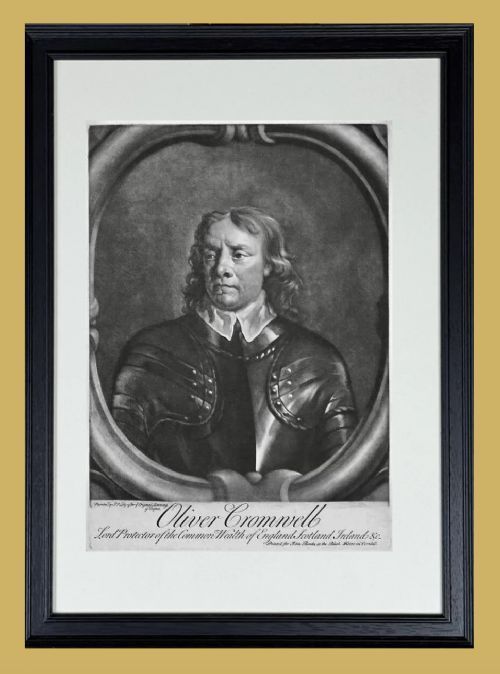
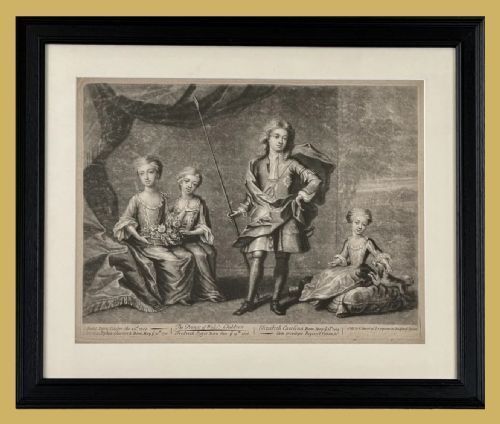
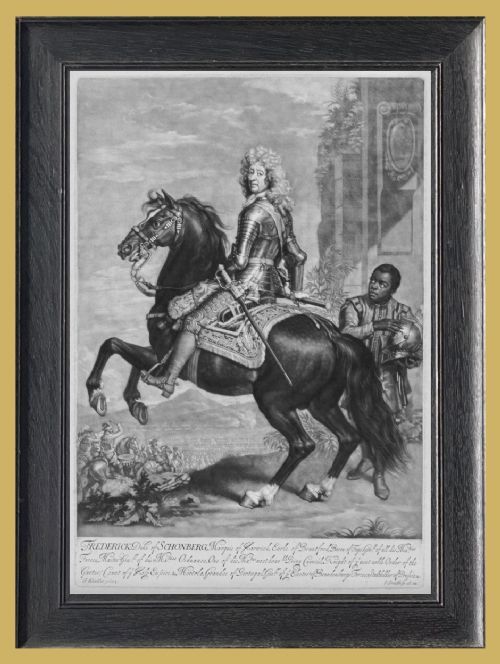
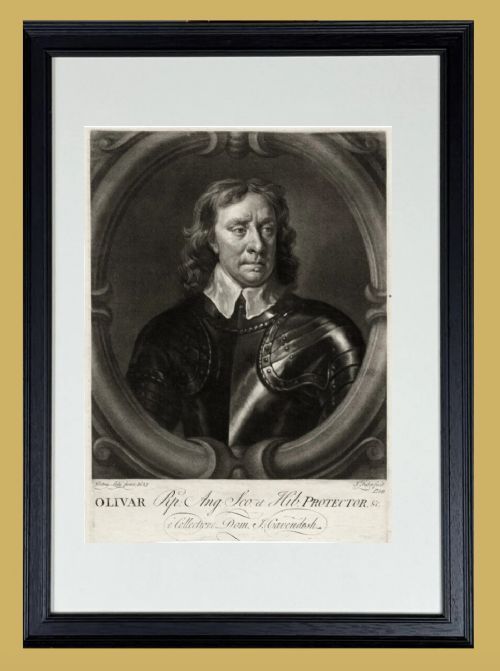
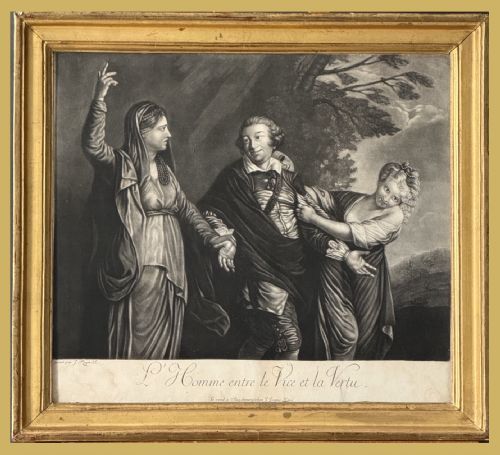
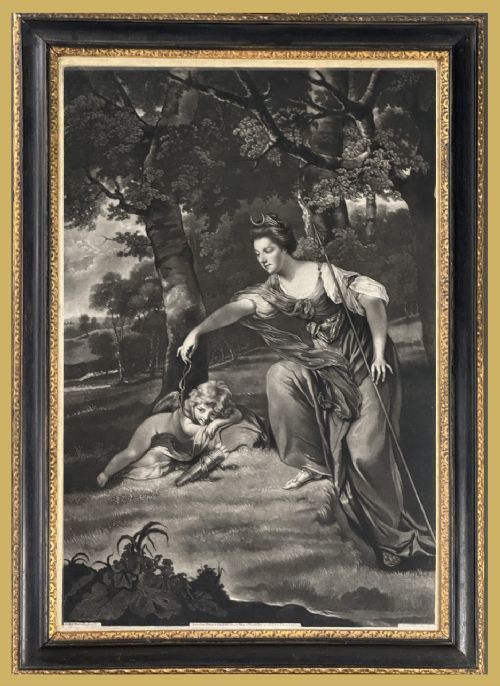
When you search for a monochrome mezzotint engraving, you encounter historic printed portraits and figure compositions framed for wall display.
Monochrome Mezzotint Engraving
Monochrome mezzotint engraving works as a specialised printmaking medium designed to render tonal gradations without relying on traditional line hatching. The pieces found here predominantly take the form of framed portraits, wall art, and historic prints originating from the seventeenth, eighteenth, and nineteenth centuries.
Subjects range from British royalty and aristocracy to theatrical figures and literary scenes, translating original oil paintings into print. Buyers frequently encounter eighteenth-century impressions executed after prominent painters such as Sir Joshua Reynolds and Sir Godfrey Kneller.
The physical formats span single framed plates, matched pairs, and composite sets such as depictions of the seasons. These works are typically mounted behind glass within wooden frames, often incorporating ebonised finishes or gold leaf moulding.
Technique and materials
Makers prepared a copper printing plate by roughening its entire surface with a curved, notched tool called a rocker to create a dense burr that would hold ink completely in solid black. Artisans then scraped and burnished areas of this roughened texture down to varying degrees of smoothness to lighten the tones, producing soft shadows and highlights.
Printers applied dark ink to the prepared plate, wiped the smooth surface clean, and transferred the image under pressure onto damp paper. The resulting impressions were subsequently framed using wood, gilt, and glass to preserve the paper from atmospheric damage.
Printers occasionally captured the stubborn likenesses of seventeenth-century revolutionaries and eighteenth-century royalty with equal doses of artistic flattery and ink.
Evaluating the prints
Quality rests upon the crispness of the impression and the depth of the tonal range achieved by the scraper. Early impressions taken from a freshly worked copper plate exhibit rich, velvety blacks and subtle gradients, whereas worn plates yield greyer, flatter results.
The standing of the printmaker and the fidelity of the translation from the original painterly source also dictate the merit of an example. Skilled engravers managed the delicate transition from deep shadow to light with precision, maintaining the psychological nuance of the sitter's expression.
John Simon·Edward Fisher·John Boydell·James Watson·John Smith·Joseph Sympson·Jiohan Elis Haid·W Dickinson·John Faber Snr·Purcell·Thomas Frye·Richard Purcell·Thomas Watson·John Faber Jr·Robert Williams·Valentine Green·James Macardell·Richard Houston·James Ward·Thomas G Appleton
The Monochrome Mezzotint Engraving Glossary
- Mezzotint
- A printmaking process where the copper plate is roughened uniformly and scraped back to create tones rather than lines. This technique allows for subtle shifts in light and shadow.
- Rocker
- A steel tool with a curved, serrated edge used by the printmaker to pit the copper plate. Rolling this tool across the metal creates the foundational texture.
- Burnisher
- A smooth, rounded tool employed to flatten the roughened copper burr. Utilising this tool reduces ink retention in specific areas to produce highlights.
- Impression
- A single copy of a print pulled from the inked plate onto paper. Early impressions display the sharpest detail before the copper wears down.
- State
- A stage in the development of a print determined by alterations made to the plate. Collectors track these variations to date and evaluate individual sheets.
Monochrome Mezzotint Engraving: Frequently Asked Questions
What is a mezzotint engraving?
A mezzotint is a print created by roughening a copper plate and scraping areas smooth to produce rich tonal variations. Unlike line engravings, they rely on areas of dark and light rather than networks of lines.
This method allows prints to capture the soft dimensionality of oil paintings with remarkable fidelity.
How do you date an old print?
Dating relies on the paper type, plate marks, typographic style of the lettering, and recorded biographical dates of the sitter and maker. Costumery and hairstyles depicted also provide solid chronological clues.
Reference catalogues raisonnés for specific engravers to confirm publication dates and known states.
Who painted the original portraits?
Many mezzotints reproduce prominent oil paintings by masters such as Sir Joshua Reynolds, Sir Godfrey Kneller, and Sir Peter Lely. The prints served to disseminate the likenesses of notable historical figures to a wider audience.
The credit line on the print typically names both the painter and the engraver.
How should these prints be displayed?
Display prints away from direct sunlight to prevent the ink and paper from fading over time. Maintain stable indoor humidity levels to protect both the paper support and the historic frame.
Ensure framing materials are acid-free to avoid chemical degradation of the antique sheet.