

Georgian Framed Portrait Print
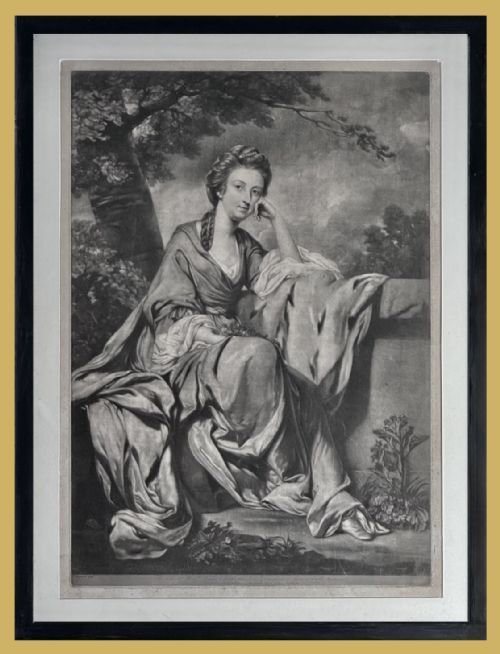
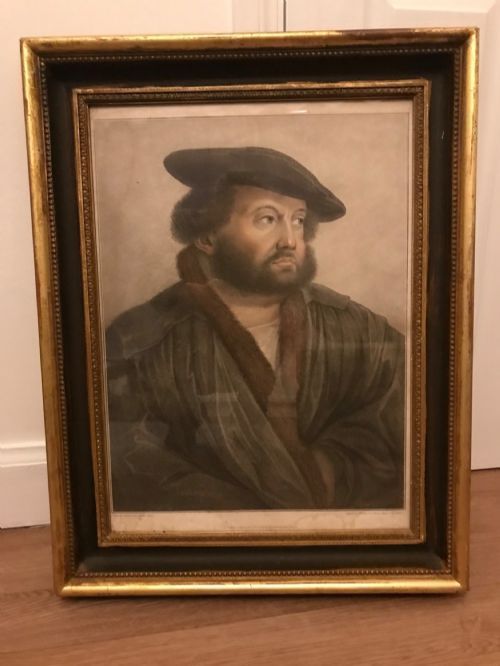
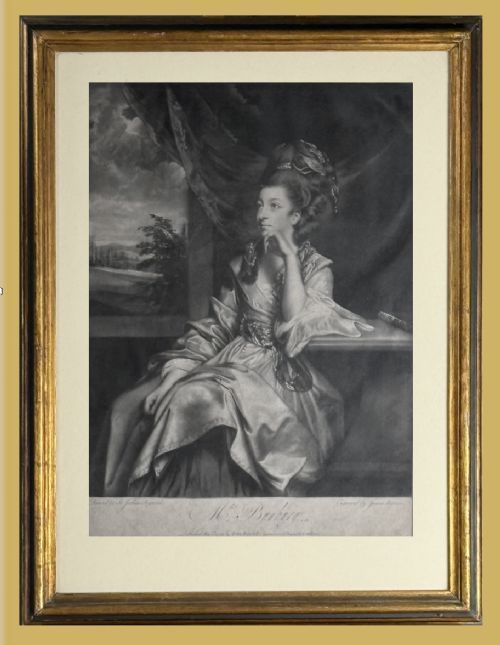
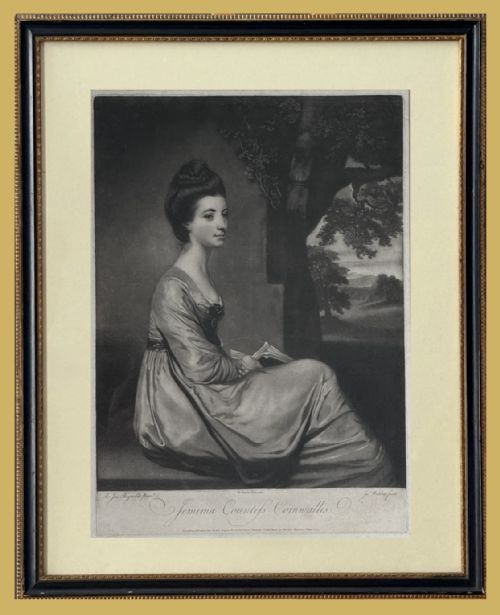
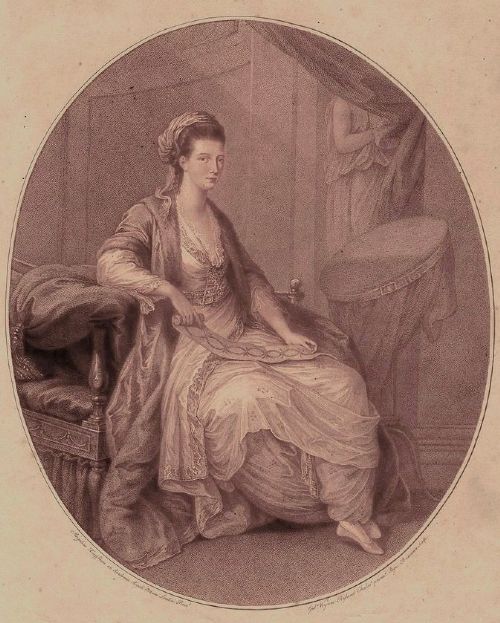
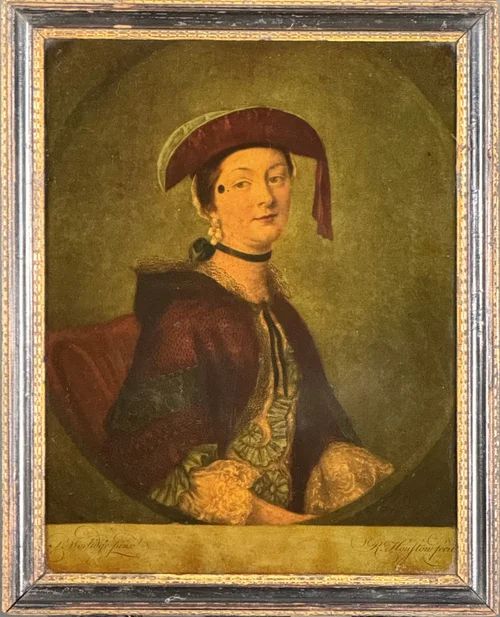
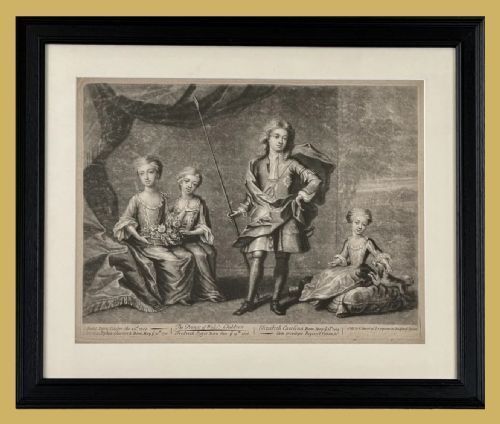
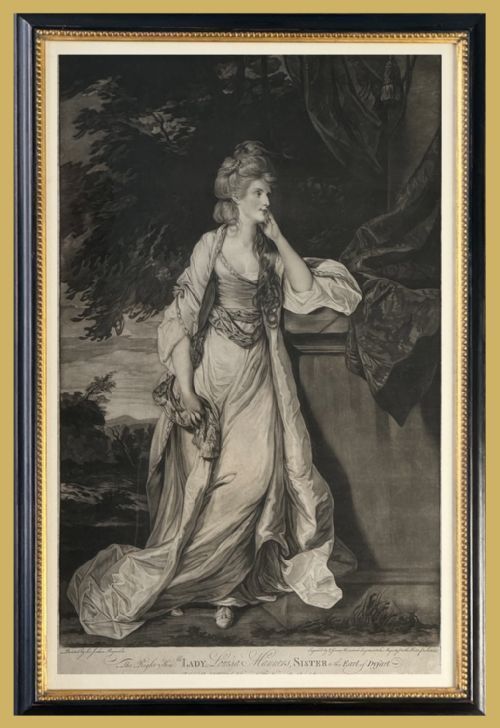
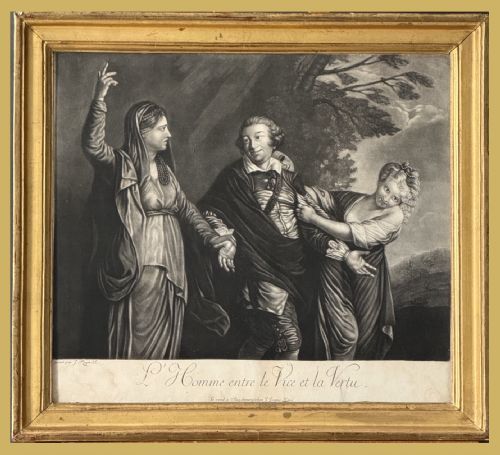
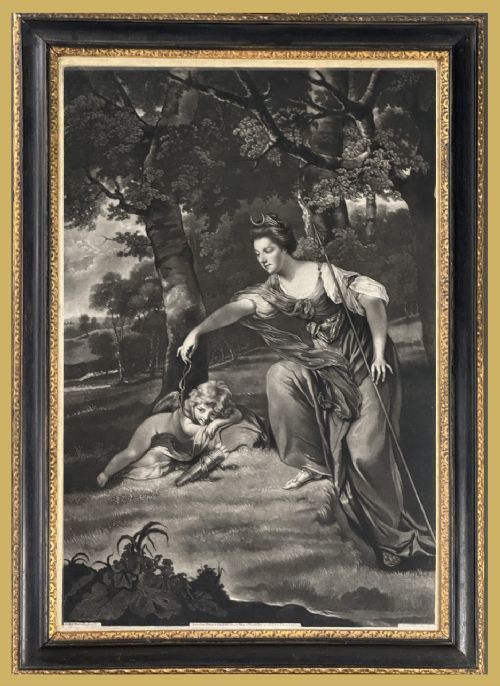
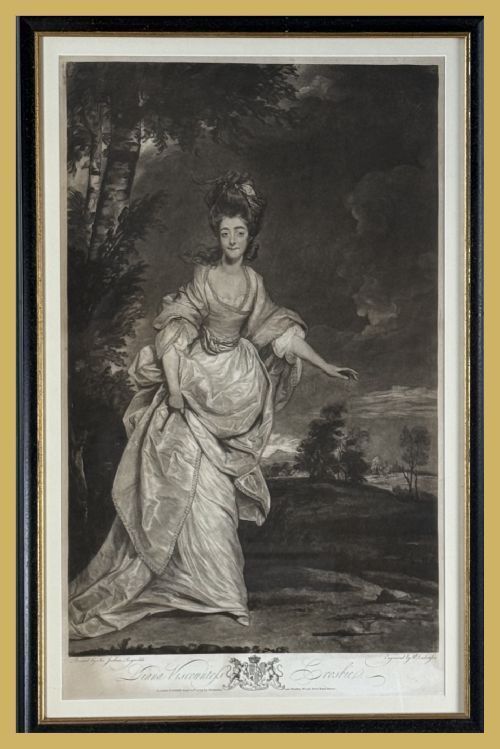
A georgian framed portrait print captures the likeness of nobility, artists and society figures through the sophisticated printmaking techniques of the eighteenth century.
Georgian Framed Portrait Print
The pieces catalogued under a georgian framed portrait print encompass historic engravings, mezzotints and stipple prints housed in their original or period-appropriate surrounds. Most examples date from the eighteenth century, reflecting the golden age of British and European print production.
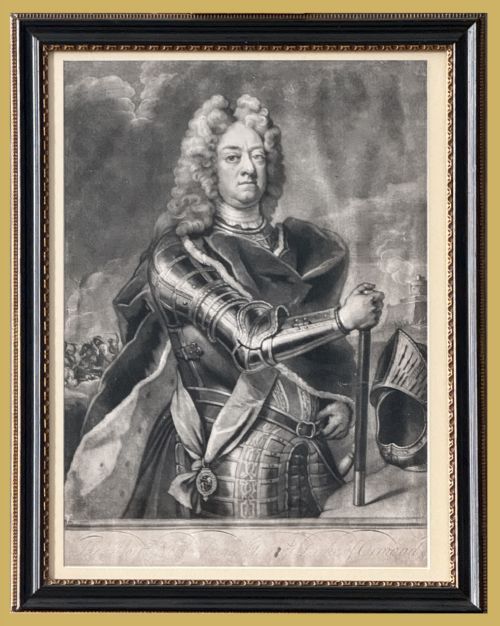
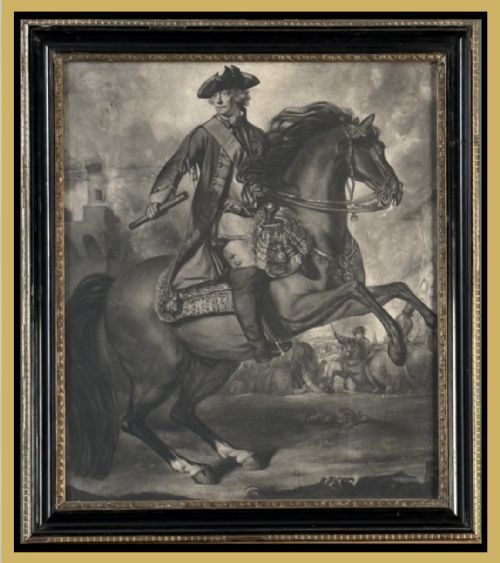
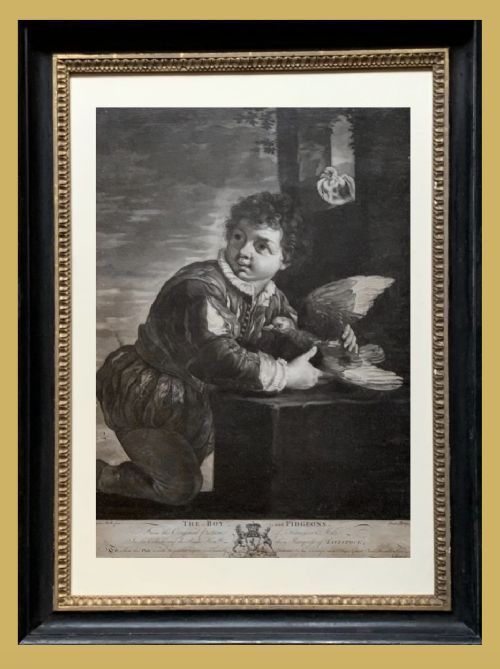
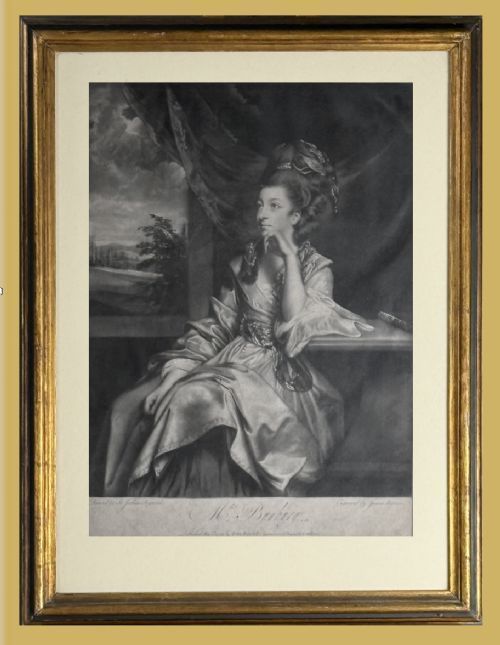
Subjects range from royalty and military commanders to duchesses and children, often rendered by master engravers after paintings by prominent artists of the era. Buyers encounter individual plates, matched pairs and occasional themed sets preserved behind glass.
The associated framing typically employs wood, giltwood or rosewood, which protects the delicate paper or silk surfaces while complementing the aesthetic of the Georgian interior.
Materials and technique
Printmakers utilised copper plates to work intricate designs through methods such as mezzotint and stipple engraving, creating tonal depth and fine detail on paper or silk. Ink was pressed into the incised or roughened plates and transferred under pressure.
Selected works employed reverse painting techniques on glass, fusing pigment directly to the protective pane to achieve a luminous, distinct finish. Frames were constructed from timber such as rosewood or gilded wood, often finished with gold leaf.
Listings feature works spanning the eighteenth and nineteenth centuries, executed primarily in ink on paper with wood and gilt framing.
The markers of distinction
Quality rests in the crispness of the impression and the subtlety of the tonal gradations across the plate, which diminishes as copper plates wear down during extended print runs. Early impressions pulled directly from fresh plates exhibit superior clarity and depth compared to later strikes.
The integrity of the original mount and the preservation state of the paper or silk dictate the overall stature of the piece, alongside the craftsmanship and original retention of the accompanying wooden or gilt frame.
John Simon·Edward Fisher·John Boydell·James Watson·Francesco Bartolozzi·John Smith·Valentine Green·Charles Spooner·John Faber Jr·Adam Buck
The Georgian Framed Portrait Print Glossary
- Mezzotint
- A printmaking process where the copper plate is roughened uniformly to produce dark tones, then scraped and burnished to create light areas. This technique allows for rich, velvety tonal variations particularly suited to portraiture.
- Stipple engraving
- A method of producing prints using dots of various sizes and densities rather than continuous lines. It creates soft, painterly effects often employed for neoclassical subjects.
- Reverse painting on glass
- An artistic method where the image is painted directly onto the reverse side of a glass sheet and viewed from the front. This produces a glossy, preserved surface.
- Giltwood
- Wood that has been coated with a thin layer of gold leaf or gilt gesso. It provides a bright, reflective border popular in Georgian framing.
Georgian Framed Portrait Print: Frequently Asked Questions
How should I hang these prints?
Display these works away from direct sunlight to protect the ink and paper from fading over time. Maintain stable indoor humidity to preserve the wooden and gilt frames.
Group matched pairs or themed sets at eye level to recreate traditional Georgian domestic arrangements.
Are the frames original?
Many pieces retain their period wooden, rosewood or giltwood frames, which show appropriate signs of age. Original framing enhances the historical context of the artwork.
Some examples have been reframed in later periods using compatible styles to ensure continued structural protection.
What is a mezzotint?
A mezzotint is an intaglio printmaking technique where the artist works from dark to light by roughening the copper plate. This method yields rich gradients and deep shadows.
It became the preferred medium for translating oil paintings into popular portraits during the eighteenth century.
How do I identify the sitter?
Inscriptions along the lower margin usually record the name of the sitter, alongside the painter and the printmaker. Biographical details often align with the active dates of Georgian society figures.
Armorial bearings or familial titles included in the text provide further genealogical context.