
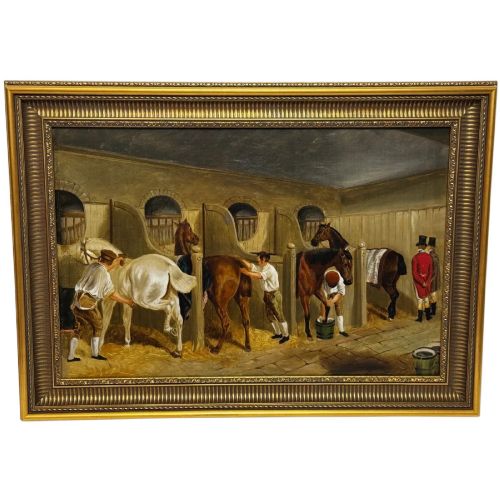
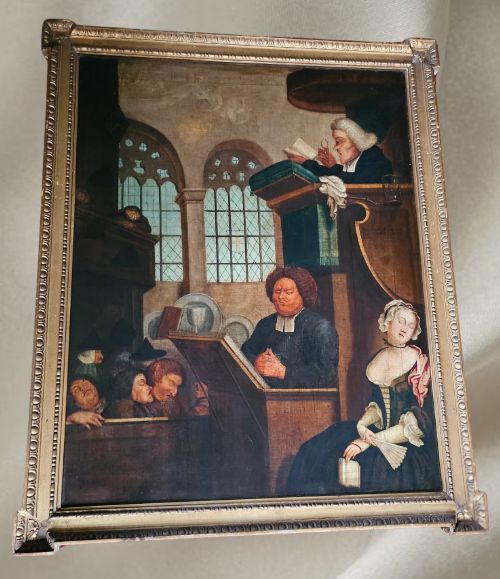
Framed Portrait Picture Print
A framed portrait picture print brings centuries of character to a wall, combining traditional portraiture with period framing.
Framed Portrait Picture Print
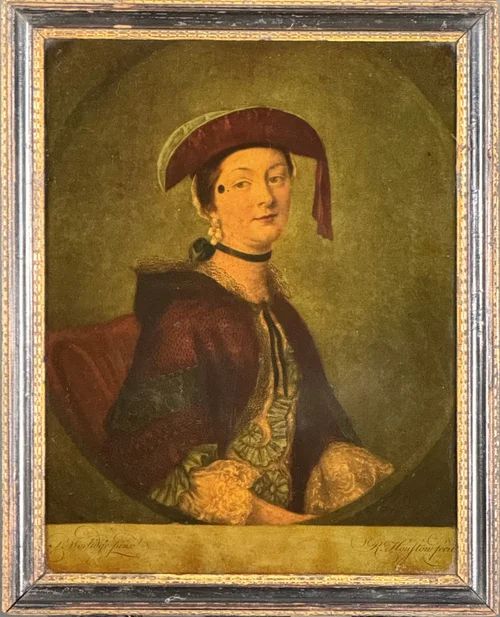
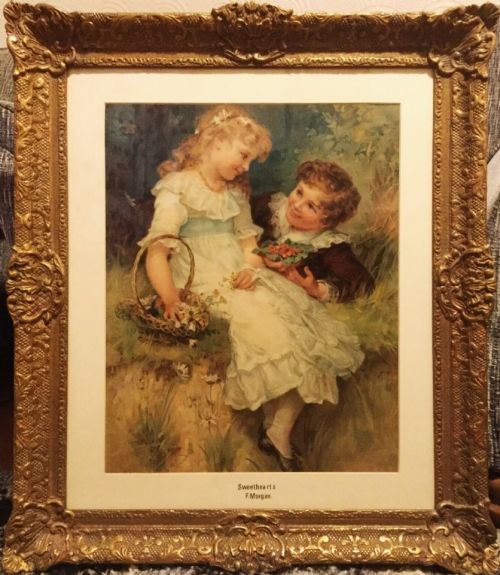
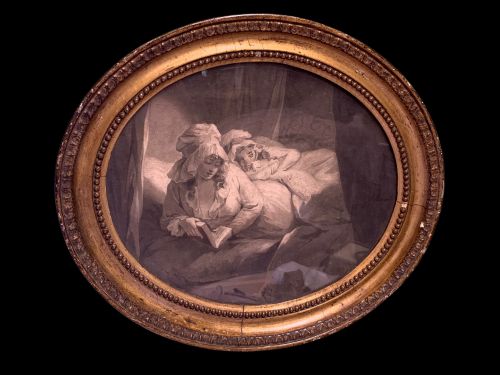
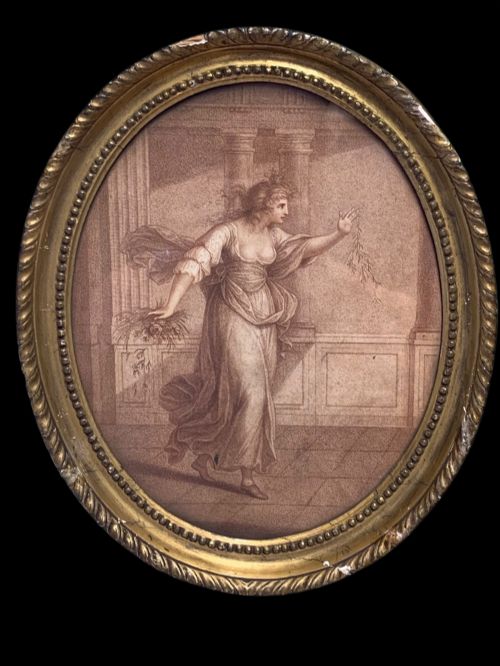
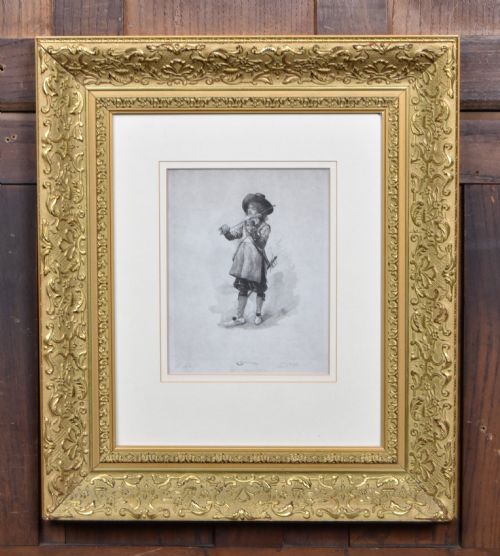
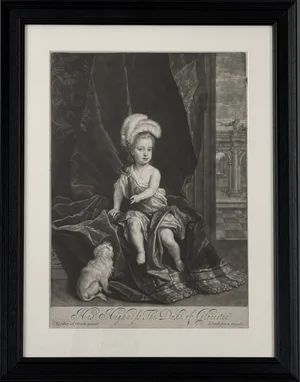
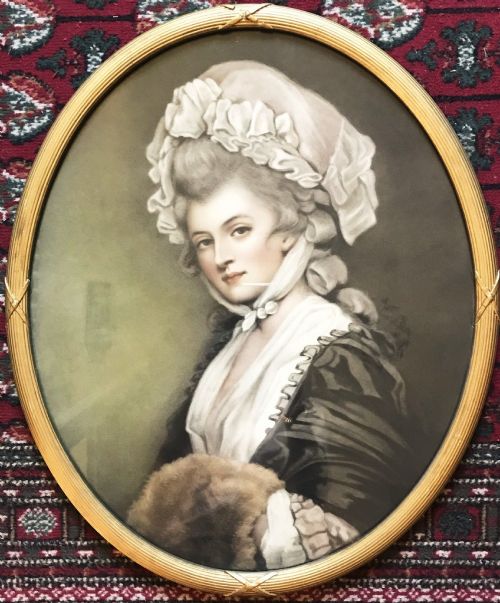
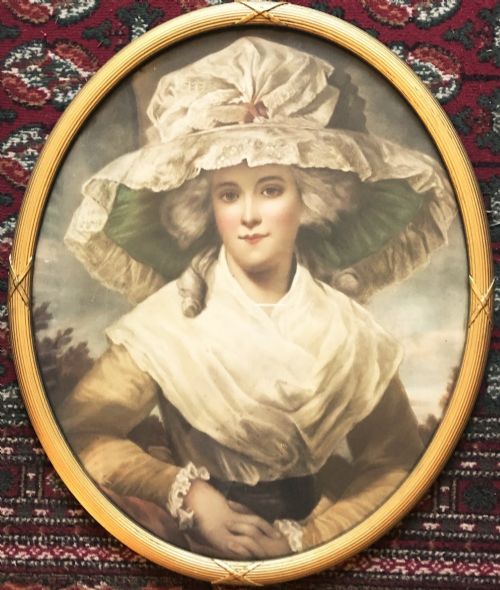
A framed portrait picture print encompasses historical engravings, mezzotints, and photographic works designed for wall display. Buyers searching for a framed portrait picture print encounter works ranging from seventeenth-century mezzotints to mid-twentieth-century prints and photographs.
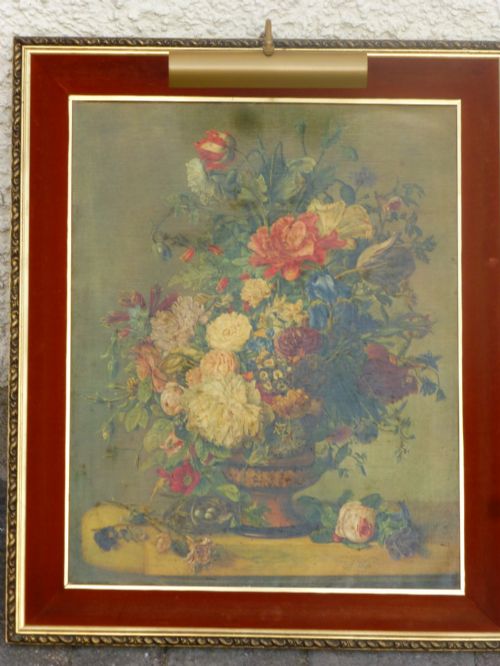
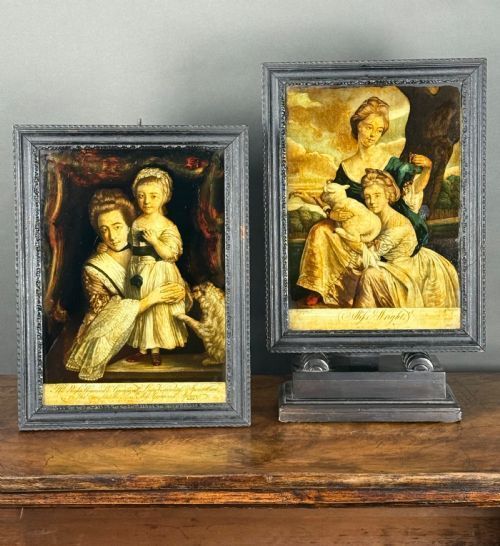
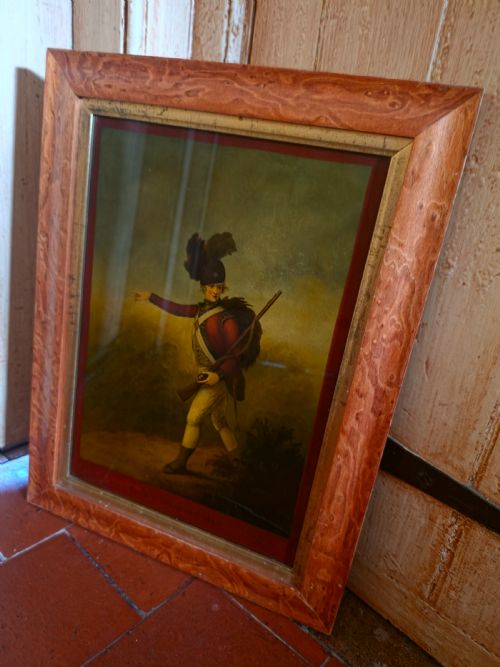
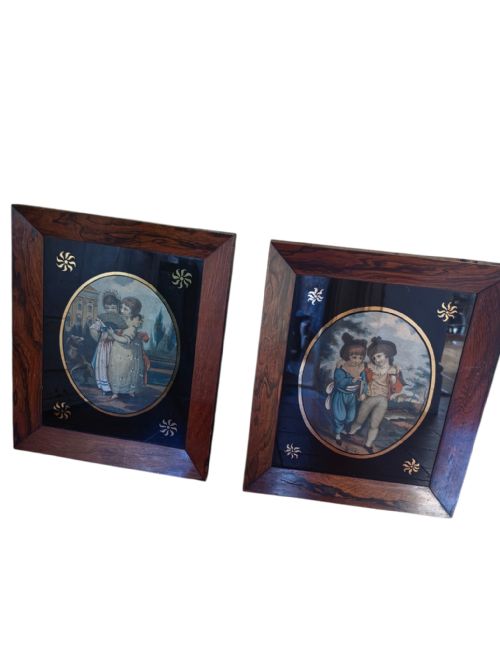
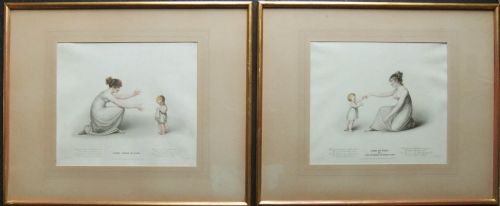
The selections span diverse formats including oval glazed prints, reverse glass pieces, and hand-coloured engravings. Eighteenth-century examples often utilise reverse painting techniques on glass, whilst later Victorian and Edwardian periods favour framed oleographs and photographic portraits.
How They Were Made
Makers utilised paper, canvas, and glass as primary surfaces for applying oil paint, pastels, and ink. Engraving and mezzotint techniques transferred detailed imagery onto paper before mounting beneath glass.
Wooden enclosures, including gilt wood and rosewood frames, were constructed to protect and display the artworks. Many historical pieces incorporate original glass panes held within traditional timber mouldings.
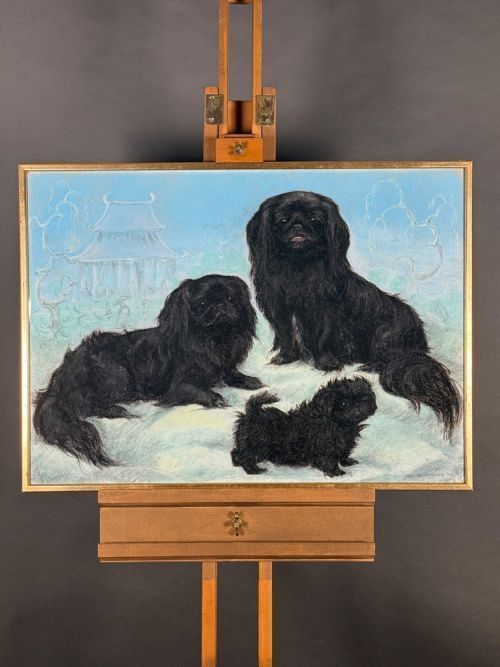
Several portraits capture domestic companions, including stylish cats and faithful dogs immortalised in pastel and oil.
What Varies in Quality
The fidelity of the printed image and the depth of the ink or paint define the visual impact of the work. Early mezzotints and hand-coloured engravings demonstrate greater crispness in line and tone compared to later reproductions.
The integrity and period authenticity of the surround contribute significantly to the piece. Original wooden and gilt frames matching the era of the artwork elevate the overall standard of the object.
Charles Spooner·Frederick Morgans·Anton Weiss·John Smith·Sir Godfrey Kneller·Adam Buck·Herbert Gustave Schmaltz·Louis Icart·Richard Purcell·van Dyck·Titian·Robert Sayer·George Romney·Julian Mandel·Edward Stodart·Abraham Cooper·Charles Burton Barber
The Framed Portrait Picture Print Glossary
- Mezzotint
- A printmaking process where the copper plate is roughened to achieve rich tonal gradations in dark and light areas. This technique produces velvety dark backgrounds and subtle skin tones.
- Oleograph
- A type of chromolithographic reproduction textured to simulate an oil painting on canvas. These prints gained popularity during the nineteenth century as an accessible alternative to original oils.
- Reverse glass painting
- An artwork painted or printed on the rear side of a glass panel and viewed from the front. This delicate method creates a luminous surface finish.
- Engraving
- A printmaking method where lines are incised directly into a metal plate using a sharp tool. The resulting grooves hold ink to transfer sharp details onto paper.
Framed Portrait Picture Print: Frequently Asked Questions
How do I hang a heavy framed print?
Ensure the wall fixings match the weight of the timber and glass structure. Secure the wire or D-rings firmly to the wooden frame before hanging.
Distribute the weight evenly across two wall hooks to maintain a level display.
Can I replace the glass in an old frame?
Original glass panes often feature subtle bubbles and waves indicative of age. Retaining the historic glass maintains the authenticity of the piece.
Consult a specialist framer if replacement becomes essential due to breakage.
How do I clean antique portrait glass?
Apply a mild cleaning solution to a soft cloth rather than spraying directly onto the surface. This prevents moisture from seeping behind the glass and damaging the paper or paint.
Wipe gently and dry immediately with a lint-free cloth.
What lighting protects framed paper prints?
Position the artwork away from direct sunlight to prevent fading of the paper and pigments. Ultraviolet filtering glass provides additional protection against light damage.
Utilise low-heat LED picture lights for interior illumination.