
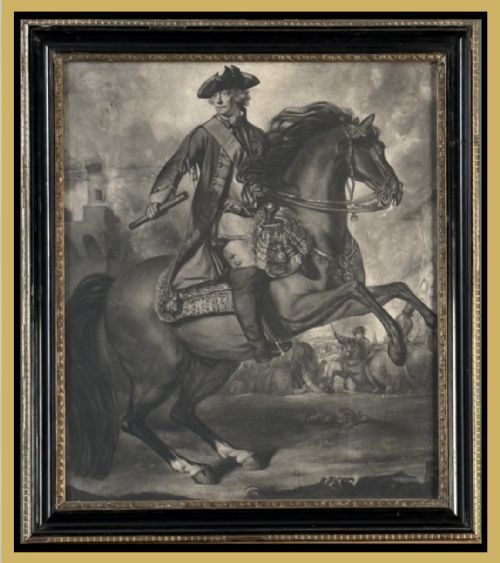

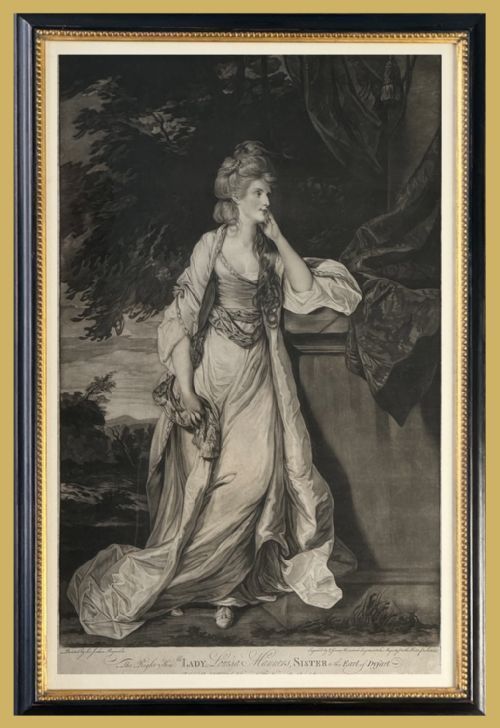
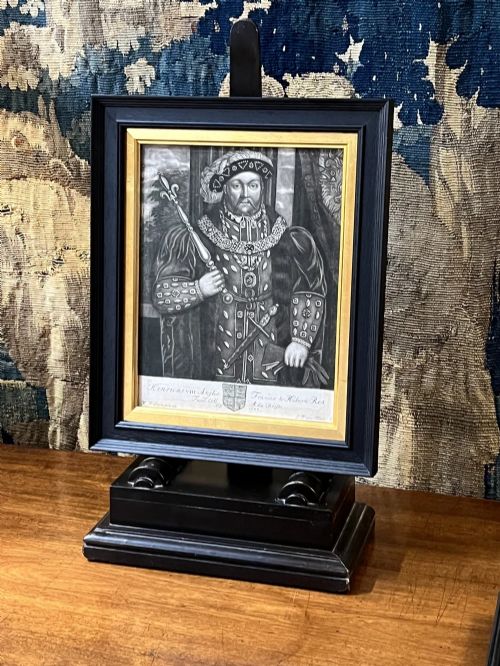
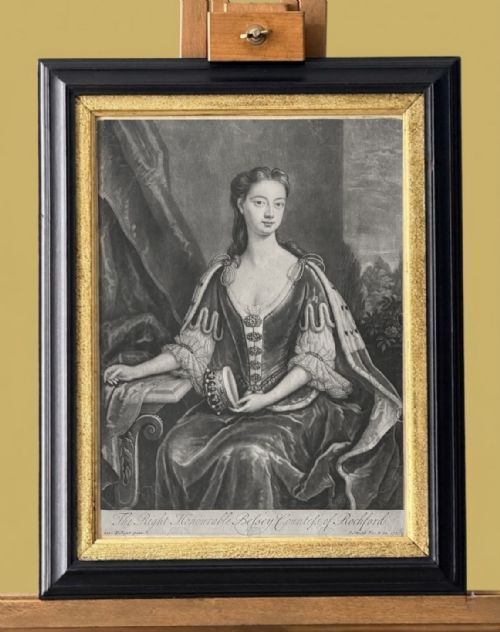


Ebonised Framed Mezzotint
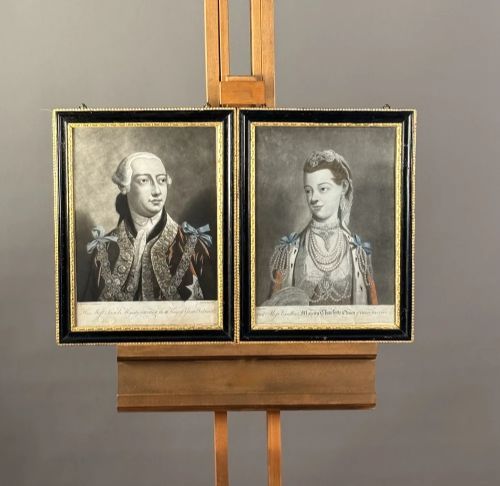
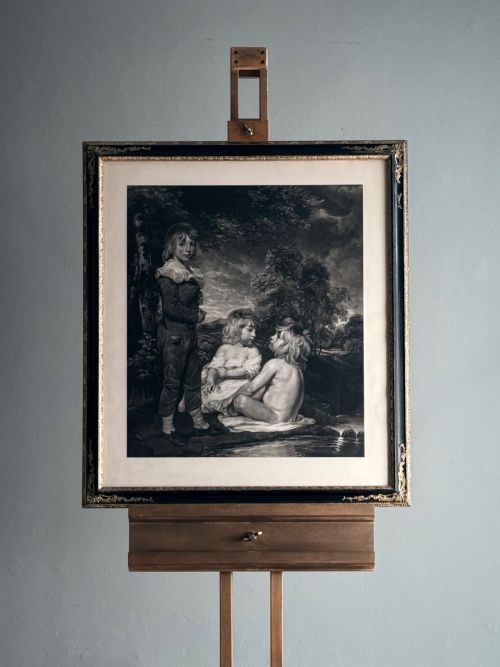
These ebonised framed mezzotint pieces bring eighteenth-century portraiture and domestic scenes into focus with dark wooden borders and deep tonal depth.
Ebonised Framed Mezzotint
When you search for an ebonised framed mezzotint, you encounter tonal print works held within dark timber mouldings, often dating from the Georgian era and the eighteenth century. The subjects range from royal figures and nobility to children bathing and domestic employment scenes.
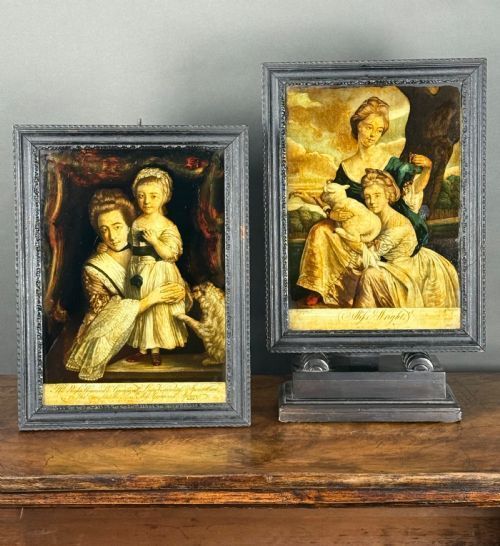
The selection here encompasses both standard framed paper prints and reverse glass coloured mezzotints. These pieces capture historical likenesses through rich velvety blacks and subtle gradations of tone.
Materials and construction
The primary visual impact relies on ink and pigment applied to paper or reverse glass, creating deep shadows and luminous highlights through the mezzotint technique. Skilled hands worked copper plates to hold ink across varied textures.
Surrounding these prints are frames fashioned from wood treated to resemble ebony, occasionally complemented by gold leaf or gilt details. Glass protects the fragile surfaces beneath, preserving the ink and pigment from environmental wear.
Listings feature works from the eighteenth century, the Georgian period, and the year 1800, using materials such as glass, paper, wood, gold leaf, gilt, oil paint, ink, and pigment.
Factors of quality
Quality rests in the crispness of the impression pulled from the copper plate and the preservation of pigment on paper or glass. Softer tones or blurring indicate plate wear from numerous impressions over time.
The integrity of the ebonised wooden frame and the originality of the glass further distinguish individual works. Period frames that retain their original finish add considerable character to the piece.
Edward Fisher·Valentine Green·John Faber Snr·John Smith·Thomas Frye
The Ebonised Framed Mezzotint Glossary
- Ebonised
- Wood treated with a dark finish to imitate expensive ebony timber. This dark border frames the light tones of the print effectively.
- Mezzotint
- A printmaking process where the copper plate is roughened to hold ink and produce rich tones. Artists scrape and burnish the plate to create highlights and varied shades.
- Reverse glass print
- An image applied directly to the back of a glass panel for viewing from the front. This technique gives the colours a luminous quality.
- Georgian
- Relating to the reigns of the four British monarchs named George covering the eighteenth and early nineteenth centuries. Pieces from this period share distinct aesthetic characteristics.
- Baroque
- An ornate artistic style prevalent in Europe during the seventeenth and early eighteenth centuries. It influences the dramatic composition found in several portrait subjects.
Ebonised Framed Mezzotint: Frequently Asked Questions
How do I care for my ebonised framed mezzotint?
Keep the piece away from direct sunlight to prevent the ink and pigment from fading over time. Dust the wooden frame gently with a dry cloth and avoid using liquid cleaners on the glass.
Ensure the hanging location remains stable in temperature and humidity to protect both the paper and the wooden moulding. Professional framing checks can secure the backing boards safely.
What is a reverse glass mezzotint?
A reverse glass mezzotint involves applying ink and pigment directly to the rear surface of a glass panel. Viewers observe the finished image through the front of the glass.
This method protects the delicate pigments from atmospheric dirt and gives the artwork a glossy depth. The technique requires precise reverse application by the artist.
How do I identify a Georgian frame?
Georgian frames display hand-worked timber construction with pegged corners and specific moulding profiles typical of the eighteenth century. Ebonisation was achieved through stains and polish rather than modern synthetic paints.
Inspect the back of the frame for old fixings, hand-cut nails, and aged wood patination. Original backing boards often show appropriate shrinkage and oxidation.
Where were these prints displayed historically?
These framed prints hung in the panelled parlours and drawing rooms of Georgian townhouses and country estates. They served to display lineage, taste, and cultural awareness to visiting guests.
Subjects of royalty and nobility demonstrated political allegiance and social standing. Domestic scenes offered a gentler moral narrative for family spaces.