
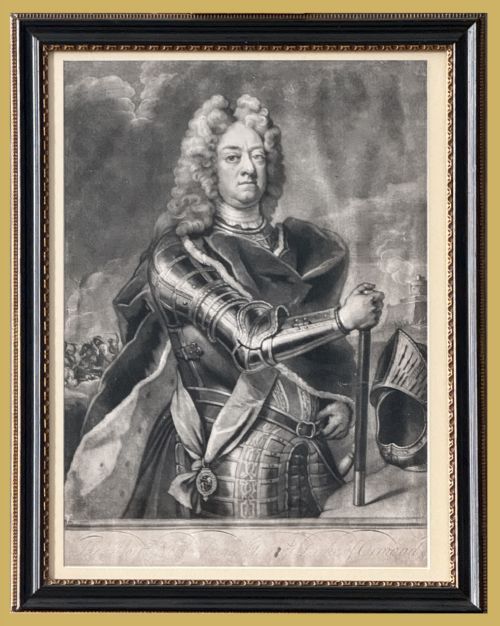
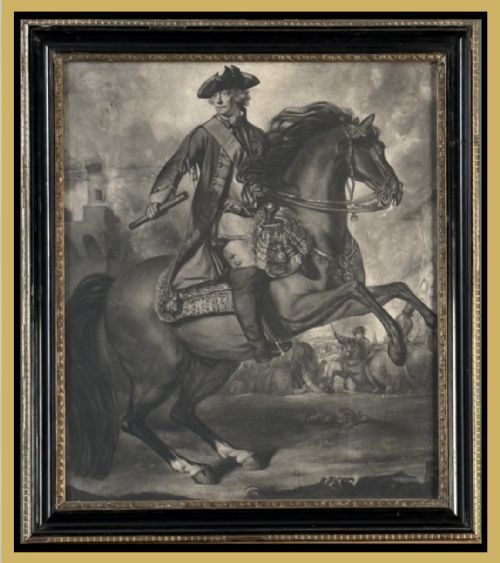
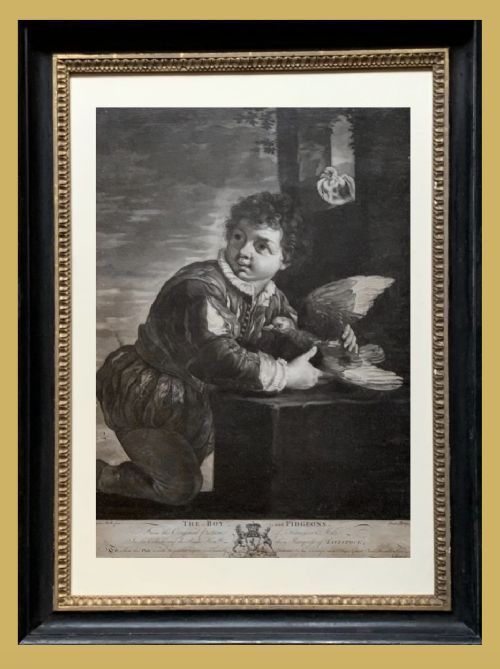
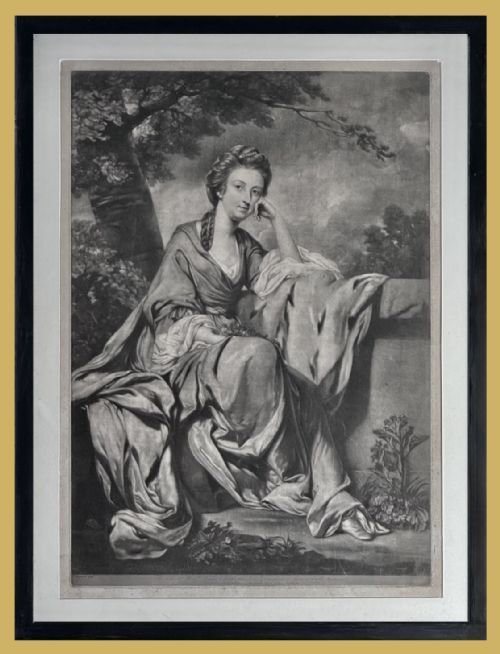
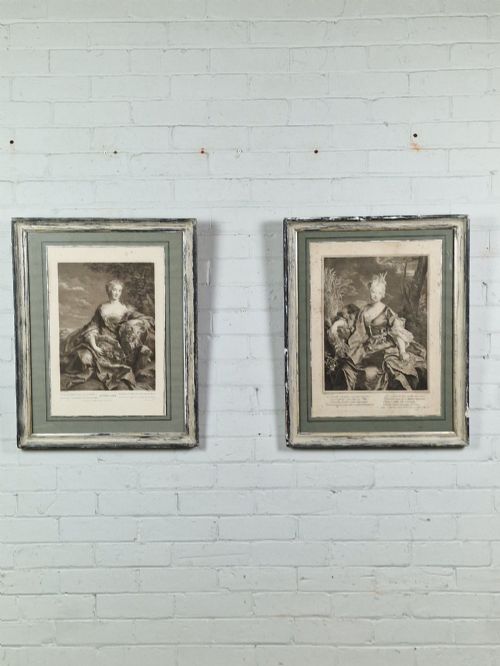
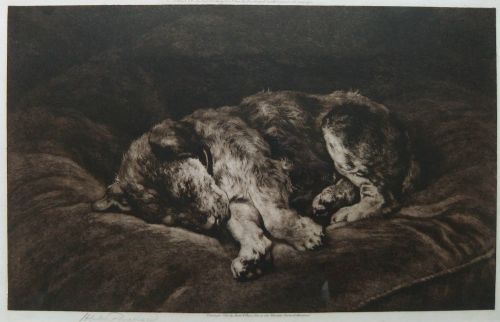

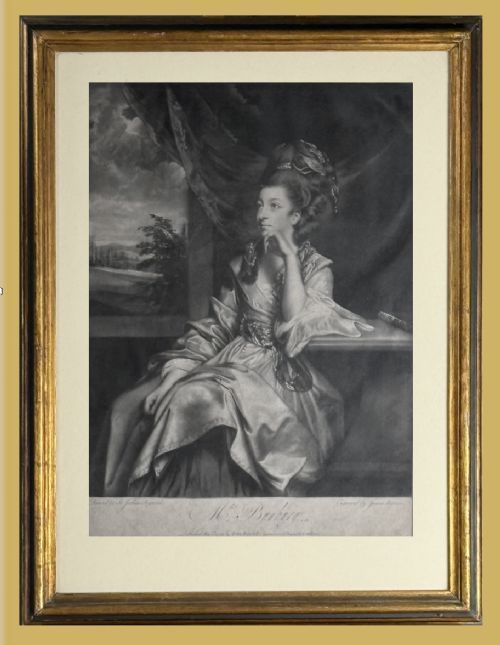
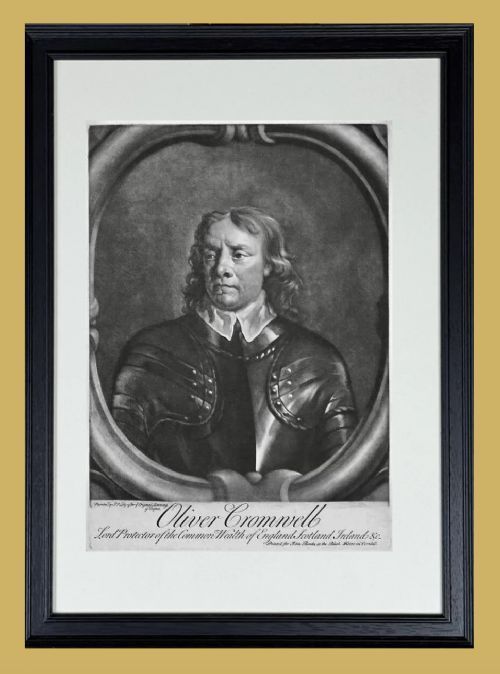
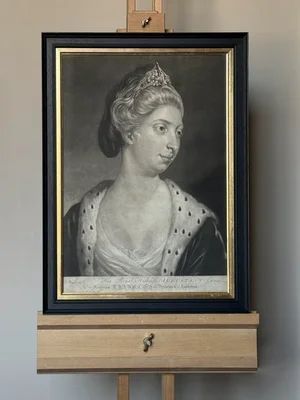
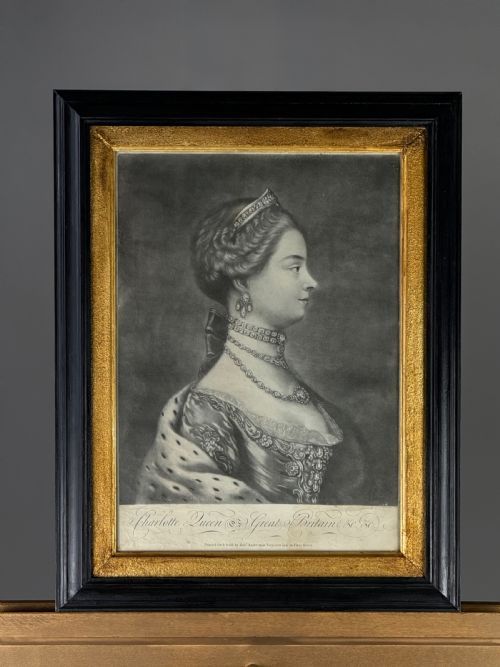
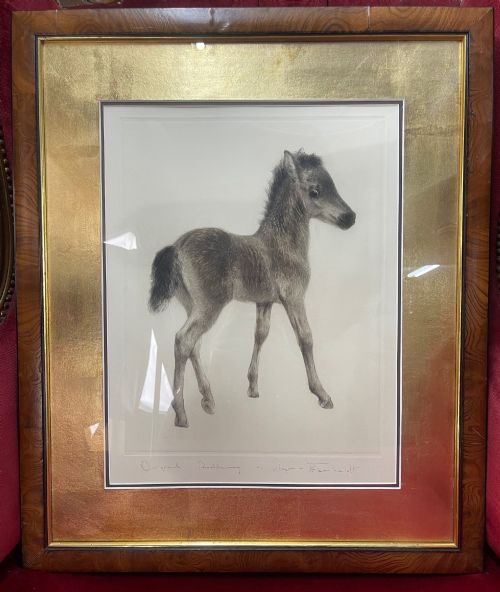
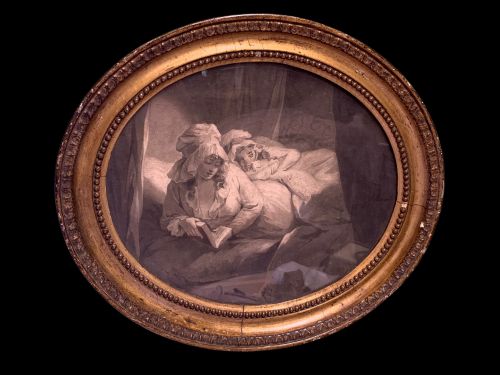
Vintage Portrait Engraving
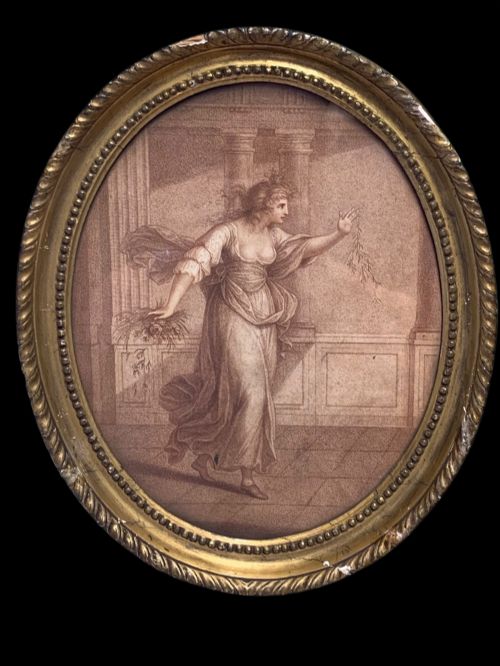
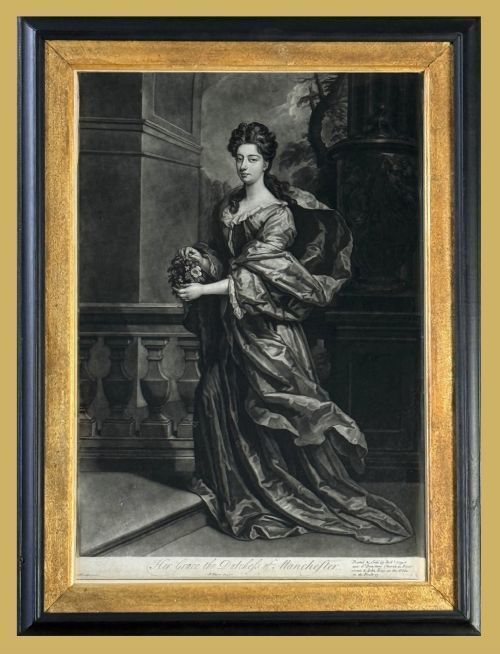
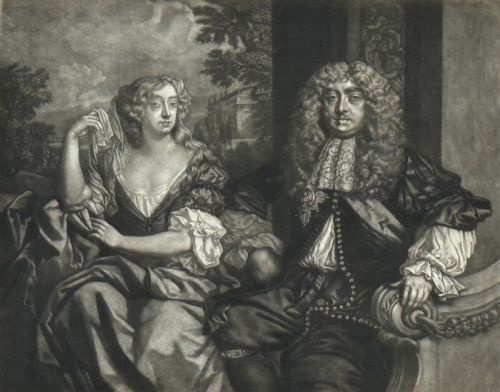
A vintage portrait engraving captures the likeness and status of historical figures through fine ink impressions on paper, framed to endure.
Vintage Portrait Engraving
A vintage portrait engraving is a printed work on paper depicting historical figures, nobility, or artists from earlier centuries. Collectors searching this phrase encounter works originating mainly from the 17th, 18th, and 19th centuries, alongside later early 20th-century revivals.
The format typically appears as framed wall art, utilising period timber frames, glass glazing, and occasionally gold leaf or giltwood accents. Subjects range from named statesmen and noblewomen to classical actors and literary figures.
Most examples rely on intaglio printmaking methods such as mezzotint, stipple, or drypoint. These techniques translate painted originals by master artists into detailed monochrome or hand-coloured prints.
How they were made
The production of these works relied on copper or metal plates prepared by hand, using burins, rocker tools, or acid baths to hold ink. Printers applied ink to the incised lines or textured surfaces before pressing the dampened paper through a heavy rolling press.
Materials combined simple elements of paper, ink, and wood for the surrounding frames, sometimes enhanced with gilt or gold leaf. The resulting impressions captured minute tonal gradations from original oil paintings by artists like Sir Joshua Reynolds or Sir Peter Lely.
The selection includes works after masters like Sir Joshua Reynolds alongside signed artist proofs by 20th-century engravers.
What varies in quality
Quality rests upon the crispness of the impression and the wear of the metal plate during printing. Early strikes yield deep, velvety blacks and sharp facial details, whereas later impressions lose definition in the shadows.
The skill of the engraver in translating brushwork into linear texture dictates the artistic success of the piece. Additionally, the survival of the original period frame and the condition of the paper add significantly to the standing of the work.
John Simon·Edward Fisher·John Boydell·John Smith·James Watson·John Bowles·Purcell·James McArdell·Kurt Meyer Eberhardt·John Faber Jr·Robert Williams·Sydney Wilson·Edward Stodart
The Vintage Portrait Engraving Glossary
- Mezzotint
- A printmaking process where the copper plate is roughened uniformly to produce rich dark tones and subtle graduations of light. This method was widely used for reproducing oil paintings of notable portraits.
- Drypoint
- An intaglio printmaking technique where an artist scratches directly into the metal plate with a sharp needle. This creates a distinctive raised ridge of metal called burr, which holds extra ink for a soft line.
- Stipple engraving
- A method of building up an image using small dots and dashes applied with etching needles and stippling punches. It was frequently employed to render flesh tones and soft fabrics with delicate realism.
- Artist proof
- An impression printed for the artist to examine before the main edition is produced. These carry particular weight among collectors due to their direct association with the creator.
- Giltwood
- Wood that has been coated with a thin layer of gold leaf or gilt paste. It is commonly found on the decorative frames housing period prints.
Vintage Portrait Engraving: Frequently Asked Questions
How do I identify a mezzotint?
A mezzotint displays rich, velvety dark backgrounds and smooth tonal transitions rather than explicit line work. It achieves this by printing from a plate roughened across its entire surface.
Examining the paper under magnification reveals a dense web of tiny ink dots rather than hatched lines or flat washes.
Are these prints original works?
These pieces are original historical prints pulled from metal plates engraved or scraped in the 17th, 18th, or 19th centuries. They frequently reproduce famous paintings by artists such as Sir Joshua Reynolds or Sir Peter Lely.
While the composition originates from a painting, the print itself is a distinct hand-pulled graphic work from the period stated.
How should I frame and display them?
Display these works away from direct sunlight to prevent the ink and paper from fading over time. Maintaining stable indoor humidity protects both the antique paper and its original wooden or gilt frame.
Using conservation-grade backing materials during any reframing ensures the paper does not degrade through acid contact.
What is an artist proof?
An artist proof is an early impression pulled to allow the creator to check the progress of the plate. These examples often show exceptional clarity and detail.
They are typically signed by the printmaker and hold a distinct place among collectors for their proximity to the working process.