
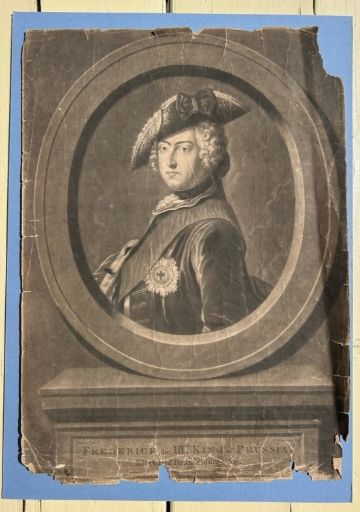


Georgian Military Prints
Georgian military prints capture commanding figures and historic campaigns on paper and reverse glass, offering a direct window into eighteenth and nineteenth-century service.
Georgian Military Prints
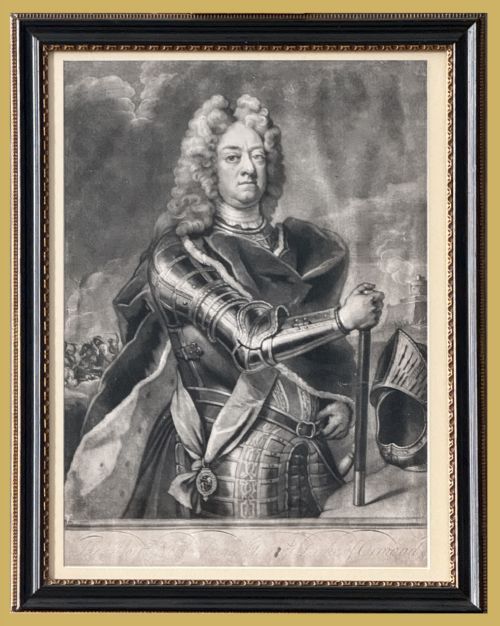
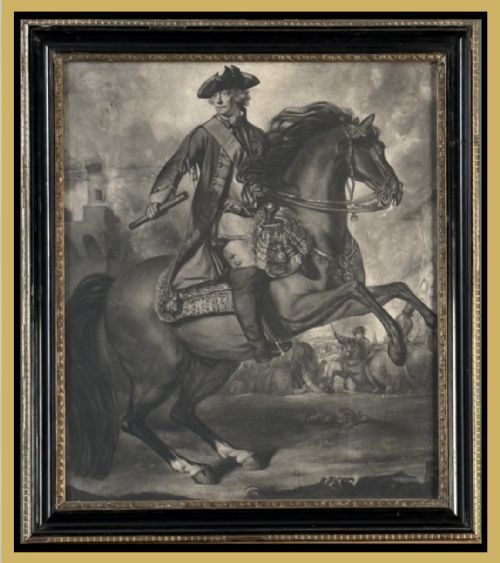
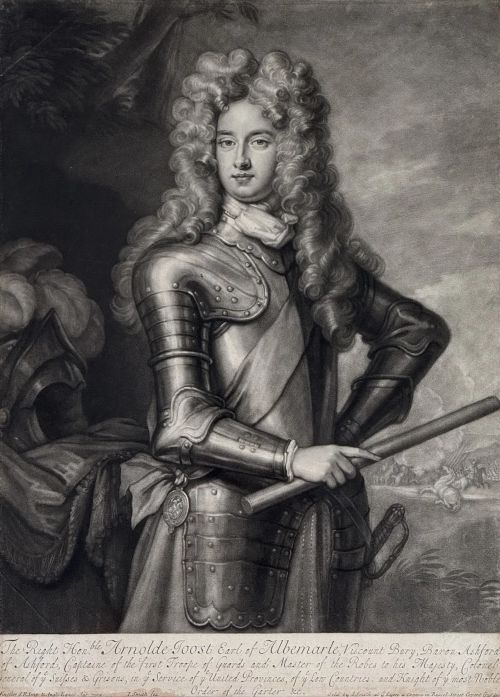
When you search for georgian military prints, you encounter framed works depicting notable commanders, naval officers, and regimental formations across the eighteenth and nineteenth centuries. These pieces encompass mezzotint engravings, watercolours, and reverse glass pictures.
The selection on this page relies heavily on eighteenth-century portraiture by master printmakers alongside nineteenth-century depictions of specific engagements like the Battle of Waterloo. Formats range from single framed prints to paired compositions detailing campaigns and tactical manoeuvres.
How they were made
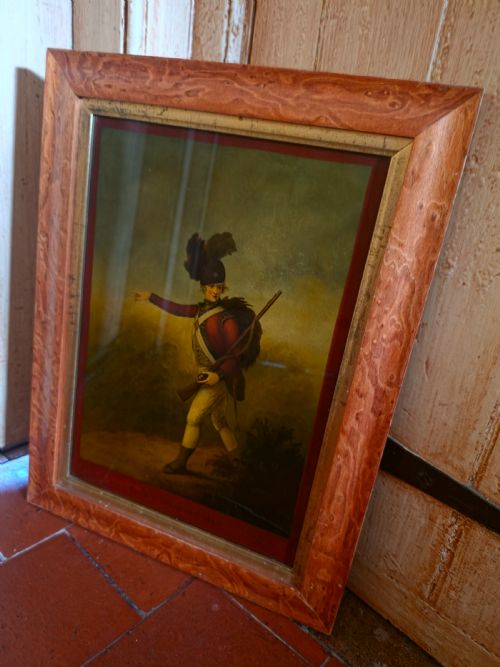
Reverse glass pictures involved painting directly onto the underside of glass panels, sealing the pigment beneath a glossy protective layer. Framing often utilised wood, maple, and gilt wood to complement the visual weight of the artwork.
Listings include paper, glass, wood, and gilt wood, spanning the 18th Century, Regency, and 19th Century periods.
What varies in quality
The preservation of the glass and the stability of the pigments determine the condition of reverse glass prints. Original frames in maple or gilt wood also influence the integrity of the piece.
John Simon·Michael Dahl·Edward Fisher·Sir Joshua Reynolds·John Smith·Sir Godfrey Kneller·Antoine Pesne·Richard Houston·Copley·H. Singleton
The Georgian Military Prints Glossary
- Mezzotint
- A printmaking process where the copper plate is roughened to produce dark tones and subtle gradations of light. This technique allowed printmakers to reproduce painted portraits with remarkable depth.
- Reverse glass print
- An artwork painted directly onto the back of a glass sheet and viewed from the front. The glossy surface gives the colours an intense luminosity.
- Engraving
- A method of cutting design lines directly into a metal plate using a sharp tool to hold ink. It produces crisp, enduring lines suited to detailed military formations.
- Pigment
- The finely ground coloured powder mixed with a binder to create the paint used in watercolours and reverse glass art. Its stability affects the longevity of the piece.
Georgian Military Prints: Frequently Asked Questions
What periods do georgian military prints cover?
The pieces span the eighteenth century, the Regency era, and the nineteenth century. They reflect styles from the Georgian period through to Victorian times.
Dates range from mid eighteenth-century engravings to nineteenth-century reverse glass pictures and silkwork pieces.
How were reverse glass pictures displayed?
These pieces were typically hung in domestic interiors within simple wooden or maple frames to protect the delicate painted surface behind the glass.
The reflective glass surface added a distinct sheen to portraits of officers and battle scenes on the wall.
What subjects appear in these prints?
Subjects include individual portraits of commanders and earls, alongside depictions of infantrymen, naval officers, and military formations. Battles like Waterloo also feature prominently.
Artists translated contemporary oil paintings into accessible formats for collectors and patriots alike.
How do mezzotints differ from standard engravings?
Mezzotints rely on textured plates that hold ink to create smooth tonal areas and shadows rather than pure lines. This gave portraits a softer, more painterly appearance.
Standard engravings used incised lines to define crisp edges and intricate details of military uniforms.