

Antique Colour Engravings
Antique colour engravings encompass printed plates finished with pigment, offering a window into historical natural history, portraiture and topography.
Antique Colour Engravings
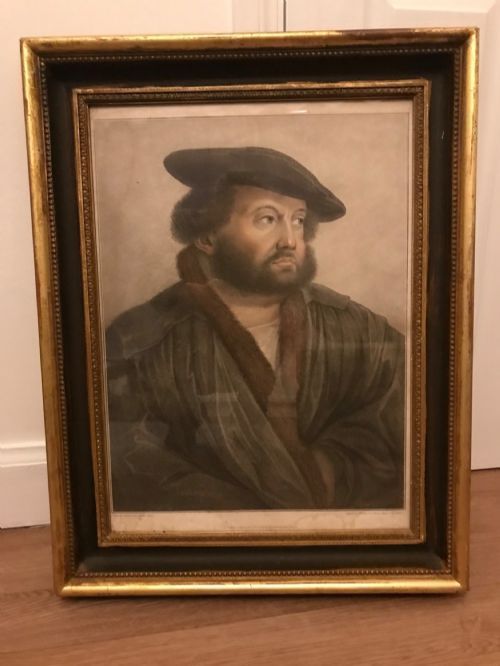
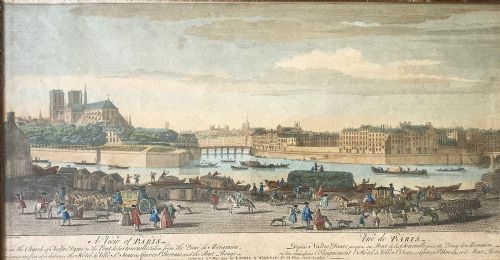
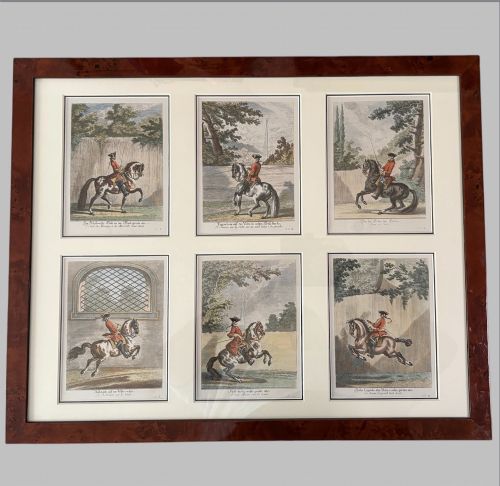
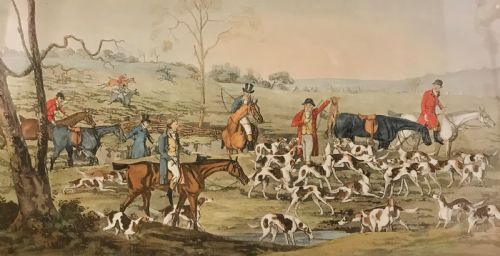
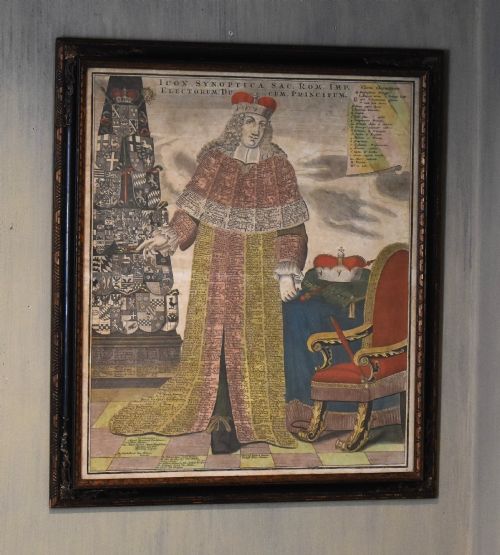
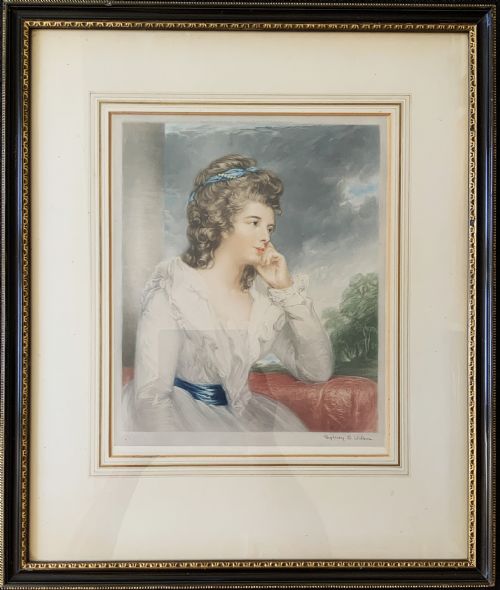
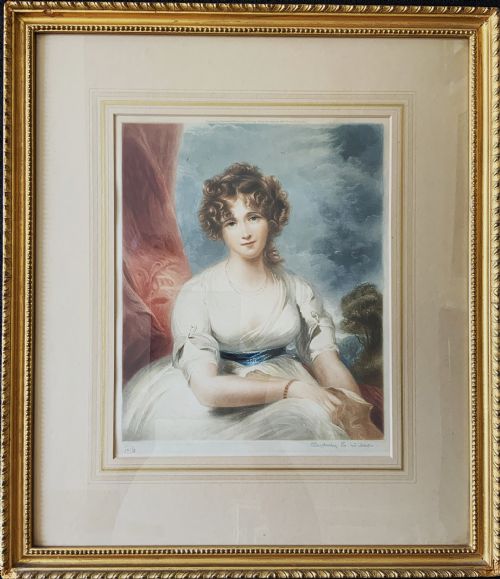
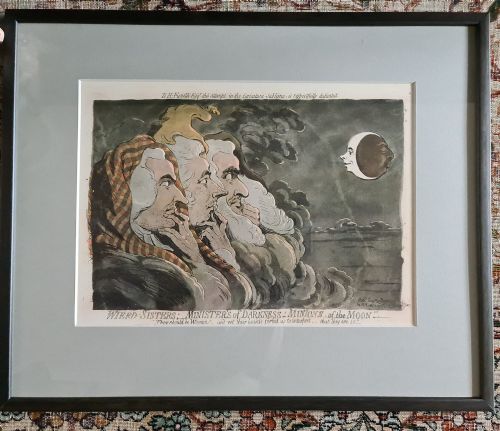
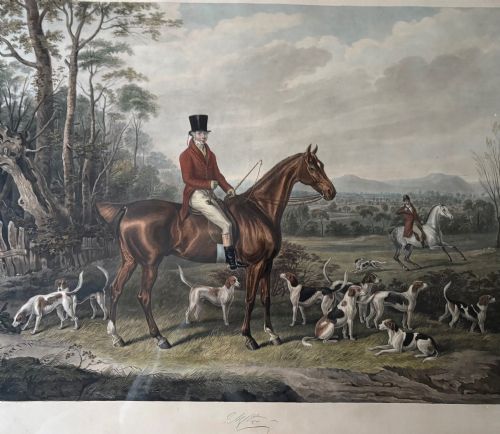
When you search for antique colour engravings, you are looking at printed plates enhanced by hand or machine applied pigments. These works span subjects from natural history and portraiture to cartography and architectural views.
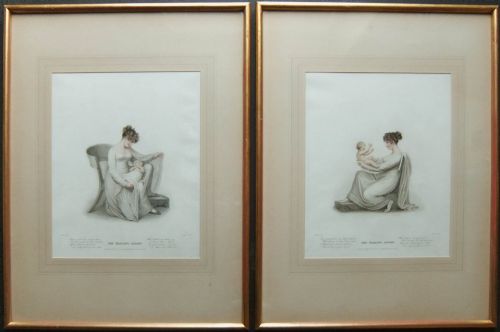
The most common examples on this page date from the eighteenth and nineteenth centuries, reflecting Georgian and Victorian publishing output. They appear singly, in pairs, or in matched sets derived from bound volumes and atlases.
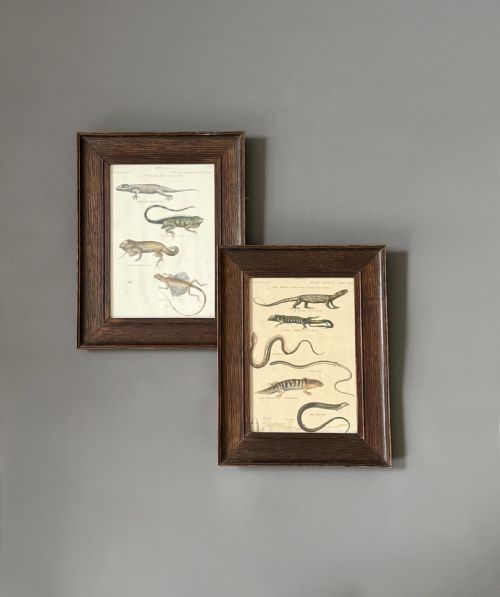
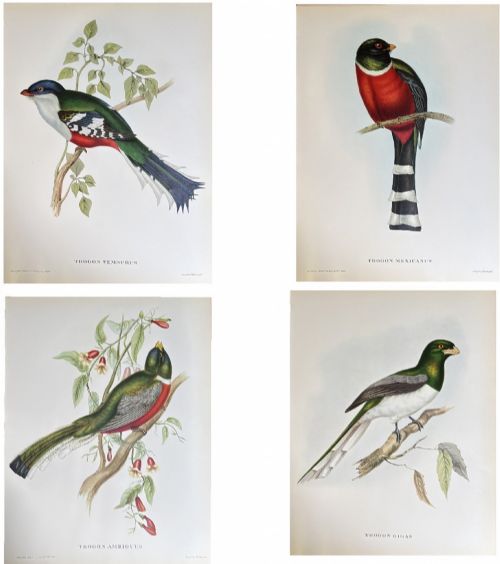
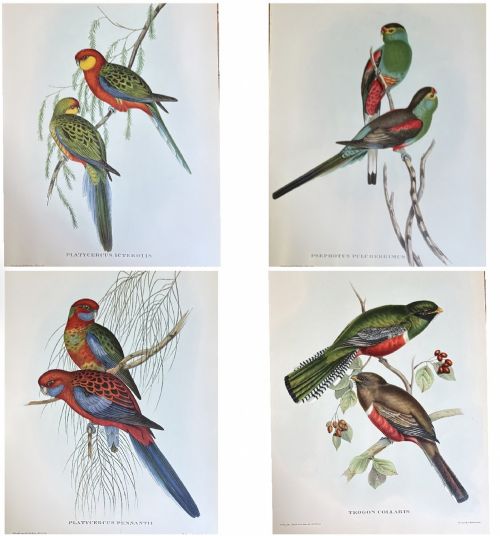
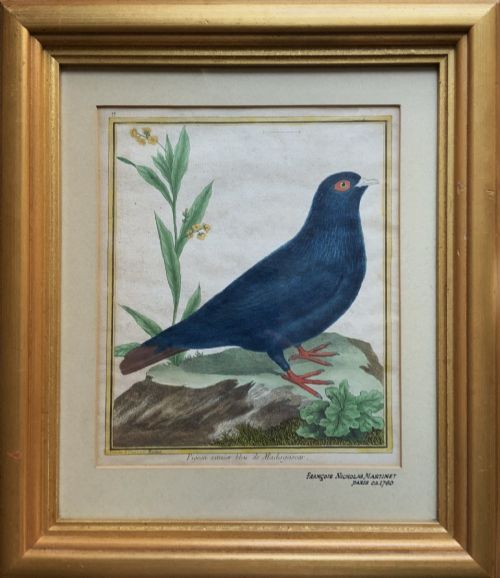
Subjects range from tropical birds and sea shells to county maps and theatrical scenes. Each piece records the intersection of printmaking technology and illustrative art from past eras.
Materials and production methods
The foundation of these works is paper, printed using engraved metal plates, woodblocks or lithographic stones with dark ink. Artisans then applied watercolour by hand to the printed outlines, utilising brushes to build subtle tones.
Frames commonly incorporate wood, gilt wood, and occasionally glass protection to preserve the delicate paper surfaces. Some nineteenth-century examples utilise early colour printing techniques alongside traditional hand tinting.
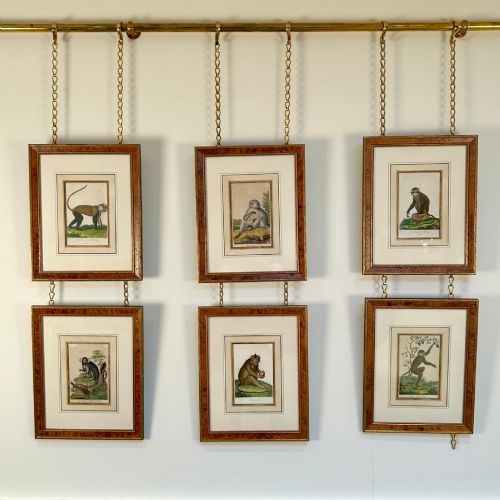
Among the creatures depicted by historical artists on these plates are earnest-looking monkeys, exotic parrots, and plunging hippopotami.
Judging quality in print plates
Quality rests upon the crispness of the underlying ink impression and the precision of the pigment application. Finer plates display sharp platemarks and controlled, vibrant washes that do not obscure the engraved lines.
Condition of the paper and the fidelity of the secondary colouring separate standard plates from superior examples. Original framing materials and well-preserved margins also contribute to the standing of a piece.
Francesco Bartolozzi·Robert Morden·Johannes Janssonius·Braun and Hogenberg·Sydney Wilson
The Antique Colour Engravings Glossary
- Platemark
- The indent left in the paper by the edge of the metal printing plate under the press. This feature confirms the intaglio nature of an engraving.
- Stipple engraving
- A technique using dots rather than lines to form the image, often yielding soft facial tones in portraits. Artisans built shadows through varying the density of these dots.
- Mezzotint
- A printmaking method where the copper plate is roughened to achieve rich dark tones and smooth gradients. It gained popularity for dramatic portrait reproductions.
- Cartography
- The study and practice of making maps, frequently represented here by engraved county and regional plates. These often feature decorative cartouches and contemporary hand colouring.
- Hand colouring
- The application of watercolour or pigment to a monochrome print after the printing process. This adds life and context to botanical, zoological, and topographical subjects.
Antique Colour Engravings: Frequently Asked Questions
How are antique colour engravings dated?
Dating relies on paper characteristics, publishing inscriptions, plate styles, and historical costume or cartographic details. Reference books and known publishing dates for specific series provide further confirmation.
Printers often included publication dates directly beneath the image. Comparing these markers with known working periods of the engraver narrows the timeline.
Are these prints hand painted?
Most antique colour engravings feature watercolour applied by hand over a monochrome printed base. Specialist colourists worked in workshops to tint editions uniformly.
Under magnification, the brushstrokes and pooling of pigment become visible. This distinguishes genuine hand application from later mechanical colour printing.
What is the difference between an etching and an engraving?
Engravings involve cutting lines directly into a metal plate using a sharp tool called a burin. This creates crisp, clean lines with distinct ends.
Etchings use acid to bite the lines into the metal through a protective ground. This process produces freer, more varied line work with slightly rounded edges.