


Regency Period Art Prints
These regency period art prints bring authentic early nineteenth-century charm to your walls through hand-coloured engravings, delicate watercolours, and period frames.
Regency Period Art Prints
When you search for regency period art prints, you are looking at wall art, framed prints, and engravings dating primarily from the Regency era alongside related Georgian pieces. The selection includes individual watercolours, pairs of stipple engravings, and framed series depicting domestic scenes, portraits, and caricatures.
You are most likely to meet hand-tinted prints and framed engravings on this page, often preserved behind glass within wooden or giltwood frames. These works capture the domestic and social life of the early nineteenth century through the hands of period artists and engravers.
Materials and production methods
The works rely upon paper supports carrying watercolour pigment or engraved ink lines, frequently enhanced by hand-colouring or tinting after printing. These images utilise techniques such as stipple engraving and mezzotint to achieve tonal depth and fine detail.
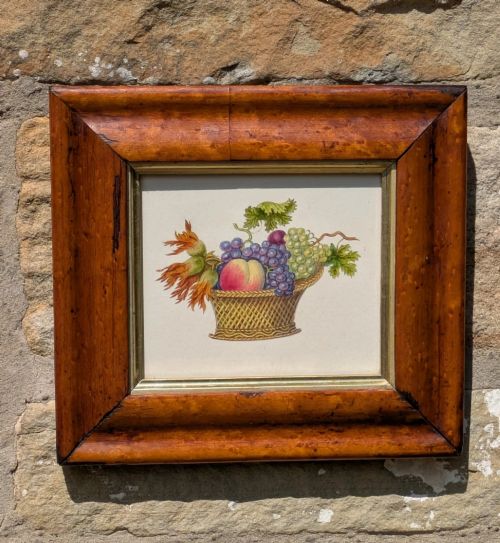
Framing materials recorded in the evidence include wood, gilt wood, giltwood, and maple veneer, protecting the paper surfaces beneath glass and plaster mounts. Such frames complete the presentation of the art while safeguarding fragile paper from environmental damage.
Listings span periods from the eighteenth century through the Regency era and into the nineteenth century, utilising paper, glass, wood, and watercolour.
Assessing quality in early prints
Quality rests upon the crispness of the plate impression and the skill applied to the hand-colouring. Finer examples display meticulous brushwork that respects the underlying engraved lines rather than obscuring them.
The character of the framing contributes significantly to the overall merit of the piece. Period frames utilising giltwood, maple veneer, or traditional Hogarth moulding elevate the presentation compared to later replacements.
George Romney·Adam Buck·H. Singleton·Henry Corbould·Henry William Bunbury
The Regency Period Art Prints Glossary
- Stipple engraving
- A method of printing that uses dots of varying density to create tonal shades and lifelike flesh textures. This technique was highly fashionable during the Regency period for translating delicate watercolours into print.
- Mezzotint
- A tonal printmaking process where the copper plate is roughened to produce rich dark areas and subtle gradations of light. It allows for atmospheric depictions of figures and domestic narratives.
- Hand-coloured
- A finished print that has received pigment by hand after the mechanical printing process. This adds individual character and vibrant colour to botanical, portrait, and genre subjects.
- Hogarth frame
- A narrow, dark wooden frame often featuring a subtle inner gilt slip, popular during the eighteenth and nineteenth centuries. It provides a classic, understated border for works on paper.
Regency Period Art Prints: Frequently Asked Questions
What subjects do these prints show?
The subjects range from domestic family scenes and children with birds to historical portraits and satirical caricatures. Works often depict moral narratives or social pastimes characteristic of the Regency and Georgian eras.
Pairs and series are common, capturing sequential moments such as departures and homecomings or musical performances.
How should I hang them?
Hang these framed paper works out of direct sunlight to prevent the watercolour pigments and tinted inks from fading over time. Maintaining stable indoor humidity protects both the antique paper and the wooden or giltwood frames.
Consider grouping pairs or matching series together on a wall to replicate how such art was displayed in period interiors.
Are the frames original?
Many listings feature period framing materials such as giltwood, maple veneer, or traditional Hogarth mouldings that complement the age of the prints. Examining the construction of the frame helps determine its relationship to the artwork.
Original or period-appropriate frames significantly enhance the historical integrity and visual appeal of the mounted print.
How do I identify the period?
Identification relies upon the style of the engraving, the printing technique, and specific artist signatures or publication dates recorded in the plate margins. The aesthetic reflects the neoclassical tastes of the Regency and Georgian periods.
Supporting evidence such as dated inscriptions or framing styles assists in narrowing the production era between the eighteenth and nineteenth centuries.