


Monochrome Equestrian Art
Monochrome equestrian art brings together horses, riders and hounds in ink, graphite and paper across centuries of printmaking and drawing.
Monochrome Equestrian Art
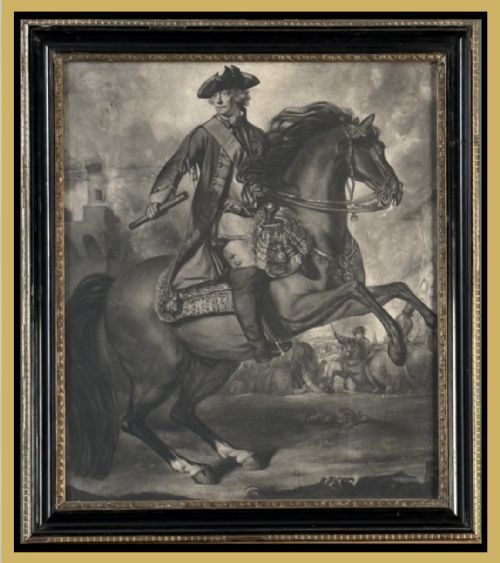
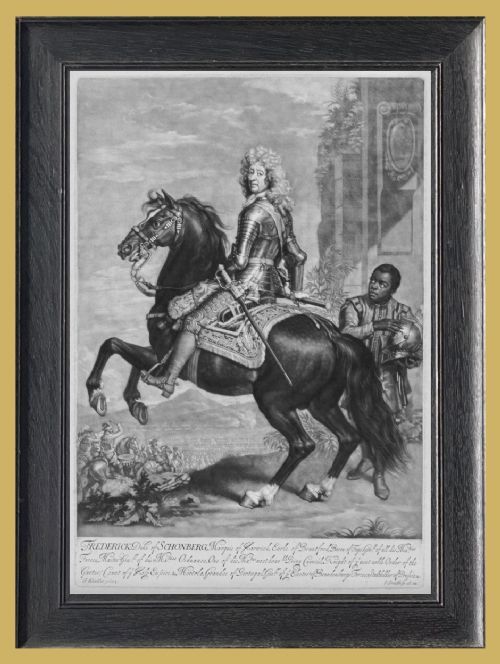
Monochrome equestrian art comprises framed prints, engravings, etchings and drawings focusing on horses and hunting scenes without colour. Buyers searching for monochrome equestrian art encounter works spanning the seventeenth century through to the early twentieth century.
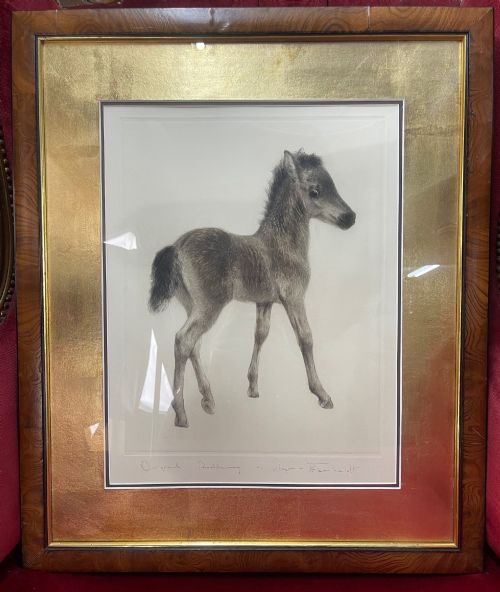
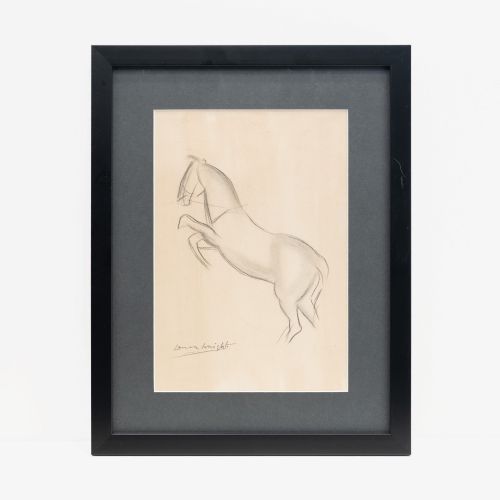
The selections include mezzotints, drypoints, watercolours and brass rubbings created across Georgian, Victorian and Edwardian periods. Pieces range from detailed portraits of historical figures with their mounts to dynamic battle scenes and hunt gatherings.
How they were made
Works utilise paper and glass housed within wood and giltwood frames, sometimes incorporating gold leaf accents. Artists apply ink and graphite using techniques such as etching, engraving, drypoint and pen and ink drawing.
Printmakers employ copper plates for mezzotints and engravings, while draughtsmen work directly onto paper with monochrome watercolour, ink or pencil. Rubbings capture relief details from metalwork onto paper surfaces.
A massive twentieth-century brass rubbing preserves the likeness of a Tang horse.
What varies in quality
Quality depends upon the clarity of the line and the depth of the ink impression transferred to the paper. Finer prints show crisp detail in the musculature of the horses and the expressions of the riders.
The skill of the draughtsman or printmaker dictates the liveliness of the composition, particularly in dynamic subjects like hunt scenes and battle charges. Frame construction and the condition of the paper surface also influence the overall character of the piece.
Edward Fisher·Sir Joshua Reynolds·John Smith·Sir Godfrey Kneller·Kurt MeyerEberhardt·Dame Laura Knight·Herbert Dicksee·William J Hodgson
The Monochrome Equestrian Art Glossary
- Drypoint
- A printmaking process where an artist scratches an image directly onto a metal plate with a sharp needle. This technique creates a distinctive velvety line known as burr.
- Mezzotint
- A tonal printmaking method where the copper plate is roughened evenly and then scraped to produce areas of light and shade. It allows for subtle gradations of tone in portraiture.
- Etching
- A technique where acid bites into lines drawn through a protective ground on a metal plate. The resulting grooves hold ink for printing onto paper.
- Brass rubbing
- An impression taken by placing paper over a brass plaque or relief and rubbing over it with pigment. This method records historical designs onto a portable surface.
Monochrome Equestrian Art: Frequently Asked Questions
What periods do these pieces come from?
The works span multiple centuries, ranging from seventeenth-century mezzotints to early twentieth-century drypoints and drawings.
Victorian and eighteenth-century examples feature prominently alongside earlier Baroque and Georgian items.
How should I frame and display them?
Most pieces arrive within wood, gilt or giltwood frames, often protected behind glass to preserve the paper.
Keep them away from direct sunlight to prevent fading of the ink, graphite and watercolour mediums over time.
What subjects are depicted in these works?
Subjects include portraits of historical figures with horses, hunt gatherings at country estates, battle scenes and landscapes.
Artists also capture specific moments such as the morning of the chase or horses in motion.
How do etchings differ from engravings?
Etchings rely on acid to bite lines into a metal plate, producing softer and more expressive marks.
Engravings involve cutting directly into the metal with a burin, creating precise and sharp lines.