


Georgian Wall Art Portrait
A georgian wall art portrait brings centuries of character into a room through oil paintings, mezzotints, and delicate engravings.
Georgian Wall Art Portrait
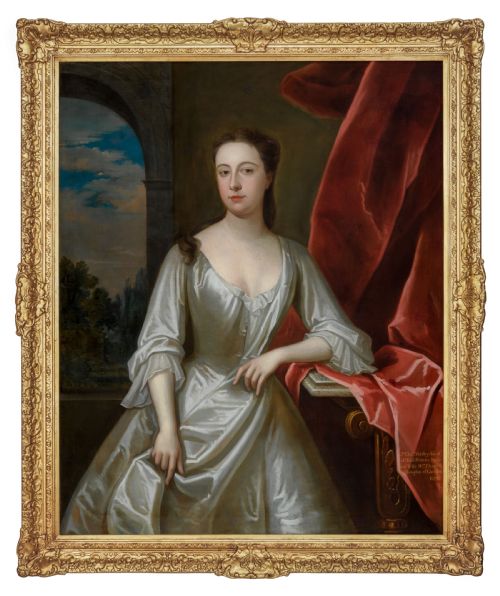
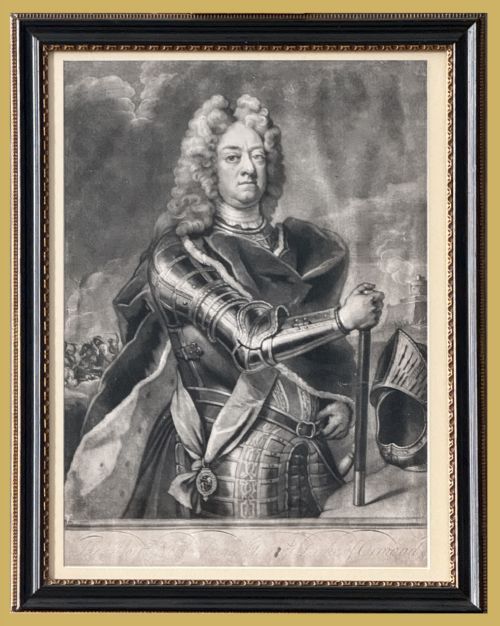
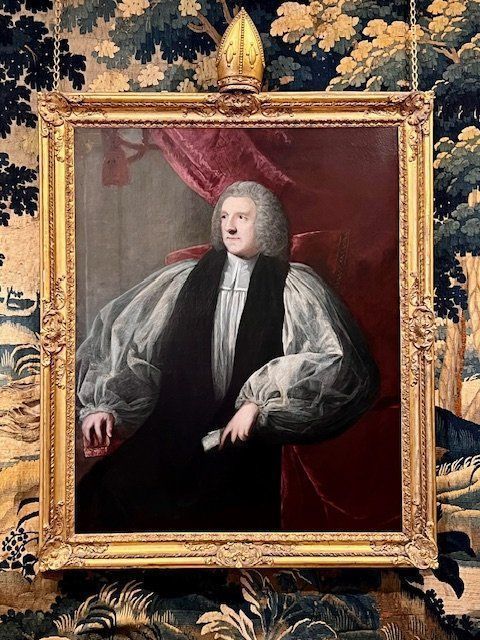
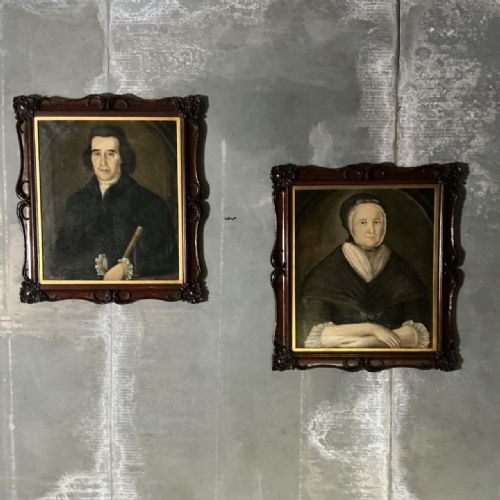
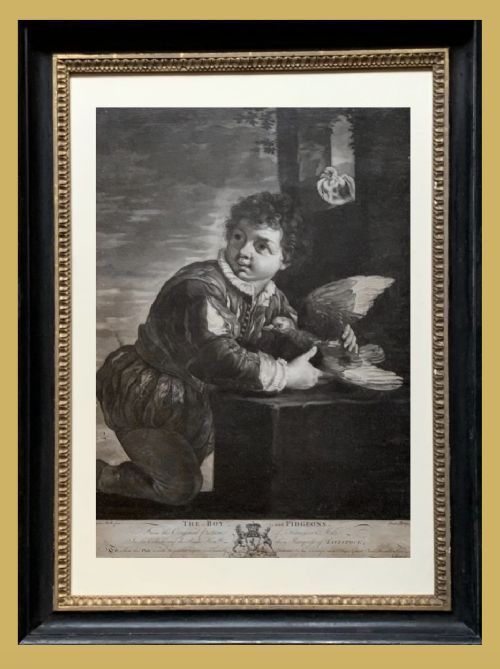
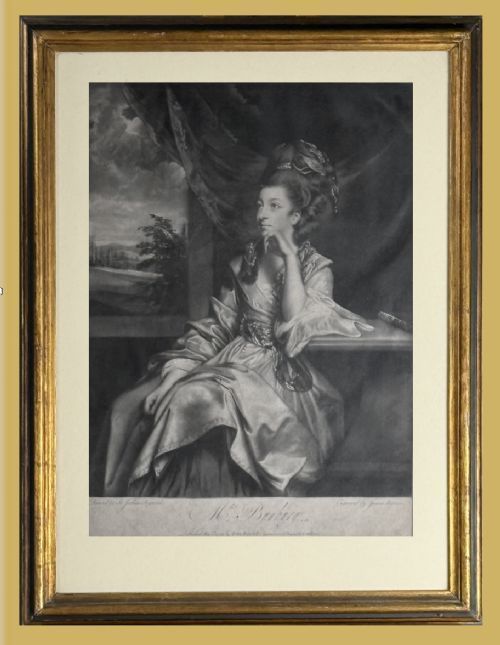
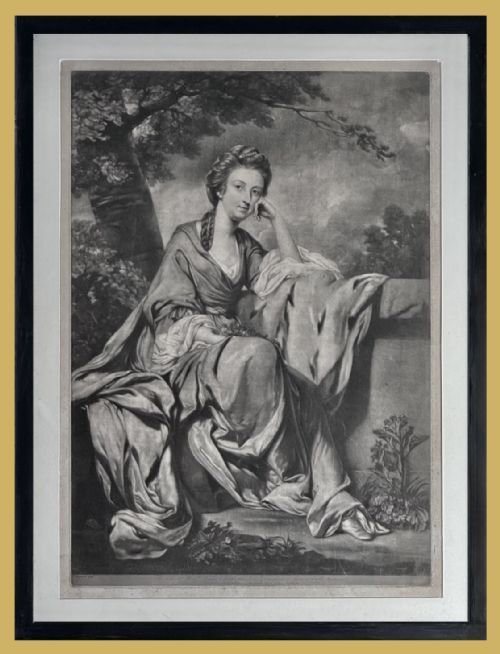
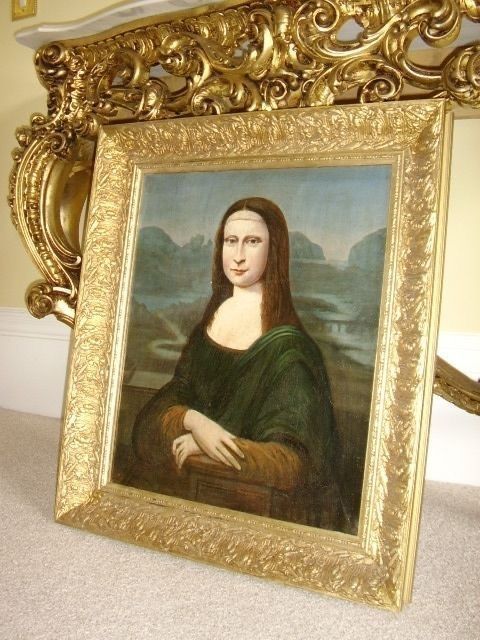
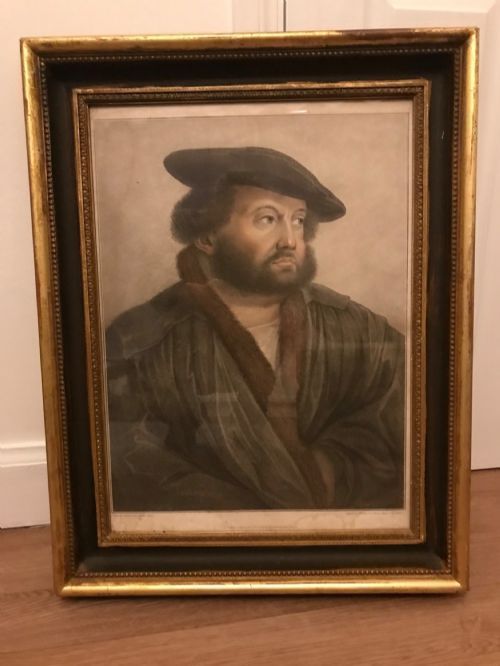
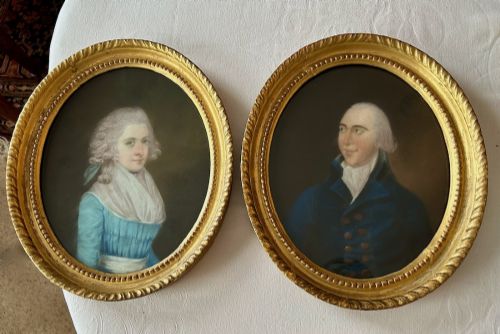
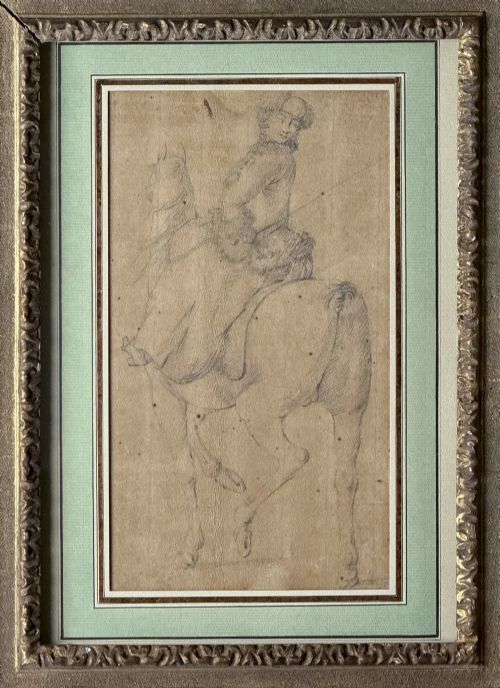
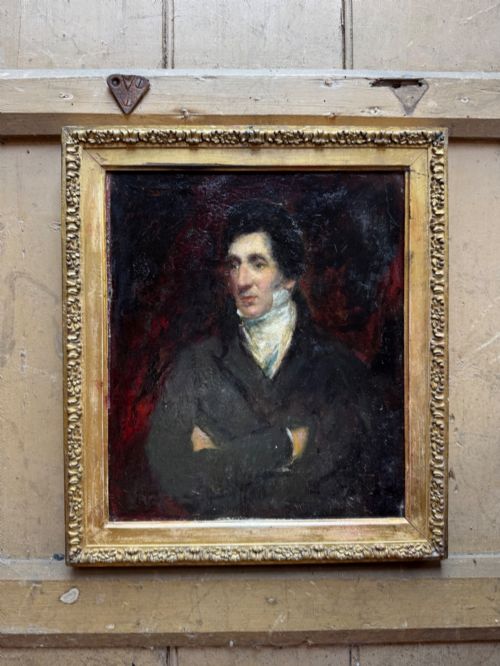
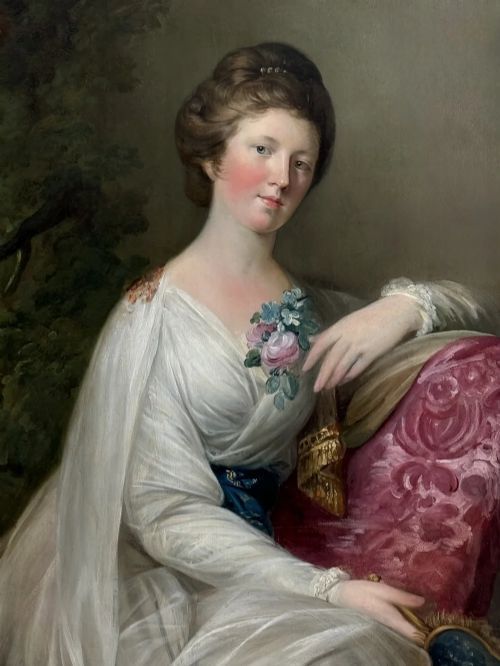
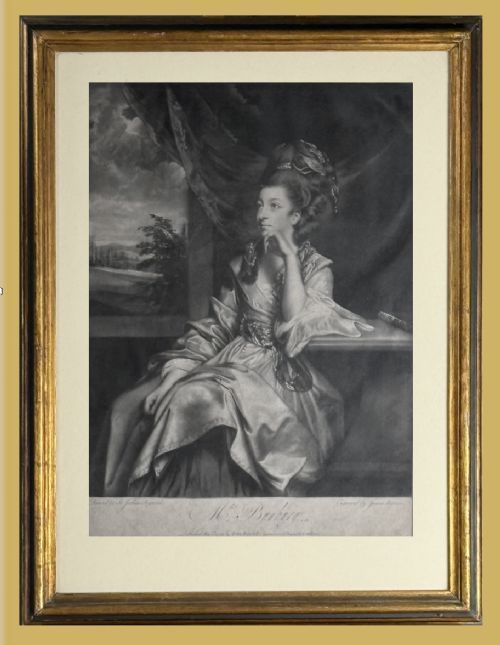
A georgian wall art portrait captures figures from the seventeenth, eighteenth, and nineteenth centuries in oils, pastels, and prints. The selection relies heavily on oil paintings and mezzotints depicting notable subjects, military officers, and aristocratic ladies. Pieces range from grand canvas works attributed to known circles to smaller framed prints produced through stipple engraving.
Many items reflect British portraiture traditions spanning Baroque styles through to Regency aesthetics. Collectors encounter both original oil on panel pieces and reproductive prints created by prominent engravers after masters like Sir Joshua Reynolds. These works frequently arrive framed in period materials such as giltwood and gold leaf.
Factors of Quality
Quality rests upon the skill of the artist or engraver in capturing anatomical proportion, psychological depth, and textural detail in garments. Works by accomplished painters or master printmakers demonstrate superior handling of light, shadow, and ink density.
Condition and originality dictate value within the upper tier, including the preservation of the original paint surface or the clarity of the early impression on paper. The integrity of the surrounding period frame also contributes significantly to the piece.
Listings feature works spanning the seventeenth century through to the Regency era, incorporating oil on canvas, paper, glass, and giltwood.
Sir Joshua Reynolds·Michael Dahl·James Watson·Francesco Bartolozzi·Joseph Clover
The Georgian Wall Art Portrait Glossary
- Mezzotint
- A printmaking process where the copper plate is roughened to achieve rich dark tones and subtle gradations of light. This technique was widely utilised for reproducing oil portraits during the eighteenth century.
- Stipple Engraving
- A method of creating prints using dots of various sizes and depths rather than continuous lines. It produced soft tonal effects favoured for romantic and classical subjects.
- Giltwood
- Timber carved and coated with a thin layer of gold leaf or metallic powder. It provides ornamental framing for paintings and mirrors from the period.
- Oil on Canvas
- Pigments bound in a drying oil applied directly to a stretched fabric support. This medium defined fine art portraiture across the centuries.
Georgian Wall Art Portrait: Frequently Asked Questions
How do I identify a period frame?
Period frames often feature hand-carved wooden ornament finished with genuine gold leaf or giltwood rather than modern resin compounds. Examining the corners and the backboards provides further clues regarding age and construction methods.
Original fixings and older glass panes frequently accompany authentic Georgian and Regency framing. Conservators look for signs of historical shrinkage and stable oxidisation within the gilt surfaces.
Are mezzotints original works of art?
Mezzotints are considered original fine art prints rather than mechanical reproductions, created by skilled engravers working directly onto copper plates. Contemporary printmakers pulled impressions by hand, making early states particularly desirable.
Artists frequently used this medium to replicate famous oil paintings for a wider audience. The resulting sheets carry distinct plate marks and rich ink textures unique to the process.
How should I care for an oil portrait?
Oil paintings require stable indoor humidity and shelter from direct sunlight to prevent canvas tension issues and pigment fading. Dusting should occur gently with a dry, soft brush without applying moisture or cleaning solutions.
Professional conservators handle structural repairs, varnish cleaning, and canvas relining. Avoiding extreme temperature fluctuations protects both the painted surface and the wooden stretcher bars.
What is the difference between an oil and a print?
An oil painting is a unique, hand-painted creation on canvas or panel featuring textured brushstrokes and layered pigments. Prints are multiple impressions transferred from an engraved plate onto paper using ink.
Paintings offer direct contact with the artist's hand through impasto and blending techniques. Prints rely on line work, stippling, or tonal scraping to convey form and shadow.