


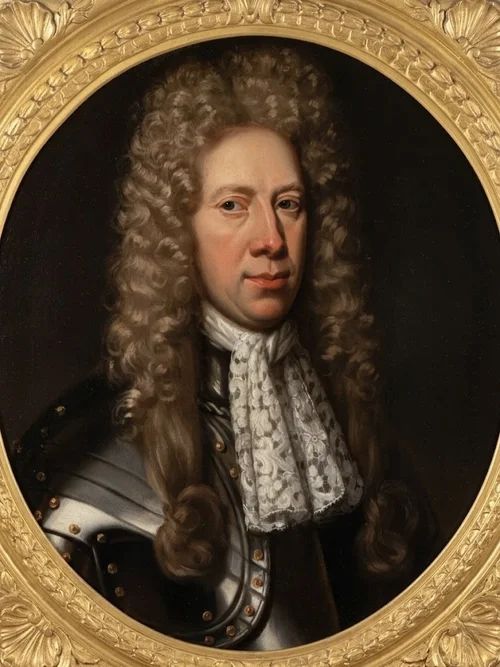
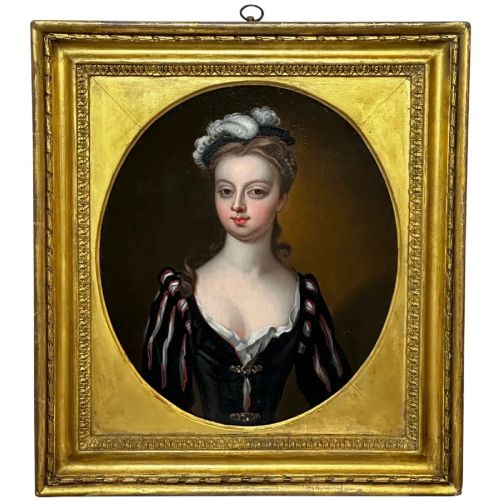
Oval Portrait Oil Painting
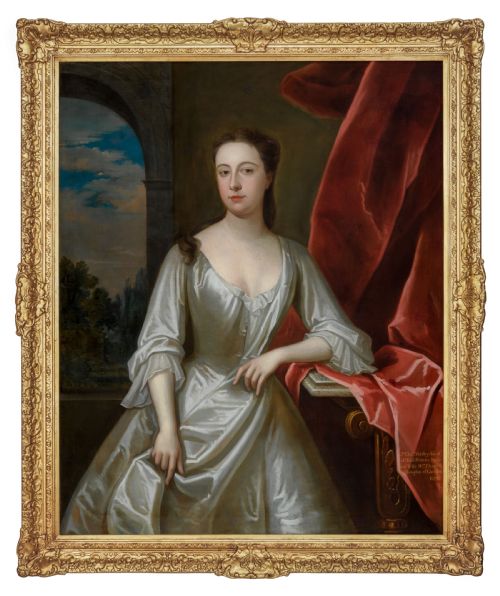
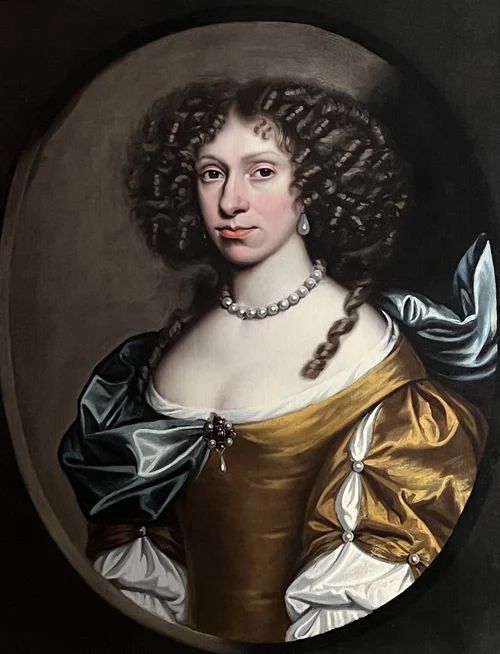
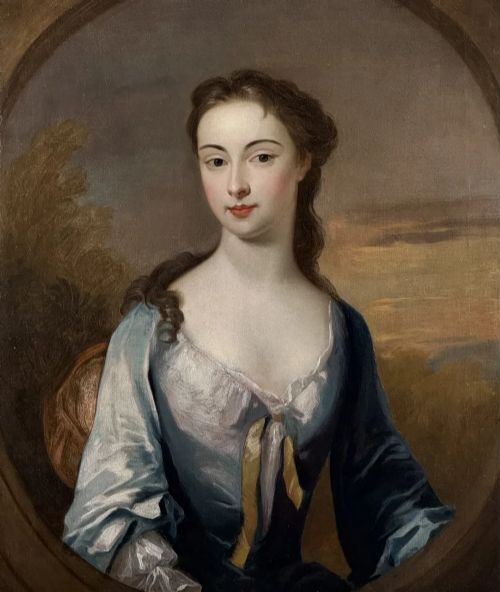
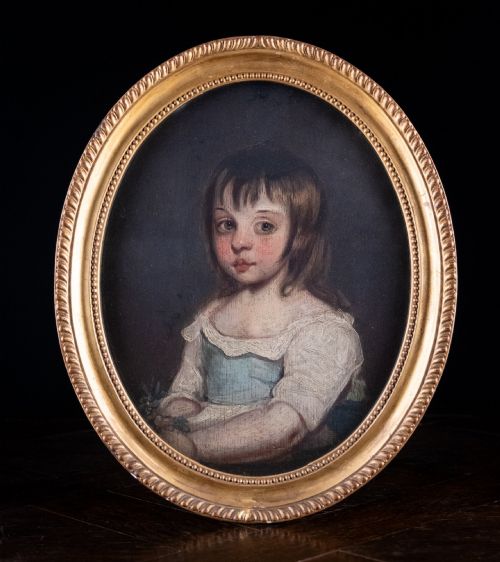
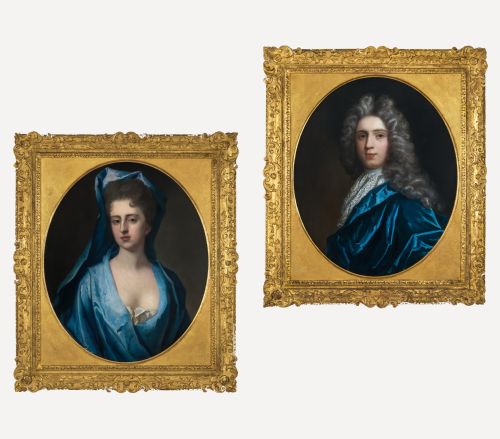
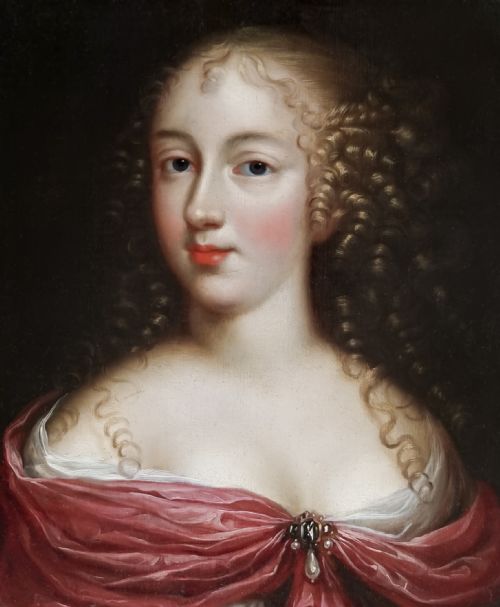
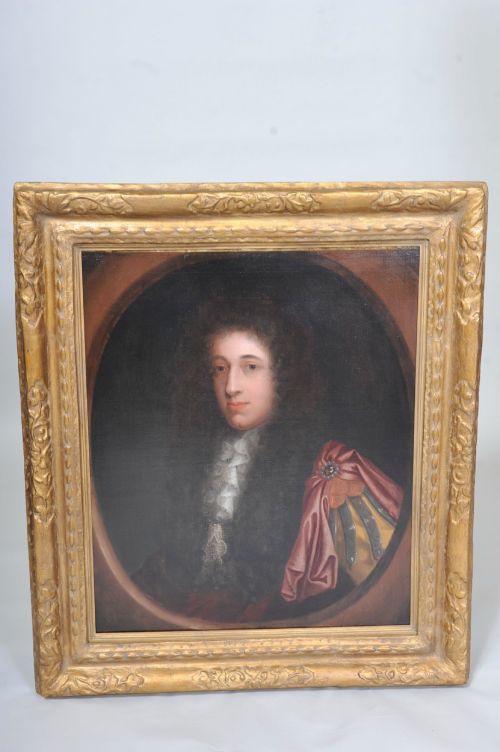
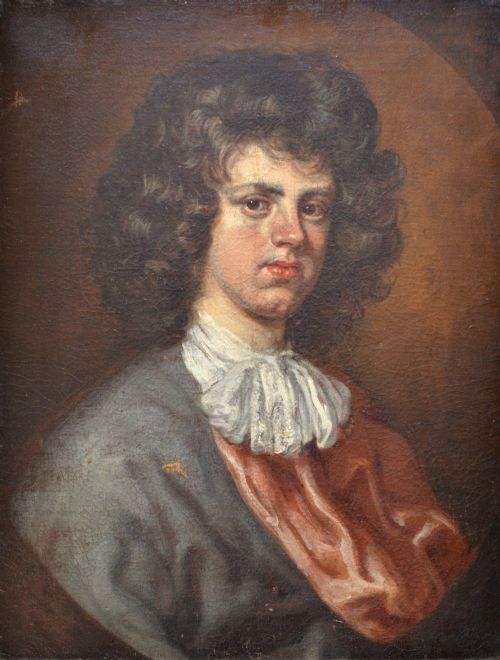
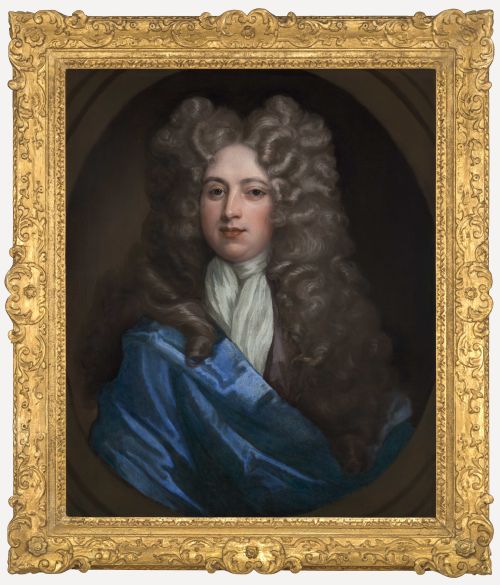
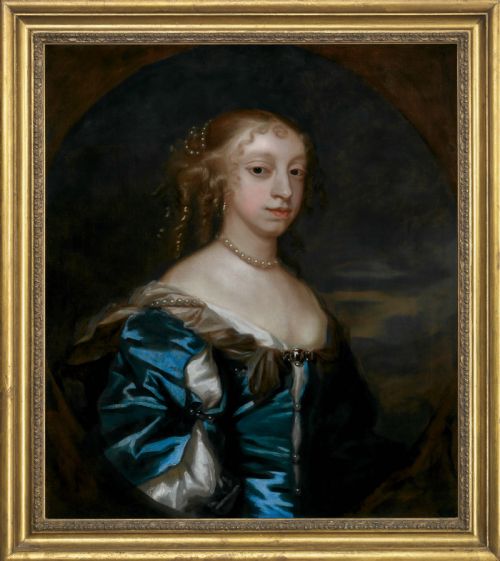
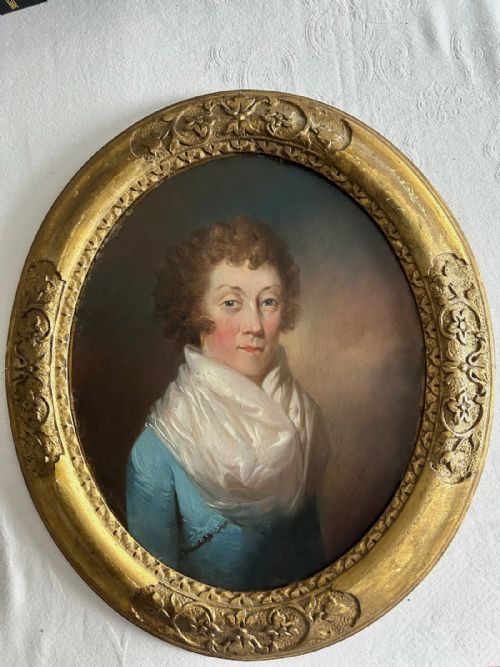
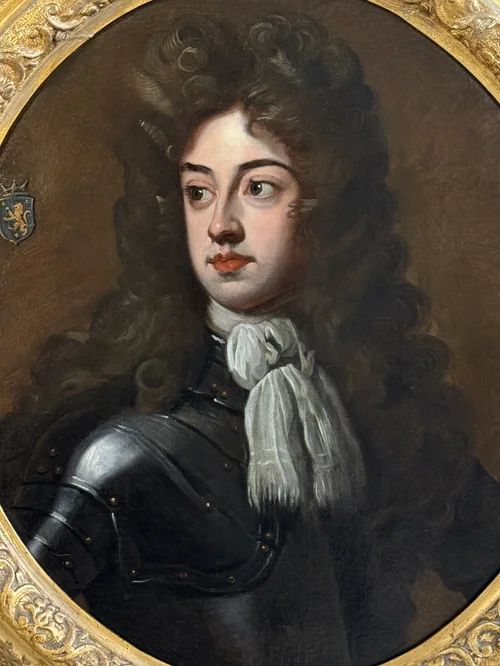
An oval portrait oil painting brings centuries of character into a room, capturing faces from the sixteenth to the nineteenth century within distinctive curved borders.
Oval Portrait Oil Painting
An oval portrait oil painting concentrates the viewer's attention onto the subject's face and shoulders by eliminating square corners and framing the sitter within a curved perimeter.
The selections span from sixteenth-century Renaissance depictions through seventeenth-century Jacobean and Baroque works to eighteenth-century Georgian and nineteenth-century academic examples.
Subjects range from named nobility and gentry to anonymous gentlemen, ladies, children, and country girls, often rendered by regional or continental schools.
Materials and Construction
Artists painted these works using oil paint applied to canvas, wood panels, copper, or board substrates.
Many works retain their original or period giltwood and gold leaf frames, shaped specifically to house the curved canvas or panel.
Substrates recorded across the collection include canvas, wood panels, copper, and board.
Assessing the Workmanship
Quality rests in the precision of the brushwork, the depth achieved in skin tones and drapery, and the psychological presence of the sitter.
Works attributed to notable portraitists or well-documented studio circles exhibit superior anatomical accuracy and pigment preservation compared to simpler provincial school pieces.
Sir Godfrey Kneller·David Scougall·Charles Jervas·Michael Dahl·Thomas Murray·Pierre Mignard·Mary Beale·John Scougall·John Vanderbank·Thomas Beach·Van Dyck·Allan Ramsay·Pieter Borseler·Joseph Vivienne·Cornelius Johnson·Jeremiah Davison·Arthur Percy Dixon·Thomas Lawrence
The Oval Portrait Oil Painting Glossary
- Oil on Canvas
- Pigments suspended in a drying oil medium applied to a stretched woven fabric support. This combination allowed artists to blend tones smoothly and build rich layers of colour.
- Giltwood
- Carved wood treated with gold leaf or metallic powder to create a reflective golden surface. These frames complement the warm tones of older portraits.
- Jacobean
- The style of art and design prevalent during the reign of James I in the early seventeenth century. Works from this period display distinct linear precision and formal attire.
- Baroque
- The artistic style spanning the seventeenth and early eighteenth centuries characterised by drama, rich colour, and deep shadow. Portraits in this manner often feature dynamic drapery and intense lighting.
- Panel Painting
- An artwork executed on a flat piece of wood rather than fabric. These sturdy supports were common in earlier centuries before canvas became the dominant medium.
Oval Portrait Oil Painting: Frequently Asked Questions
How do I hang an oval portrait?
These works require secure wall fixings suited to the weight of the timber frame and canvas. Hang the piece at eye level where adequate lighting can illuminate the varnished surface.
Keep paintings away from direct sunlight and heat sources to prevent the oil paint and wood panel from cracking over time.
Why were these portraits painted in an oval format?
The curved shape softens the composition, drawing the observer's gaze naturally toward the centre of the subject's face. It was a deliberate aesthetic choice popular across the Georgian and Victorian eras.
Makers often paired this framing technique with decorative giltwood surrounds to accentuate the intimacy of bust and shoulder depictions.
How can I tell the period of the painting?
Examine the clothing, hairstyle, and collar style of the sitter, as these elements reflect the fashion of the era. Periwigs point toward the late seventeenth century, while lace ruffs suggest earlier Jacobean dates.
The backing materials, stretcher construction, and style of the gilt frame also offer clues to the age of the piece.
What is the difference between canvas and panel works?
Canvas works utilise a stretched textile support that yields slightly to the touch and accommodates larger compositions. Panel works use solid wood supports that offer a rigid surface, more commonly seen in sixteenth and seventeenth-century examples.
Both methods display distinct craquelure patterns as the oil paint ages, helping experts verify the historical integrity of the piece.