

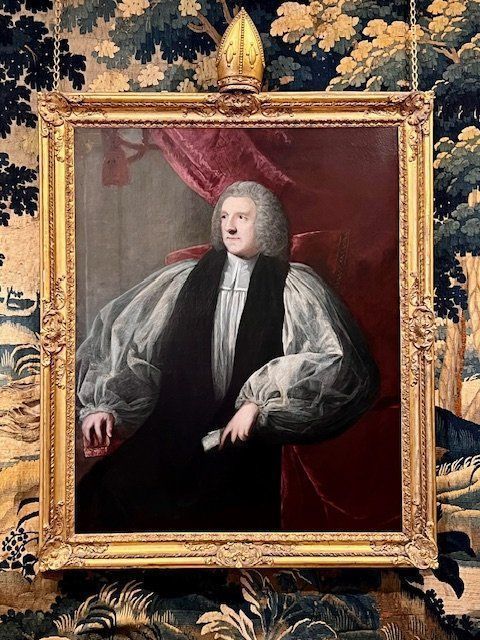
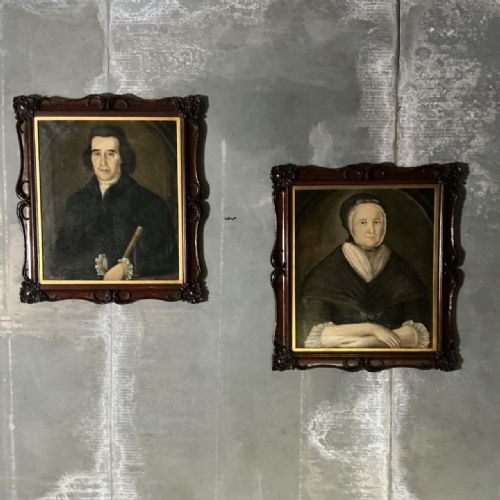
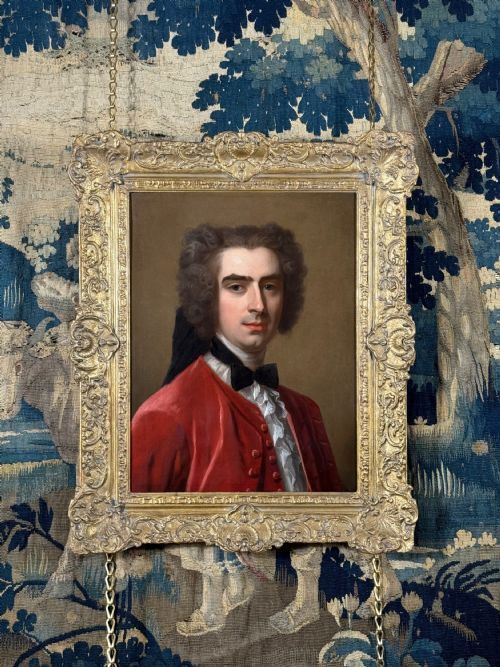
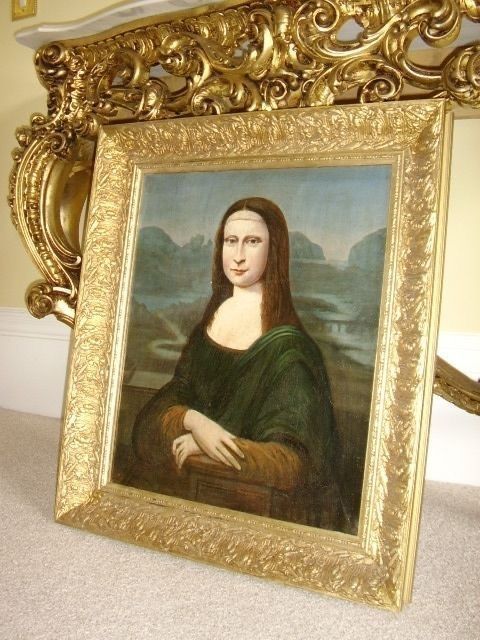

Framed Georgian Oil Painting
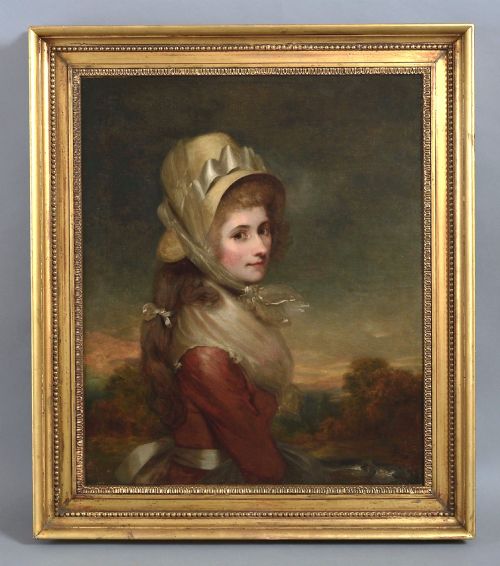
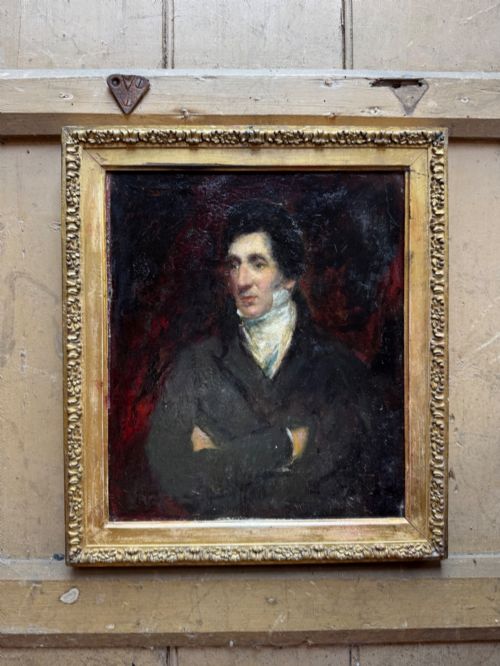
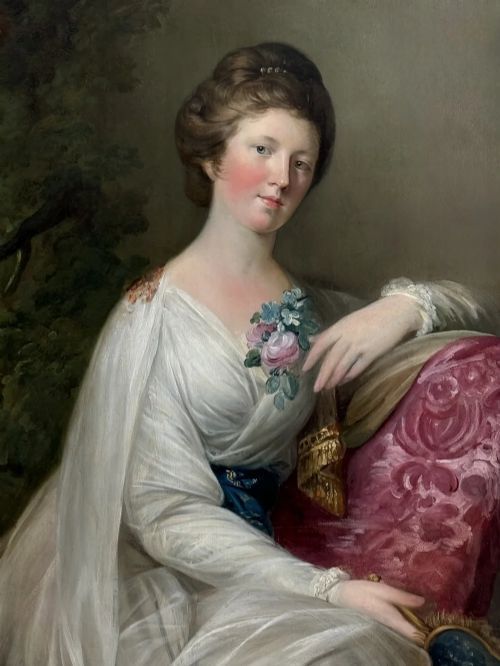
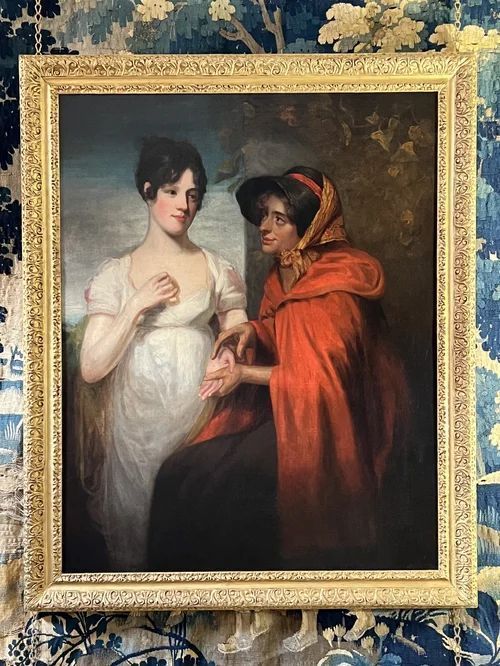
When you encounter a framed georgian oil painting, you are looking at centuries-old portraiture and pastoral scenes held within period wooden surrounds.
Framed Georgian Oil Painting
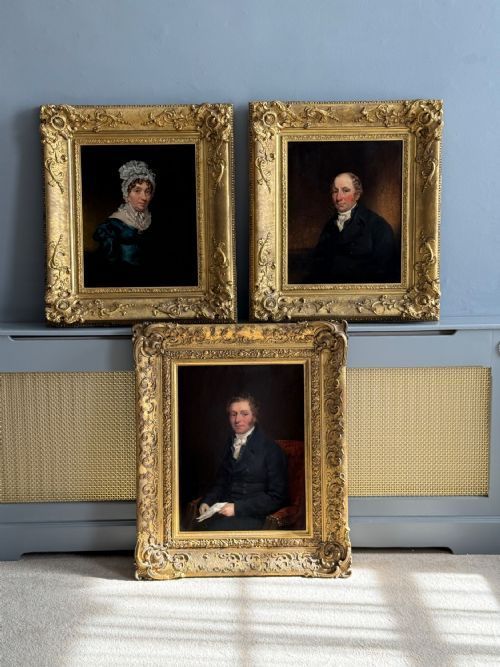
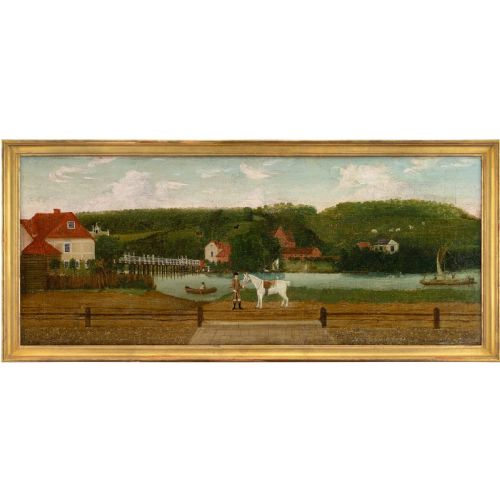
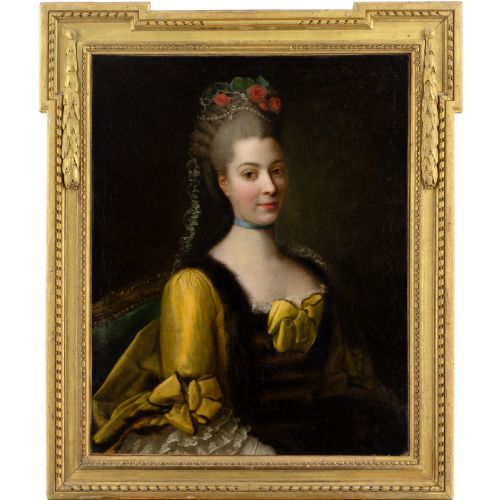
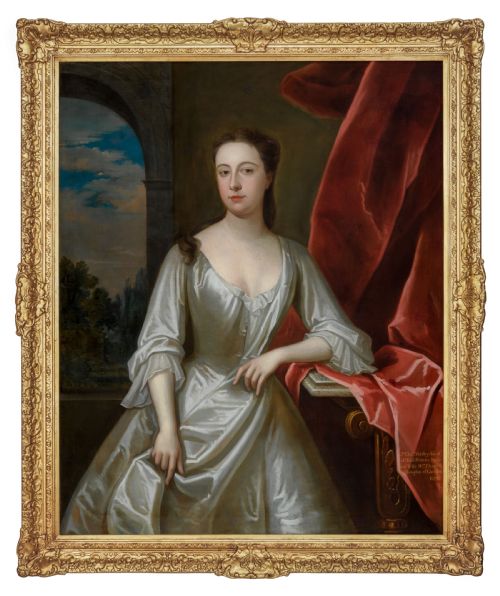
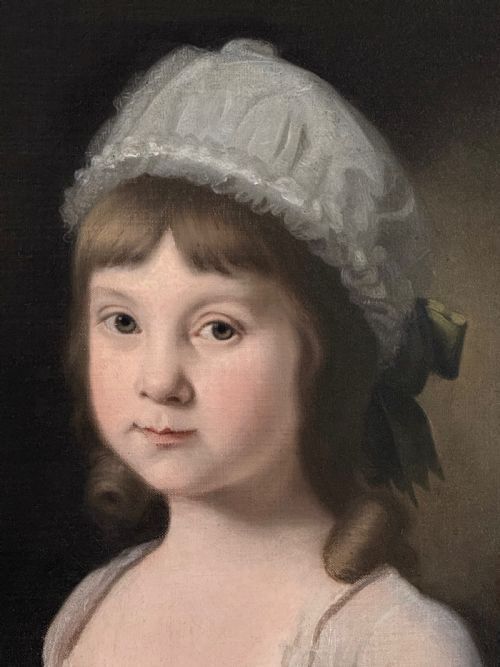
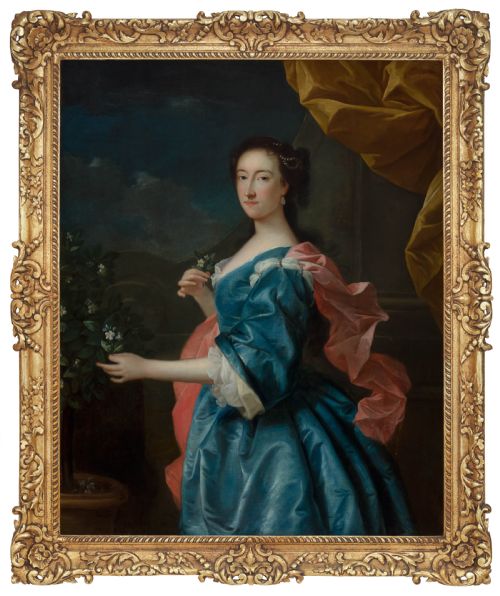
A framed georgian oil painting typically presents portraiture or landscape scenes originating from the eighteenth and early nineteenth centuries. These works frequently depict notable figures, military officers, and country gentlemen, alongside genre scenes and pastoral views.
The selections on this page span the eighteenth century, the Regency era, and the nineteenth century, reflecting British artistic traditions from the Baroque through to classical and pastoral styles. Collectors encounter both direct studio works and pieces created in the manner or circle of period masters.
Most examples are rendered on canvas or panel, encased in original or period-appropriate wooden surrounds that complete the aesthetic of the era.
How They Were Made
Painters applied oil paint to stretched canvas or wooden panels, utilising pigments that have endured across centuries.
Surrounds were fashioned from wood, frequently enhanced with giltwood or gold leaf applications to accentuate the visual depth of the artwork.
Listings feature canvas and panel supports paired with giltwood and gold leaf surrounds.
What Varies in Quality
The distinction between standard works and exceptional examples lies in the precision of the brushwork and the psychological depth captured in portrait subjects. Paintings originating directly from a recognised hand or established studio carry greater artistic weight than later circle pieces.
The preservation of the canvas and the integrity of the original wood framing significantly influence the overall character of the piece.
Sir Godfrey Kneller·Charles Jervas·Sir Joshua Reynolds·Jean-Baptiste Van Loo·Joseph Clover·John Opie·Jeremiah Davison·Michael Dahl·Thomas Murray·Lemuel Francis Abbott·Stickland Lowry·William Joseph Shayer Senior·Thomas Barker of Bath·Benjamin Barker of Bath
The Framed Georgian Oil Painting Glossary
- Oil on Canvas
- Pigment suspended in a drying oil medium applied to a woven fabric support. This combination allowed artists to achieve rich tonal gradations.
- Giltwood
- Wood carved and coated with gold leaf or metallic powder. It provides the traditional reflective border for period canvases.
- Circle of
- A designation indicating the artist worked closely alongside a master and absorbed their specific style. It denotes proximity to a major workshop.
- Regency
- The period spanning the early nineteenth century, characterised by distinct neoclassical influences in British art and framing. Works from this era often feature refined portraiture on panel or canvas.
Framed Georgian Oil Painting: Frequently Asked Questions
How do I date a framed georgian oil painting?
Dating relies on stylistic clues within the portraiture, such as costume, wig styles, and framing materials. Evidence often points toward the eighteenth century or the Regency era through recorded artist lifespans.
Examining the canvas texture and the construction of the wooden backing provides further chronological context for each piece.
What subjects appear most frequently?
Portraits of British gentry, military figures, and aristocratic ladies dominate the selections. Pastoral views and narrative genre scenes also feature prominently.
These subjects reflect the cultural priorities and portrait traditions of eighteenth-century society.
Are the frames original to the paintings?
Many works retain period wooden surrounds finished in giltwood or gold leaf, matching the era of the canvas. Some pieces have been paired with complementary frames from the same historical period over time.
The interaction between the artwork and its surround defines the visual impact of the piece.
How should I care for these paintings?
Preserving oil on canvas works requires stable indoor humidity and protection from direct sunlight. Dusting the giltwood surrounds gently with a dry, soft brush prevents accumulation without harming the finish.
Avoiding excessive temperature fluctuations protects both the painted surface and the wooden structure.