
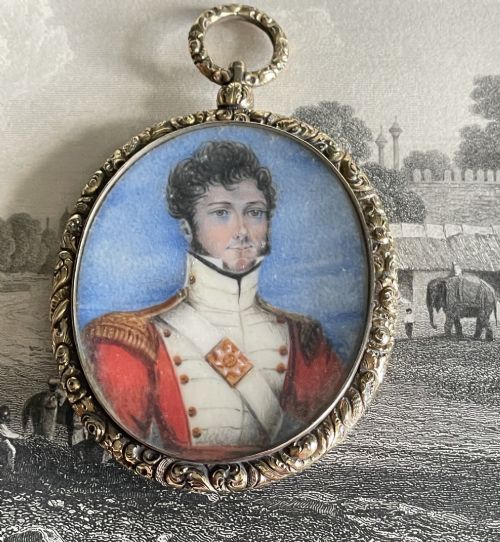


Red Coat Officer Painting
A red coat officer painting captures military history on canvas or paper, offering collectors a striking window into past regiments and campaigns.
Red Coat Officer Painting
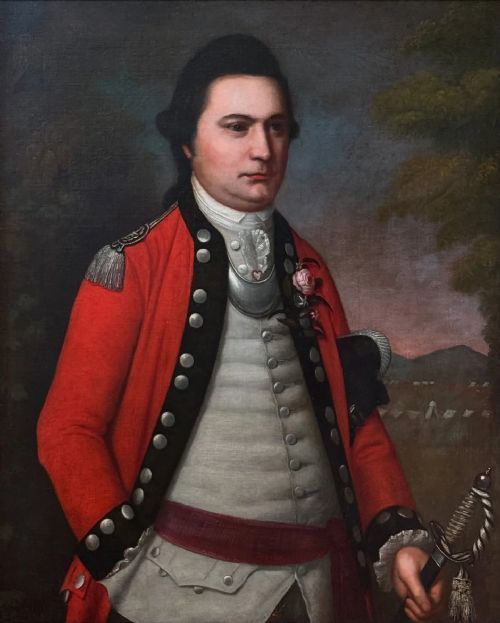
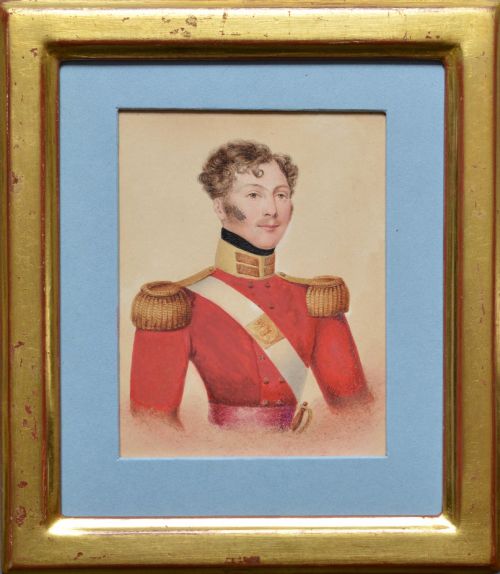
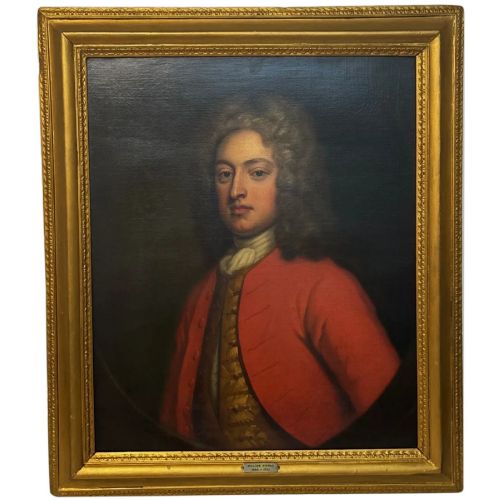
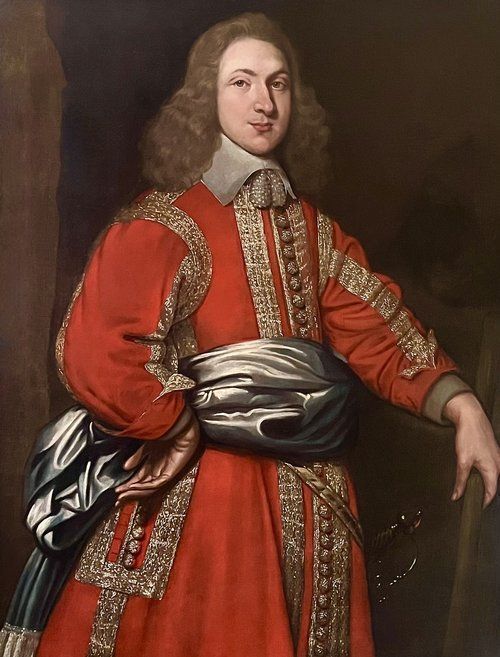
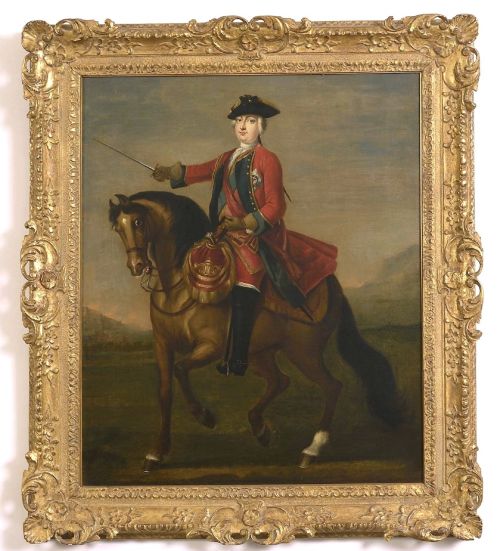
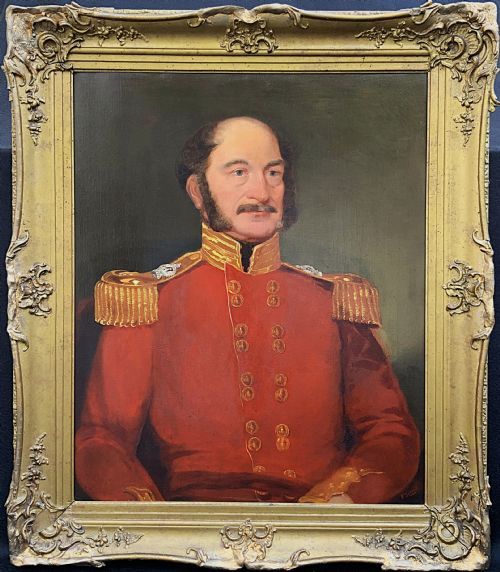
A red coat officer painting portrays military figures from centuries past, ranging from the seventeenth century through the Victorian era. These works frequently depict named commanders, infantry officers, and members of specific regiments.
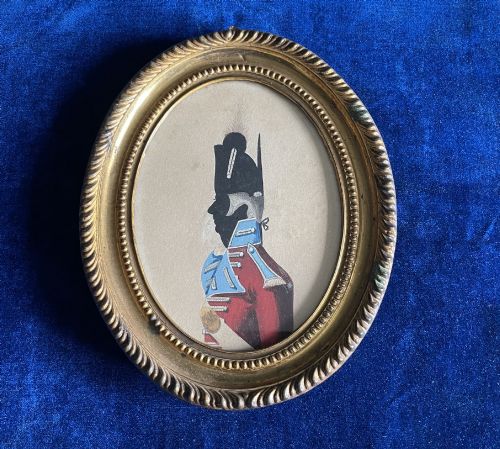
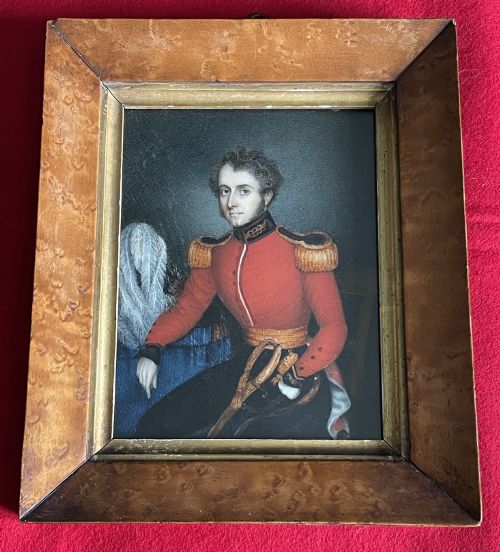
Buyers encounter oil paintings on canvas, watercolours on paper, and delicate portrait miniatures. Many pieces originate from British, Anglo-Dutch, and Anglo-Indian schools, reflecting global military service.
The selection includes grand formal oils alongside intimate watercolours and profile studies. These portraits document changing uniform styles, ranks, and military honours across successive periods.
Materials and construction
Artists painted primarily in oil on canvas or linen canvas, often housing the finished works in decorative giltwood frames. Watercolours on paper served for smaller portable portraits and detailed miniatures under glass.
Makers built sturdy stretchers for canvas works and utilised fine brushes to render intricate uniform details like gold braid, facings, and medals. Frames frequently combined carved wood with gilded finishes to complement the subject.
Several officers gaze sternly past the viewer, perhaps wondering if their scarlet tunics still look bright.
Assessing quality and execution
Quality rests upon the skill of the brushwork in capturing facial likeness and uniform precision. Superior examples render the texture of wool tunics and facial expressions with convincing depth.
Condition of the canvas, paper, and original frame influences the overall integrity of the piece. Works retaining their period frames and stable pigment surfaces command greater attention.
Stickland Lowry·John Wootton·Thomas Hudson·Henry Walton·Sir William John Newton·George Duncan Beechey·Sir Richard Westmacott·Gerrit Schipper
The Red Coat Officer Painting Glossary
- Oil on Canvas
- A painting medium using pigments bound in a drying oil applied to stretched fabric. This combination allowed artists to achieve rich colour depth and lasting durability.
- Portrait Miniature
- A small, highly detailed painting executed on paper, ivory, or vellum, often encased behind glass. These portable likenesses were frequently worn or kept as personal tokens.
- Giltwood
- Wood carved and coated with gold leaf or a gold-coloured metallic finish. It provides ornate framing that enhances the visual presence of formal portraits.
- Watercolour
- A painting method where coloured pigments are suspended in a water-soluble vehicle on paper. It creates luminous, transparent effects favoured for swift studies and miniatures.
- Regiment
- A permanent unit of an army commanded by a colonel. Identifying the specific regiment helps date the uniform and trace the military career of the sitter.
Red Coat Officer Painting: Frequently Asked Questions
How do I date a red coat officer painting?
Dating relies on the style of the uniform, the cut of the scarlet tunic, and the hairstyle of the sitter. Comparing these elements with military dress regulations from periods like the Regency or Victorian eras narrows the timeframe.
The framing and stretcher construction also offer clues, alongside any inscribed biographical details on the reverse of the canvas or paper.
What is the difference between an oil and a watercolour?
Oil paintings utilise pigments suspended in oil on canvas or linen, offering rich textures and deep tones suitable for grand formal portraits. Watercolours employ water-soluble pigments on paper, producing lighter, more delicate results.
Watercolours appear more frequently in smaller formats and portrait miniatures designed for intimate viewing.
Where were these military portraits displayed?
Officers historically displayed their portraits in regimental messes, family country houses, and town residences to record military rank and lineage. These works served as symbols of status and service within the British armed forces.
Today, collectors place them in studies, libraries, and living spaces alongside other historical artefacts.
How should I care for an antique painting?
Protect the artwork from direct sunlight and steady extremes of temperature and humidity to prevent canvas warping or paper degradation. Keep the surface free from dust using a soft, dry brush.
Avoid touching the painted surface or the exposed paper of miniatures directly with bare hands.