

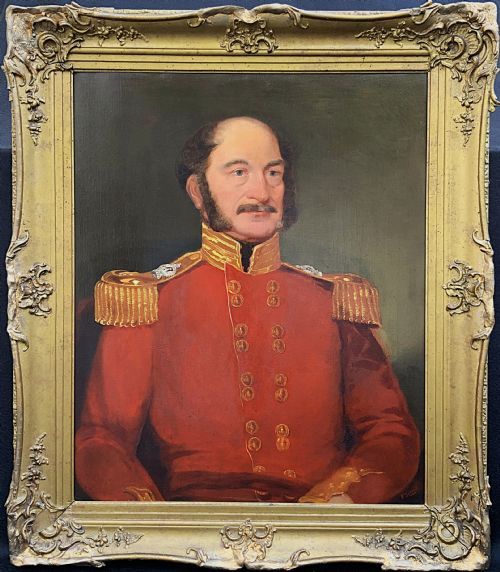
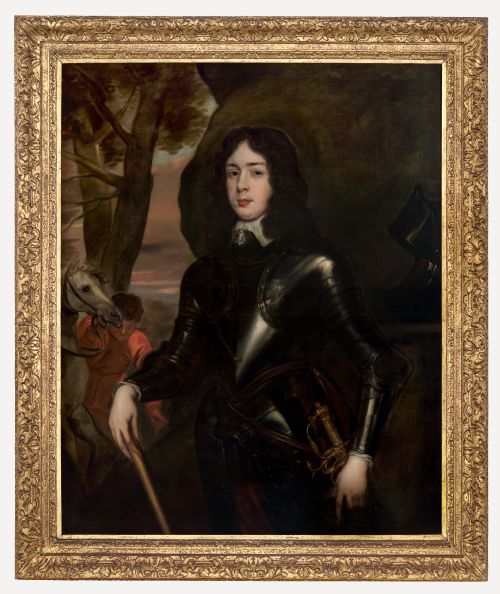

Canvas Military Portrait Painting
A canvas military portrait painting captures officers, generals and monarchs in oils, bringing centuries of commanding presence into a room.
Canvas Military Portrait Painting
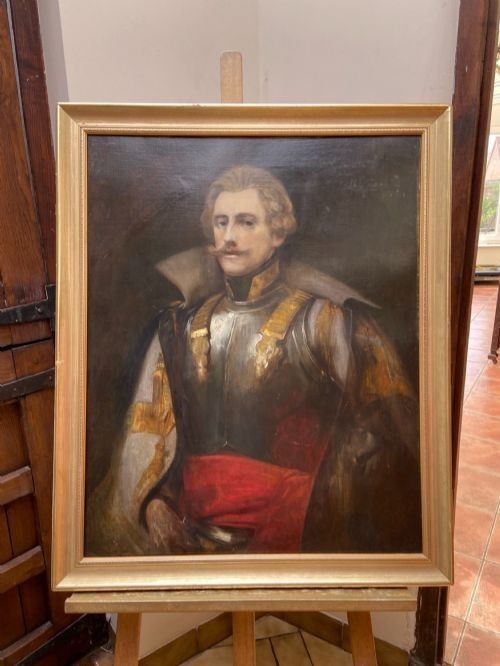
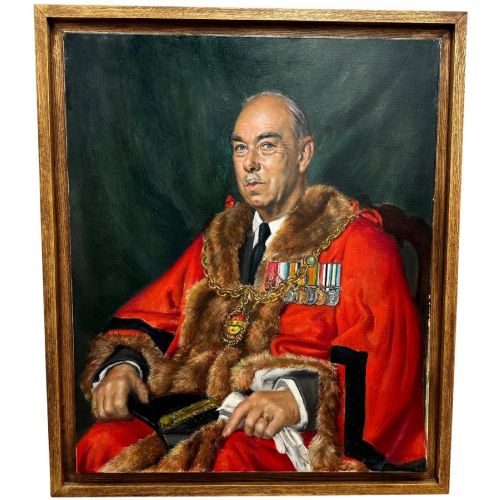
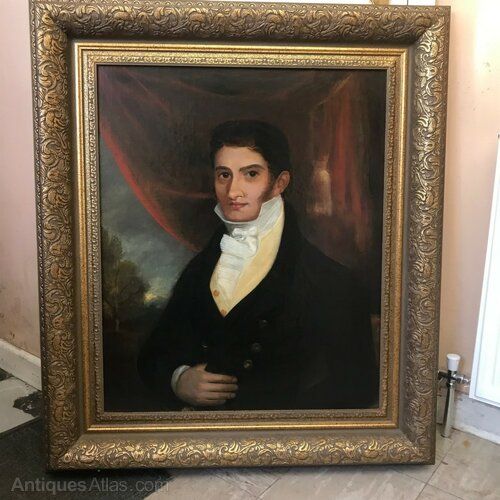
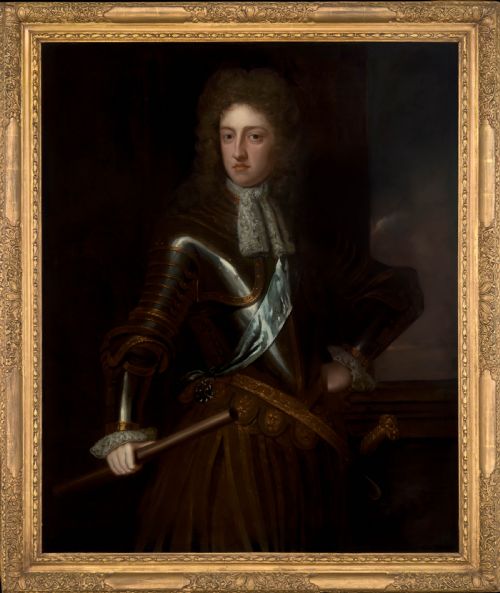
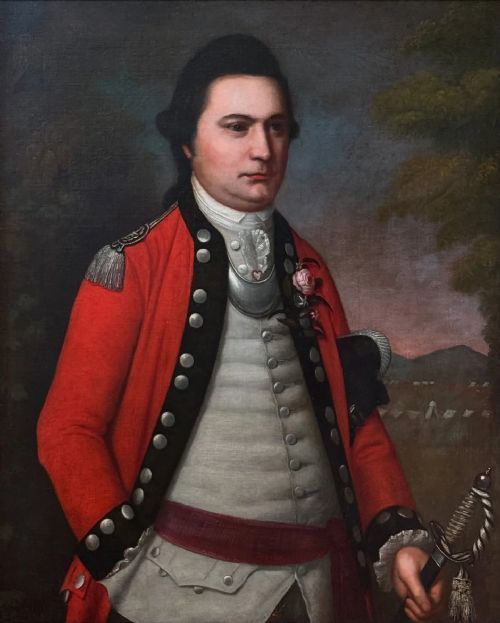
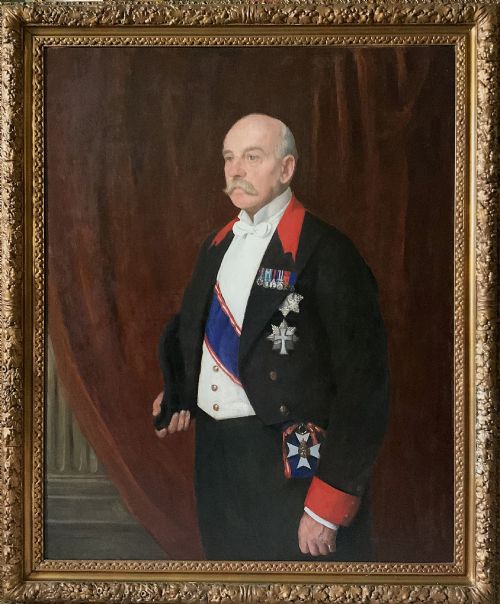
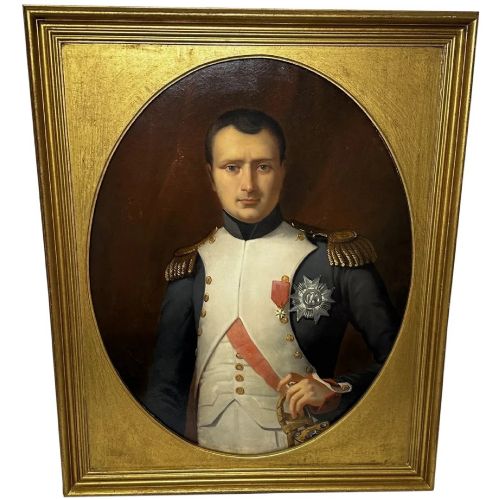
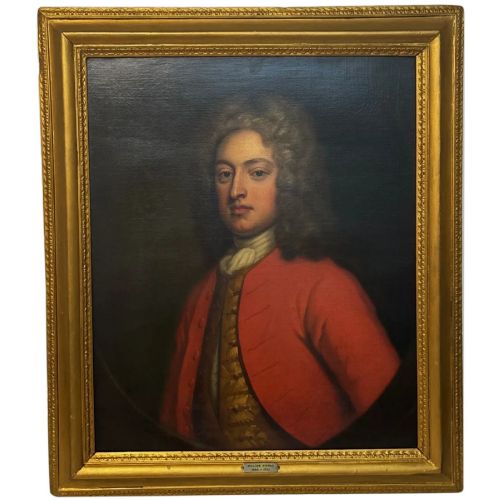
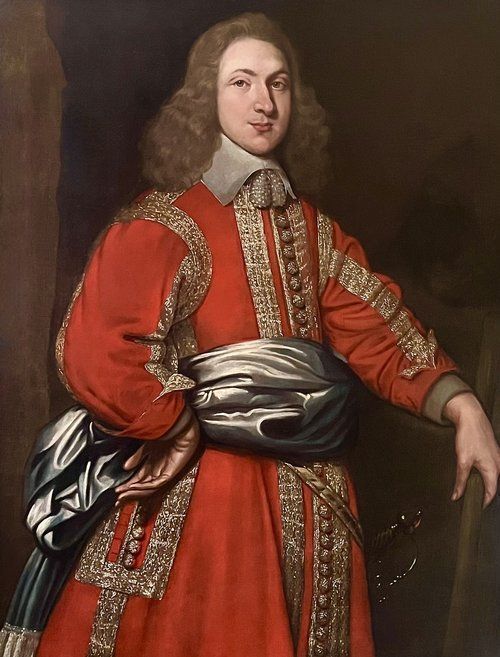
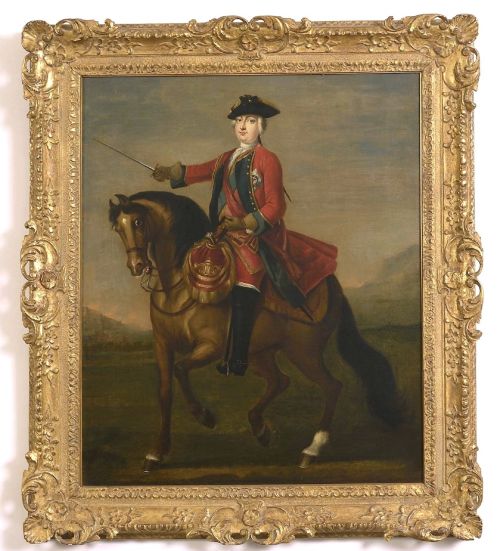
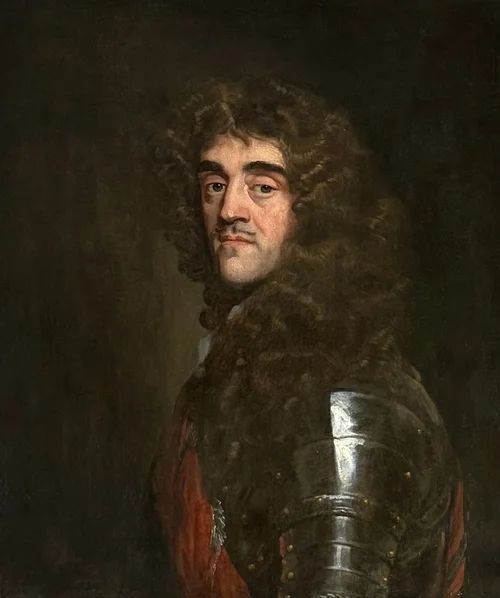
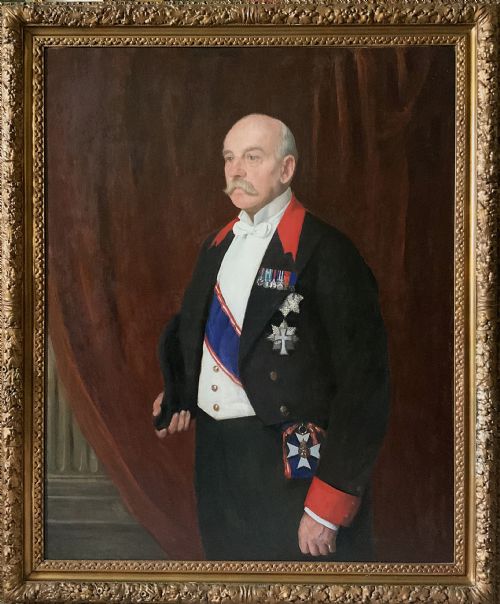
A canvas military portrait painting depicts figures in uniform, from seventeenth-century commanders in armour to twentieth-century officers and pilots. Buyers searching for a canvas military portrait painting most frequently encounter nineteenth-century interpretations alongside eighteenth-century Georgian and seventeenth-century Baroque examples. These works span naval captains, cavalrymen, infantry officers and generals rendered in traditional formats on woven supports.
Subjects range from named historical figures such as Prince George of Denmark and military leaders in red coats to anonymous officers of the militia. The selection includes works from British, French, German and Anglo-Dutch schools, reflecting various European uniforms and regalia. Formats vary from intimate half-length studies to monumental compositions featuring horses and battle scenes beyond the central figure.
Measures of quality
Quality rests upon the skill of the brushwork in rendering facial likenesses, textile textures and the intricate details of military orders or lace. Superior examples demonstrate a confident handling of light across armour and fabric, whereas lesser pieces rely on stiff, formulaic execution.
The provenance and attribution to documented studios or named artists elevate certain works significantly. Condition of the original canvas and preservation of the pigment layers also determine the standing of an individual piece.
Canvas Military Portrait Painting Retail Price Guide 2026
Typical asking prices for canvas military portrait painting among the pieces listed under this phrase on Sellingantiques today, from the lower quarter to the upper quarter. They describe what is for sale here now, not the wider market.
Listings feature works spanning the seventeenth century through to the nineteen-fifties, employing oil on canvas supported by wooden stretchers and giltwood frames.
Sir Godfrey Kneller·Sir Anthony van Dyck·Thomas Hudson·Sir Thomas Lawrence·Ernest Crofts
The Canvas Military Portrait Painting Glossary
- Oil on Canvas
- A painting medium where pigments are bound with drying oils and applied to a stretched woven fabric support. This combination allows for rich colour blending and longevity.
- Giltwood
- Wood that has been treated with a thin layer of gold leaf or gold paint. It frequently frames these portraits to provide an ornate, reflective border.
- Baroque
- An artistic style prevalent from the seventeenth into the eighteenth century characterised by dramatic movement and deep shadow. Portraits from this period often feature theatrical drapery and rich armour.
- Cavalier
- A supporter of King Charles I during the English Civil War, frequently depicted in contemporary portraiture with long hair, lace collars and armour. These subjects form a distinct category within early military works.
- Regimental
- Pertaining to a specific military unit, often identifiable through uniform facings, red coats or specific badges recorded in the portrait.
Canvas Military Portrait Painting: Frequently Asked Questions
How do I identify the military rank from the painting?
Ranks and regiments are typically identified through uniform details such as lace, epaulettes, collar facings and medals. Red coats, sashes and specific hats or headdress styles also indicate the branch of service.
Officers often wear commissioned uniforms that distinguish them from enlisted men, while specific orders of chivalry point to high status and seniority.
Are these portraits always painted from life?
Many formal portraits were painted from life during sittings with the subject, particularly those by established portraitists. Others were produced posthumously, copied from earlier works, or painted after significant military engagements.
Studio replicas and copies after artists like Van Dyck were also common for prominent commanders and royalty.
How should I care for an oil painting on canvas?
Keep paintings away from direct sunlight, high humidity and sudden temperature fluctuations to prevent the canvas from sagging and the oil paint from cracking. Dust the surface gently with a soft, dry brush without applying pressure.
Avoid using water or cleaning solutions on the painted surface and consult a professional conservator for any structural repairs.
What indicates an eighteenth-century military portrait?
Eighteenth-century works often feature characteristic European military dress such as elongated coats, tricorn hats and specific waistcoats. The painting technique during this era frequently employs rich earth tones and fluid brushwork associated with Georgian and Regency schools.
Subjects are commonly posed within domestic interiors or dramatic landscape settings with distant fortifications.