



Antique Military Uniform Art
Antique military uniform art captures the solemn dignity of officers and soldiers through centuries of service.
Antique Military Uniform Art
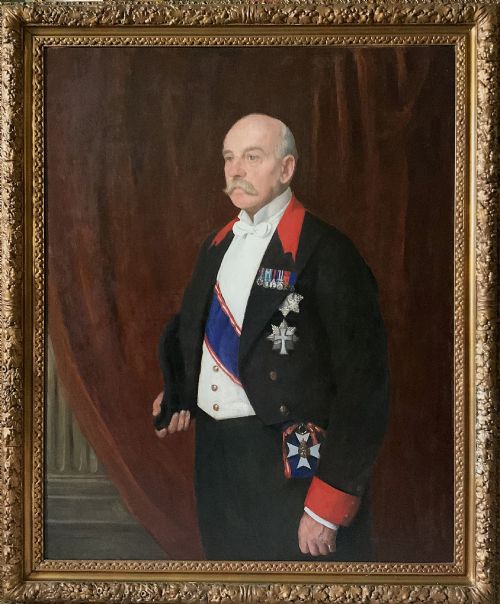
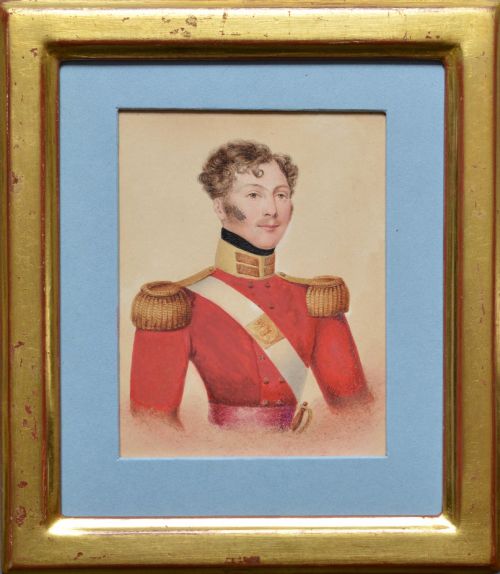
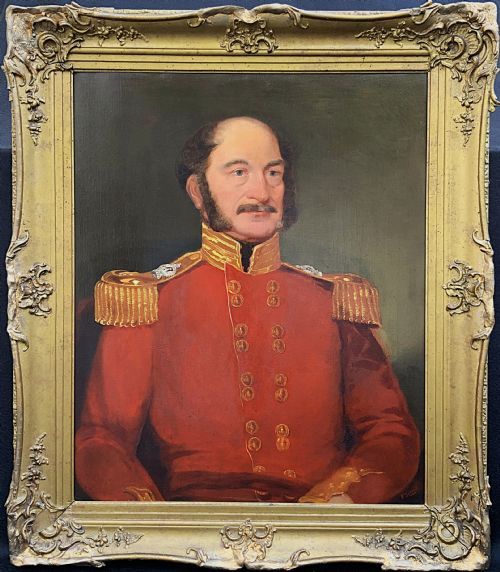
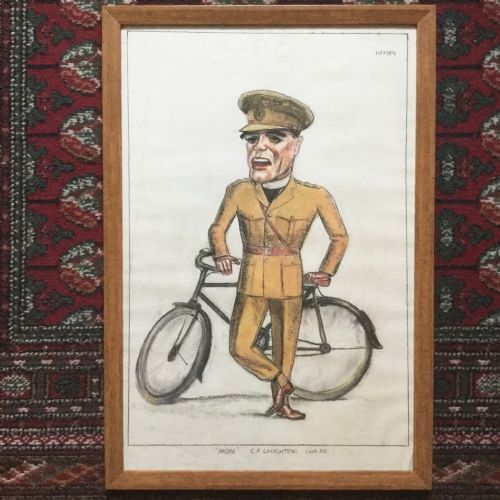
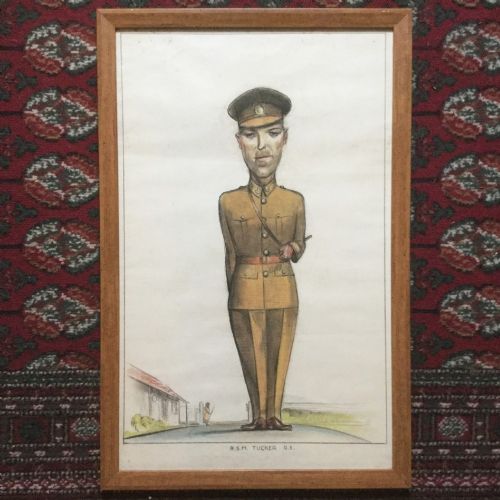
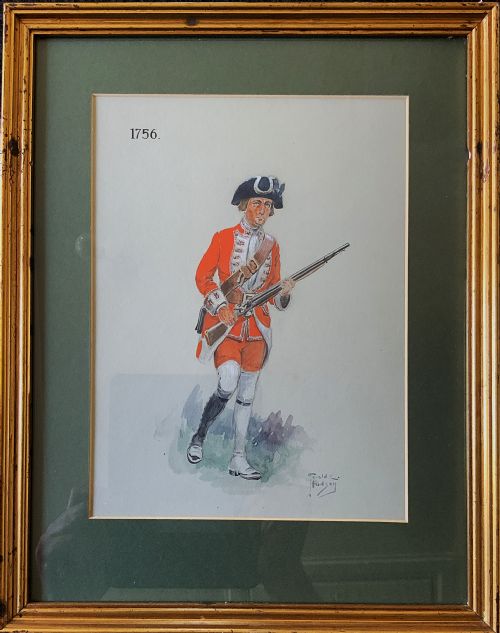
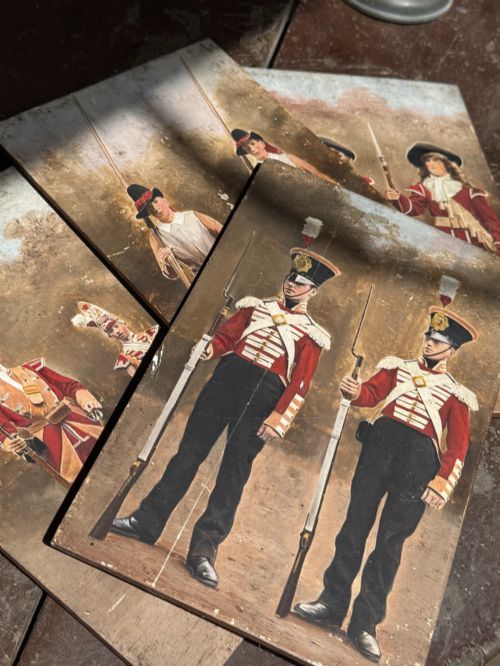
Antique military uniform art encompasses framed works depicting soldiers, officers, and naval commanders in official dress. These pieces primarily take the form of oil paintings on canvas and panel, alongside detailed watercolours, pastels, and portrait miniatures.
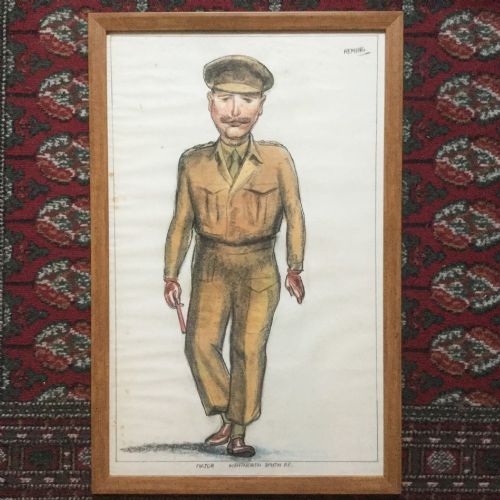
The selection ranges from Georgian and Regency depictions of red coats to Edwardian and mid-century representations. Buyers encounter both monumental oil portraits of named generals and intimate wartime sketches of engineers and captains.
Stylistically, the works span British realism, Victorian portraiture, and early twentieth-century panel art. Each piece records specific regiments, uniforms, and historical ranks across changing eras.
How They Were Made
Artists executed these works using traditional pigment applications on prepared canvas, wood panels, and heavy paper grounds. Oil paint and watercolour dominate the medium, often supplemented by pastel and gouache in wartime sketches.
Support materials include stretched canvas, wooden panels, and framed paper sheets protected by glass. Many surviving examples retain period framing that complements the canvas or watercolour medium.
The works span Victorian, Georgian, Regency, Edwardian, and mid-century aesthetic periods.
What Varies in Quality
Quality rests in the precision of the uniform details, the natural posture of the sitter, and the handling of the face. Master hands render lace, medals, and braided regimental jackets with exact clarity.
The skill of the draughtsman or painter dictates the depth of character captured in the subject. Provenance and identifiable sitters further distinguish individual works within the broader field of portraiture.
Edward Pugh·Henry Walton·Samuel Lane·Henry Hoppner Meyer·John Irvine
The Antique Military Uniform Art Glossary
- Portrait miniature
- A small, highly detailed painting executed on ivory, vellum, or card. These intimate works often depicted officers for family members to carry.
- Gouache
- An opaque water-based medium that provides solid blocks of colour and sharp detail. Artists utilised it alongside pastel for rapid wartime sketching.
- Panel
- A flat wooden support used instead of canvas for paintings. Panels offered a rigid surface suited to early twentieth-century military subjects.
- Wash
- A thin layer of diluted watercolour or ink applied to paper. It created tonal depth and atmospheric background shadows behind the subject.
- Regiment
- A permanent unit of an army commanded by a colonel. Artworks frequently record the specific uniforms and insignia associated with these units.
Antique Military Uniform Art: Frequently Asked Questions
What periods do these artworks cover?
The selections span from the eighteenth century through the Georgian, Victorian, and Edwardian eras into the mid-twentieth century.
Paintings capture changing military dress from early red coats and naval jackets to modern service uniforms.
How were these portraits used originally?
Officers and their families commissioned these works to record military promotions, campaigns, and service milestones.
Many hung in regimental messes, country houses, and family drawing rooms as records of rank and duty.
How do I identify the rank of the sitter?
Uniform details such as epaulettes, braided cuffs, caps, and medals indicate the exact military or naval rank.
Inscriptions on the canvas or frame often record the officer's name, regiment, and year of service.
How should I care for these framed works?
Keep works out of direct sunlight to prevent the fading of watercolours, pastels, and oil pigments.
Maintain stable indoor humidity levels to protect delicate paper supports, canvas tension, and wooden panels.