


Georgian Officer Miniature
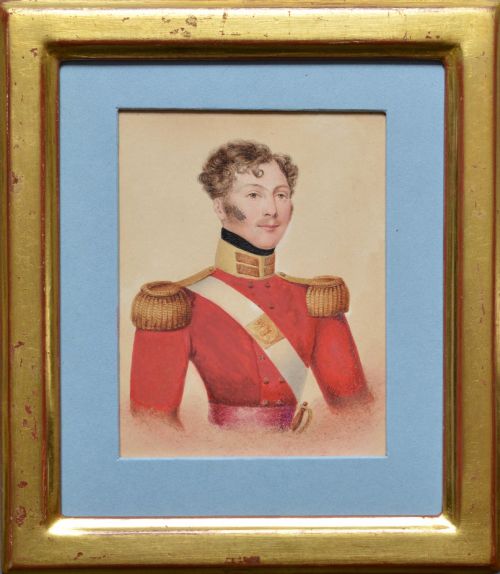
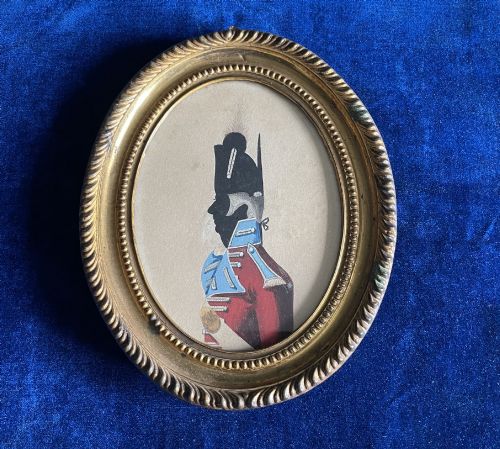
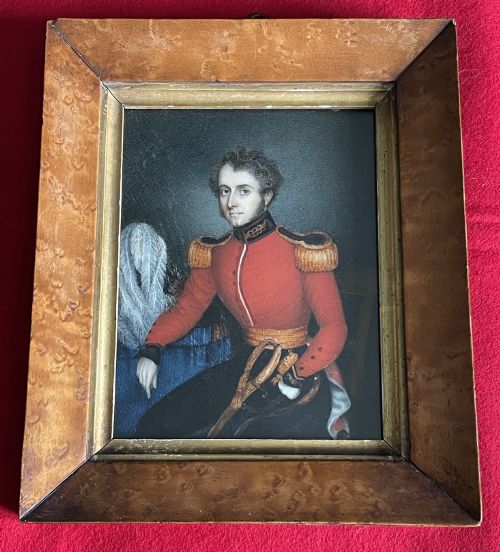
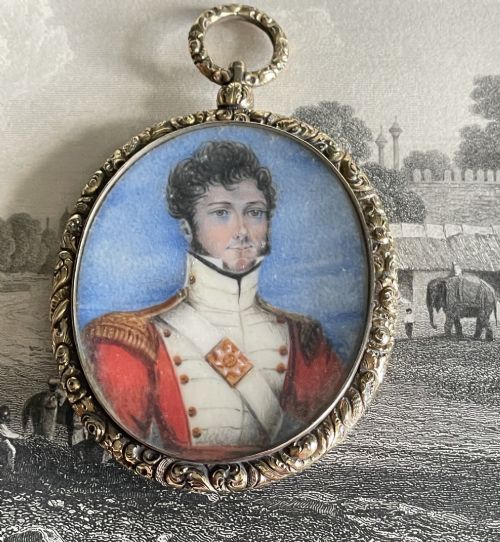
These georgian officer miniature works capture the likenesses of military men in watercolour, enamel, and paint.
Georgian Officer Miniature
A georgian officer miniature depicts military figures from the eighteenth and nineteenth centuries, including naval officers, dragoons, and generals. These small-scale works preserve the faces of historical service members.
The pieces on this page span the Georgian and Regency periods, stretching from the mid-eighteenth century into the nineteenth century. They appear as portrait paintings, miniature portraits, and fine art on panels or paper.
Subjects range from named individuals such as Captain Richard Hamilton and Lieutenant-General Vernon to anonymous members of regiments like the Staffordshire 80th Regiment of Foot. British school artists and named painters produced these records of military rank.
How They Were Made
Artists painted these works using watercolour on paper or enamel on metal, capturing fine facial details on a small scale. Some examples utilise agate panels as the primary surface for the portrait.
Frames play a structural role in presentation, featuring materials such as giltwood, burl wood, gilt metal, and eighteen-carat gold. Glass protects the delicate painted surfaces from environmental damage.
Listings span the eighteenth and nineteenth centuries, featuring works in watercolour, enamel, and paint on paper, glass, gold, and burl wood.
What Varies in Quality
The refinement of the brushwork and the precision of the facial likeness distinguish the execution of each portrait. Master painters render uniform details and facial expressions with greater clarity than anonymous school pieces.
The materials of the surrounding frame, such as solid gold or detailed burl wood, contribute to the overall character of the piece. Preservation of the underlying paper, enamel, or agate surface maintains the visual impact.
Henry Bone ARA·Edward Pugh·Sir William John Newton·Gerrit Schipper
The Georgian Officer Miniature Glossary
- Miniature portrait
- A small-scale painting designed for intimate viewing or portable display. These works often fit inside protective lockets or pocket-sized frames.
- Watercolour
- A paint medium consisting of water-soluble pigments applied to paper. It allows for delicate washes and fine line work.
- Enamel
- A glassy substance fused to a metal backing through high-temperature firing. This technique provides durable colour and a glossy finish.
- Giltwood
- Wood carved and coated with a thin layer of gold leaf or gold paint. It adds a reflective border to the artwork.
- Agate
- A fine-grained quartz mineral used occasionally as a rigid painting panel. Its smooth surface suits detailed miniature work.
Georgian Officer Miniature: Frequently Asked Questions
What is a georgian officer miniature?
A georgian officer miniature is a small painted portrait of a military man from the eighteenth or nineteenth century. These items record the appearance of officers across various branches of service.
Artists worked on media like paper, enamel, and agate to produce these portable likenesses. They frequently served as personal tokens for family members or fellow officers.
Who painted these military portraits?
Both named professional artists and anonymous practitioners from the British school created these works. Some painters achieved recognition as royal or military portraitists.
Signatures or historical attributions sometimes identify the creator, while other pieces remain attributed to broader regional schools. Their skill levels varied from skilled academy members to competent jobbing painters.
How can you tell the period of a miniature?
Clothing styles, uniform details, and hair fashions offer clues to the dating of each portrait. Regimental changes and military history provide a timeline for specific uniforms.
Framing materials and construction techniques also help indicate whether a piece belongs to the eighteenth century or the Regency era. Dated inscriptions on the reverse sometimes confirm the year of creation.