
Framed Paper Watercolour Portraits
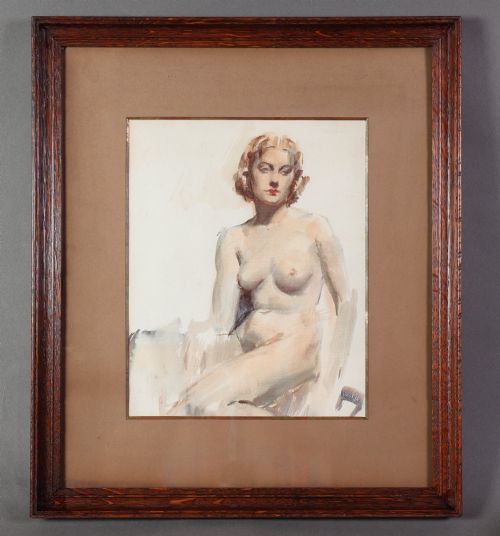
Framed paper watercolour portraits capture individual likenesses and scenes across the Georgian, Regency and Victorian periods, offering an intimate window into past lives.
Framed Paper Watercolour Portraits
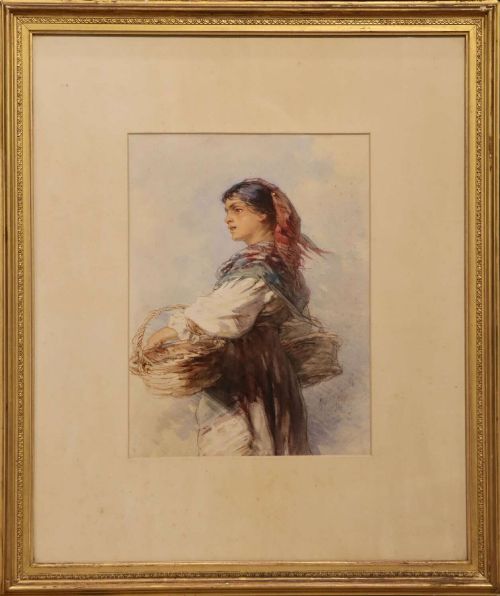
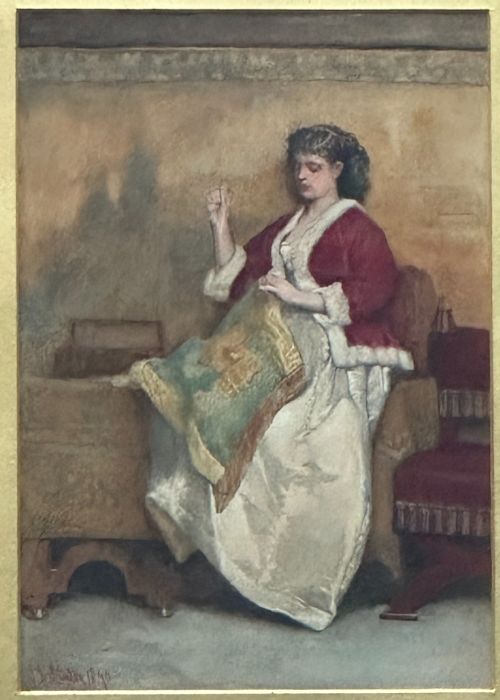
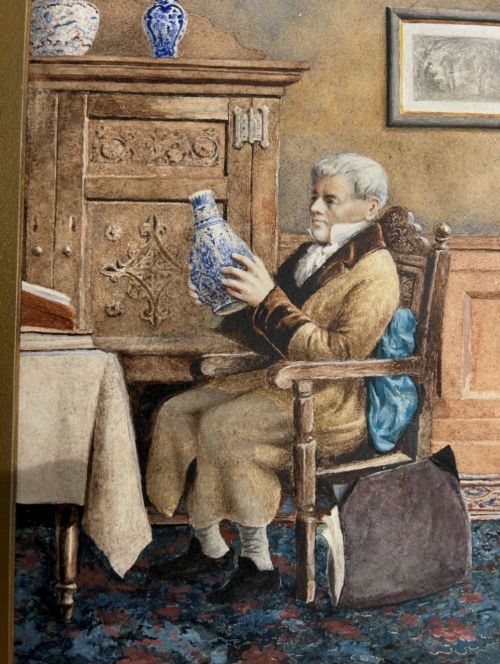
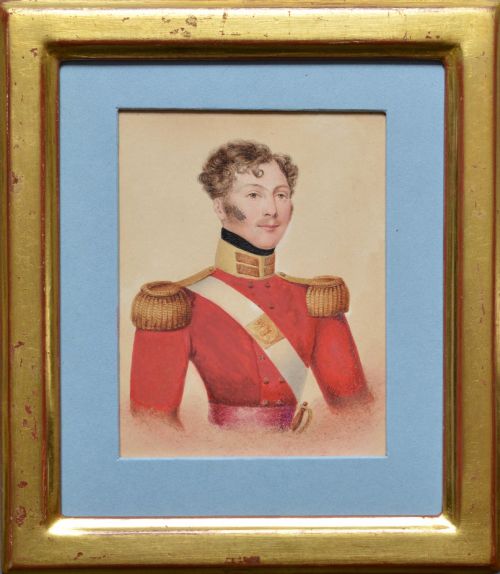
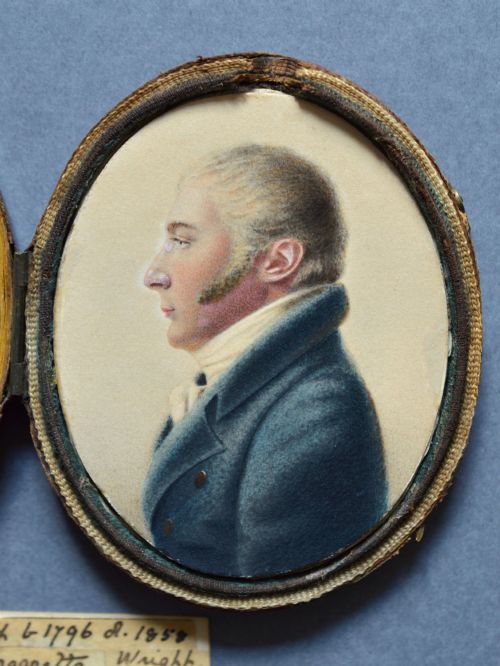
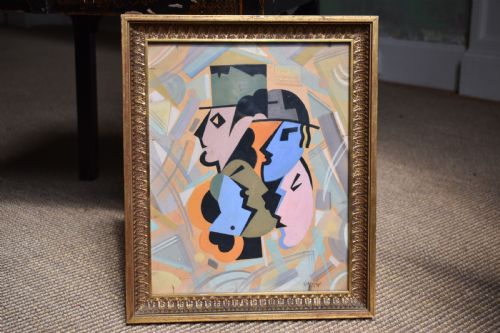
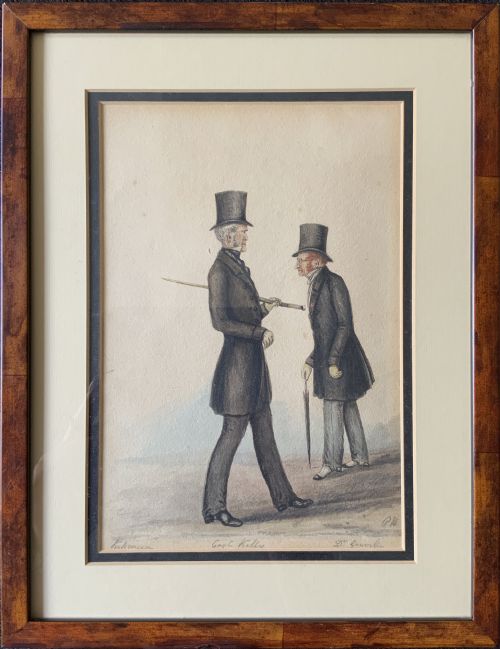
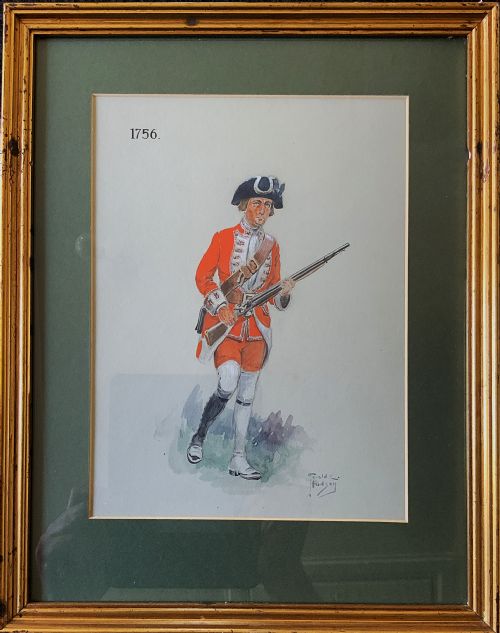
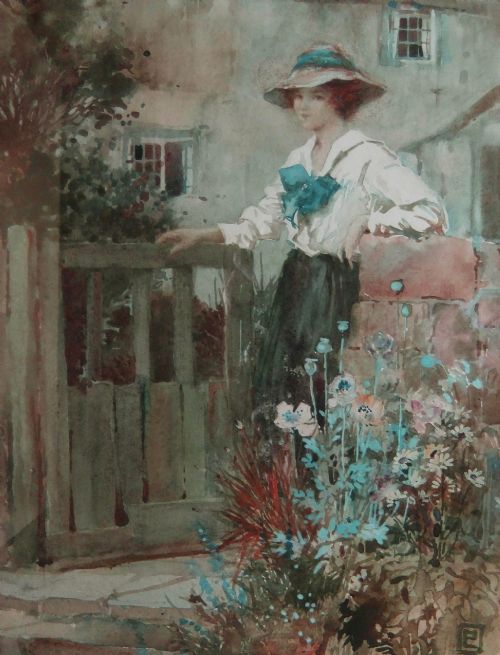
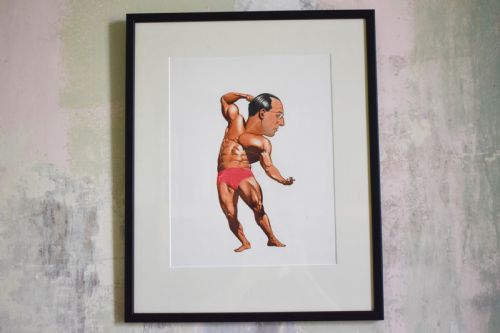
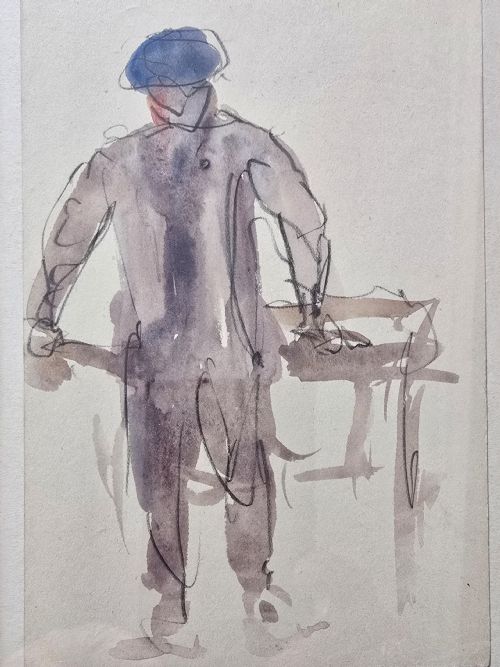
Framed paper watercolour portraits encompass intimate likenesses, military figures, and character studies rendered on paper or pith. These works surface predominantly from the 19th century, drawing on Victorian, Regency, and Georgian sensibilities.
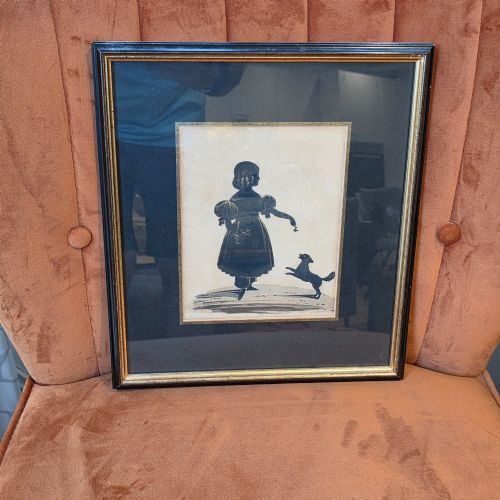
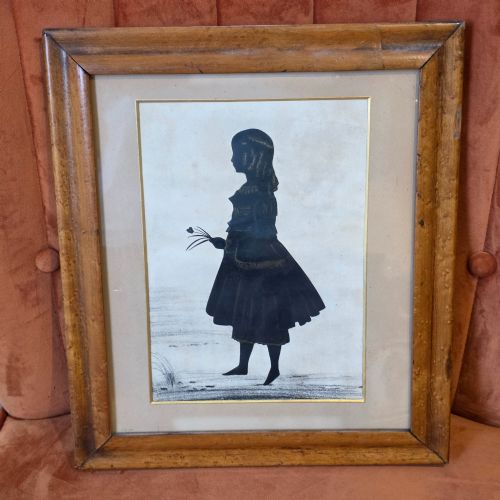
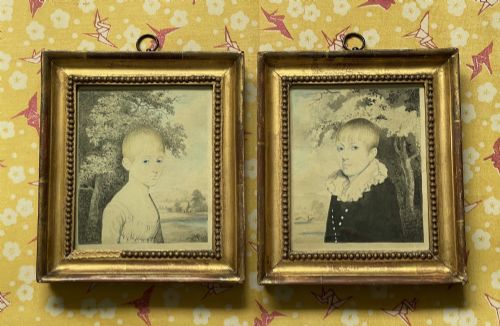
Buyers encounter single sitter studies, pairs of children, and group compositions executed in watercolour pigment, ink, and wash. Many retain their original wood and gilt frames, which preserve the delicate surfaces against environmental wear.
The category spans naive family records alongside accomplished academic works by named artists of the British School and continental painters. Such pieces bridge personal history and fine art, capturing subjects from soldiers to peasant figures.
Materials and construction
Artists painted primarily upon rag paper, pith, or rice paper using water-soluble pigments sometimes augmented with bodycolour, gouache, or ink. These light layers of pigment allowed for subtle skin tones and translucent drapery.
Framing typically involved wood mouldings, occasionally finished with gold leaf or paired with maple veneer to complement the delicate palette of the painting within. Glazing protected the paper ground from dust and moisture.
Backings often comprised card or wooden boards secured by early fixings, occasionally featuring handwritten inscriptions identifying the sitter or the artist.
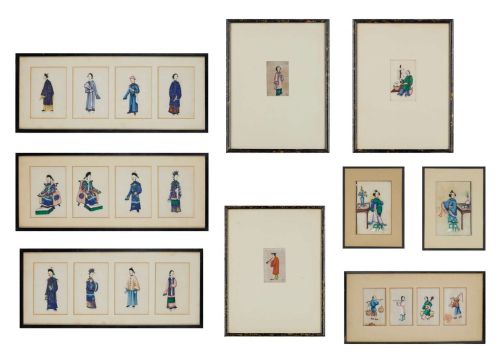
Portraits include British military officers, children, peasant figures, and Chinese pith paintings from the late Qing dynasty.
Factors of quality
The survival of the original paper surface, minimal fading from light exposure, and the integrity of the early frame distinguish superior pieces. Intact inscriptions and documented authorship elevate a portrait from a generic record to a collectible artwork.
Guido Bach·William James Hubard·Sir James Dromgole Linton·Henry Stacy Marks·Philip Richard Morris·Filipo Indoni·Augustus Jules Bouvier
The Framed Paper Watercolour Portraits Glossary
- Watercolour pigment
- Finely ground colour particles mixed with a water-soluble binder. This medium allows for washes of varying opacity on paper grounds.
- Pith painting
- Artwork created on thin, spongy plant material sourced from the pith of the Tetrapanax papyrifer plant. These delicate works were produced in China during the 19th century.
- Gilt wood
- Wood framing treated with a thin layer of gold leaf or metallic powder. It provides a reflective border that enhances the tones of the painting.
- Wash
- A thin, semi-transparent layer of diluted watercolour pigment or ink applied to paper. It creates smooth backgrounds or atmospheric depth in portraiture.
- Gouache
- An opaque water-based paint containing pigment and a binding agent, often combined with watercolour. It yields solid, matte highlights on paper.
Framed Paper Watercolour Portraits: Frequently Asked Questions
How do I care for framed paper watercolour portraits?
Keep these artworks away from direct sunlight to prevent the pigments and paper ground from fading over time. Maintain a stable room temperature and avoid hanging them in humid environments like kitchens or bathrooms.
Ensure the glazing remains intact to shield the delicate paper surface from dust and atmospheric pollutants. When dusting, use a soft, dry cloth on the frame without pressing against the glass.
How can I tell the period of a portrait?
Examine the sitter's attire, hairstyle, and framing materials for stylistic clues that align with Georgian, Regency, or Victorian fashions. Clothing cuts and collar shapes often provide a reliable decade for the depiction.
Look for handwritten inscriptions on the reverse of the paper or frame, which frequently record the sitter's name and date. Backing boards, old nails, and framing techniques also offer physical evidence of the piece's age.
Where were pith paintings made?
Pith paintings were produced in 19th-century China, primarily for the export market, depicting local trades, figures, and customs. The delicate plant material provides a distinctive velvety texture.
These works were often mounted into albums or framed for Western buyers, preserving vibrant pigments despite the fragile nature of the substrate.