


Antique Officer Wall Art
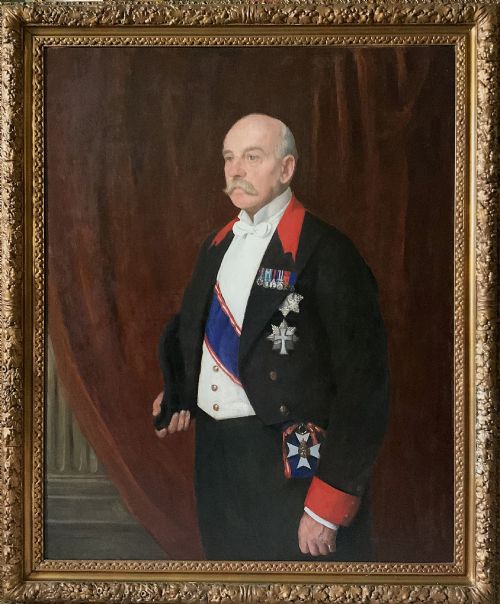
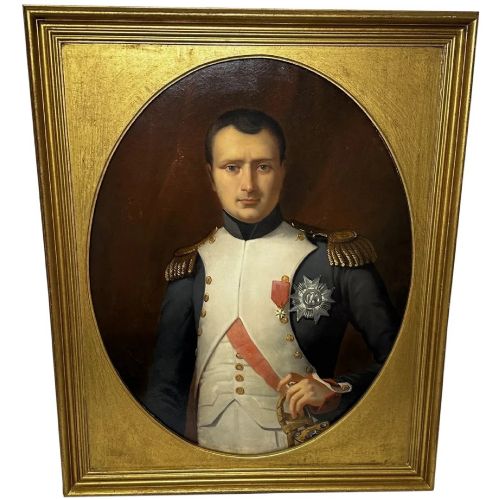
Antique officer wall art brings historical military portraiture into domestic spaces through painted, drawn, and engraved representations of commanders and soldiers.
Antique Officer Wall Art
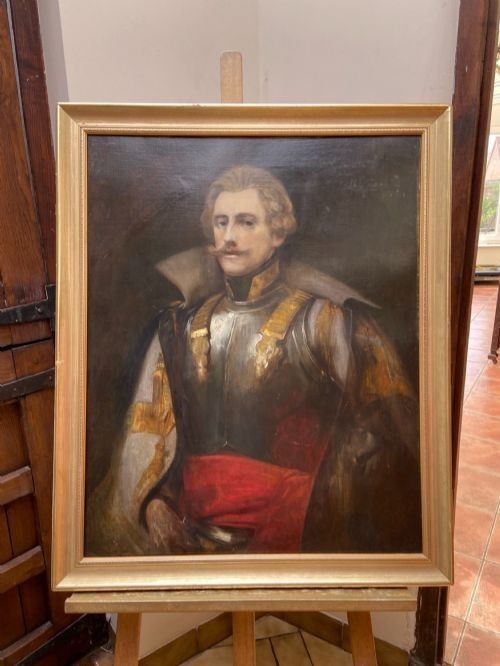
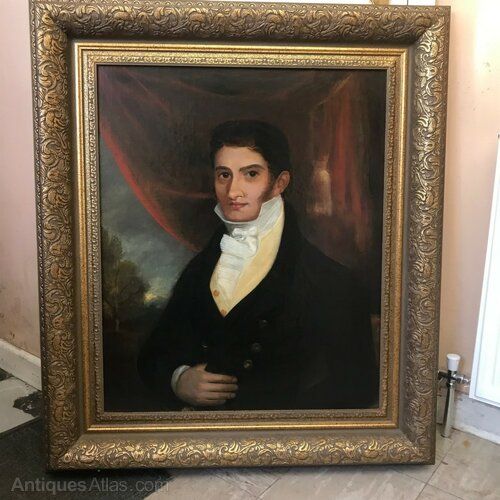
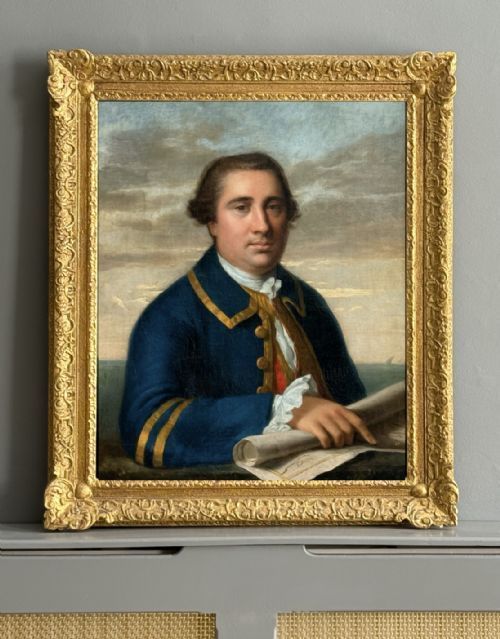
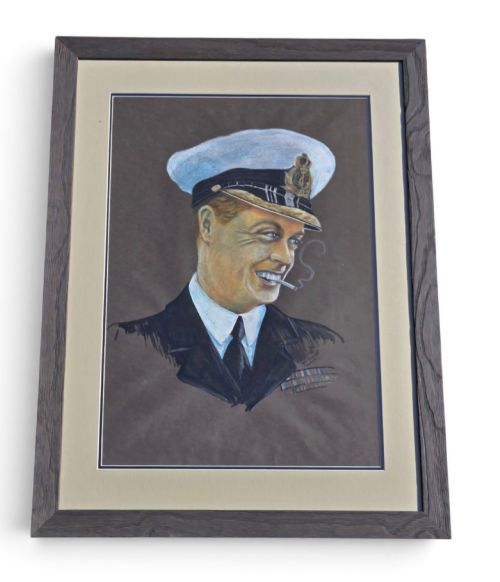
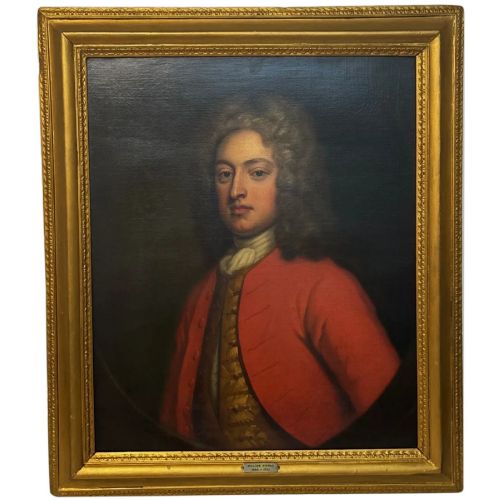
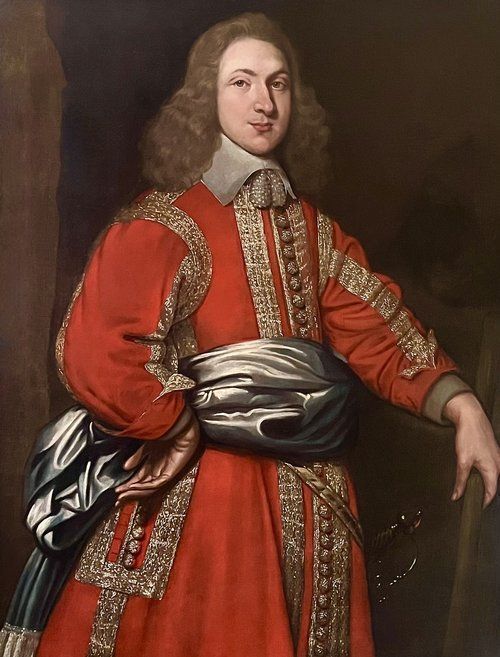
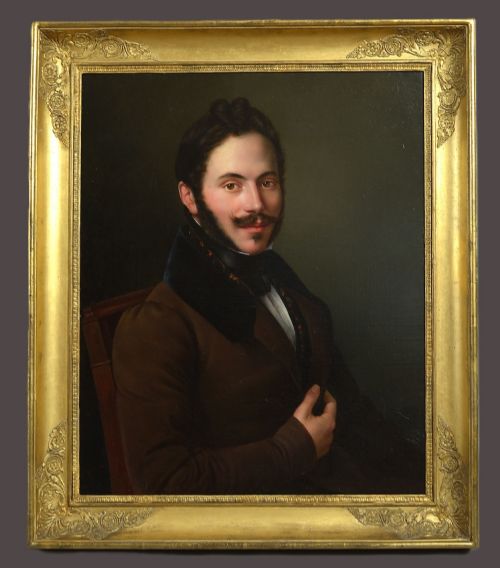
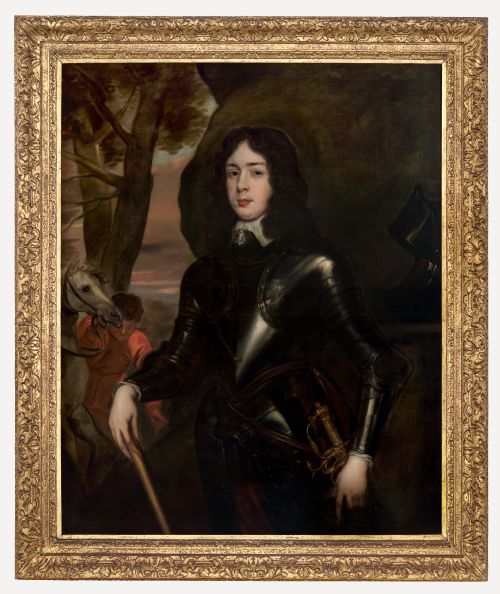
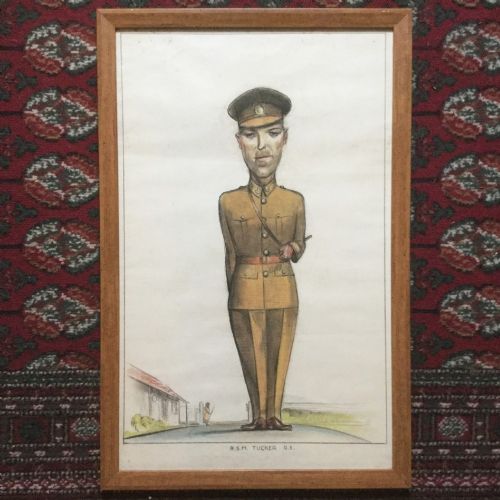
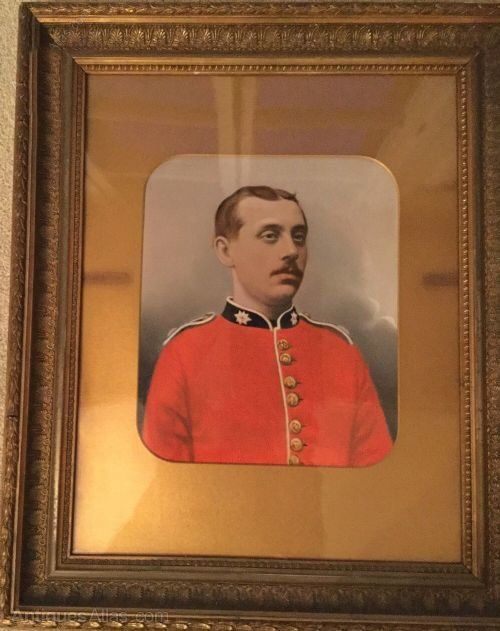
Antique officer wall art encompasses framed visual records of military figures, ranging from seventeenth-century oil paintings in armour to twentieth-century pastels and watercolours. The selections on this page are predominantly oil paintings and portrait works originating from British, French, and Dutch schools across the eighteenth and nineteenth centuries.
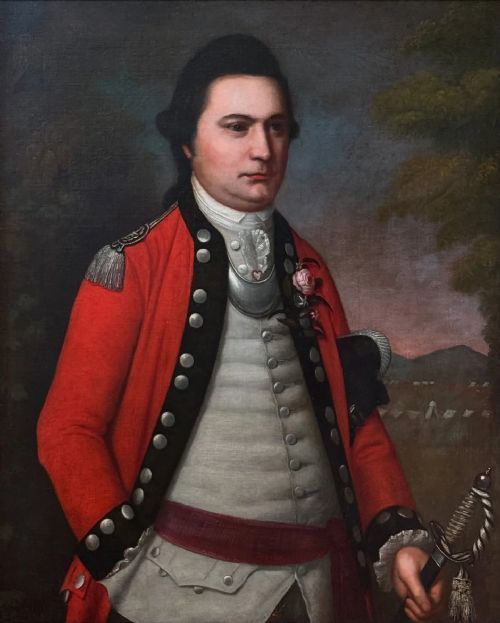
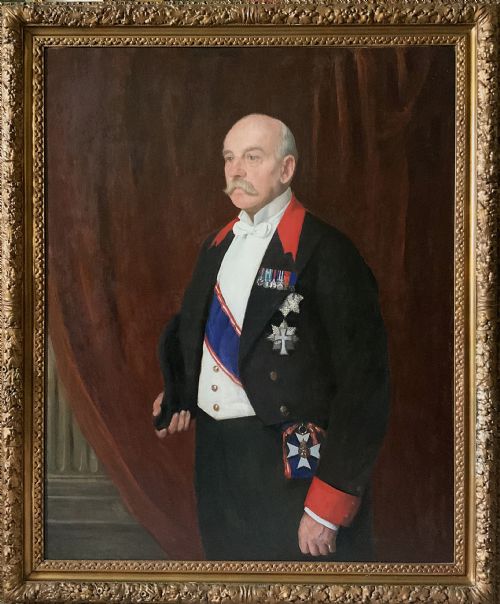
Subjects include named commanders, naval captains, infantry officers, and militia members rendered in formal uniforms or field attire. Buyers encounter both monumental canvases designed for grand rooms and intimate miniature watercolours or engravings.
The periods represented span from the 1600s through the Edwardian era and into the mid-twentieth century, capturing shifts in military dress, social status, and portraiture conventions.
How They Were Made
The physical objects rely on traditional fine art mediums, principally oil on canvas, supplemented by pastel, gouache, watercolour, and paper engravings. Support structures frequently utilise stretched canvas secured to wooden frames, occasionally complemented by original giltwood moulding.
Artists applied pigments using layered brushwork techniques common to European academic and regional schools, capturing intricate details of lace cravats, red coats, brass buttons, and metal armour. Paper works employ ink, wash, or pigment application on delicate substrates, requiring protective glass glazing.
Listings feature works spanning from the seventeenth century through to the mid-twentieth century, executed in oil, pastel, watercolour, and engraved paper.
What Varies in Quality
Visual hierarchy in these portraits rests upon the anatomical precision of the sitter, the handling of facial expression, and the fidelity of uniform details such as insignia, lace, and medals. Superior examples demonstrate skilled rendering of textiles and light, particularly in the treatment of velvet, steel breastplates, and background horsehair or landscapes.
Provenance and attribution elevate individual pieces, distinguishing works by documented portraitists or established regional schools from anonymous studio output. The condition of the original paint layer, stability of the canvas support, and presence of period framing further determine the standing of each artwork.
Lemuel Francis Abbott·Stickland Lowry·Edouard Pingret·Samuel Cooper·Henry Hoppner Meyer
The Antique Officer Wall Art Glossary
- Oil on Canvas
- A painting medium where pigments are suspended in a drying oil, typically linseed, and applied to a woven fabric stretched across a wooden frame. This technique dominated European portraiture for centuries due to its blending capabilities and durability.
- Giltwood
- Wood that has been coated with a thin layer of gold leaf or gold paint, frequently used for decorative antique picture frames. The application process involves preparing the wooden base with gesso and bole before laying the metallic leaf.
- Engraving
- A printmaking process where an artist carves an image into a metal plate, usually copper or steel, using a sharp tool called a burin. Ink is applied to the incisions and transferred to paper under pressure to produce multiple impressions.
- Miniature
- A small-scale portrait, often painted on ivory, vellum, or card, designed for personal carriage or intimate display. These delicate works require meticulous brushwork to achieve fine detail within a restricted surface area.
- Provenance
- The documented history of ownership of an antique object, establishing its authenticity and chain of custody from creation to the present day. Detailed records often include exhibition labels, receipts, and biographical mentions.
Antique Officer Wall Art: Frequently Asked Questions
How do I date a military portrait?
Dating relies primarily on the style of the uniform, including the cut of the coat, lapels, and headwear, which changed according to military regulations of the decade. Accompanying facial hair styles, wig designs, and the painting technique itself offer supporting clues.
Contextual evidence such as artist signatures, stretcher frame construction, and inscriptions on the reverse canvas or frame provide additional chronological markers for the historian.
What is an Anglo-Dutch school painting?
The term denotes artworks created during periods of artistic exchange between English and Dutch painters, or by artists working within both cultural spheres. These pieces frequently share stylistic traits such as precise realism, dark palettes, and detailed rendering of lace and fabric.
Such attribution often points to workshops operating in London or the Netherlands during the seventeenth century, reflecting mutual influences in portraiture conventions.
How should I hang oil portraits?
Oil paintings require stable wall environments away from direct sunlight, heating vents, and damp exterior walls to prevent canvas warping and pigment degradation. Secure hanging using appropriate picture hooks rated for the combined weight of the canvas and heavy wooden frame is essential.
Positioning pieces at average eye level ensures optimal viewing of facial details and uniform insignia without straining the neck.
Are pastels fragile to display?
Pastel works consist of dry pigment powder applied to paper, making them vulnerable to disturbance, vibration, and moisture if unsealed. They require professional framing beneath glass, ideally with a mat separating the paper surface from the glazing to prevent pigment transfer.
Environmental stability is crucial for pastels, as humidity fluctuations inside the frame can cause mould growth or degradation of the paper support.