



Scottish School Portrait Painting
These scottish school portrait painting works capture sitters across centuries through oils, watercolours, and pastels.
Scottish School Portrait Painting
When you search for scottish school portrait painting, you encounter works spanning the eighteenth, nineteenth, and early twentieth centuries. These pieces record historical figures, gentlemen, physicians, and children through traditional portraiture.
The selections feature oils on canvas and board alongside watercolours and pastels. You frequently meet works from the eighteenth and nineteenth centuries, including named sitters linked to specific locations and medical professions.
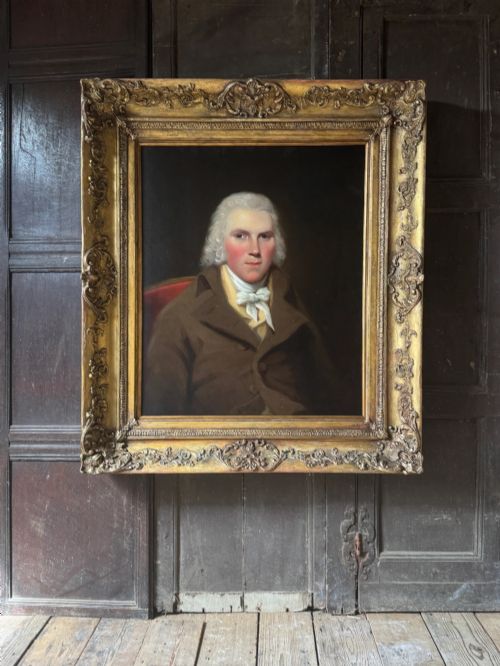
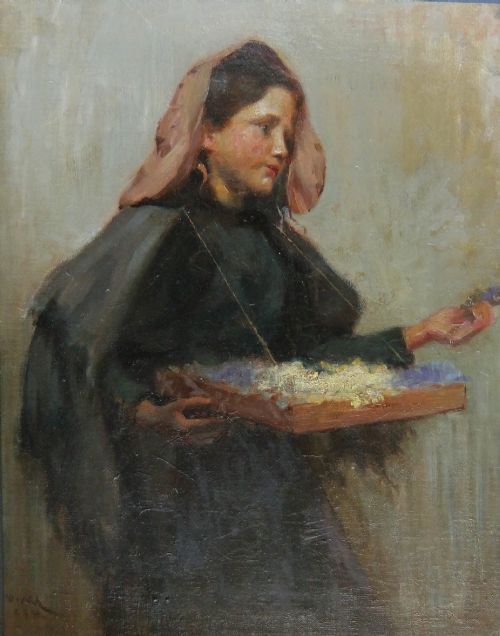
Portraits range from formal eighteenth-century oils in giltwood frames to later impressionist studies and watercolours. The tradition embraces both grand framing and intimate portrayals of Scottish interest.
How they were made
Makers utilised oil paint on canvas and board to build lasting depictions of sitters. Pigments were applied with technical precision, often housed within giltwood frames.
Scottish School Portrait Painting Retail Price Guide 2026
Typical asking prices for scottish school portrait painting among the pieces listed under this phrase on Sellingantiques today, from the lower quarter to the upper quarter. They describe what is for sale here now, not the wider market.
Materials recorded across these listings include oil paint, canvas, wood, paper, watercolour, pastel, glass, pigment, and giltwood.
What varies in quality
The distinction between standard works and finer pieces rests in the handling of facial expression and garment detail. Superior examples display confident brushwork in oils or delicate control in pastel and watercolour.
Provenance and documentation influence the standing of a portrait, particularly when sitters and artists are identified. The quality of the surrounding period framing also contributes to the overall character of the piece.
The Scottish School Portrait Painting Glossary
- Oil on Canvas
- Pigment suspended in drying oil applied to a woven fabric support. This combination allowed artists to achieve rich depths of colour and texture.
- Giltwood
- Wood carved and coated with gold leaf or a gold-coloured metallic finish. Such frames provide a traditional, reflective border for historic canvases.
- Watercolour
- Pigments ground in a water-soluble binder and applied to paper. This medium produces translucent washes suited to delicate studies.
- Pastel
- A powdered pigment mixed with a binder and formed into dry sticks for drawing. It creates soft, velvety surfaces directly on paper.
- Board
- A rigid flat panel used as a support for painting instead of stretched fabric. Artists often painted directly onto wooden or composite boards.
Scottish School Portrait Painting: Frequently Asked Questions
What periods do these portraits cover?
The works span from the late seventeenth century through the eighteenth and nineteenth centuries into the Edwardian era and the nineteen-thirties and forties. Each period brings distinct clothing styles and painting techniques.
Earlier pieces often present formal subjects in heavy giltwood frames, while later works lean towards impressionist handling and watercolour mediums.
Who are the typical subjects depicted?
Subjects range from physicians and gentlemen to children and local figures of Scottish interest. Many pieces record named individuals with specific historical connections.
Other works portray anonymous sitters, including young ladies, boys in kilts, and pianists, capturing everyday and formal dress of their respective eras.
How do I care for antique portraits?
Keep paintings away from direct sunlight and steady temperature fluctuations to protect canvas, paper, and pigments. Avoid hanging watercolours and pastels in humid environments.
Dust giltwood frames gently with a dry cloth and leave deeper conservation work to professional restorers.
How are different mediums identified?
Oils present a textured surface on canvas or board with a distinct sheen from the dried binder. Watercolours and pastels sit on paper supports under glass, showing matte finishes and delicate pigment particles.
Examining the edges and backing helps confirm whether a work uses woven fabric or a rigid wooden panel.