



Historical Military Wall Art
When you search for historical military wall art, you uncover centuries of painted portraits, detailed engravings and battle scenes recording campaigns and commanders.
Historical Military Wall Art
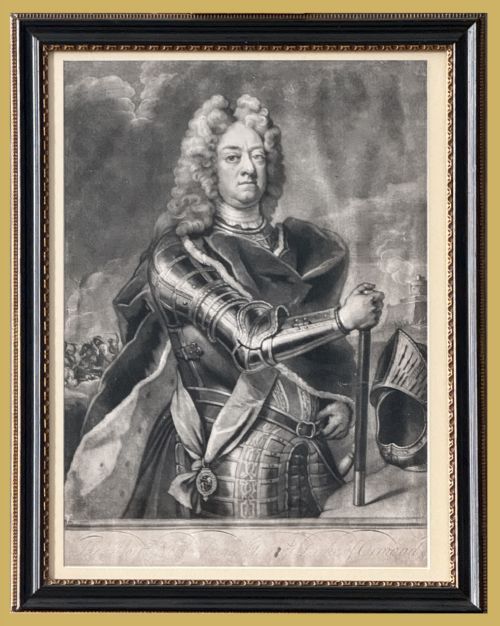
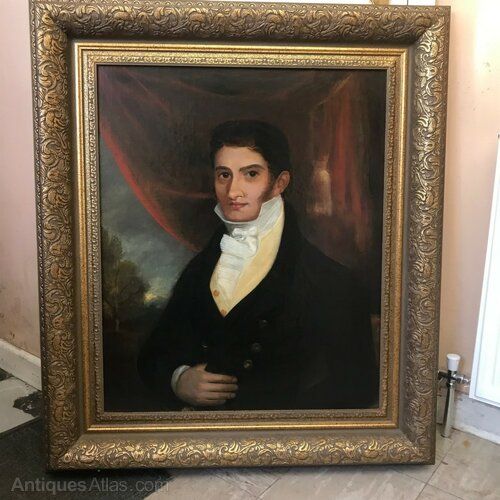
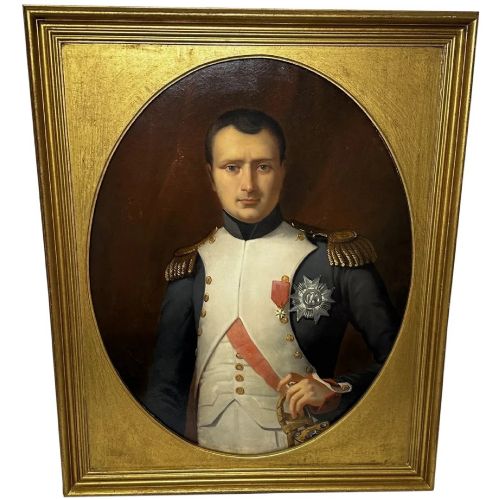
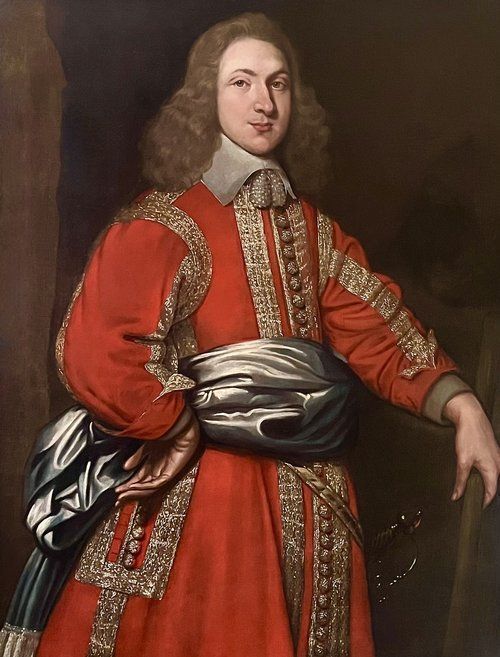
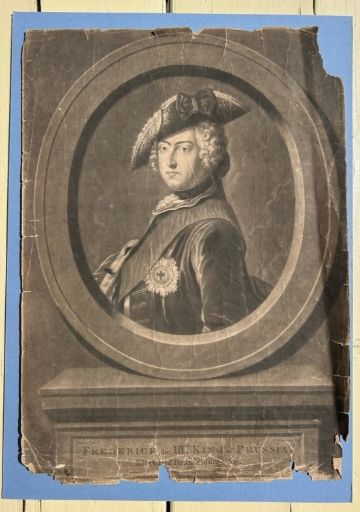
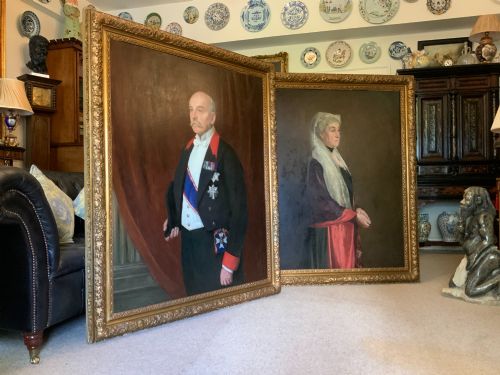
Historical military wall art spans oil paintings, framed prints, wood engravings and watercolours depicting officers, regiments and conflicts.
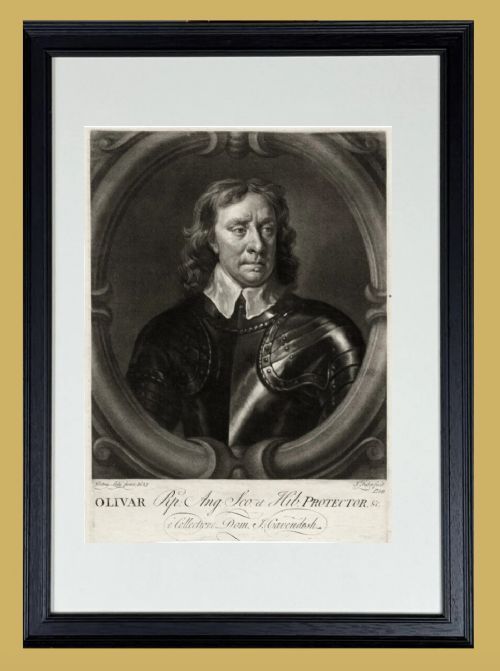
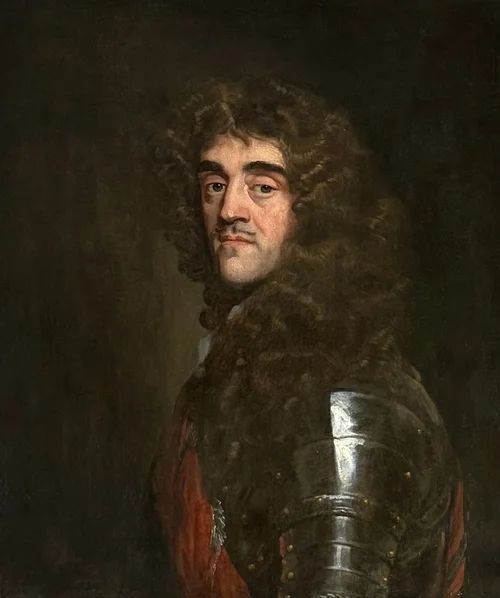
The selections range from seventeenth-century portraits of cavaliers in armour to nineteenth-century watercolours and twentieth-century battle scenes.
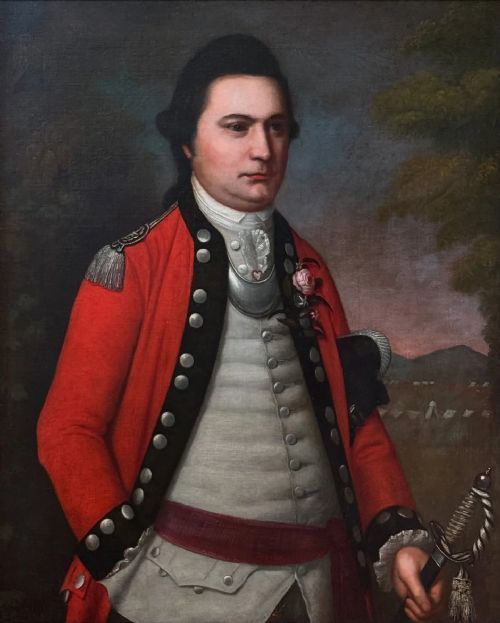
Portraits of officers and commanders dominate the offerings, alongside depictions of naval engagements and cavalry skirmishes.
Materials and Methods
Artists painted oil on canvas or worked in watercolour, ink and paper to record military figures and engagements.
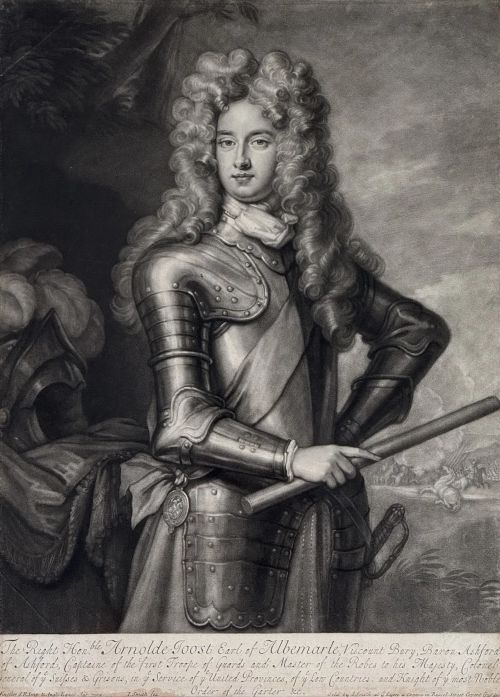
Publishers produced mezzotint and wood engravings on paper, frequently framing them with wood, glass and gold leaf or giltwood surrounds.
Listings feature oil paintings, mezzotints, wood engravings and watercolours spanning the seventeenth to twentieth centuries.
Assessing Quality
Quality rests upon the skill of the artist or engraver in capturing the likeness of the subject and the atmosphere of the campaign.
The preservation of the canvas, paper and framing materials dictates the visual clarity of the work.
The Historical Military Wall Art Glossary
- Mezzotint
- A printmaking process of the intaglio family where the artist works from dark to light to achieve rich tonal gradations. This technique suited seventeenth and eighteenth-century portraits.
- Engraving
- A method of cutting a design into a metal plate or wood block to hold ink for printing. Impressions on paper captured fine details of uniforms and battle formations.
- Giltwood
- Wood carved and coated with gold leaf or a gold-coloured finish. This material framed important portraits and works on paper.
- Cavalier
- A supporter of King Charles I during the English Civil War, frequently depicted in contemporary art with long hair and armour. The term denotes both the historical individual and the artistic style of portrayal.
Historical Military Wall Art: Frequently Asked Questions
What periods do these pieces cover?
The selections span from the seventeenth century through to the mid-twentieth century, capturing figures like Oliver Cromwell alongside twentieth-century commanders.
Works range from early oil portraits and mezzotints to later watercolours and printed battle records.
How were these artworks created?
Creators utilised oil on canvas, pen and ink, watercolours and printed methods such as wood and mezzotint engravings.
Framing materials typically include wood, glass and giltwood to protect and display the paper or canvas.
How do I identify officer portraits?
Portraits often feature subjects in full suits of armour, red coats, sashes or uniforms identifying specific historical regiments and campaigns.
Inscriptions on prints or canvases frequently name the sitter and the artist or after whom the work was created.
Where should I hang them?
These works suit studies, libraries and hallways where traditional wall art complements period interiors and historic decor.
Keep them away from direct sunlight to protect vulnerable watercolours, paper and oil on canvas.