
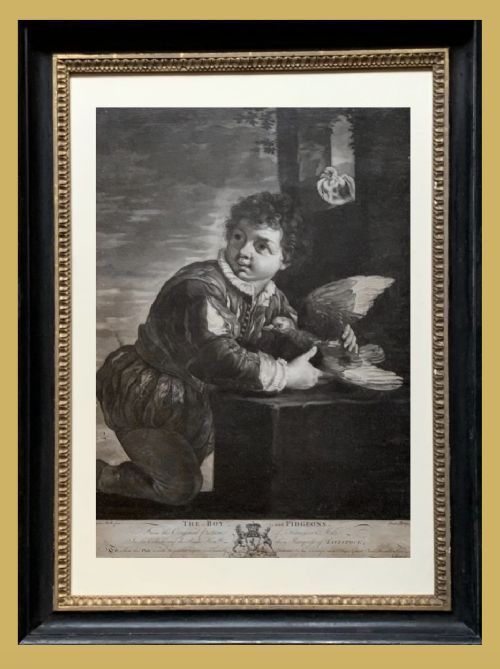
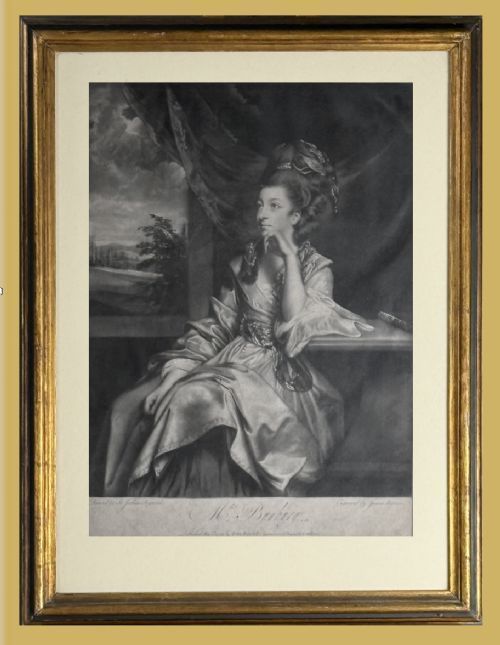
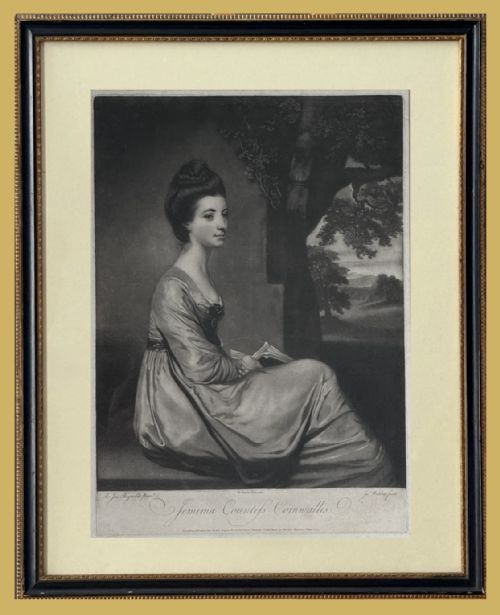
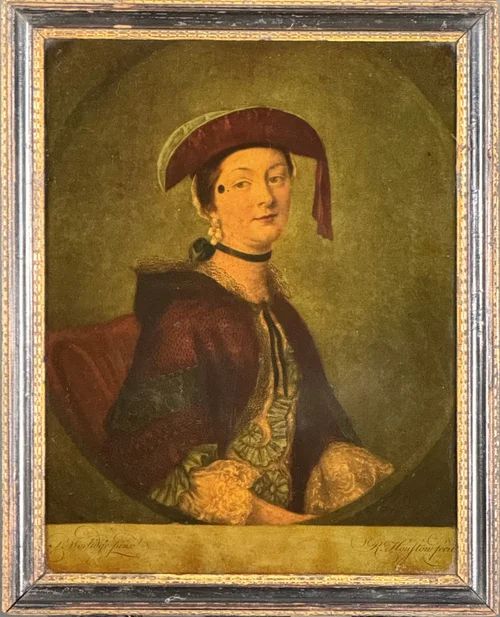
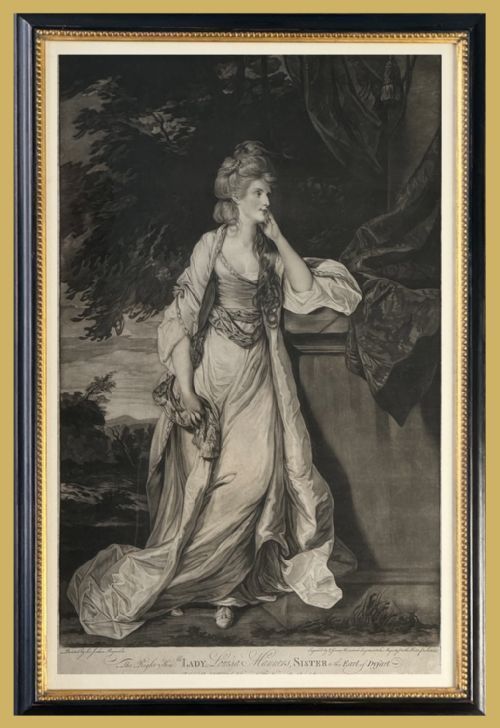
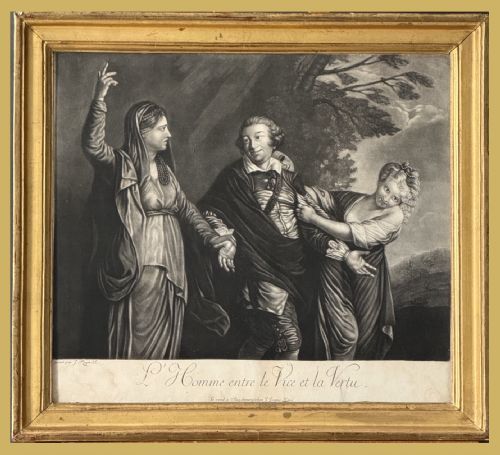
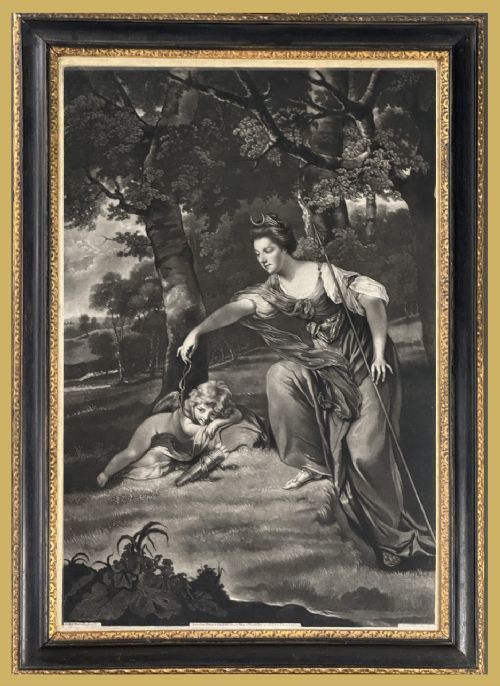
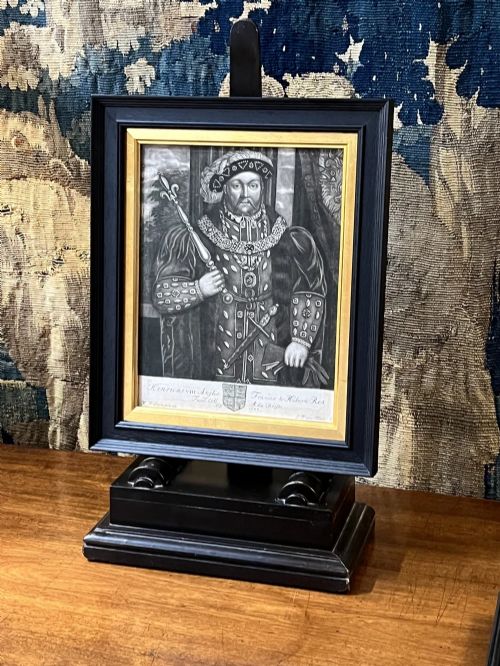

Gilt Framed Mezzotint
A gilt framed mezzotint brings rich tonal depth and historic character directly to your wall.
Gilt Framed Mezzotint
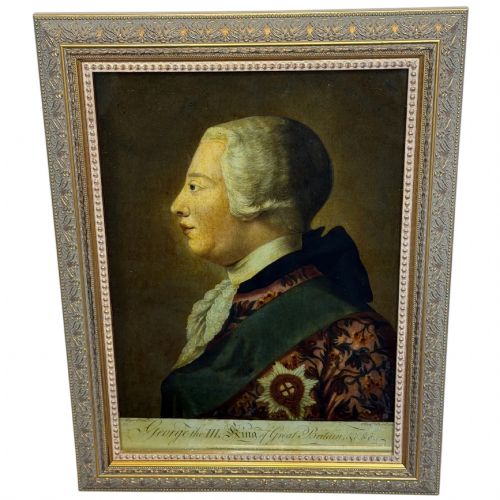
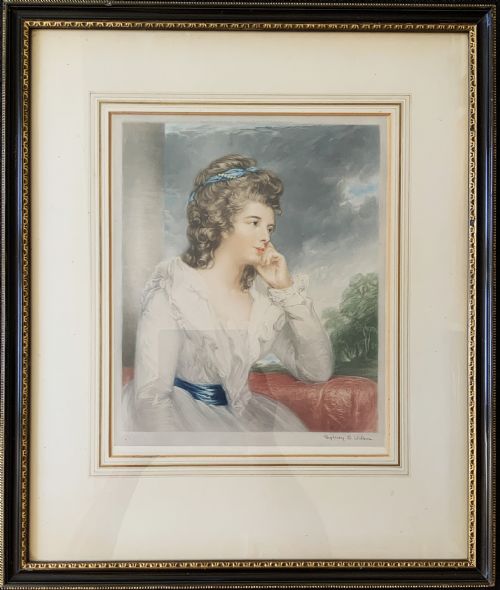
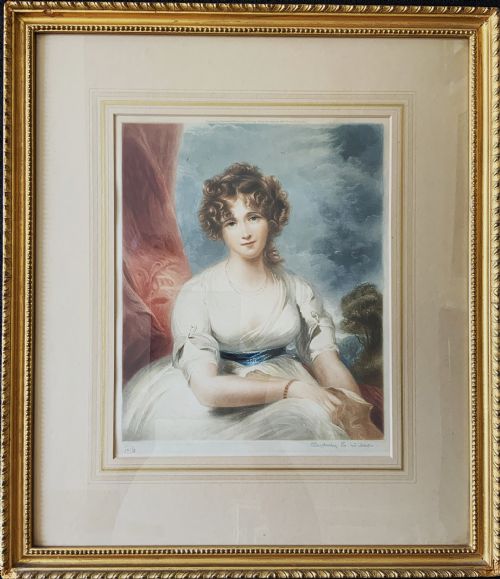
A gilt framed mezzotint represents a specialised form of printmaking that gained prominence for its velvety dark tones and subtle gradations of light. When searching for a gilt framed mezzotint, you will encounter works spanning the eighteenth century through to the Edwardian era, with Georgian and Regency examples appearing frequently alongside Victorian and Edwardian interpretations.
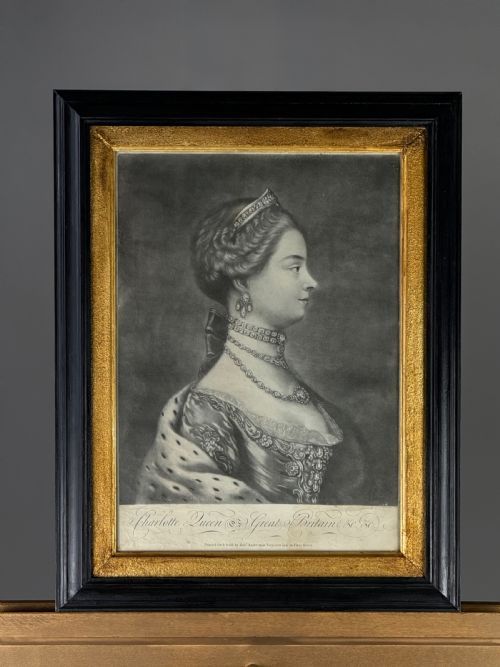
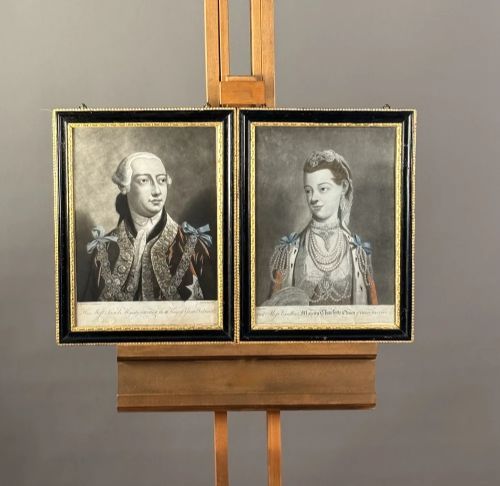
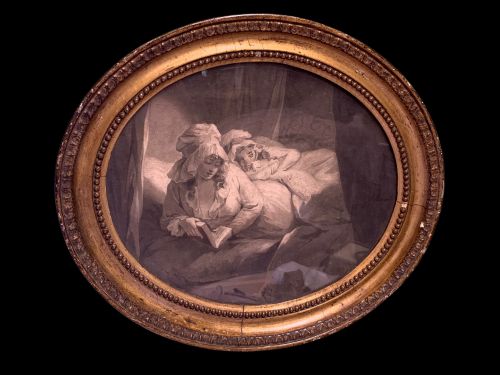
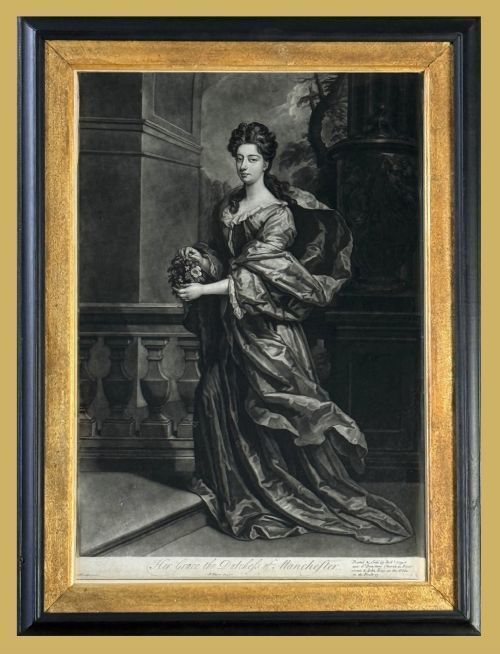
The subjects on this page lean heavily towards portraiture of nobility and historical figures, alongside occasional narrative scenes after painters such as Sir Joshua Reynolds. These works are housed in period wooden frames enhanced with gold leaf or giltwood, sometimes accompanied by reverse glass variants where the image sits beneath protective glass.
Collector interest centres on the interplay between the deep ink impressions of the print and the reflective quality of the original gold leaf frame. Many pieces survive in pairs or sets, particularly royal portraits and seasonal allegories from the Georgian period.
Materials and production techniques
The creation of a mezzotint relies on roughening a copper plate with a rocker to hold ink thoroughly across the entire surface. Artisans then scrape and burnish areas back to achieve lighter tones, producing rich velvety blacks and smooth gradients that distinguish this technique from standard line engravings.
Paper serves as the primary support for the ink, held within wooden frames shaped from materials like giltwood or finished with gold leaf. Certain variations utilise glass for reverse painting and printing techniques, paired with silk needlework or specific black glass elements within the frame structure.
Listings feature works spanning the eighteenth century through to the Edwardian period, executed on paper and glass within gold leaf and giltwood frames.
Factors determining quality
The depth and clarity of the ink impression on the paper dictate the visual power of the piece, as plates worn down from numerous printings yield fainter, muddier details. Early impressions retain a velvety richness in the dark areas that later reprints lose entirely.
The preservation of the original wooden frame and its gold leaf finish contributes significantly to the integrity of the object. Frames that retain their original gilding without excessive restoration complement the tonal weight of the print far better than mismatched modern replacements.
John Boydell·James Watson·Charles Spooner·Valentine Green·Jiohan Elis Haid·John Faber Snr·James McArdell·Thomas Frye·John Faber Jnr·Richard Purcell·Sydney Wilson·Edward Stodart·I R Smith
The Gilt Framed Mezzotint Glossary
- Mezzotint
- A printmaking process where the copper plate is roughened uniformly and scraped to create tones rather than lines. This method allows for subtle gradations of light and shadow.
- Giltwood
- Wood that has been carved and coated with gold leaf or a gold-coloured finish. It forms the decorative outer boundary for many historic prints.
- Reverse glass
- A technique where the image is painted or printed directly onto the underside of a glass panel. This method creates a glossy surface finish that protects the medium underneath.
- Artist proof
- An impression taken from a printing plate to test the progress of the work before the main edition is run. These are often signed by the printmaker.
- Crystoleum
- A Victorian method of applying a coloured print to convex glass and clarifying it with oil paint. It provides a layered, three-dimensional appearance to the image.
Gilt Framed Mezzotint: Frequently Asked Questions
What is a mezzotint?
A mezzotint is an intaglio printmaking process invented in the seventeenth century that permits the reproduction of paintings with rich tonal gradations. Instead of relying on lines, the artist works from dark to light by smoothing a roughened copper plate.
The resulting prints are celebrated for their velvety shadows and smooth highlights, making them a favoured medium for reproducing grand portraits of the Georgian era.
How do I hang these prints safely?
These framed works require sturdy picture hooks suited to the weight of wood and glass construction. Avoid placing them in direct sunlight to protect the ink and paper from fading.
Maintaining a stable room temperature prevents the historic wooden frames and gold leaf from expanding or contracting excessively.
How do I identify a period frame?
Period frames often display hand-carved wooden construction beneath the gold leaf, showing signs of age such as minor shrinkage cracks or gentle wear to the gilding. They are constructed using traditional joinery methods appropriate to the eighteenth or nineteenth centuries.
Mismatched modern mouldings differ noticeably in their uniformity and lack the subtle patination accumulated over generations.
What are reverse glass prints?
Reverse glass prints involve applying the image directly to the rear surface of the glass pane rather than standard paper. This technique gives the artwork a glossy, luminous sheen and protects the pigments from atmospheric dust.
They appear frequently in Georgian and Regency interiors, often framed in simple gilded wood.