



Glass Picture Framed
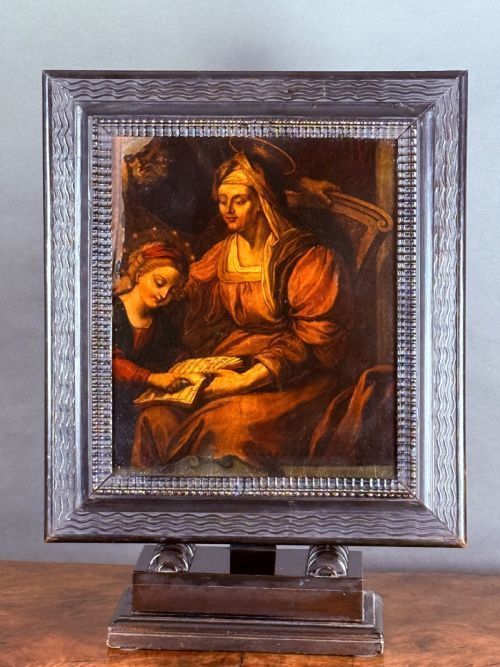
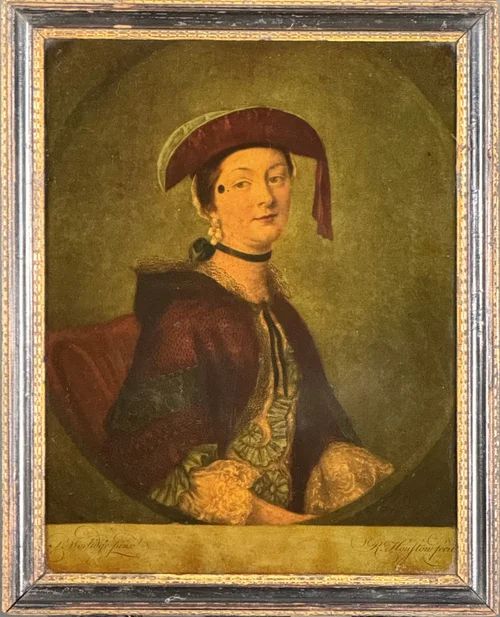
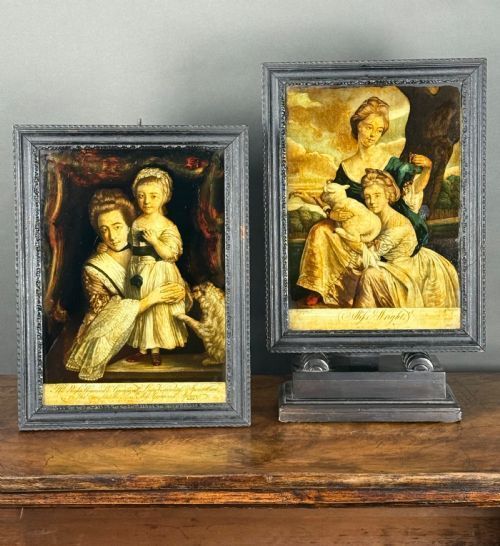
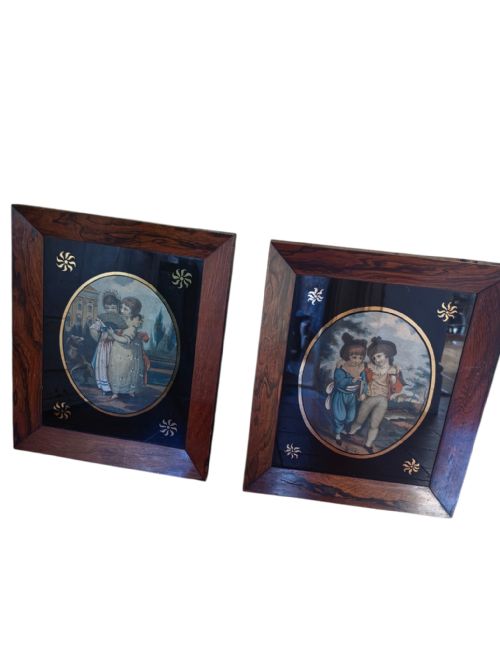
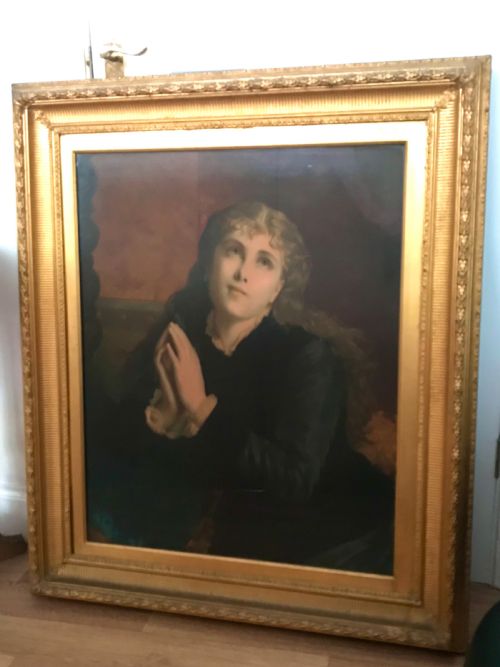
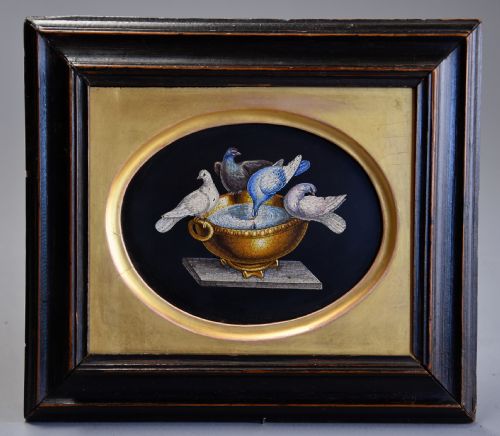
These pieces of glass picture framed span centuries, bringing together reverse paintings, prints and mirrors mounted behind glass in period frames.
Glass Picture Framed
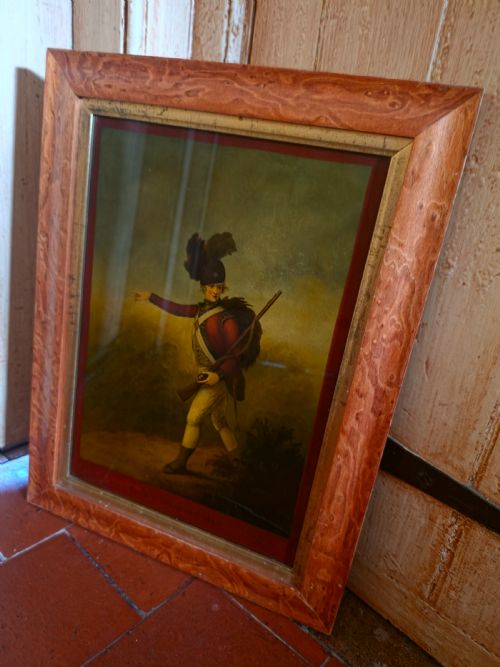
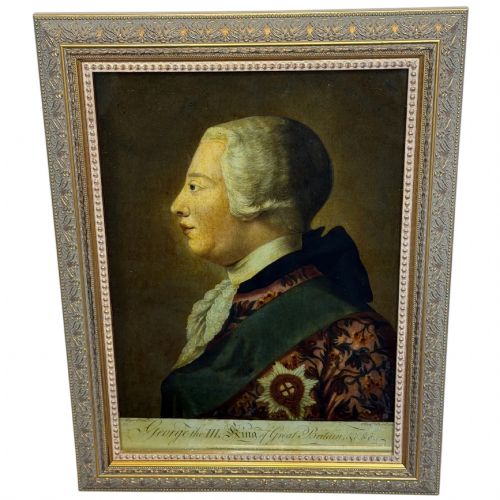
A glass picture framed search brings up a distinct variety of wall art and mirrors, with reverse glass prints, mezzotints and paintings forming the core of the selection. These works range from eighteenth century portraits and allegorical seasonal scenes to nineteenth century military subjects and maritime engagements.
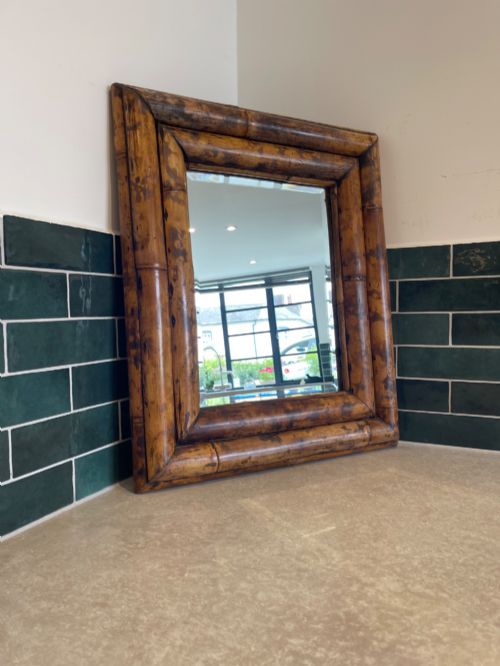
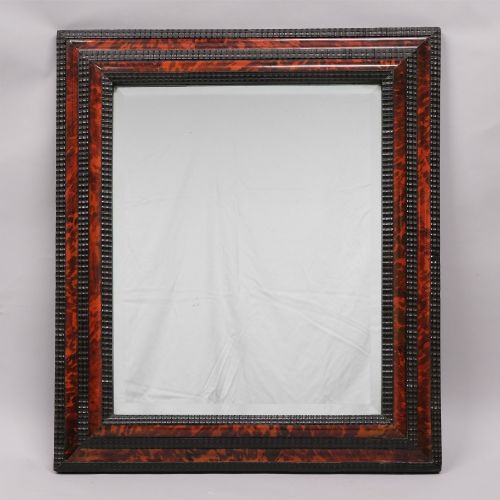
Buyers frequently encounter Georgian and Victorian examples alongside twentieth century decorative mirrors and Japanese glass paintings. The framing is integral, utilising period materials like rosewood, maple, tortoiseshell ripple moulding and giltwood to protect and display the fragile glass surface within.
How they were made
Makers applied oil paint, pigment or ink directly to the reverse side of a sheet of glass, painting or transferring prints face down so the image resolves correctly when viewed through the front. This technique required artists to paint fine details and highlights first, finishing with background layers.
The finished glass plates were then secured into wooden frames, often incorporating paper linings, backing boards, and protective elements such as ebonised or gilt wood surrounds to keep dust and moisture from degrading the pigment.
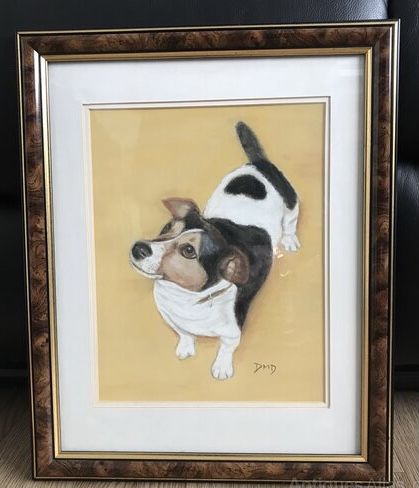
Several panels capture dogs, ducks, and naval battles, proving historic artists enjoyed painting a scrappy terrier just as much as an archduke.
What varies in quality
The distinction between ordinary and exceptional pieces lies in the precision of the brushwork and the clarity of the transfer during the reverse painting process. Finer examples display meticulous facial expressions, rich pigmentation, and well-preserved metallic leaf details that do not show flaking or bubbling.
Originality of the frame holds equal weight in overall merit, with period frames matching the exact age and proportion of the glass panel rather than serving as later replacements.
Fletcher·Sebastiaan Vrancx·Charles Spooner·Richard Purcell·Robert Sayer·Takabatake Kasho
The Glass Picture Framed Glossary
- Reverse glass painting
- A technique where an artist paints or transfers an image onto the back of a glass panel so it is viewed from the front. The process demands working in reverse, applying details before background layers.
- Mezzotint
- A printmaking process where the copper plate is roughened to produce dark tones, allowing smooth gradations of light. These prints were often transferred directly onto glass for hand colouring.
- Crystoleom
- A Victorian method of applying a lithographic print to glass, making the paper transparent with oil, and painting the reverse side by hand. This created depth and a porcelain-like finish.
- Eglomise
- A process of applying cold painting and gold or silver leaf to the reverse of glass. It provides a reflective, decorative border or background for pictures and mirrors.
Glass Picture Framed: Frequently Asked Questions
Are these paintings original works?
Many items combine printed mezzotints applied to the glass with hand-colored pigment applied directly by the artist. Others are entirely freehand oil or pastel paintings executed straight onto the glass panel.
Makers utilised popular portraiture and allegorical subjects of the period, meaning multiple historic versions of successful compositions often exist.
How do I hang a heavy framed glass picture?
Due to the combination of heavy glass sheets, wooden frames, and backing boards, proper picture hooks screwed directly into wall studs are essential. Wire or cord on the back should be checked for strength before hanging.
Keep the pieces out of direct sunlight to prevent the pigments and printed inks behind the glass from fading over time.
How can I tell the age of the frame?
Look at the construction methods of the wood, such as handmade joints, old backing boards, and historic glass characteristics like subtle bubbles and waviness. Frames often provide the clearest dating evidence through their specific mouldings and finishing techniques.
Rosewood, maple, and giltwood styles shift across the Georgian, Regency, and Victorian eras, matching the stylistic cues of the artwork inside.