




Georgian Tabletop Cabinet
A georgian tabletop cabinet brings compact utility and cabinetmaker precision to a desk or surface, holding small treasures or documents.
Georgian Tabletop Cabinet
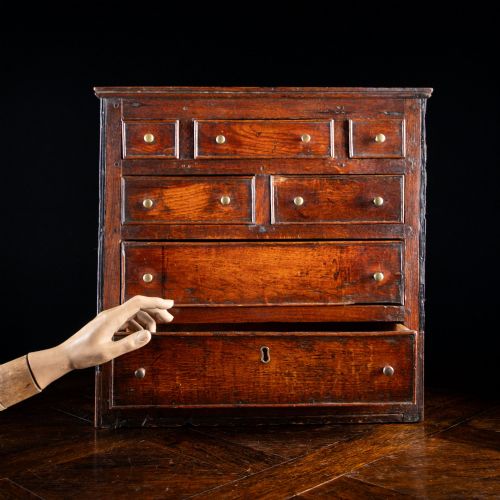
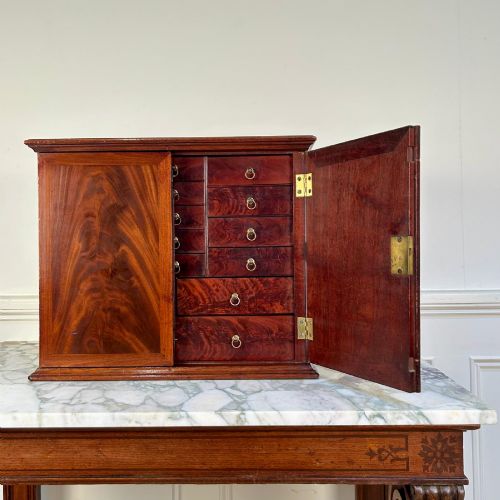
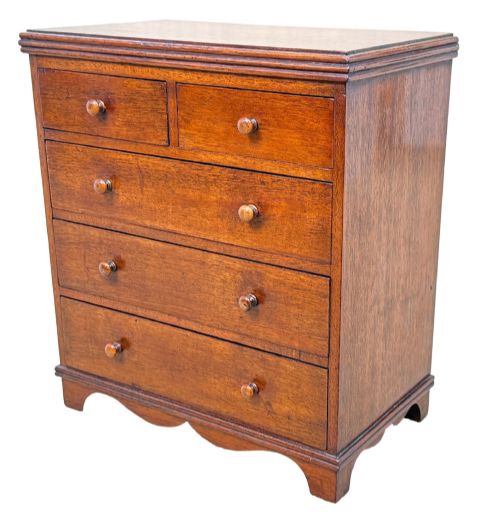
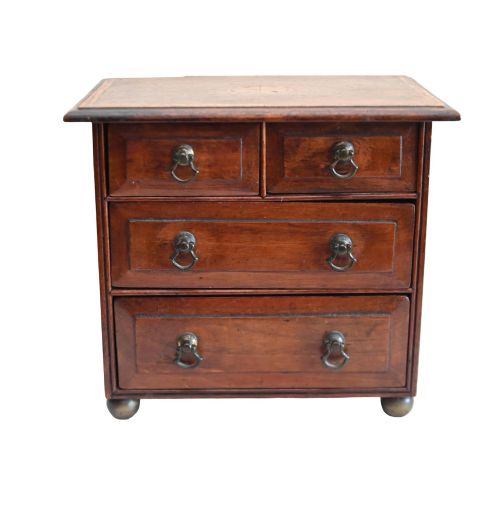
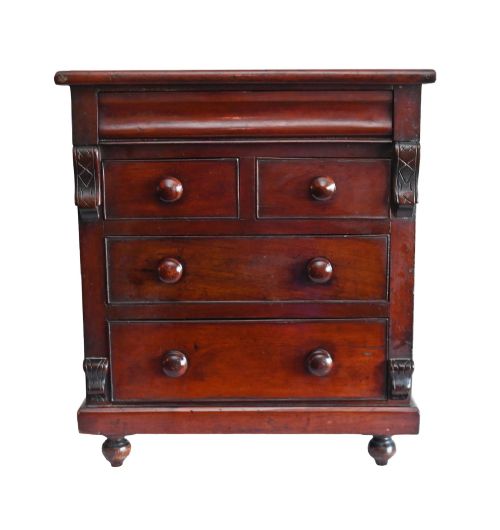
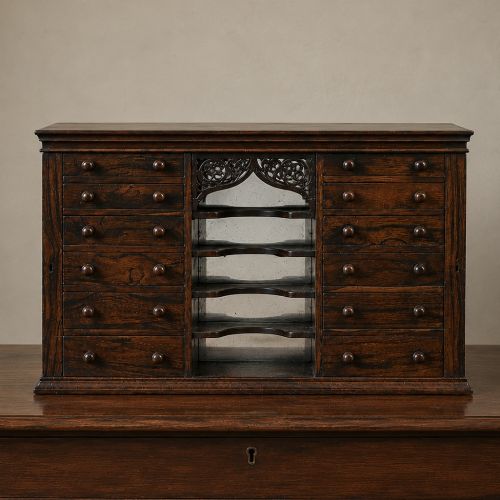
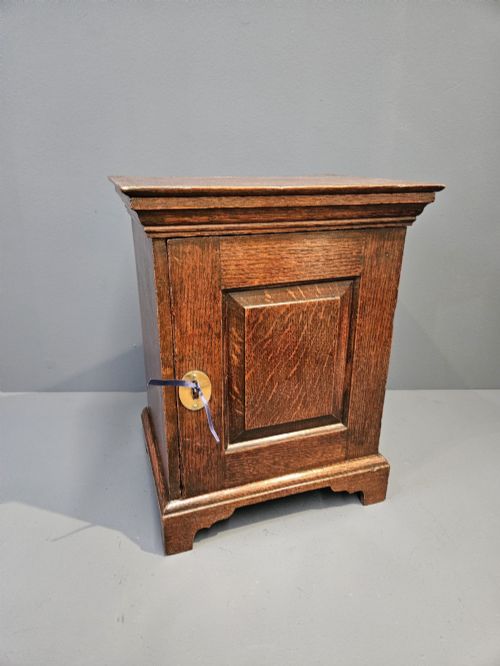
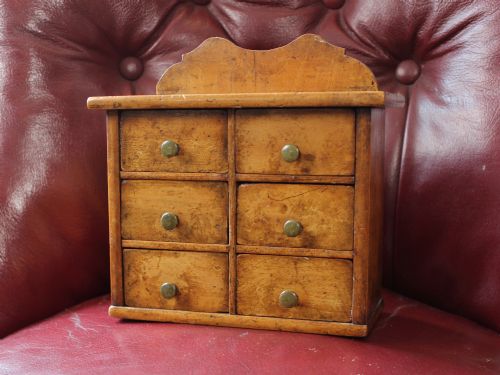
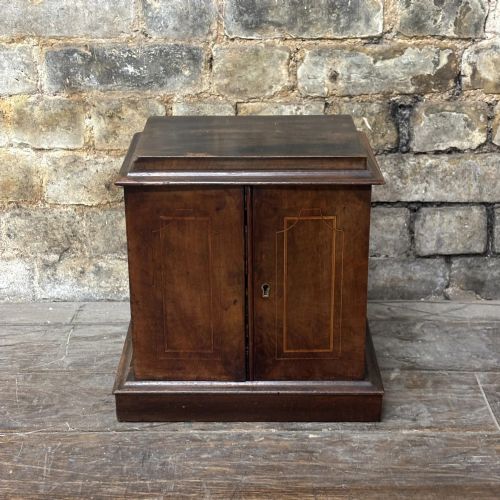
A georgian tabletop cabinet encompasses small-scale chests of drawers, spice cupboards, stationery boxes, and miniature bureaus originating primarily from the eighteenth and nineteenth centuries. These pieces reflect full-scale domestic furniture translated down in size, often made as apprentice pieces or specialised containers for collectors and valuables.
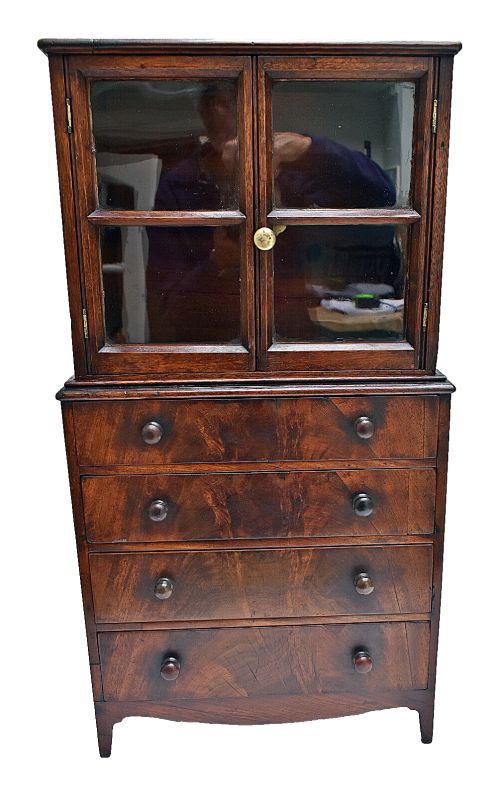
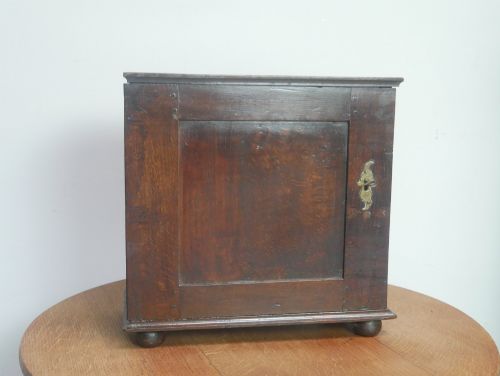
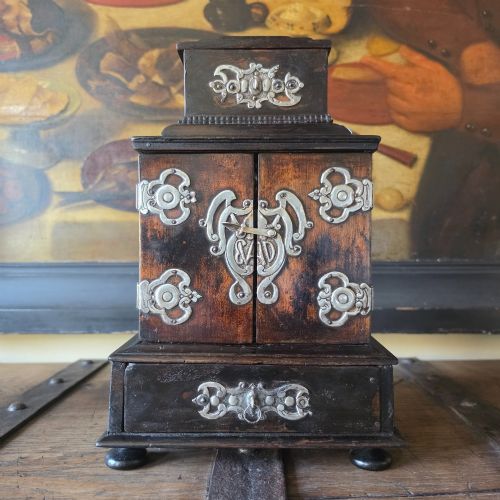
Tabletop forms range from slope-front writing boxes and kneehole desks to tall collectors' cabinets and glazed display pieces. Oak and mahogany dominate the surviving examples, shaped into functional vessels for domestic organisation.
Materials and construction
Makers utilised dense cabinet timbers such as mahogany, oak, and walnut, frequently enhancing surfaces with boxwood stringing, penwork decoration, or rich veneers. Brass hardware, including drop handles and escutcheons, provides structural accent and functional utility on drawers and doors.
Joinery relies on traditional techniques suited to miniature proportions, with dovetailed drawer construction and panelled carcases. Secondary woods support primary veneers, while glass panels and mirrored elements appear in display-focused examples.
Georgian Tabletop Cabinet Retail Price Guide 2026
Typical asking prices for georgian tabletop cabinet among the pieces listed under this phrase on Sellingantiques today, from the lower quarter to the upper quarter. They describe what is for sale here now, not the wider market.
Listings feature woods including mahogany, oak, walnut, rosewood, fruitwood, elm, boxwood, and amboyna across multiple centuries.
Evaluating workmanship
Quality reveals itself in the crispness of the joinery and the proportional harmony between the miniature scale and full-sized furniture design. Subtle details like fine dovetailing on drawer boxes and restrained use of inlay distinguish superior cabinetmaking from basic utility work.
The choice of timber grain and the preservation of original brass fittings significantly influence the character of each piece. Superior examples maintain uncompromised cabinet integrity and crisp surface patination developed over centuries of handling.
The Georgian Tabletop Cabinet Glossary
- Miniature furniture
- Small-scale replicas of full-sized furniture made as maker demonstrations, apprentice pieces, or specialised desktop furnishings.
- Spice cupboard
- A small wall-mounted or tabletop cabinet containing multiple small internal drawers designed for storing spices, herbs, or valuables.
- Apprentice piece
- An item created by a trainee craftsman to demonstrate mastery of joinery and woodworking techniques before joining a guild.
- Penwork
- A decorative surface technique using ink drawings on wood, often finished with protective clear coats.
- Stringing
- Thin inlay lines of contrasting wood, such as boxwood, used to edge drawer fronts and tabletops.
Georgian Tabletop Cabinet: Frequently Asked Questions
How do I date a georgian tabletop cabinet?
Dating relies on identifying timber choices, construction methods, and stylistic cues associated with periods like the Georgian, Regency, or Victorian eras. Oak predominates in earlier seventeen-hundreds pieces, while mahogany and rosewood become more common by the late eighteenth and nineteenth centuries.
Hardware styles, dovetail fineness, and secondary timbers further help narrow the decade of manufacture.
Were these cabinets made by apprentices?
Some small chests and cabinets represent apprentice pieces created to prove a craftsman's skill in miniature proportions.
Others were produced commercially as luxury items for wealthy households needing desktop storage for documents or collections.
How should I care for antique wood surfaces?
Maintain antique timber by keeping pieces away from direct sunlight and fluctuating heat sources that cause wood to dry and split. Regular dusting with a soft, dry cloth preserves the aged patination without damaging the finish.
Apply occasional specialist wax if the wood appears dry, following the grain direction gently.