


Georgian Sugar Sifter
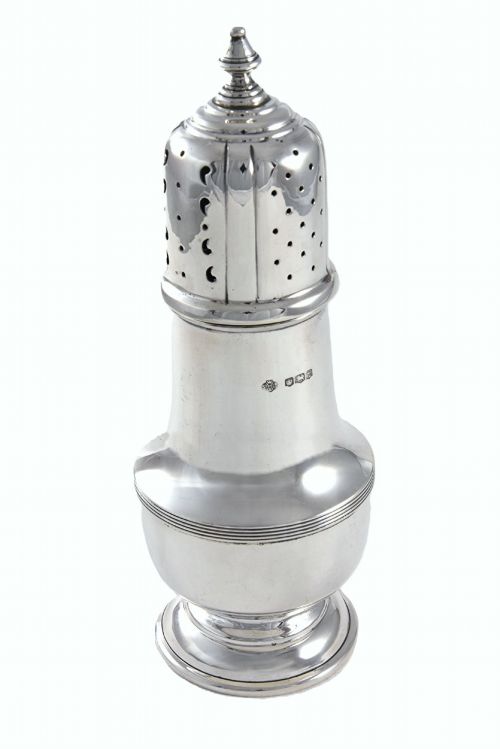
A georgian sugar sifter brings perforated elegance to the tea table, scattering fine sugar through pierced silver bowls and tall casters.
Georgian Sugar Sifter
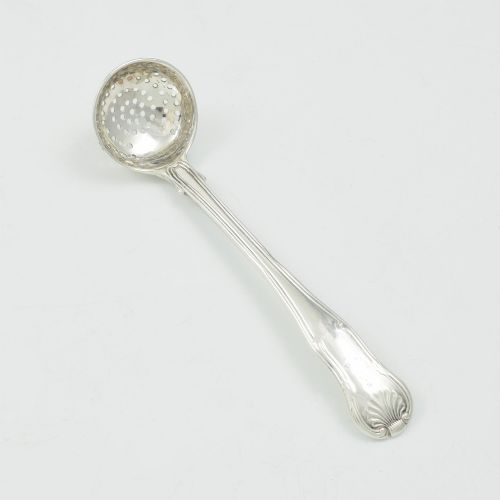
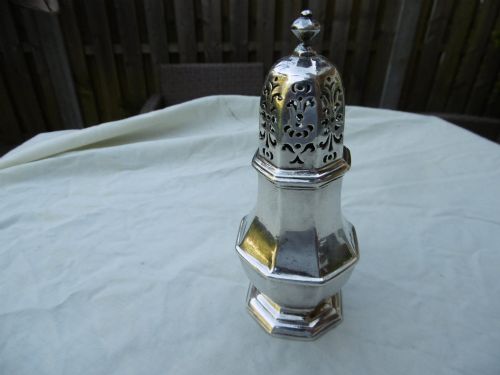
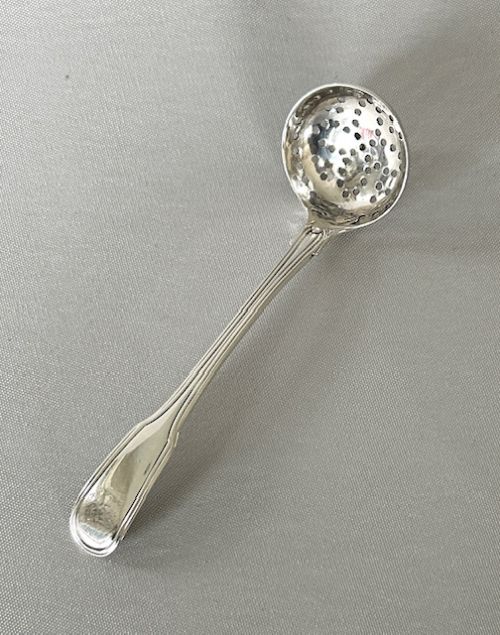
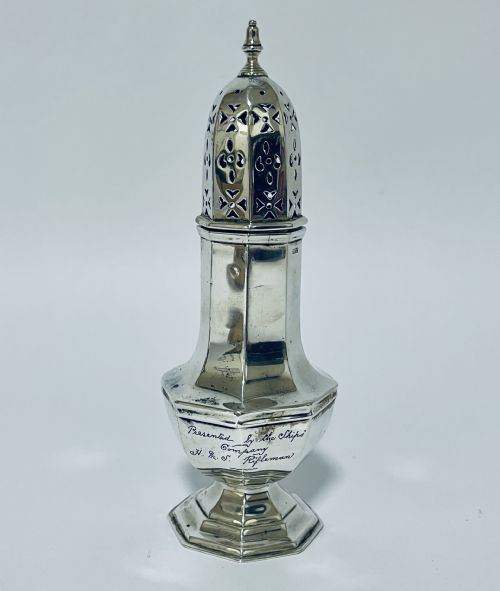
A georgian sugar sifter encompasses both table spoons with pierced bowls and standing silver casters or muffineers designed to distribute granulated sugar. You will frequently encounter nineteenth-century revival pieces alongside genuine period items from the eighteenth and nineteenth centuries.
The forms range from pierced spoons and Onslow pattern servers to octagonal casters, tall shakers, and cut glass vessels mounted in sterling silver. These utensils reflect the changing dining habits and social rituals surrounding tea and dessert.
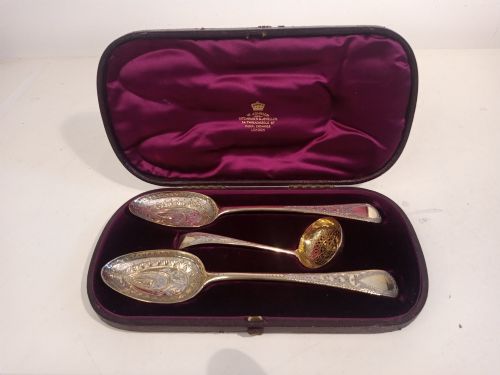
Origins span Georgian, Victorian, and later revival periods, demonstrating how silversmiths continually returned to these classic forms. Pieces appear individually or paired within fitted cases alongside related flatware.
How they were made
Silversmiths shaped sterling silver and silver-gilt through hammering, casting, and piercing, creating intricate patterns of holes in spoon bowls and caster tops. Cut glass bodies also appeared, secured with silver mounts and pierced lids.
Cases lined with velvet, silk, fabric, or leatherette protected delicate sets of spoons and casters when not in use. These fitted containers often matched the precision and care put into the silver utensils inside.
Georgian Sugar Sifter Retail Price Guide 2026
Typical asking prices for georgian sugar sifter among the pieces listed under this phrase on Sellingantiques today, from the lower quarter to the upper quarter. They describe what is for sale here now, not the wider market.
Some spoons carry family crests, letting you ponder the unknown ancestors who sweetened their tea centuries ago.
What varies in quality
The crispness of the piercing across the sifter bowl or caster top determines the visual sharpness of the design. Finer pieces maintain balanced proportions and clear maker marks that withstand close inspection.
Weight and gauge of the sterling silver dictate the substance of the spoon or caster in the hand. Substantial metal thickness and well-executed decorative patterns distinguish superior examples from standard production.
Stephen Adams·The Barker Brothers·Roberts & Belk
The Georgian Sugar Sifter Glossary
- Muffineer
- A small caster used for sprinkling sugar or salt over muffins or toast. This term often applies interchangeably with sugar shakers in eighteenth-century contexts.
- Caster
- A standing vessel with a perforated top designed for shaking sugar or spices onto food. These objects sit on pedestals and feature removable lids.
- Caddy spoon
- A short-handled spoon used for measuring loose tea leaves from a caddy into the teapot. They frequently share stylistic details with sifter spoons.
- Silver-gilt
- Silver that has been coated with a thin layer of gold on its surface. This technique adds a rich warm tone to the interior of bowls or specific decorative highlights.
- Onslow pattern
- A distinctive eighteenth-century flatware design featuring a scroll terminal that curls backward. It appears frequently on early sifter spoons.
Georgian Sugar Sifter: Frequently Asked Questions
What is a sugar sifter used for?
A sugar sifter scatters fine sugar over cakes, desserts, or tea. The pierced bowl or perforated lid controls the flow of the grains.
These tools became essential during the popularity of refined sugar in domestic dining. They bridge the gap between practical kitchenware and decorative tabletop silver.
How do I distinguish a spoon from a caster?
Sifter spoons feature perforated bowls designed to scoop and dust sugar simultaneously. Casters are vertical containers that stand on a base and shake sugar from a pierced top.
Both forms served the same sweetening function at the table but used different mechanical methods. Spoons remained closely tied to tea service while casters sat among general tableware.
How do I care for antique silver?
Antique silver requires gentle cleaning with a soft cloth and specialised silver polish only when necessary. Avoid harsh abrasives that wear down the hallmarks and surface detail.
Store pieces in dry environments away from direct sunlight to preserve any fitted velvet or silk cases. Regular handling prevents tarnish from settling heavily into engraved or pierced recesses.
Are fitted cases original?
Fitted cases lined with velvet, silk, fabric, or leatherette often accompanied sets of spoons or casters meant for gifting or storage. These boxes protect the silver from scratches and movement.
Examining the interior contours helps confirm whether the case was made specifically for the enclosed utensils. Such sets indicate high-status presentation and careful preservation.