
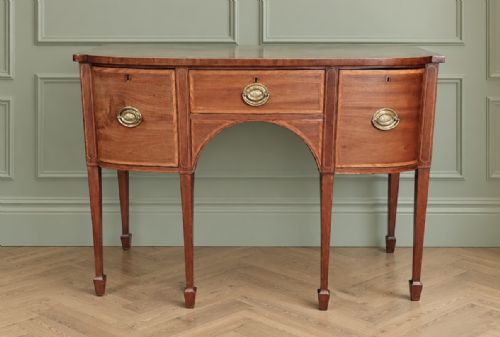
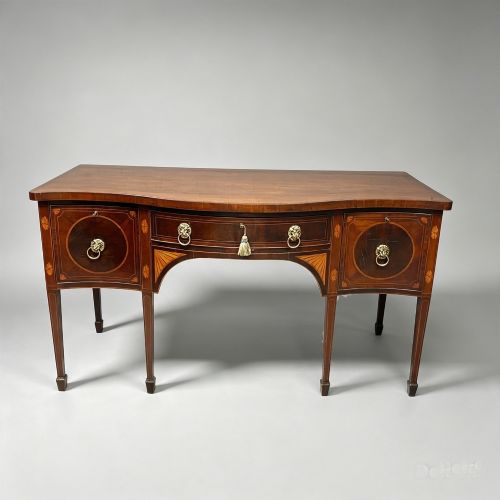
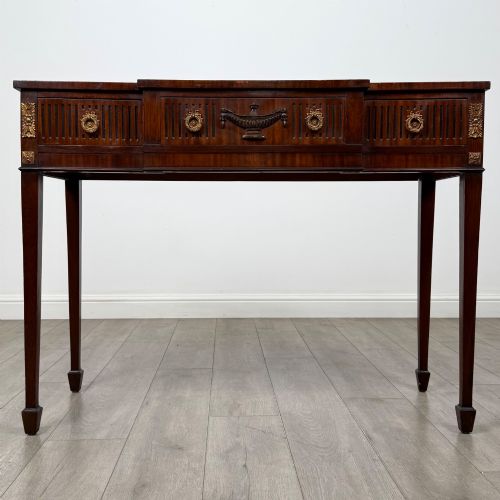
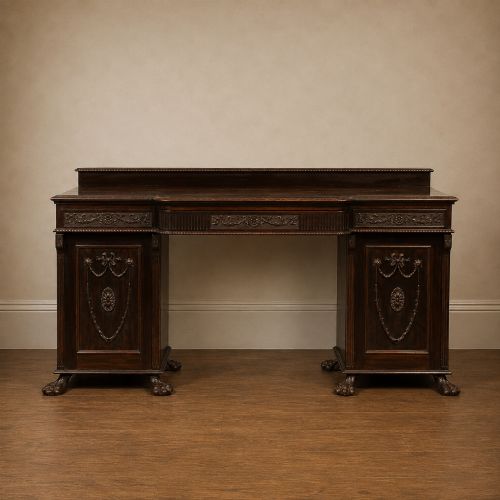
Georgian Style Server Table
A georgian style server table provides surface and storage, uniting classic proportions with the practical utility of period dining rooms.
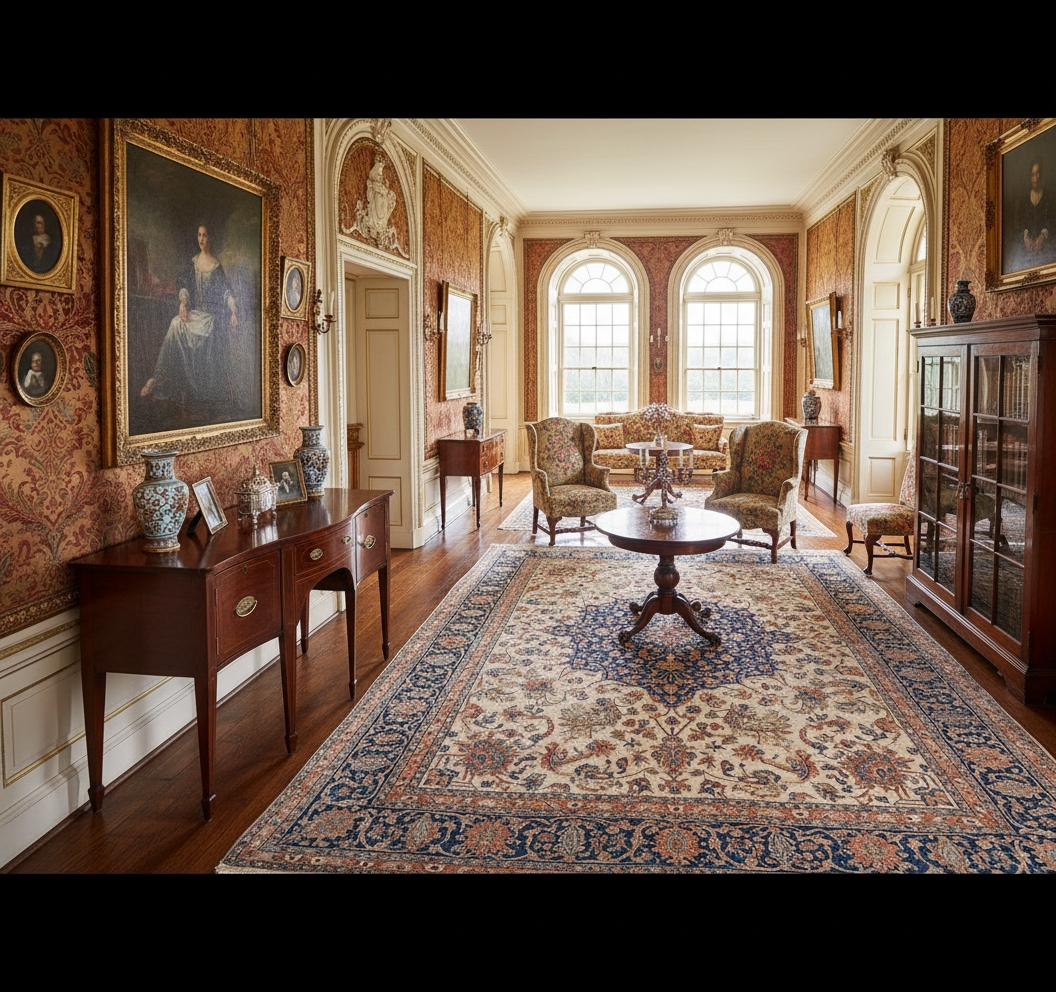
Georgian Style Server Table
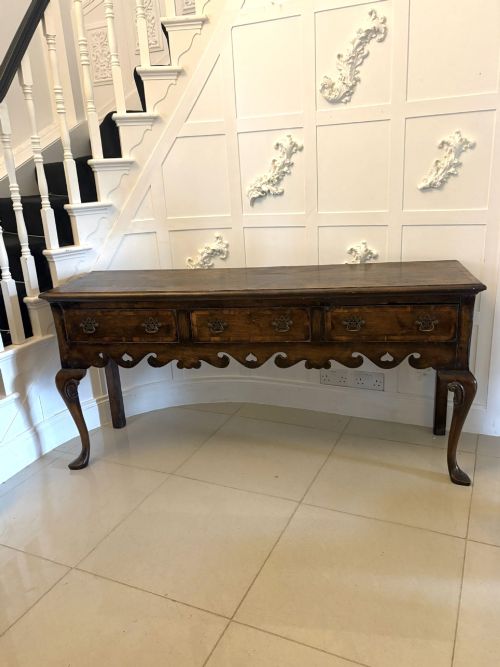
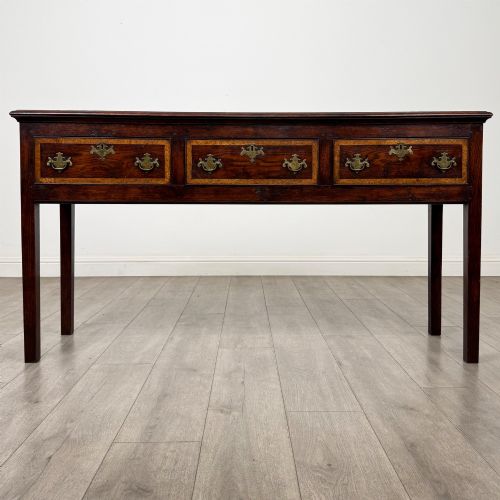
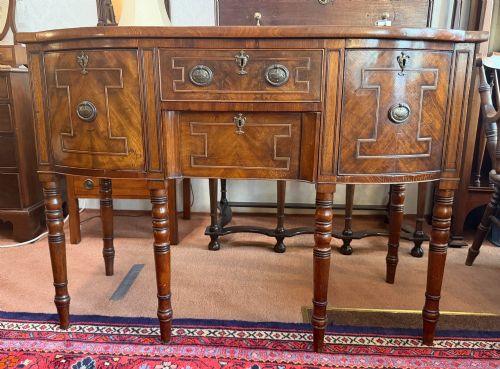
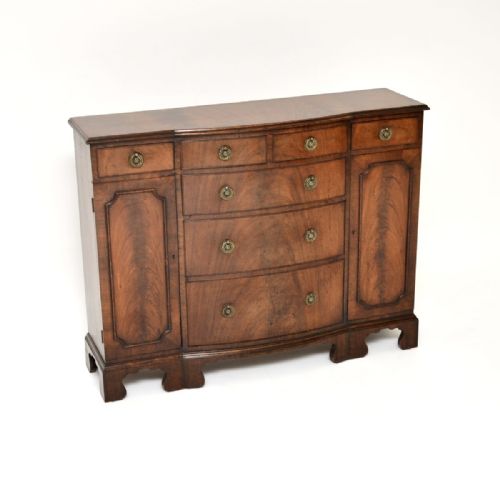
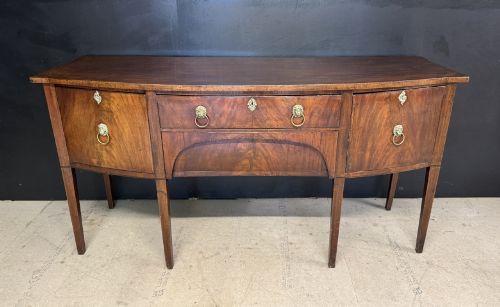
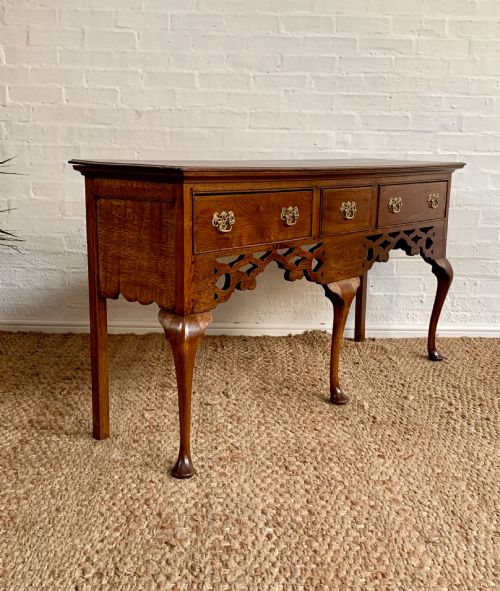
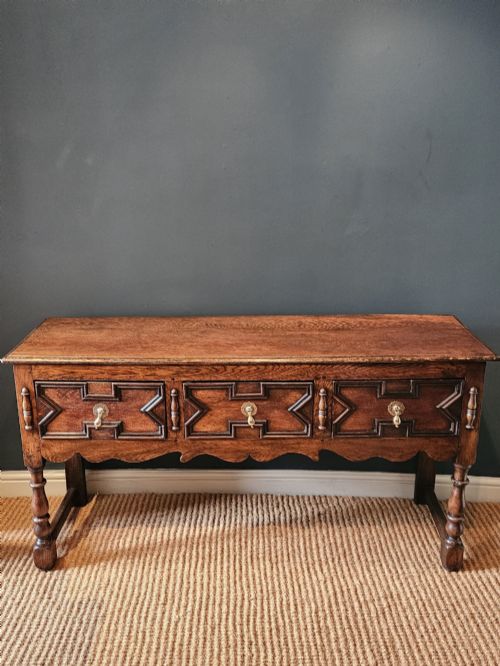
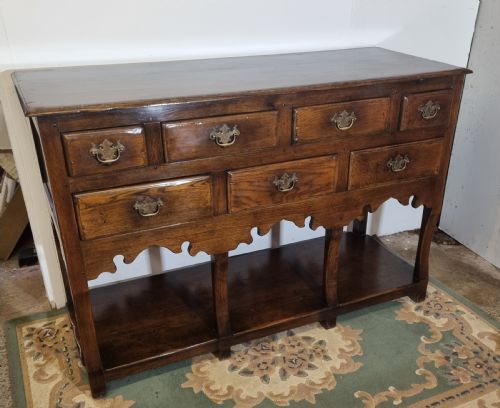
A georgian style server table encompasses diverse forms such as sideboards, console tables, side tables, and dresser bases designed for dining and serving. These pieces emerge across periods spanning the eighteenth and nineteenth centuries into the twentieth century, including Edwardian revivals and later interpretations.
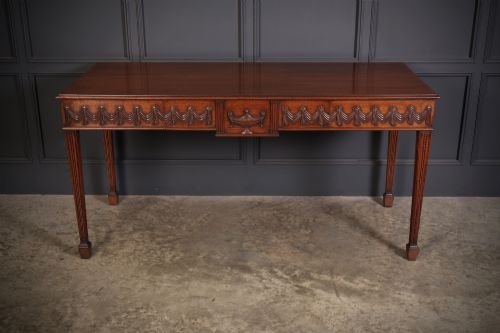
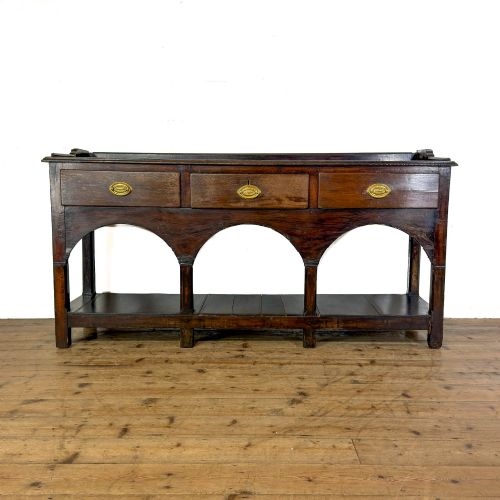
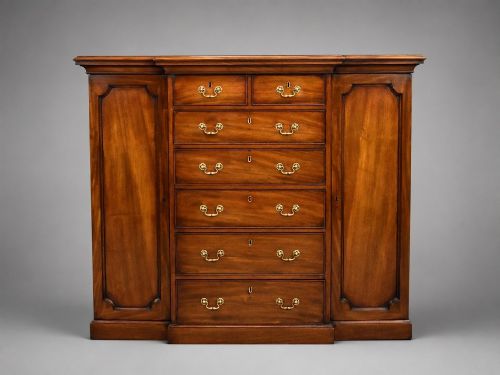
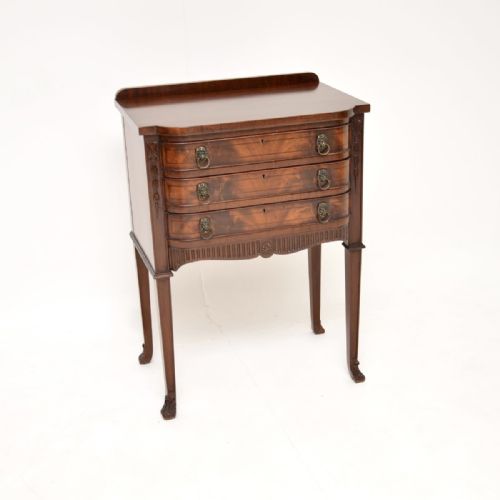
The most frequent examples on this page are mahogany and oak server tables, featuring stylistic influences from Sheraton, Adam, and Regency designs. Buyers encounter bow-fronted shapes, serpentine fronts, and breakfront profiles alongside simpler country house potboard bases.
Makers and workshops adapted these proportions for formal dining rooms and informal country interiors alike, utilising regional cabinet-making traditions. The resulting pieces range from grand pedestal sideboards to compact side tables with drawer storage.
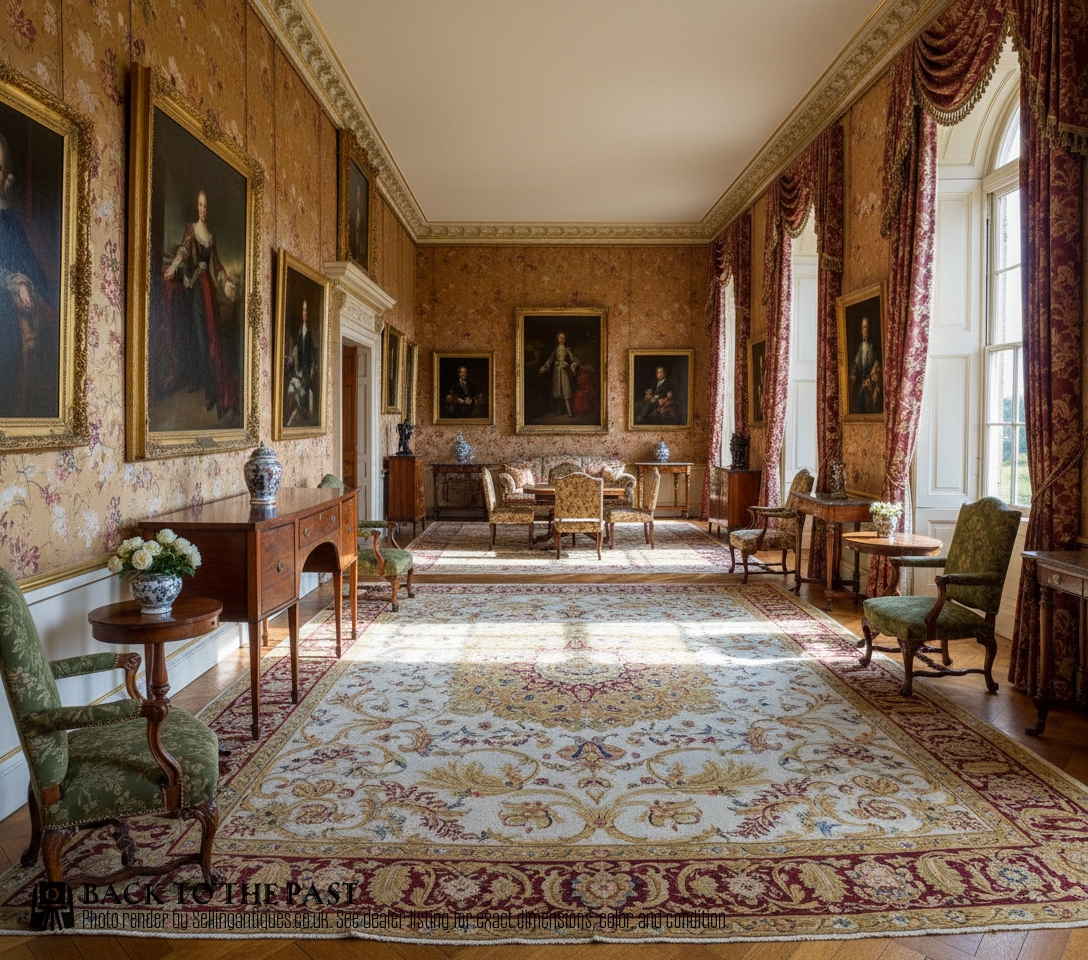
Assessing quality in server tables
Quality rests in the selection of timber figures, such as figured mahogany flame veneers or burr walnut grain, matched carefully across drawer fronts and top boards. Superior examples display crisp inlay work, precise brass hardware, and well-balanced proportions.
Structural integrity separates workshop execution, seen in smooth drawer runs, tight joints, and stable timber movement over centuries. Lesser pieces rely on heavier secondary woods or simpler joinery without the refinement of period revival standards.
A revolving dumb waiter in mahogany allows quiet dining without servants listening in.
The Georgian Style Server Table Glossary
- Server table
- A long surface used for holding food and dining accessories during meals. It shares lineage with sideboards and console tables.
- Dresser base
- A lower storage unit featuring drawers and sometimes an open potboard shelf below. These pieces originated in kitchens and dining spaces for domestic service.
- Serpentine
- A front contour characterised by a convex centre flanked by concave curves. This line demands precise woodworking to execute successfully.
- Potboard
- An open lower shelf fitted between the legs of a dresser base or serving table. It provided accessible storage for heavy pots and dishes.
- Breakfront
- A piece of furniture where the central section projects forward from the flanking outer sections. This architectural feature creates visual depth and organisation.
Georgian Style Server Table: Frequently Asked Questions
What is a georgian style server table?
A georgian style server table is a dining room furnishing built to display dishes and hold serving platters. These tables draw inspiration from eighteenth-century proportions, featuring timber construction and drawer storage.
They appear in formats ranging from formal mahogany sideboard designs to rustic oak dresser bases. Buyers use them in modern dining rooms, hallways, and living spaces for surface area and storage.
How do I style a server table?
Place a server table against a dining room wall to anchor the room and hold serving dishes during meals. Pair the surface with ceramics, lamps, or mirrors to complement the wood tones.
In hallways or living areas, these tables function as console surfaces for everyday display. Their shallow depth allows them to fit narrow spaces without dominating the room.
Are these tables solid wood?
Most pieces on this page utilise solid timber frames alongside matched veneers. Oak, mahogany, and walnut form the primary structural foundations for these tables.
Veneers permitted cabinet-makers to display striking grain patterns across large drawer fronts and top boards. Secondary woods like pine appear in drawer linings and interior framing.
How can I tell the period?
Dating relies on examining construction methods, timber choice, and stylistic details. Eighteenth-century originals show hand-cut joinery and period wear, while Edwardian and later revivals reflect turn-of-the-century manufacturing standards.
Stylistic markers such as Sheraton inlay or heavy oak moulding help align pieces with specific eras. Makers often combined traditional forms with the techniques of their own time.