

Antique Mahogany Dining Furniture
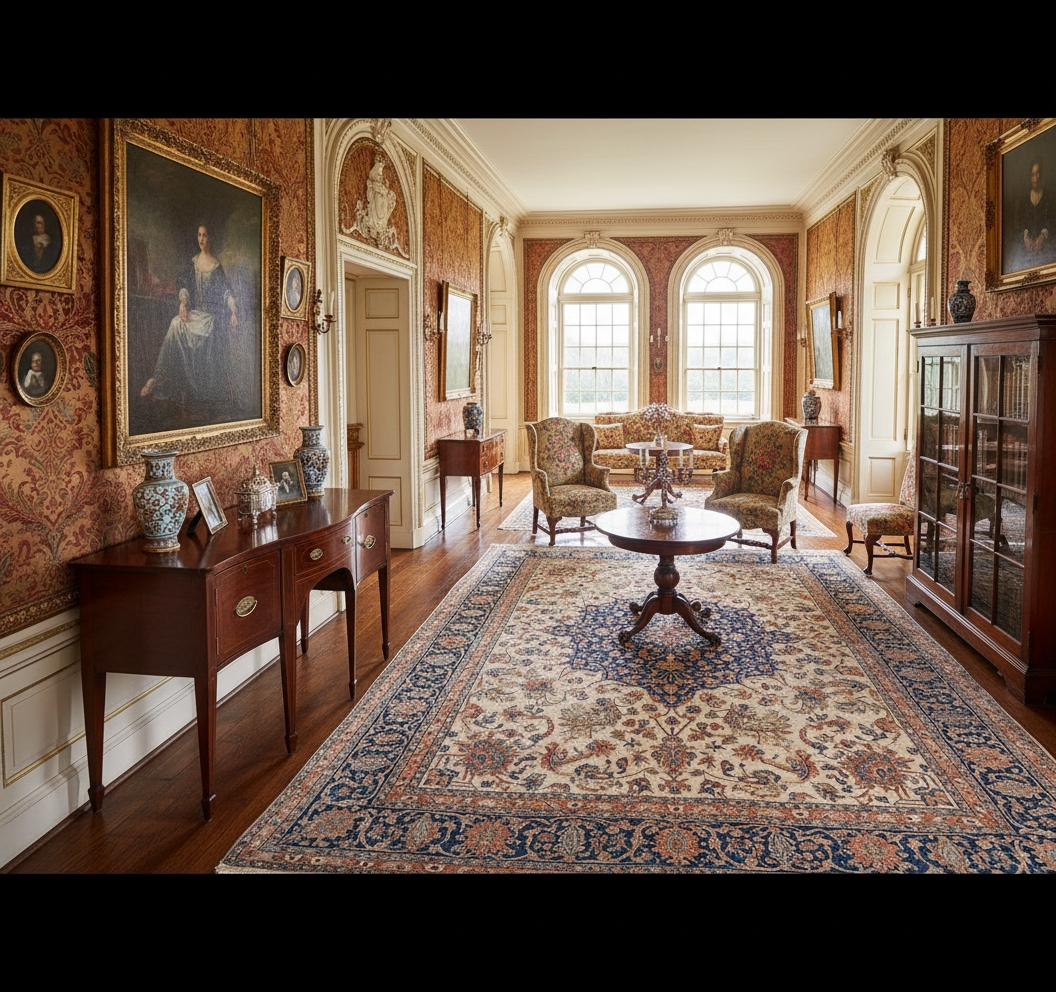
Antique mahogany dining furniture brings centuries of solid timber and precise cabinet-making directly to your dining room.
Antique Mahogany Dining Furniture
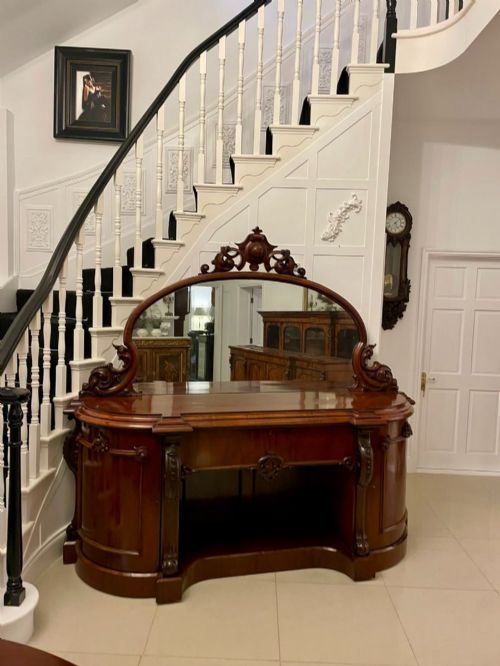
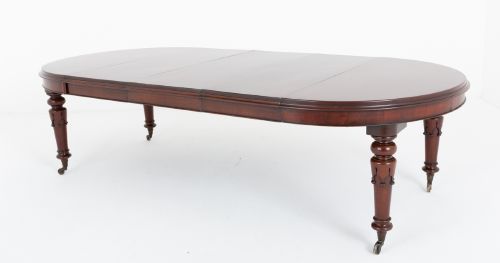
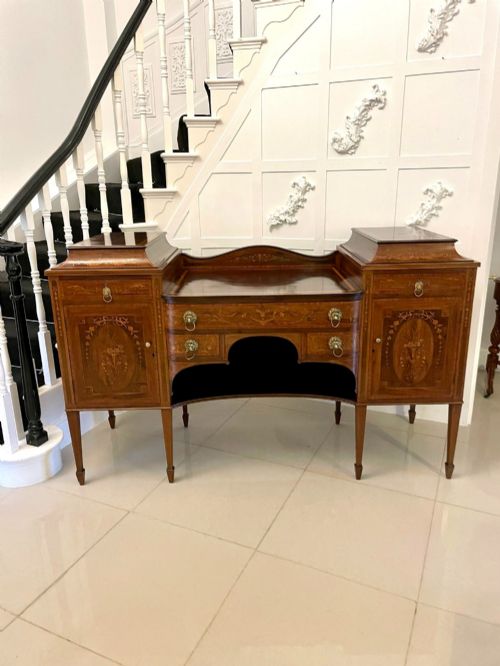
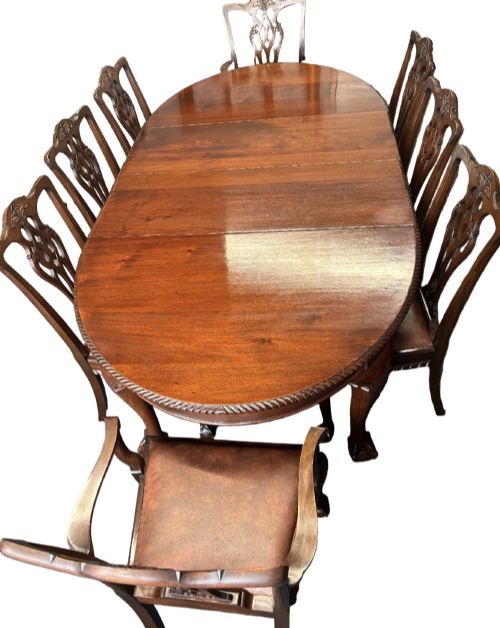
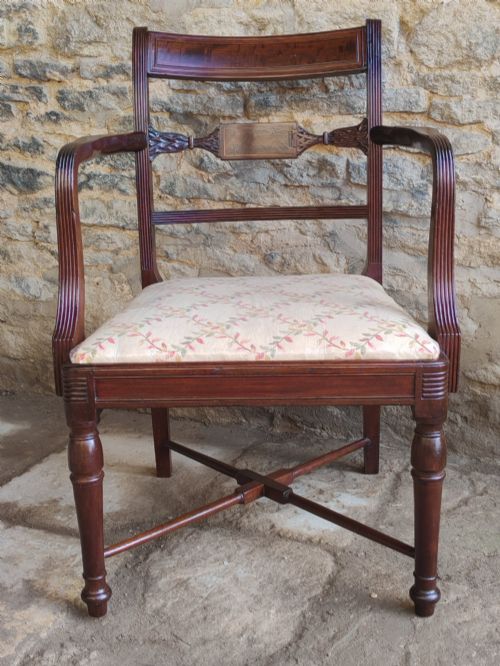
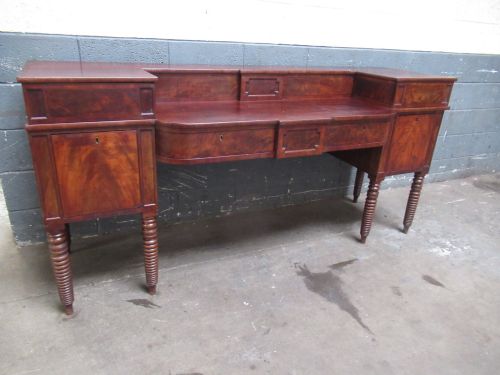
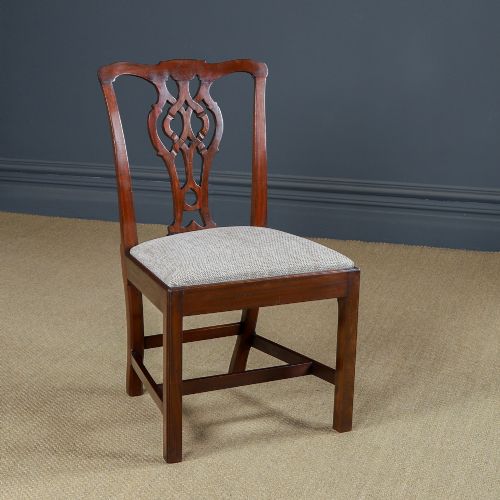
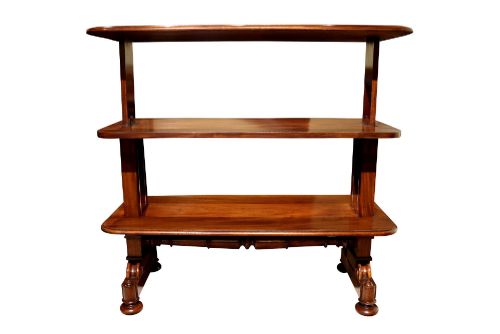
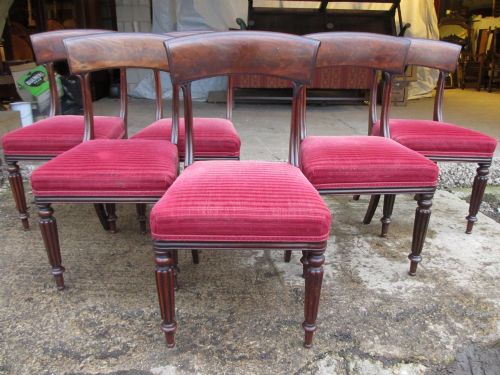
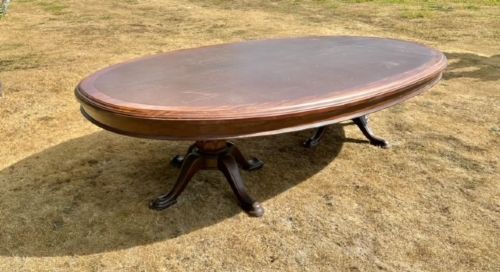
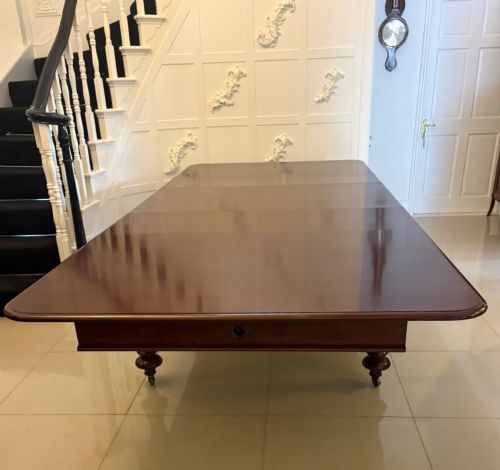
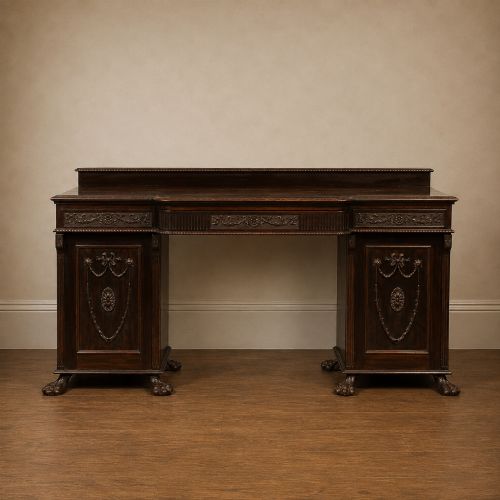
Antique mahogany dining furniture encompasses tables, chairs, sideboards, and side pieces built primarily during the Georgian, Regency, William IV, and Victorian periods. You will regularly encounter extending dining tables paired with sets of chairs, alongside large serving sideboards.
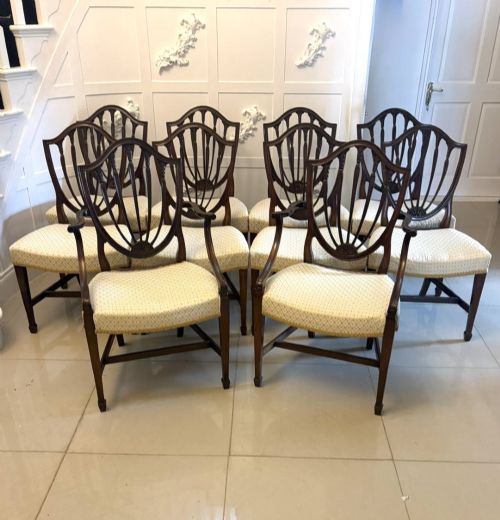
The forms range from intimate breakfast tables to grand boardroom tables seating fourteen, reflecting the domestic habits of the eighteenth, nineteenth, and early twentieth centuries. Side chairs, carvers, and armchairs appear singly, in pairs, or in matched sets numbering up to ten or twelve.
How they were made
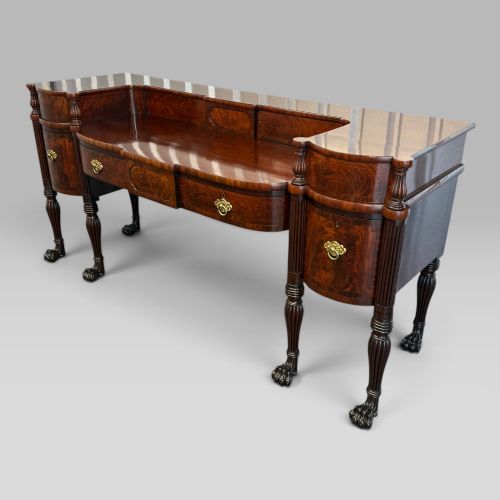
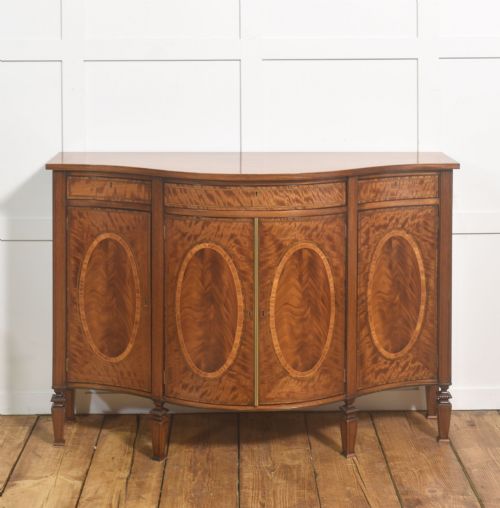
Cabinet-makers relied on solid mahogany and flame mahogany veneers applied to secondary timbers, frequently enhanced by decorative stringing in boxwood or satinwood. Brass inlays, castors, and lion paw feet provide structural support and ornamental contrast to the dark timber.
Seating frames utilise traditional joinery, often upholstered in leather or patterned fabric, while larger dining tables employ extending mechanisms supported by pedestals or legs.
Materials recorded include solid mahogany, flame mahogany, satinwood, boxwood, brass, leather, and fabric upholstery.
What varies in quality
The grade of timber dictates visual depth, with figured mahogany and symmetrical flame veneers marking out the finer examples. Carved details, such as shield backs or lion paw feet, demonstrate the proficiency of the workshop.
Proportion and scale separate standard utility pieces from grand boardroom or dining hall commissions designed for formal entertaining.
Hewetsons London·Wylie and Lochead Glasgow·Maple and Co
The Antique Mahogany Dining Furniture Glossary
- Flame mahogany
- A veneer cut from the fork of the mahogany tree to create a distinctive, fiery grain pattern. This figure is prized for its dramatic visual movement on sideboard fronts and table tops.
- Carver
- An armchair designed specifically for the head of a dining table, typically featuring elbow rests. These chairs match the simpler side chairs in a dining set.
- Sideboard
- A large serving piece placed against the dining room wall for holding china and silver. Examples often feature cupboards, drawers, or stage-backs.
- Stringing
- Thin lines of contrasting timber, such as boxwood or satinwood, inlaid into mahogany surfaces. This technique outlines panels and edges for decorative effect.
- Extending table
- A dining table fitted with a mechanism to insert additional leaves. This allows the surface to expand for larger gatherings.
Antique Mahogany Dining Furniture: Frequently Asked Questions
How do I care for antique mahogany surfaces?
Maintain timber surfaces by dusting regularly with a soft, dry cloth and avoiding direct sunlight to prevent fading. Apply appropriate beeswax periodically to nourish the grain without building up heavy residues.
Keep dining pieces away from direct heat sources such as radiators to prevent the solid wood and veneers from drying out and splitting over time.
Can I use antique chairs daily?
Solidly constructed chairs from the Georgian and Victorian eras are built for regular seating. Ensure that joints remain tight and stability is checked before heavy daily use.
Upholstery fabrics and internal webbing may require professional restoration if the seating support has weakened over generations of use.
How do I identify a Regency table?
Regency tables often feature robust pedestals, brass paw feet, and rich dark mahogany surfaces reflecting the early nineteenth-century design aesthetic. Look for clean architectural lines combined with subtle brass inlays or reeded edge details.
Extending mechanisms from this period rely on early wooden or brass runner systems rather than modern metal tracks.
What is a boardroom table?
Boardroom tables are exceptionally large dining or conference tables designed for institutional or grand domestic settings. They frequently accommodate ten to fourteen diners.
These pieces typically showcase high-grade figured mahogany tops supported by substantial pedestals or multiple legs suited to grand proportions.