
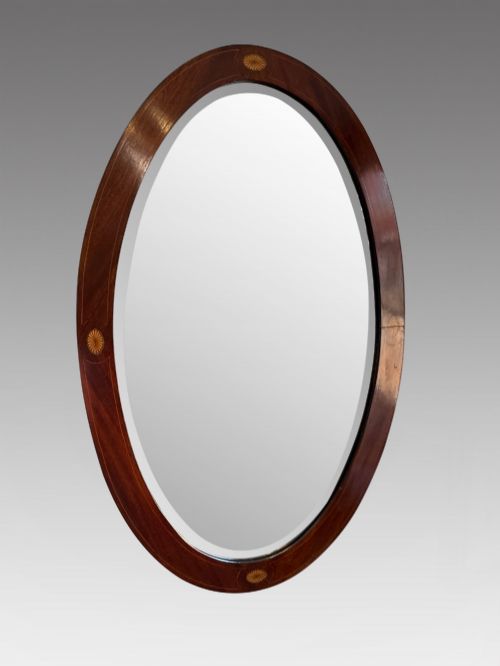


Georgian Style Looking Glass
A georgian style looking glass brings the confident proportion and refined timber of the eighteenth century directly into a room.
Georgian Style Looking Glass
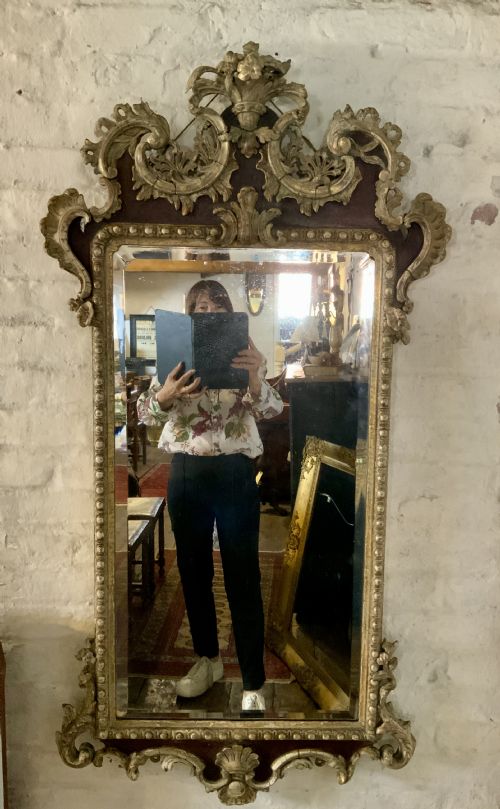
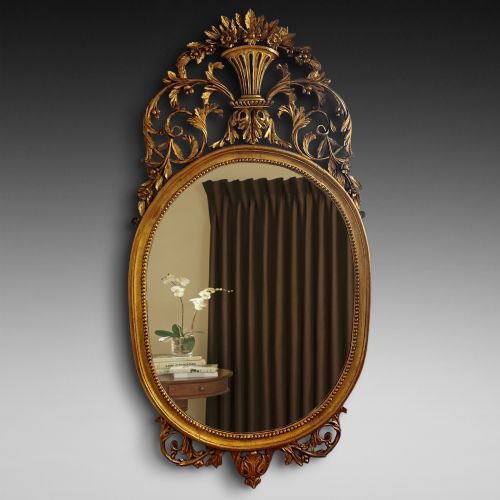
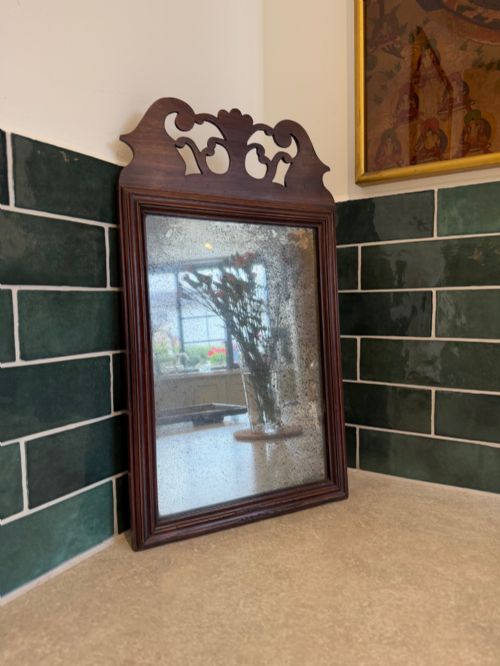
A georgian style looking glass is fundamentally a wall mirror designed for domestic interiors, originating from periods spanning the eighteenth century through later revival eras. Buyers searching for a georgian style looking glass encounter wall mirrors configured as architectural overmantles, oval hanging pieces, and fretwork designs. These objects serve both functional reflection and decorative depth, anchoring a room with traditional British craftsmanship.
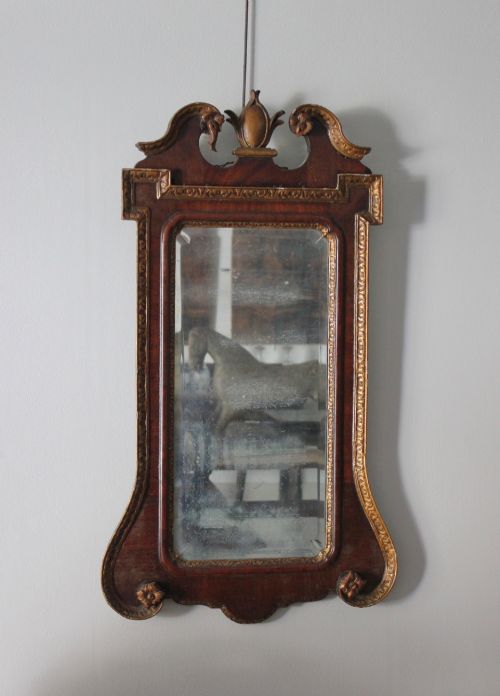
The pieces appearing on this page emerge from distinct eras, notably the eighteenth century, the Regency period, and later revivals from the Edwardian years and the nineteen-twenties. Walnut and mahogany dominate the timber examples, whilst giltwood and gesso provide the ornate frames of the period. Origins range from English workshops to continental examples such as Swedish pier mirrors.
How they were made
Makers constructed these frames using solid timbers like mahogany and walnut, frequently applying veneers and parcel gilt highlights to enhance the visual weight. Carvers worked directly into softwoods before applying layers of gesso and gold leaf to create reflective gilded surfaces. Mirror glass plates were hand-silvered, often featuring bevelled edges or historic Vauxhall plates with subtle imperfections.
Joinery methods involved precise fretwork cutting for scrolling silhouettes, alongside pegged mortise and tenon joints for structural stability. Gilding techniques utilised bole grounds beneath gold leaf, allowing the warm red underlayer to show through where wear occurred over centuries.
Materials recorded across current inventory include mahogany, walnut, burr walnut, giltwood, gesso, and gold leaf.
What varies in quality
Quality in these mirrors rests upon the depth of the carving and the integrity of the original materials rather than mere decorative complexity. Finer examples display crisp, undercut carving in giltwood and well-figured mahogany or burr walnut veneers that have aged evenly. The retention of original mirror plates, even with oxidation and foxing, elevates a piece above those with modern replacements.
Proportion and scale dictate the visual success of the frame, with superior makers adhering to strict architectural rules derived from classical design. The handling of parcel gilt details and the precision of fretwork pierced panels separate workshop production from mass revival output.
The Georgian Style Looking Glass Glossary
- Parcel gilt
- Partially gilded, where gold leaf highlights specific carved details against a contrasting wood or painted background. This technique draws the eye to particular ornamental motifs on walnut and mahogany frames.
- Gesso
- A plaster-like mixture applied to wooden frames as a smooth base for subsequent gilding. It allows carvers to achieve sharp relief work before applying gold leaf.
- Vauxhall plate
- An early type of mirror glass historically associated with the Vauxhall glasshouse in London. These plates often feature bevelled edges and subtle distortions characteristic of early manufacturing.
- Fretwork
- Thin wood panels cut with intricate scroll patterns using a fretsaw. It defines the scrolling silhouettes of many eighteenth-century wall mirrors.
- Overmantle
- A large horizontal mirror designed specifically to hang above a fireplace mantelpiece. They anchor the domestic interior by reflecting light across the room.
Georgian Style Looking Glass: Frequently Asked Questions
How do I date a georgian style looking glass?
Dating relies on examining the construction methods of the timber frame, the composition of the gesso, and the characteristics of the mirror glass itself. Eighteenth-century pieces typically show hand-cut joinery and historic mirror plates with natural ageing.
Revival pieces from the Edwardian era or the nineteen-twenties often utilise machine-sawn timber and modern backboards while imitating earlier styles.
Where should I hang an antique wall mirror?
These mirrors suit placement above fireplaces, console tables, or key focal points in reception rooms where they can capture and reflect natural light. Their proportions work best against solid wall spaces that allow the frame to act as a primary decorative element.
Ensure the wall fixings are rated to support the considerable weight of solid timber and gilded gesso frames.
Are original mirror plates common?
Many surviving pieces retain their original glass, which often exhibits foxing, dark spots, and light surface distortion. These age marks confirm the longevity of the object and are valued by collectors for authenticity.
Replacement glass appears frequently in pieces that suffered accidental breakage during their long history.