


White Neoclassical Mirror
These white neoclassical mirror pieces bring classical architectural form and painted light into a room, offering a refined focal point for any interior.
White Neoclassical Mirror
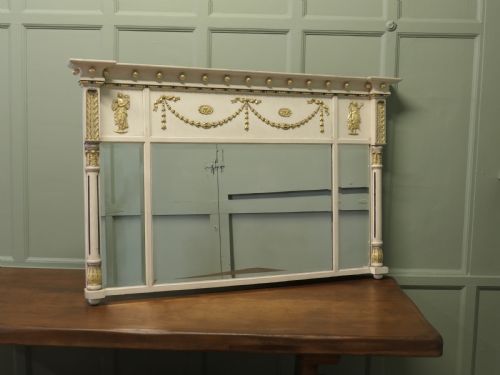
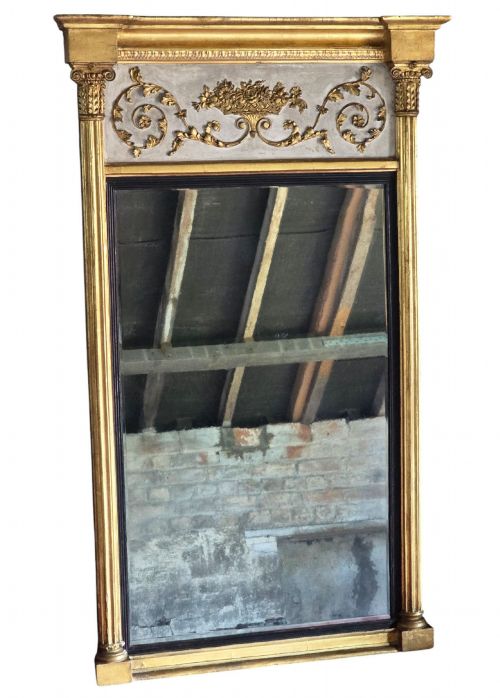
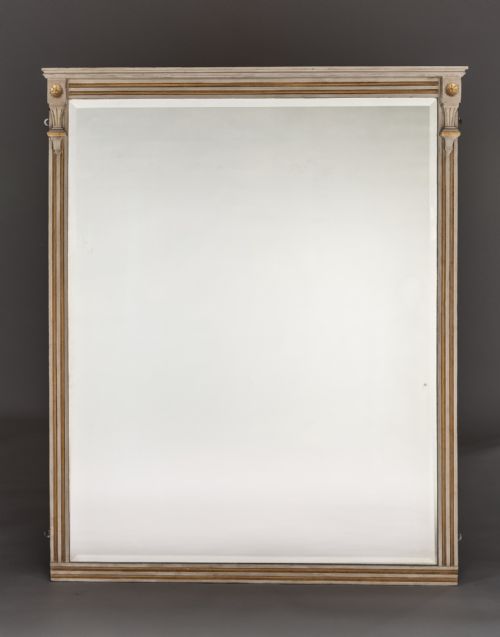
A white neoclassical mirror brings together classical restraint and painted or gilded surfaces, taking the form of overmantel mirrors, wall mirrors, and trumeau panels. Buyers searching for a white neoclassical mirror encounter substantial overmantels designed to sit above a fireplace, as well as tall wall piers and architectural frames.
The pieces on this page span the 18th century through the Edwardian period, drawing on Regency, Victorian, Louis XVI, and Georgian styles. Most examples lean towards painted wood and gesso finishes, frequently combined with parcel-gilt details that highlight the classical ornament.
Forms range from triple-plate overmantels and triptychs to architectural tabernacle frames and single-plate wall mirrors. These objects reflect the enduring appeal of classical symmetry, urn motifs, and crisp framing within domestic interiors.
How they were made
Wood provides the structural carcass for these frames, often built from pine or hardwoods before receiving coats of paint. Gesso is then applied in layers to create smooth surfaces and sharp relief for ornamental details.
Craftsmen enriched the white painted surfaces using gold leaf and parcel-gilt techniques, catching the light on raised mouldings and carved motifs. Mirror glass is set within these frames, occasionally taking the form of multiple plates divided by bars in trumeau and triptych formats.
Some overmantel mirrors are so wide they require three distinct reflections to show you how many biscuits you have just eaten.
What varies in quality
The refinement of the gesso work and the crispness of the architectural moulding set the better examples apart from simpler decorative items. Crisp carving and well-proportioned classical details indicate skilled workshop production.
The treatment of the painted and gilt surfaces also distinguishes the range, with nuanced layering creating depth on the frame. Preservation of the original mirror glass and the stability of the wooden frame contribute to the standing of each piece.
The White Neoclassical Mirror Glossary
- Gesso
- A prepared mixture of chalk and binder applied to wood frames to create a smooth surface for painting or gilding. This material allows for sharp, crisp architectural details.
- Parcel-gilt
- A decorating technique where only specific raised portions of an object are gilded while the rest remains painted. It highlights classical motifs against a white ground.
- Overmantel mirror
- A large mirror specifically designed to hang above a mantelpiece or fireplace. These pieces often feature wide horizontal formats with multiple glass plates.
- Trumeau mirror
- An architectural mirror incorporating a painted panel or artwork above the glass plate. Originating in French interiors, these panels bring balanced proportion to a wall.
- Tabernacle frame
- A rigid architectural frame resembling a classical shrine or altarpiece, structured with pilasters and a pediment. This style orders the visual weight of the mirror.
White Neoclassical Mirror: Frequently Asked Questions
Where should I hang an overmantel mirror?
These large horizontal mirrors belong directly above a fireplace mantel, where they anchor the room and reflect light from windows opposite.
Ensure the wall fixings match the substantial weight of the wooden and gesso frame before hanging.
How do I identify a Regency mirror?
Regency pieces often display classical symmetry, bold architectural lines, and a combination of white paint with parcel-gilt highlights.
They frequently utilise triple-plate glass configurations suited to wide overmantel spaces.
How do I care for painted and gilt frames?
Dust the gesso and painted wood gently with a soft dry cloth, avoiding harsh chemical cleaners that can damage the surface. Keep the pieces away from direct moisture and extreme temperature shifts.