

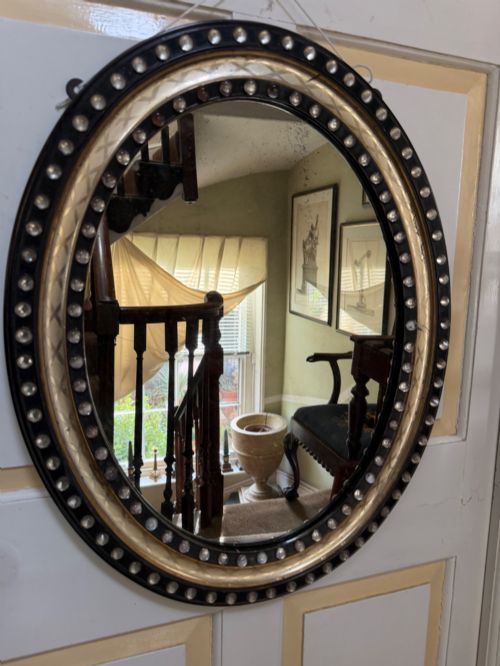
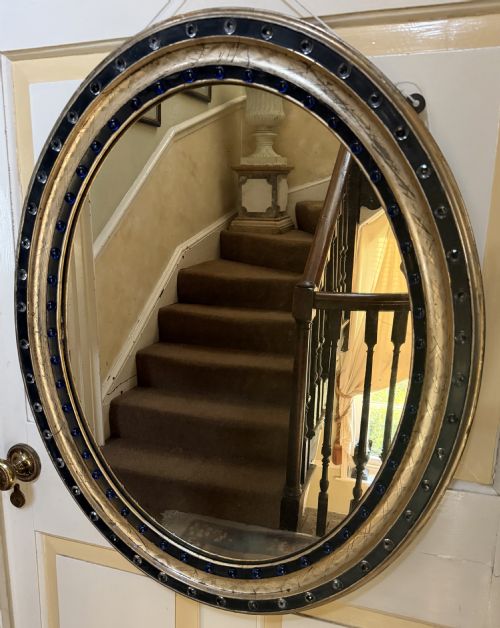
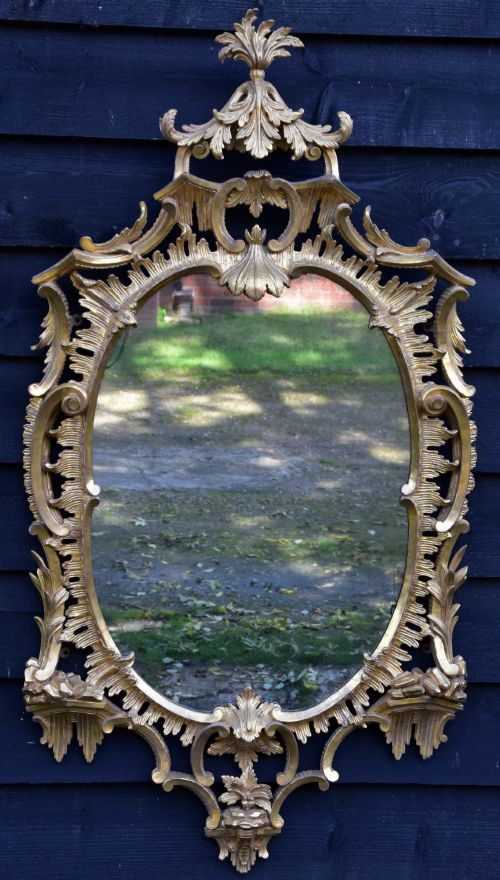
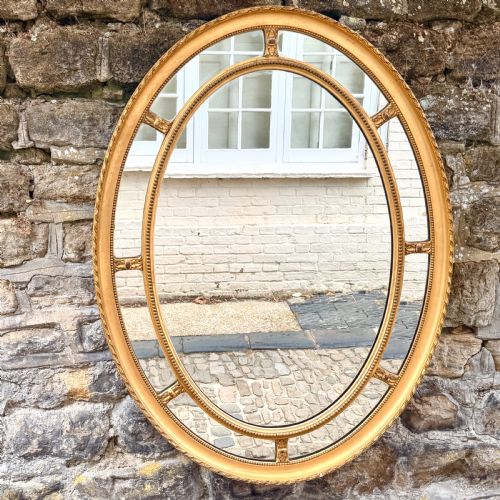
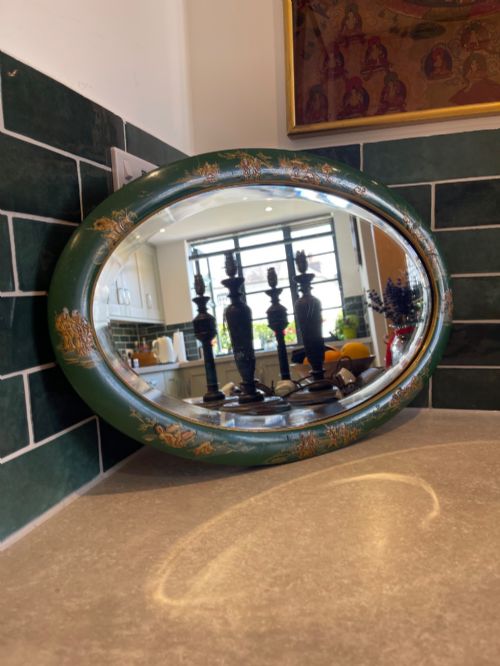


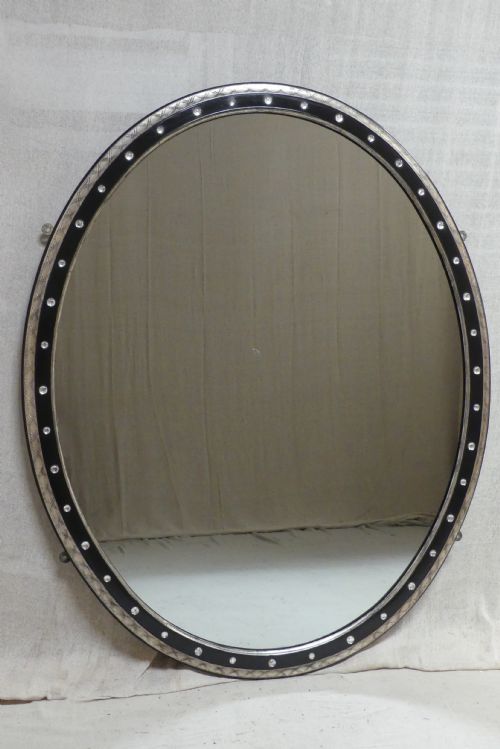


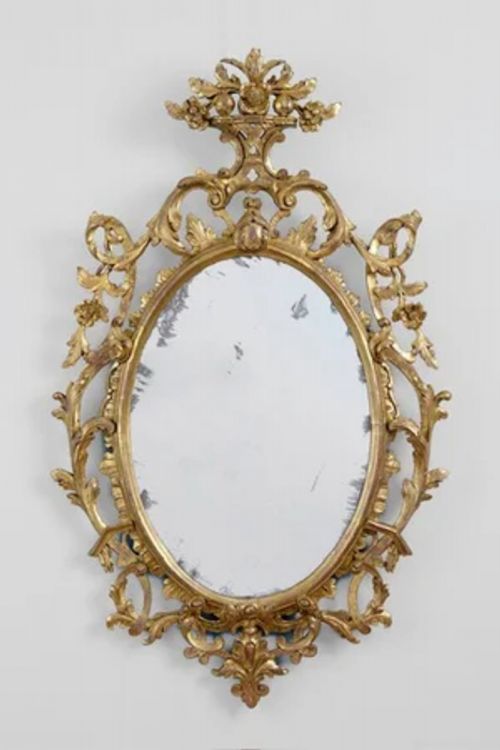
Georgian Oval Wall Mirror
A georgian oval wall mirror brings refined proportion and reflective depth to a room, drawing the eye with curved frames and classic lines.
Georgian Oval Wall Mirror
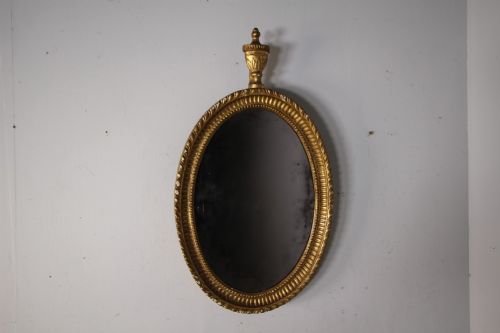
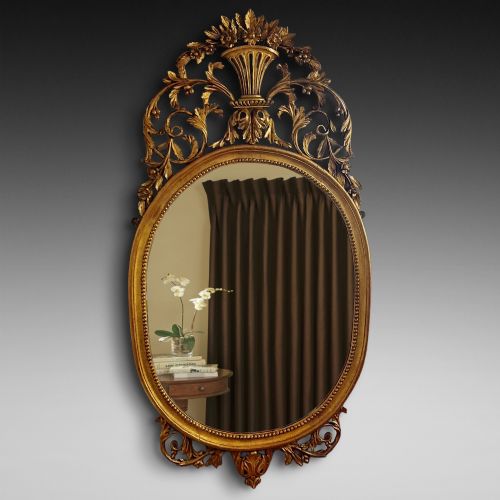
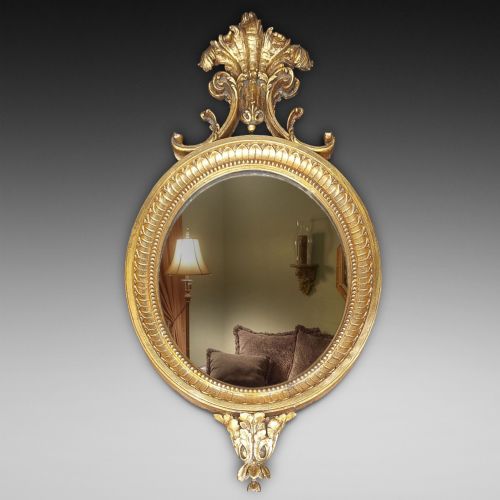
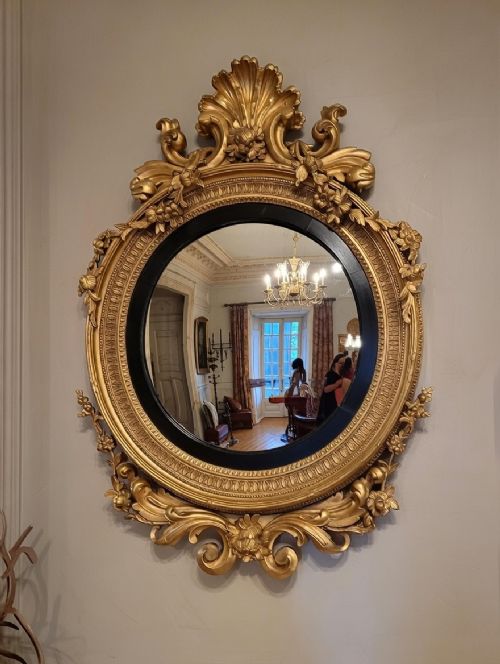
A georgian oval wall mirror is a wall-hung glass piece defined by its curved vertical format and period ornamentation. You meet these primarily in eighteenth-century and regency forms, alongside later revival pieces.
Makers shaped these objects as wall mirrors and overmantel mirrors using wood, mahogany, and giltwood. The proportions range from small domestic frames to large decorative wall mirrors.
The aesthetic draws on neoclassical, chippendale, and adam styles. Pieces appear singly or in pairs, sometimes incorporating girandole arms or painted silk details.
Materials and Craftsmanship
Frames rely on carved wood and mahogany, or softwoods built up with gesso to take intricate relief work. Artisans applied gold leaf and paint to finish the wooden structures.
Glass plates, including original mercury plates, sit within these surrounds. The combination of gesso relief and gold leaf creates the characteristic reflective shimmer of period frames.
Georgian Oval Wall Mirror Retail Price Guide 2026
Typical asking prices for georgian oval wall mirror among the pieces listed under this phrase on Sellingantiques today, from the lower quarter to the upper quarter. They describe what is for sale here now, not the wider market.
The selection includes pieces spanning the georgian period, nineteenth century, regency era, and edwardian revivals.
Judging Quality
Quality rests on the crispness of the carved detail and the depth of the gesso work beneath the gold leaf. Superior examples display sharp definition in the motifs rather than softened edges from worn moulds.
The preservation of the original mirror glass and the integrity of the wooden frame structure distinguish the finest survivals from later replacements.
The Georgian Oval Wall Mirror Glossary
- Giltwood
- Wood carved and coated with gold leaf. This finish defines many high-status antique frames.
- Gesso
- A plaster mixture applied to wood frames to create a smooth surface for carving and gilding. It allows for crisp decorative relief.
- Mercury Plate
- An early mirror glass produced using a tin-mercury amalgam. It produces a characteristic mottled and deep reflection.
- Girandole
- A wall mirror fitted with attached candle sconces. These branch arms multiply the reflected light in a room.
- Chinoiserie
- European decorative style employing Chinese motifs and imagery. It appears on painted or lacquered frames.
Georgian Oval Wall Mirror: Frequently Asked Questions
Where should I place an oval mirror?
Hang the piece above a mantelpiece, sideboard, or console table to anchor the room's composition.
Position it opposite a window to draw natural light deeper into the space.
How do I clean old mirror glass?
Wipe the glass gently with a soft, dry cloth or mild cleaner applied to the cloth rather than the plate.
Keep moisture away from the edges where the silvering meets the frame to prevent damage.
Are original mirror plates common?
Original mercury plates survive in select eighteenth-century examples, showing characteristic dark spots and age foxing.
Many pieces received replacement glass during their working life.
How do I spot an 18th century frame?
Examine the timber construction, hand-carved gesso details, and backboards for signs of age and tool marks.
Revival pieces from later centuries mimic these forms but employ different assembly methods and surface wear.