
French Chateau Overmantel
A french chateau overmantel brings scale and light to a room through tall proportions and decorative gilded frames.
French Chateau Overmantel
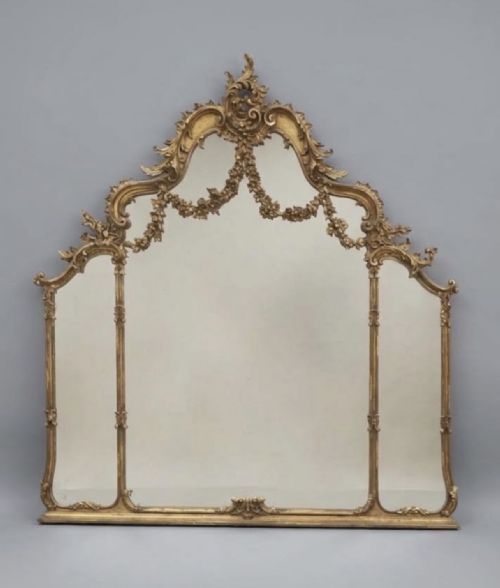
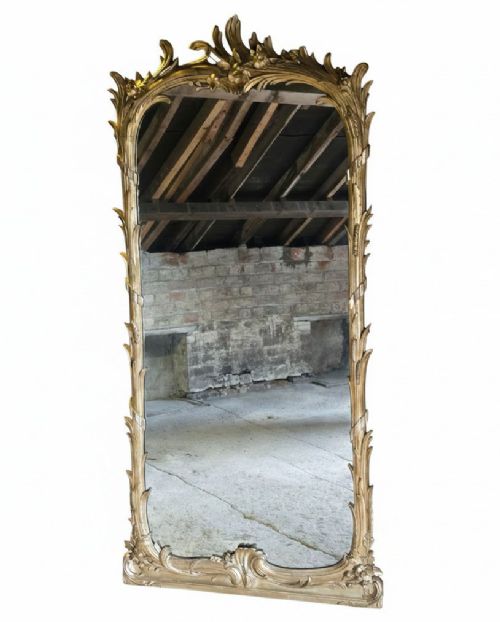
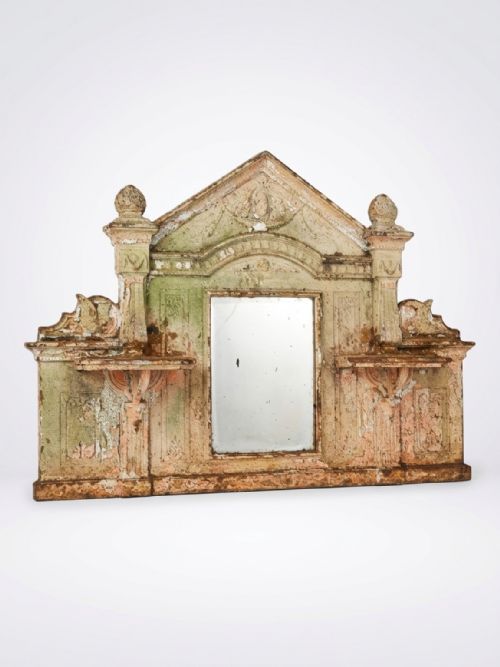
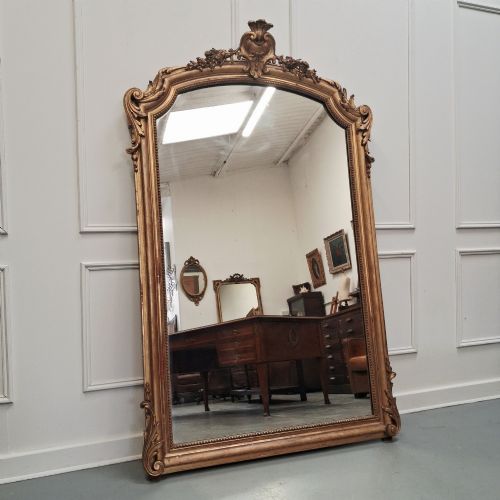
A french chateau overmantel typically takes the form of a large wall mirror designed to sit above a fireplace or serve as a pier glass between windows. These pieces span the eighteenth and nineteenth centuries, taking shape through styles such as French Rococo, Second Empire, and Neoclassical.
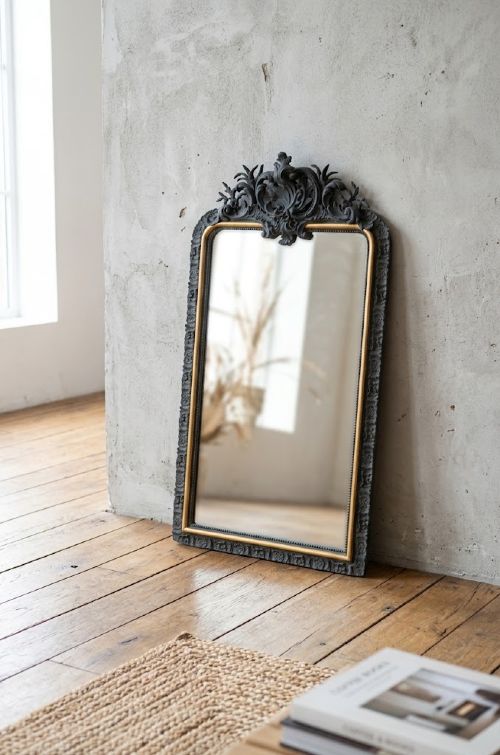
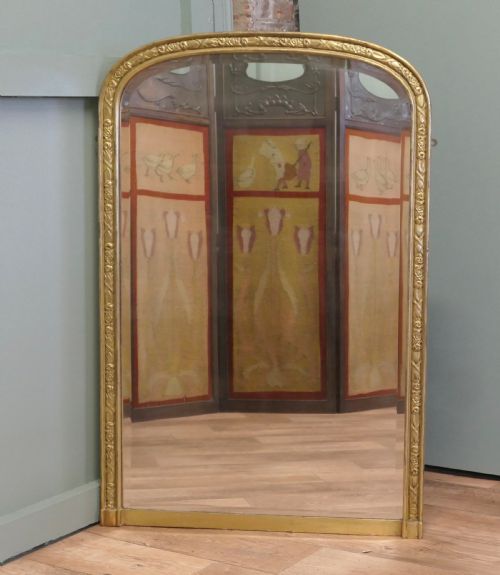
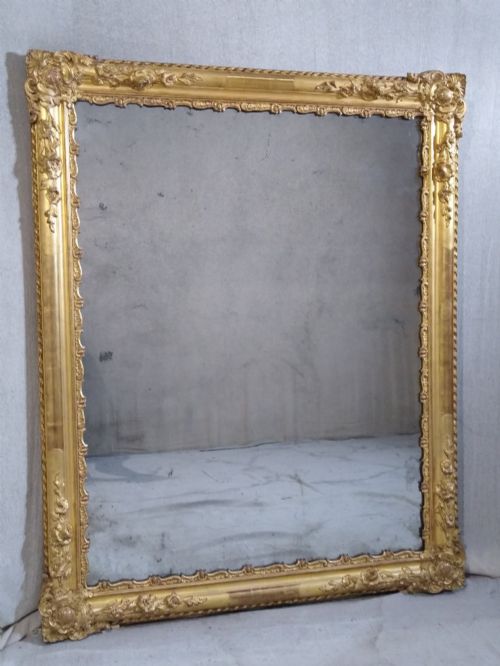
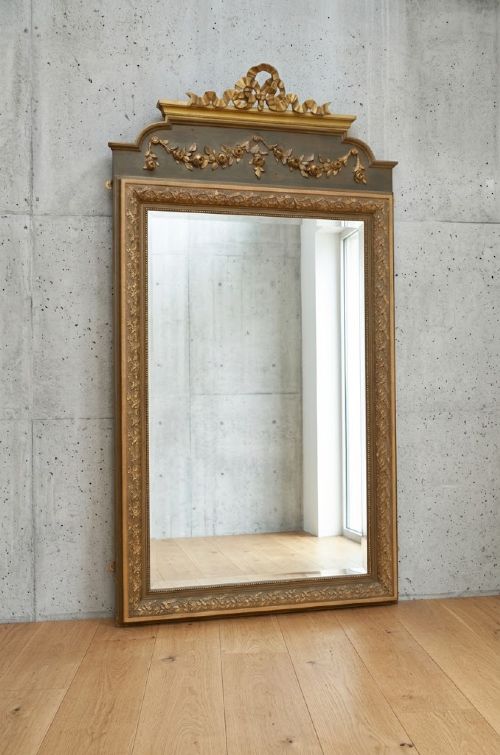
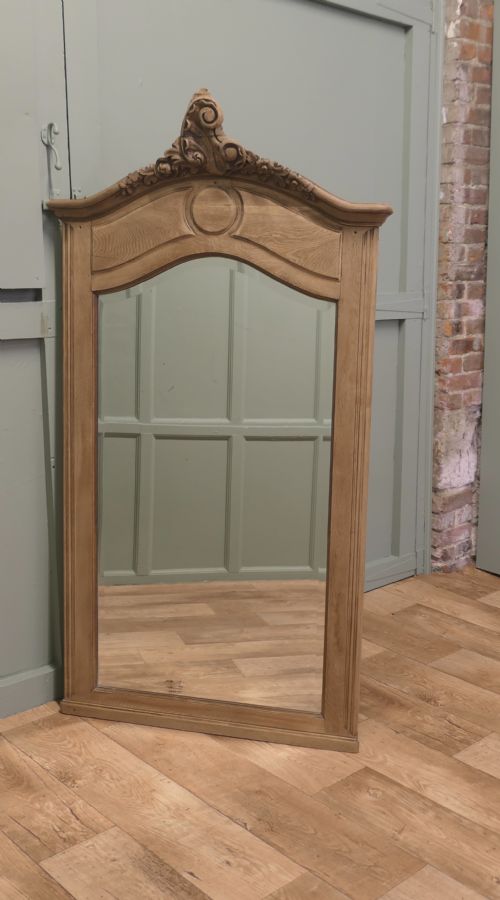
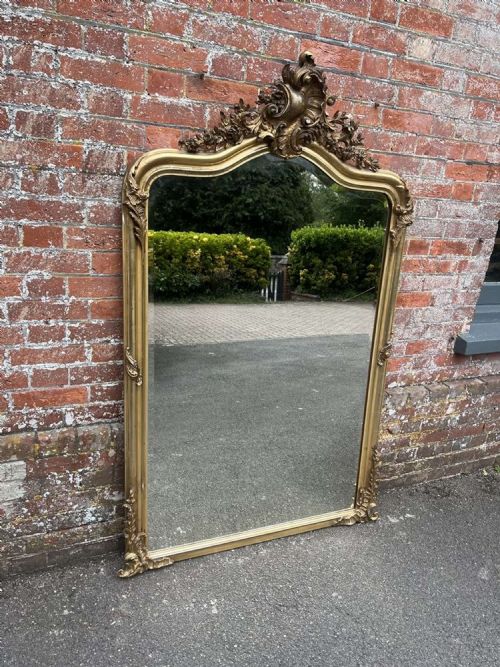
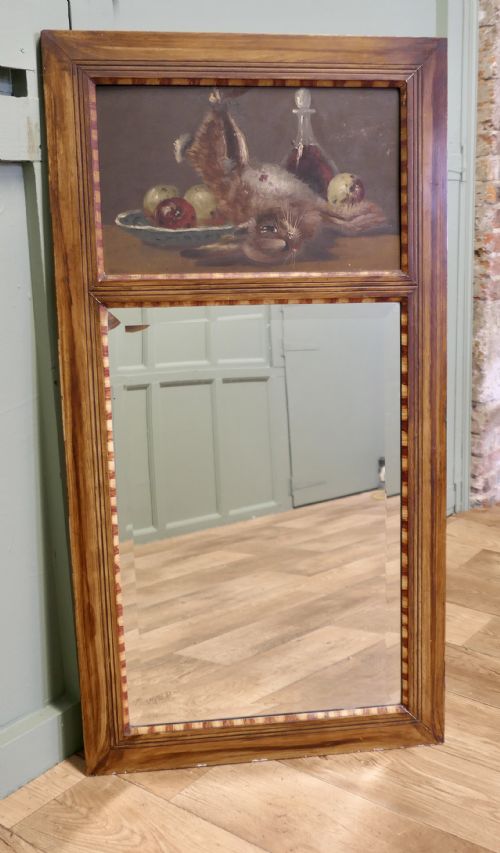
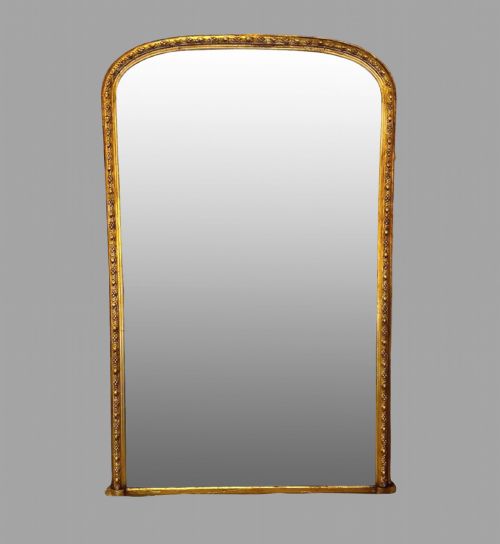
The versions most commonly found here include tall nineteenth-century giltwood frames, arched top mirrors, and painted trumeau panels. Pieces range from grand architectural statements to more rustic bleached oak and olive green painted examples.
How They Were Made
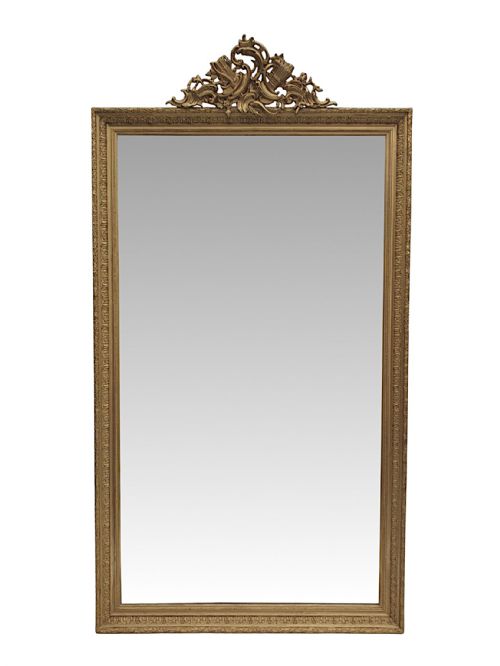
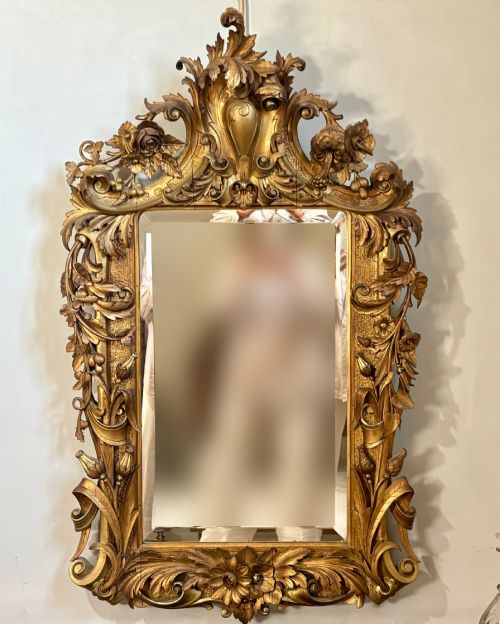
Carved wood and gesso form the decorative structure of these frames, providing the base for subsequent gilding with gold leaf or metallic paint. Artisans shaped intricate floral scrolls, crests, and architectural mouldings by hand before applying the surface finishes.
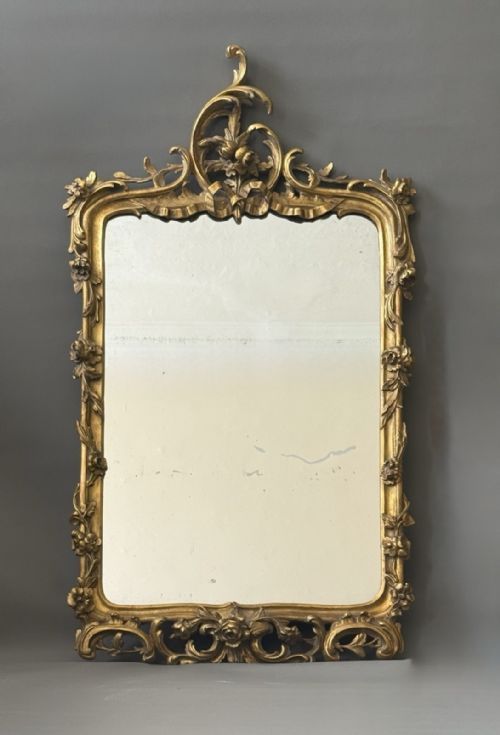
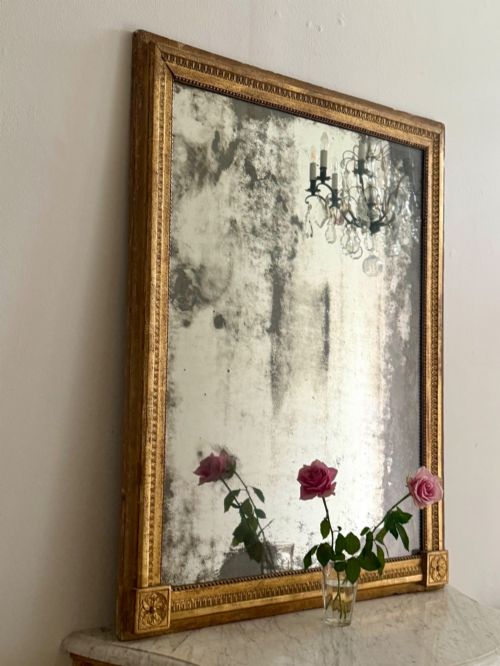
Mirror plates consist of glass, occasionally featuring antique foxed mercury glass that displays age spots and natural oxidation. Frames combine solid timber construction with applied gesso ornaments to achieve deep relief decoration.
Several mirrors include playful ribbon crests carved into the wood, proving that nineteenth-century artisans appreciated a touch of whimsy.
What Varies in Quality
The depth and crispness of the carved wood and gesso ornamentation distinguish finer frames from simpler ones, as does the proportion of the moulding. Well-executed carving retains sharp botanical or scroll details rather than soft or muddy relief.
Original antique glass plates with authentic foxing contribute to the character of older pieces, whereas replaced mirror plates alter the visual age of the object. The integrity of the original giltwood or gold leaf surface further defines the execution of the work.
The French Chateau Overmantel Glossary
- Overmantel mirror
- A large mirror specifically proportioned to hang on the wall directly above a fireplace mantelpiece. These frames often match the width of the fireplace below.
- Trumeau mirror
- A decorative wall mirror incorporating a painted panel or artwork directly above the glass plate. Originating in French interior design, they frequently function as pier mirrors between windows.
- Gesso
- A plaster-like mixture applied to wood frames and carved into intricate decorative relief before gilding. It allows for sharp detailing on ornate mouldings.
- Giltwood
- Timber that has been coated with gold leaf or metallic gilt. It defines the luminous finish seen on classical and revival European mirrors.
- Foxing
- The natural oxidation and ageing of a mirror plate that produces dark spots or patinated areas. This chemical change develops over decades within the glass.
- Pier glass
- A tall mirror designed to hang on the narrow section of wall between two windows. They reflect additional light into formal rooms.
French Chateau Overmantel: Frequently Asked Questions
How do I hang a heavy overmantel mirror?
These large mirrors require secure wall fixings distributed evenly across the timber structure to support the substantial weight safely.
Professional installation into masonry studs or load-bearing wall anchors ensures the piece remains stable against the wall surface.
What is foxed glass?
Foxed glass refers to mirror plates that have developed natural dark spots, ageing marks, and soft oxidation over time. This atmospheric appearance indicates genuine antique manufacture rather than modern production.
Collectors often seek out mirrors with original foxed mercury glass for their distinct historical character.
Where should I place a trumeau mirror?
Trumeau mirrors work well above mantelpieces, console tables, or mounted on long expanses of wall where their architectural proportions can command attention.
Originally designed for French drawing rooms, their painted panels and tall glass plates add vertical height to any interior.
How do I clean an antique giltwood frame?
Dust giltwood and gesso frames gently with a soft dry brush to prevent damage to the delicate metallic leaf and raised ornamentation.
Avoid using liquid cleaners, chemical sprays, or abrasive cloths that can strip away the historic surface finish.