




Gilded Overmantel Chimney Glass
A gilded overmantel chimney glass is a grand focal point designed to sit above a fireplace and reflect light into a room.
Gilded Overmantel Chimney Glass
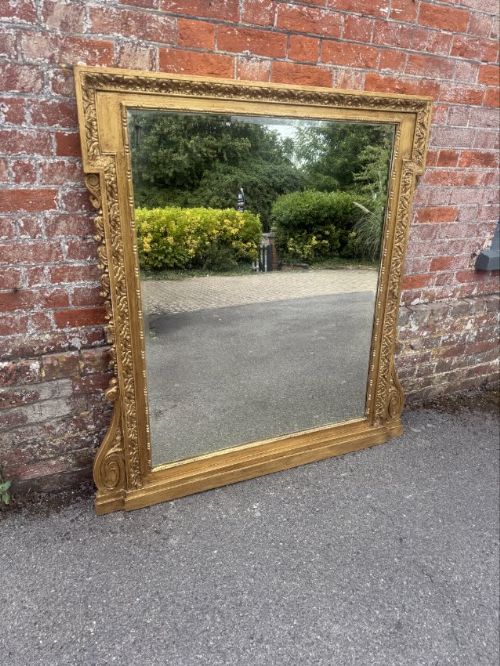
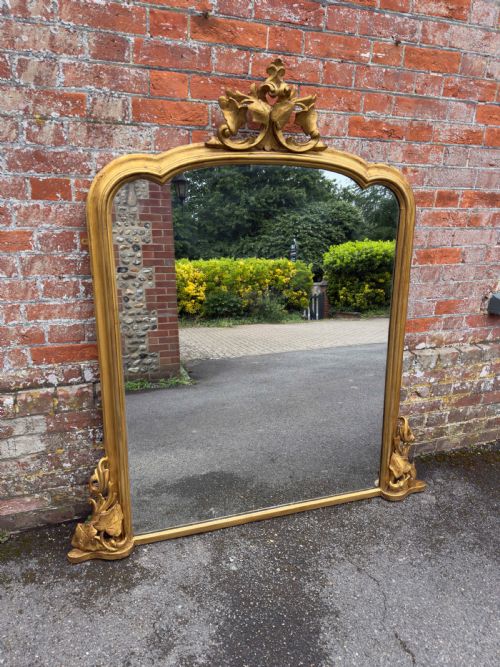
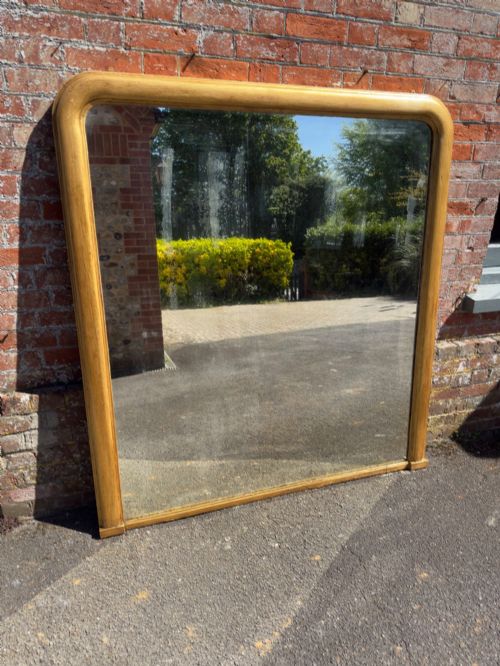
A gilded overmantel chimney glass is a substantial wall mirror designed specifically to be hung above a fireplace opening. These large architectural looking glasses anchor a reception room by drawing the eye upwards and bouncing natural light around the space. When searching this phrase, a buyer encounters significant nineteenth-century examples spanning the Regency and Victorian eras alongside occasional Georgian and Edwardian pieces.
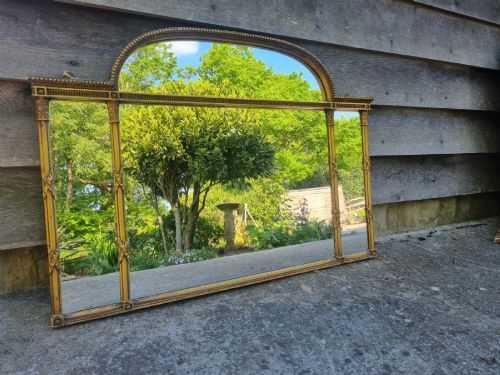
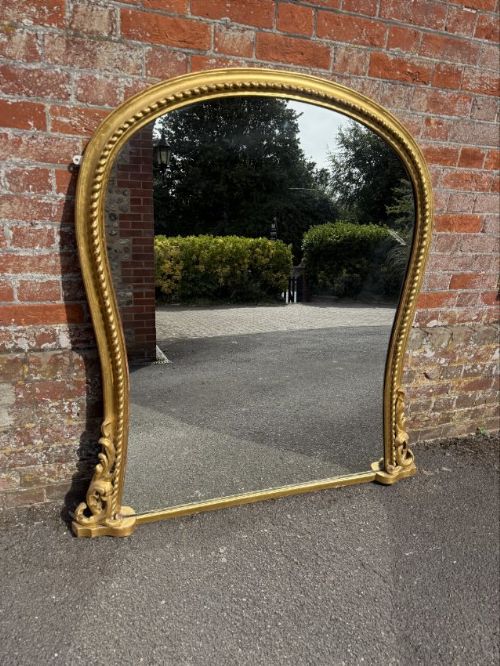
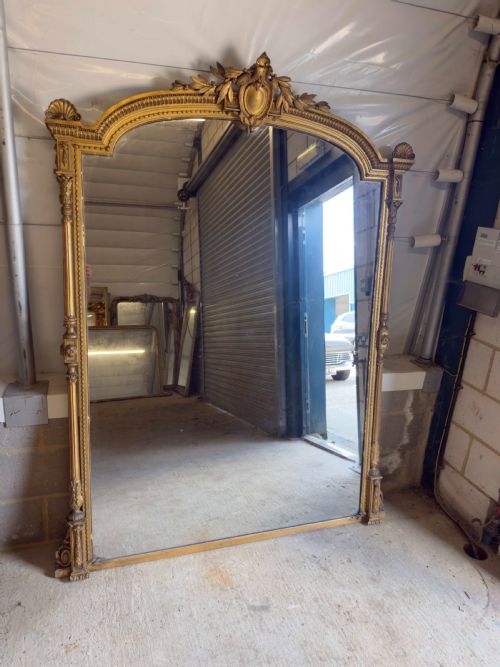
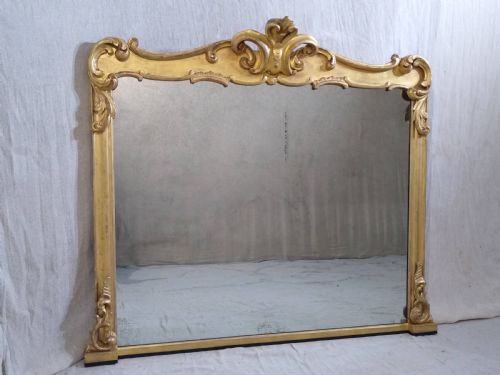
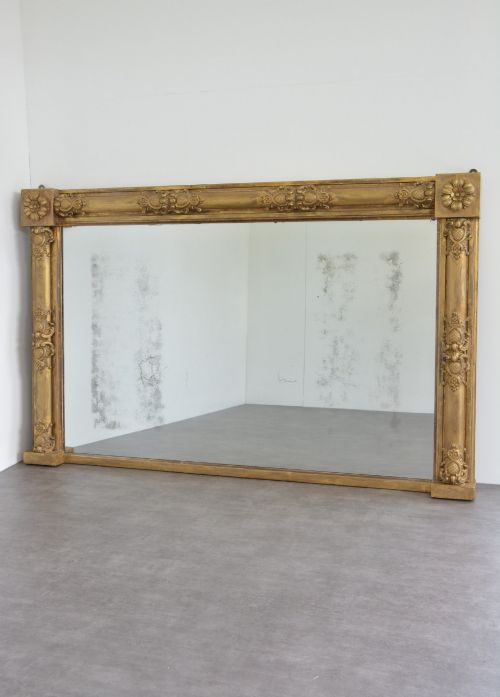
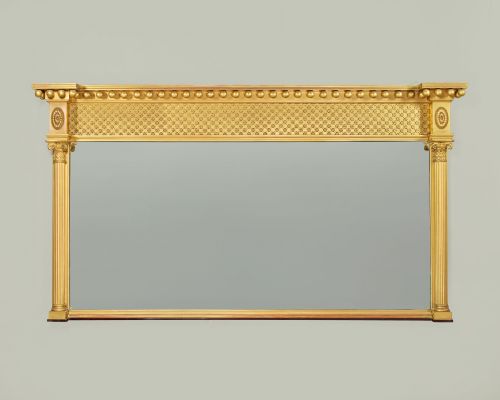
The most common form met on this page is the nineteenth-century English overmantel mirror featuring a carved wooden frame finished with gesso and gold leaf. Many of these pieces display arched tops or shaped frames designed to mirror the architectural curves of period chimney breasts. Alongside standard single-plate rectangular or arched formats, one finds larger triptych mirrors and tripartite designs divided into multiple glass sections.
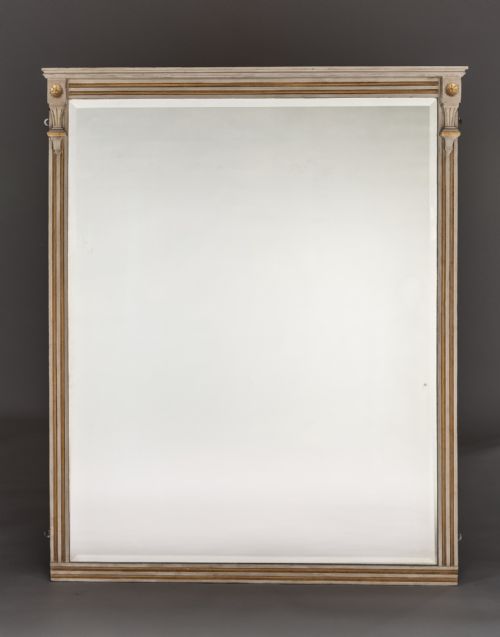
Makers and regional styles introduce further variety, from Irish country house pieces bearing elaborate bird and squirrel details to Scottish and Italian interpretations attributed to makers such as Ciceri and Co. Styles range from restrained neoclassical decorations and acanthus-decorated columns to exuberant Rococo Revival ornamentation and rope twist borders. Painted and parcel-gilt surfaces also appear among the Victorian examples recorded on the listings.
How they were made
The construction of a gilded overmantel chimney glass relies upon a sturdy timber foundation, typically pine or carved wood, which provides the structural framework for the heavy glass plates. Artisans then applied layers of gesso - a chalk and glue mixture - over the wooden base to create a smooth, pliable surface for delicate moulding and relief work. This ground allowed craftsmen to carve intricate decorative motifs such as neoclassical garlands, floral scrolls, and rope twists with considerable precision.
Once the gesso ornament was prepared, craftsmen applied gold leaf or metallic gilding to the surface, often burnishing parts of the metal to achieve a brilliant lustre whilst leaving other areas matte. Mirror glass was then fitted into the rebate at the rear, secured with wooden panels, and finished with protective backing boards. Variations in technique include painted and parcel-gilt treatments where selected portions of the wooden frame receive white or coloured paint alongside the gilded highlights.
Materials recorded across these mirror entries consist of glass, giltwood, gesso, gold leaf, wood, composition, and pine.
What varies in quality
The distinction between ordinary and superior examples rests upon the depth and crispness of the carved woodwork and gesso ornamentation. Top-tier pieces display deeply undercut relief work and hand-modelled details where floral motifs, ribbons, and crestings retain sharp edges rather than a softened, muddy profile. The quality of the gilding itself also marks a difference, with finer mirrors showing multiple layers of gold leaf that have aged to a warm, mellow tone.
Structural integrity and the originality of components further define the better examples in this category. Mirrors retaining their original mirror glass - sometimes exhibiting authentic light foxing - hold greater historical cohesion than those with modern replacement plates. The presence of undamaged original frames without extensive past restoration separates standard decorative items from superior collector pieces.
Ciceri and Co
The Gilded Overmantel Chimney Glass Glossary
- Gesso
- A prepared mixture of chalk, gypsum, and size used as a base for moulding relief decoration on wooden frames before gilding. This pliable material allowed artisans to stamp or carve intricate patterns.
- Overmantel
- A large mirror or piece of artwork designed specifically to be hung on the wall directly above a mantelpiece. These frames were proportioned to match the scale of the fireplace below.
- Trifoil
- A decorative architectural shape composed of three rounded lobes resembling a clover leaf. It occasionally appears in the arched framing of nineteenth-century glass designs.
- Foxing
- The natural age-related chemical process that causes small dark spots or a speckled hazy patina to develop within old mirror glass. Collectors often appreciate light foxing as evidence of genuine antique age.
- Parcel-gilt
- A decorative treatment where only specific carved portions of a painted or stained wooden object are gilded. This technique highlights particular architectural details against a contrasting painted background.
Gilded Overmantel Chimney Glass: Frequently Asked Questions
Where should an overmantel mirror be hung?
These mirrors are traditionally positioned centrally on the wall directly above a fireplace mantelpiece, resting securely on bracket supports or hung from heavy wall fixings. Their scale is specifically engineered to balance the width of the fireplace surround below.
When hanging one of these heavy framed glasses, professional fixings anchored into solid masonry or substantial wall studs are essential to support the considerable weight of the wood, gesso, and glass.
How do I identify a Regency overmantel mirror?
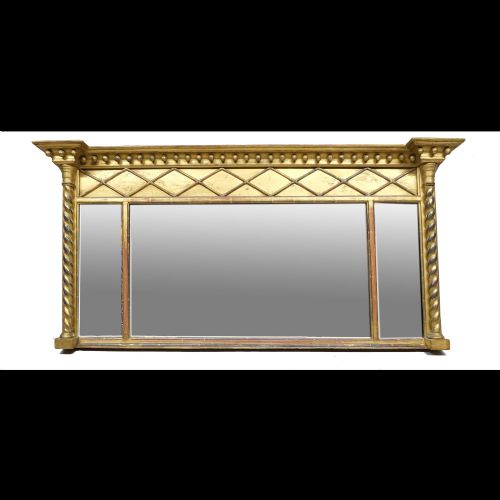
Regency period mirrors often feature architectural elements such as classical columns, pilasters, and ball-stud decoration beneath a projecting cornice. The woodwork is frequently gilded with a bright gold leaf finish that reflects the Regency taste for classical symmetry.
Other indicators include triptych plate divisions where the main central mirror is flanked by smaller glass panels, sometimes framed by acanthus leaf mouldings.
Can these mirrors be cleaned safely?
The gilded frame should only be dusted gently with a soft dry brush, avoiding all water, abrasive cloths, and modern chemical polishes that can strip fragile gold leaf and gesso. Moisture softens the historical gesso base beneath the metallic leaf.
For the glass plate itself, use a minimal amount of standard glass cleaner applied directly to a cloth rather than the mirror, ensuring no liquid seeps behind the frame rebate where old backing boards reside.