
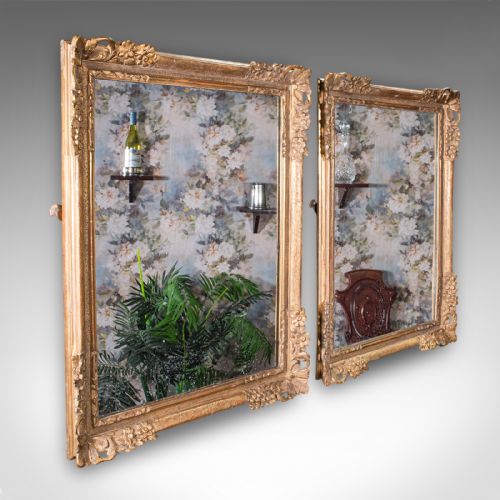
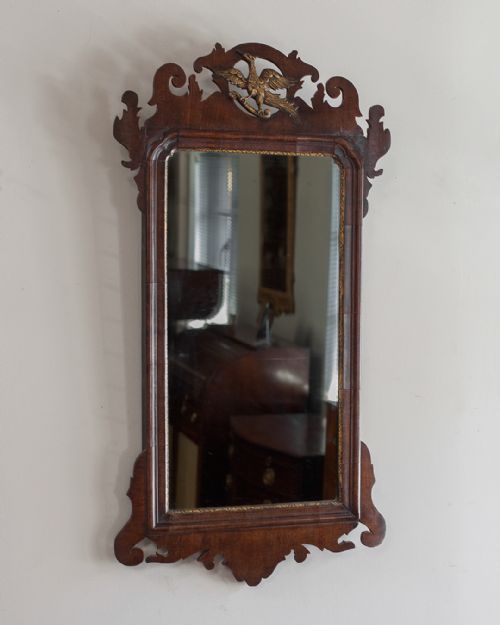
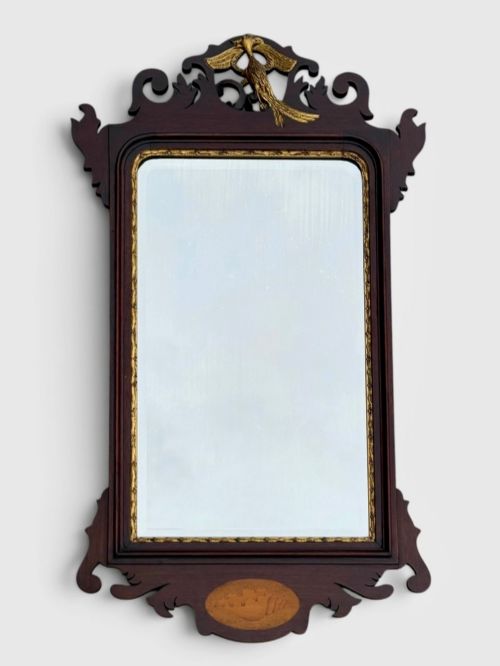
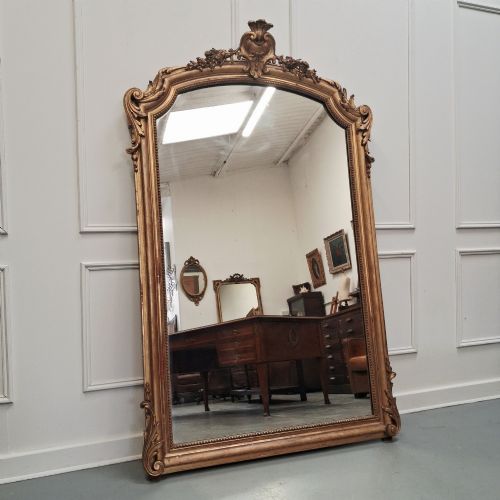
Gilded Frame Pier Mirror
A gilded frame pier mirror brings vertical light and architectural focus into a room, typically designed to hang between windows.
Gilded Frame Pier Mirror
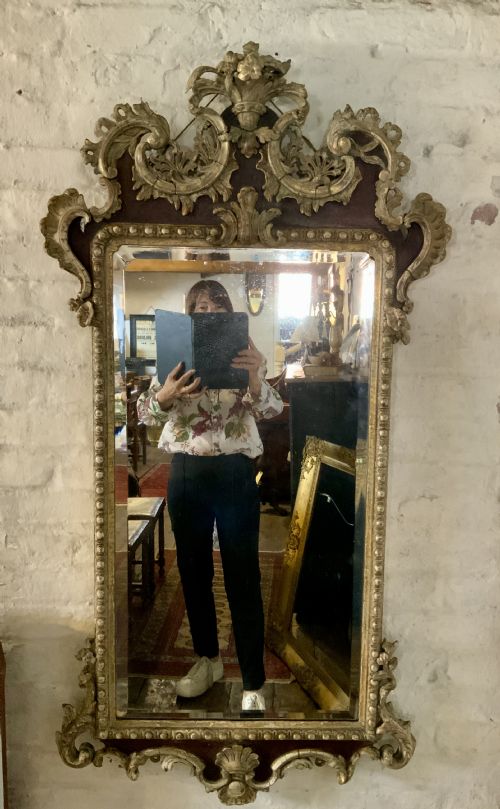
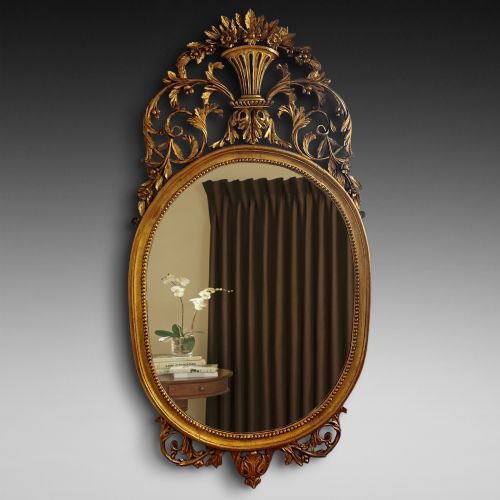
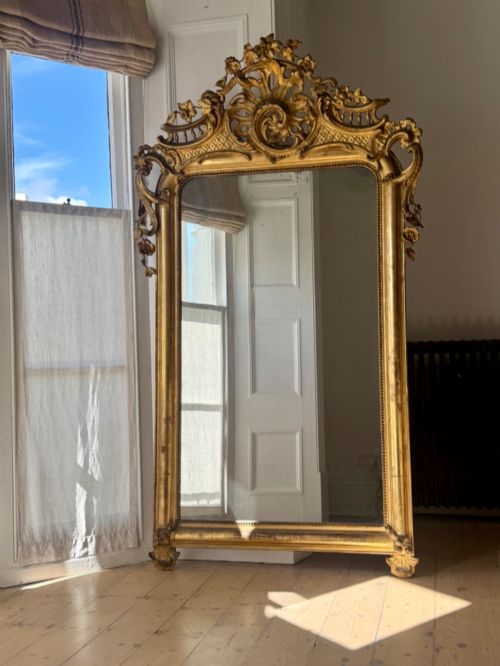
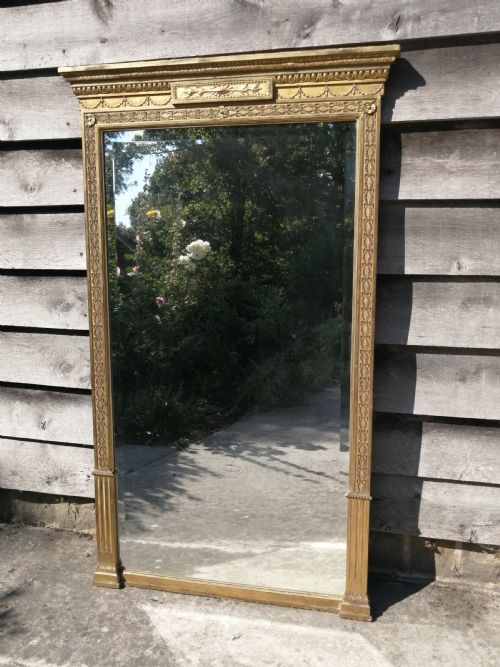
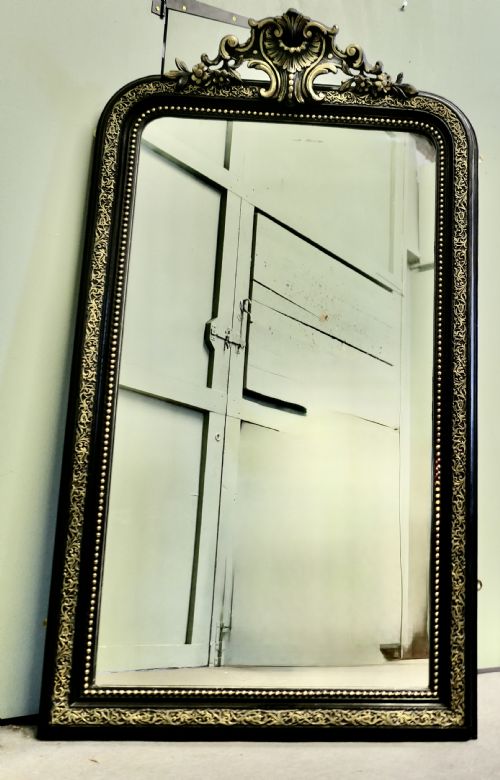
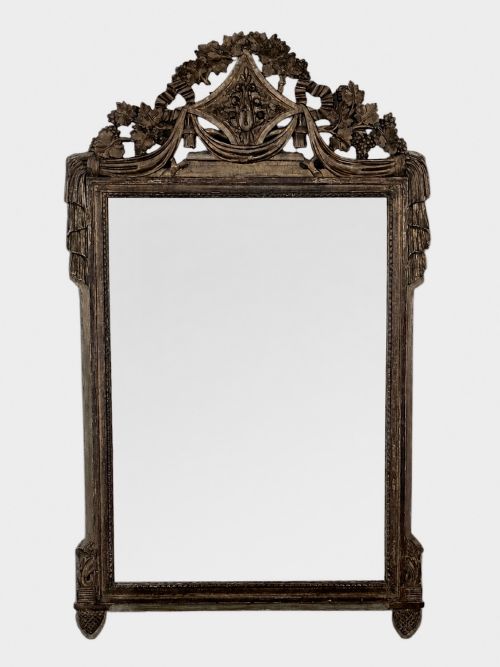
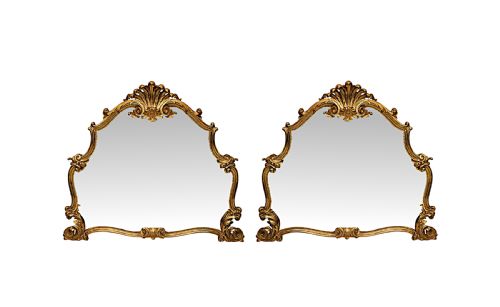
A gilded frame pier mirror sits at the intersection of architecture and interior decoration, traditionally hung on the narrow wall space between two windows or above a pier table. When searching for a gilded frame pier mirror, buyers encounter pieces spanning from the eighteenth century through the nineteenth century, with strong representation from the Regency and Victorian periods.
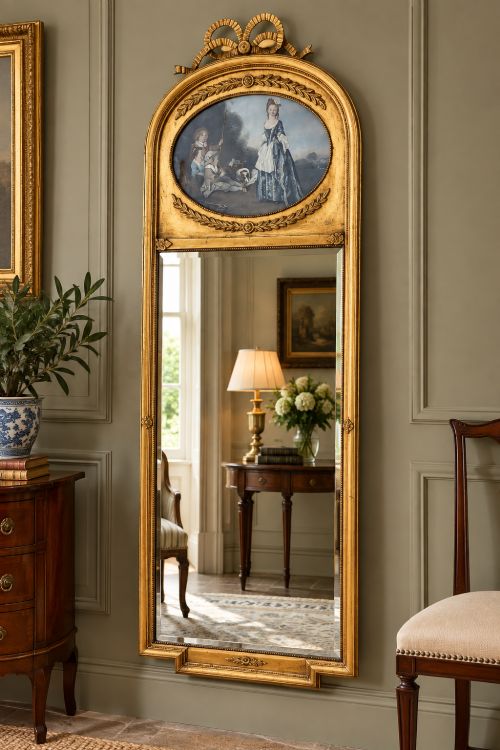
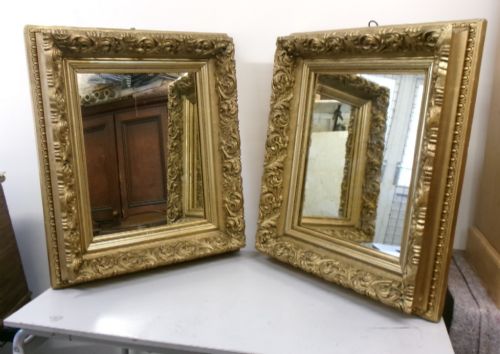
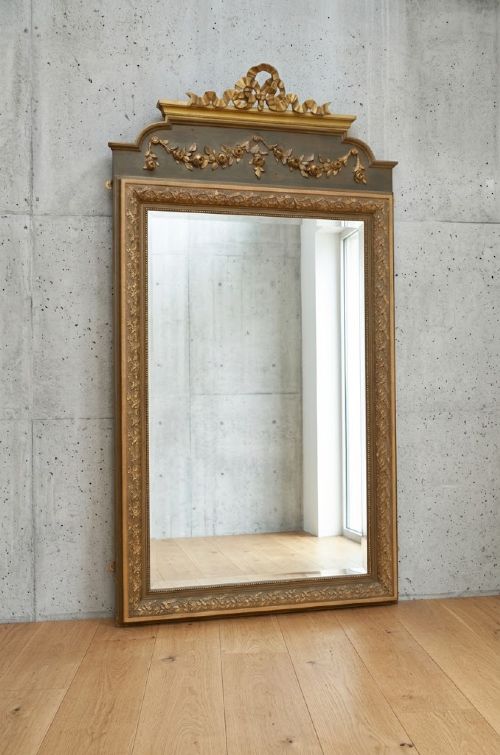
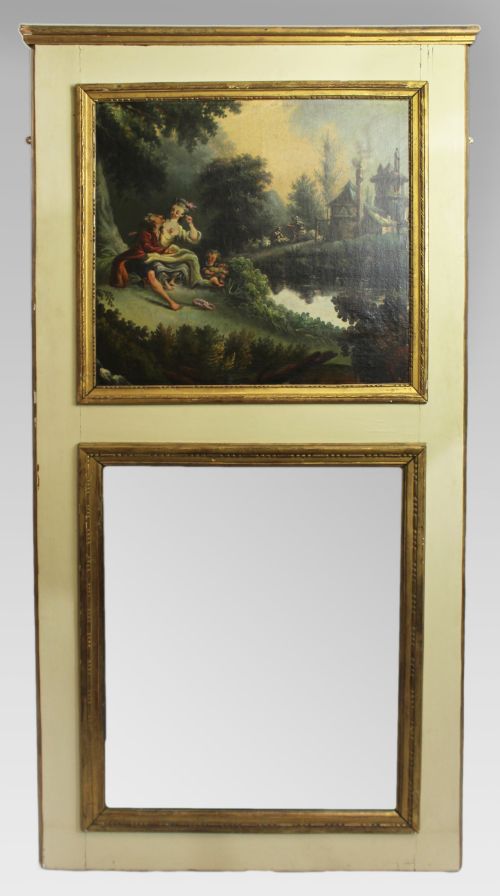
The forms vary from tall architectural formats with pastoral oil paintings and ribbon crests to smaller carved giltwood and gesso frames. French and English origins dominate, alongside Italian examples, often adopting Rococo, Georgian, or Louis XVI design idioms.
Most examples function as wall mirrors, dressing mirrors, or tall leaner mirrors, utilising mercury glass plates or original mirror glass to catch and reflect light within reception rooms and hallways.
Materials and construction
Makers built the foundational structures of these frames using timber such as pine, mahogany, or walnut, which provided a stable base for decorative surface work. Carved details and moulded ornamentation relied heavily on gesso and composition applied over wood, allowing for intricate relief work.
Guilders applied gold leaf or painted finishes to the prepared surfaces, creating the characteristic reflective metallic sheen seen on period pieces. Mercury glass plates appear in eighteenth-century and nineteenth-century examples, identifiable by their mottled, deep reflective quality.
Listings feature frames finished in gold leaf, painted wood, and composition, spanning the Georgian, Regency, and Victorian eras.
Assessing craftsmanship
Quality reveals itself in the crispness of the carved ornament and the depth of the gilding, where hand-tooled gesso outperforms moulded composition in sharpness and detail. The survival of original mirror plates and mercury glass adds integrity to a piece, whereas later replacements alter the internal light reflection.
Structural cohesion in the wooden joinery and the retention of original backboards indicate how well a piece has survived centuries of atmospheric changes. The sophistication of the design, such as a well-proportioned rope carving or a balanced Rococo scrollwork, separates standard workshop production from master carvers.
William Kent·John Belchier
The Gilded Frame Pier Mirror Glossary
- Giltwood
- Wood that has been coated with gold leaf or gold paint. This technique gives the frame its enduring metallic brilliance.
- Gesso
- A plaster-like mixture applied to wood frames to create a smooth surface for carving or gilding. It allows for sharp, intricate ornamental relief.
- Pier glass
- A mirror specifically designed to hang on the pier, which is the wall space between two windows. These mirrors maximise natural light in period rooms.
- Mercury glass
- A type of silvered glass produced by pouring a mercury amalgam between double-walled blown glass. It creates a dark, atmospheric reflection.
- Trumeau
- A decorative wall panel that incorporates a mirror and a painted scene or carving above it. They were popular in French interior design.
- Composition
- A mouldable paste of whiting, resin, and oil pressed into ornaments for frames. It offered a cost-effective alternative to hand carving.
Gilded Frame Pier Mirror: Frequently Asked Questions
Where should I hang a pier mirror?
These mirrors work best on narrow wall spaces between windows or above low console tables. Their vertical proportions draw the eye upward and bounce daylight across the room.
Ensure the wall fixings match the weight of the timber and gesso frame, as many period examples are surprisingly heavy.
How do I identify a Regency pier mirror?
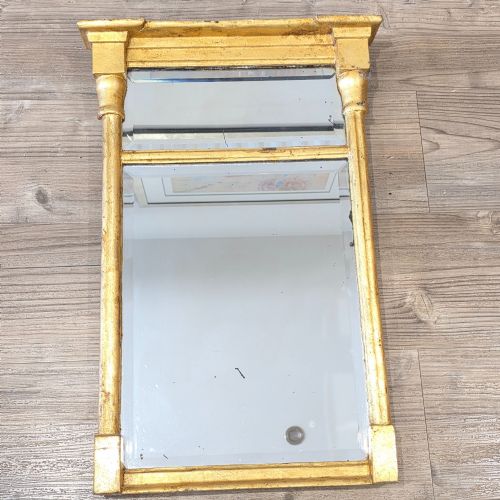
Regency pieces often display classical motifs such as reeding, rope carvings, columns, and giltwood finishes. They reflect the early nineteenth-century taste for Roman and Greek revival designs.
Look for original mercury glass plates and robust pine or hardwood carcase construction behind the gilding.
Are original mirror plates important?
Original glass plates retain the historic Foxing and uneven silvering that collectors prize for authenticity. They provide a softer, deeper reflection than modern mirror glass.
While replacement glass is common in pieces that endured heavy use, surviving original plates preserve the integrity of the object.
How do I care for antique giltwood?
Keep gilded frames away from direct sunlight and damp environments to prevent the gesso and gold leaf from lifting. Dust them gently with a dry, soft brush rather than a cloth that might snag on delicate carvings.
Avoid liquid cleaning products entirely, as moisture damages the historic composition and water-gilded surfaces.