

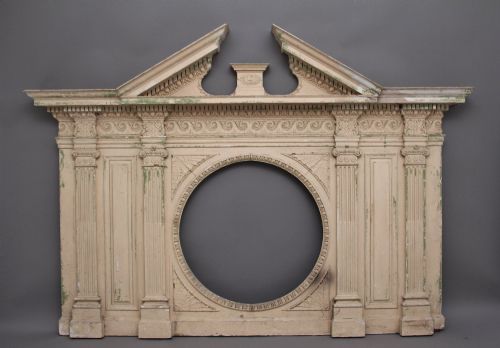


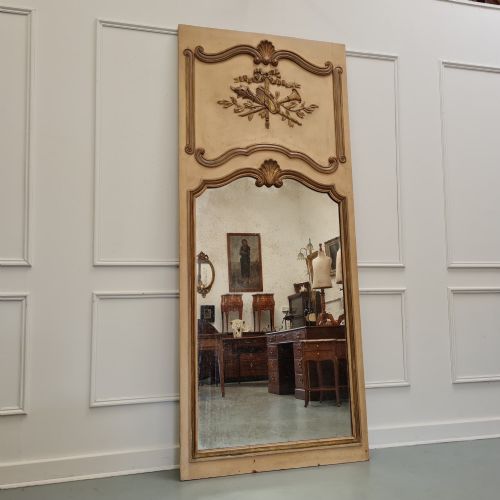


Painted Panel Overmantel
A painted panel overmantel combines a mirror with decorative art, bringing architectural presence and painted charm above a fireplace.
Painted Panel Overmantel
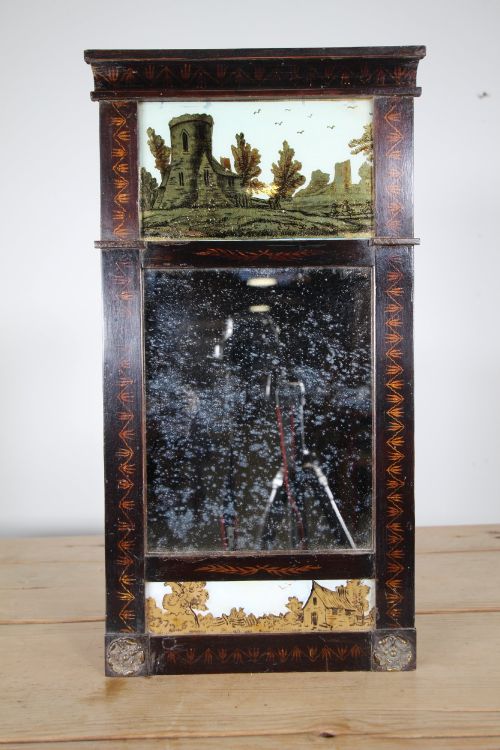
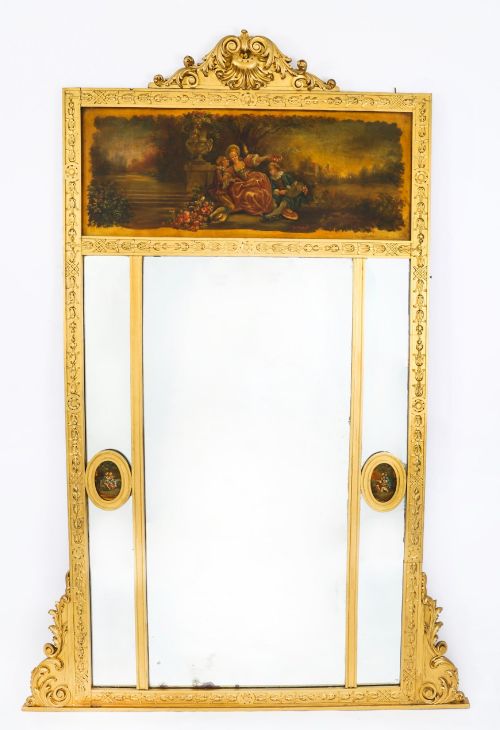
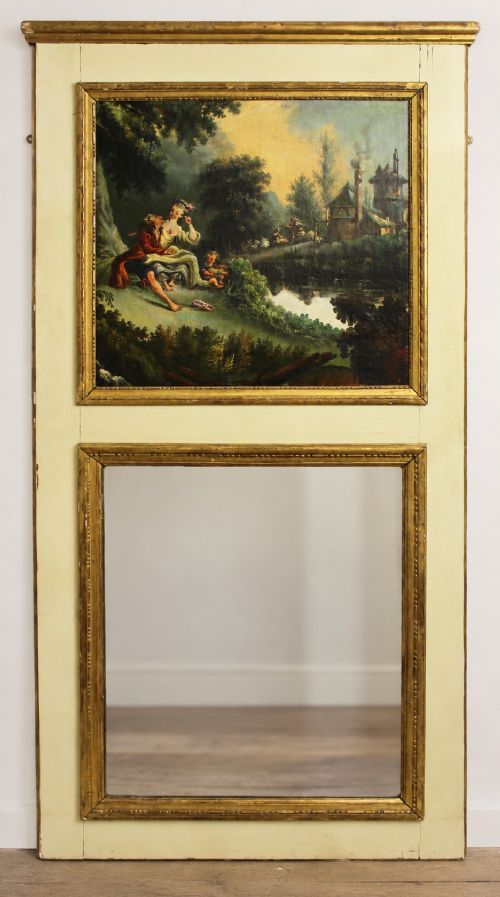
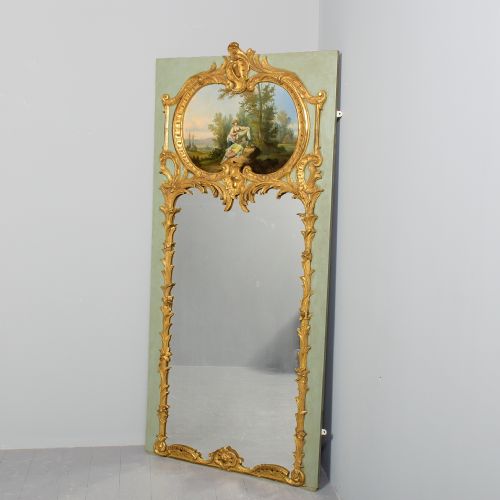
A painted panel overmantel is a combined mirror and decorative panel designed to sit above a fireplace. When searching for a painted panel overmantel, buyers encounter a strong French and English influence, often termed trumeau mirrors.
The selections span the eighteenth century, the regency period, and the nineteenth century, including Victorian and aesthetic movement examples. Painted wood, giltwood, and canvas paintings form the primary body of these decorative wall mirrors and overmantels.
French styles such as Louis XVI, French Empire, and Louis XV Rococo appear frequently alongside Sheraton influences and Georgian proportions. The integrated artwork often depicts pastoral scenes, classical figures, or floral decorations set directly above the glass plate.
How they were made
Wood provides the foundational structure for these frames, utilising pine, mahogany, satinwood, and ebonised timber. Carved details and applied mouldings shape the borders, frequently enhanced with parcel gilt or complete gilding using gold leaf.
The painted panels employ oil paint on wood, canvas, or reverse painted glass techniques. Mirror glass plates, often with bevelled edges or signs of age, sit alongside decorative relief panels and eglomisé sections.
Painted Panel Overmantel Retail Price Guide 2026
Typical asking prices for painted panel overmantel among the pieces listed under this phrase on Sellingantiques today, from the lower quarter to the upper quarter. They describe what is for sale here now, not the wider market.
One carousel mirror waits quietly among the wall mirrors, ready to bring a touch of old fairground magic indoors.
What varies in quality
The refinement of the painted artwork dictates much of the visual success, ranging from simple decorative motifs to detailed pastoral oils and classical relief figures. Superior examples display harmonious proportions between the mirror plate and the upper panel.
Gilding technique and the depth of woodcarving separate standard decorative pieces from exceptional items. Original surfaces, undisturbed paint layers, and period mirror glass carry distinct weight in determining the character of the object.
The Painted Panel Overmantel Glossary
- Trumeau
- A decorative wall mirror featuring an integrated painted or carved panel above the glass plate. These items originate predominantly from French interior design traditions.
- Eglomisé
- A technique involving cold painting and gilding on the rear face of glass to produce a metallic, reflective image. This method creates decorative panels with a distinctive sheen.
- Pier mirror
- A tall mirror designed to hang on the wall between two windows, often placed above a pier table. Many share stylistic traits with overmantel mirrors.
- Parcel gilt
- A surface treatment where only specific carved details or raised ornaments receive gilding while the rest of the frame remains painted or stained wood.
Painted Panel Overmantel: Frequently Asked Questions
Where should I hang an overmantel?
These pieces traditionally hang directly above a mantelpiece or fireplace surround to reflect light and fill vertical wall space.
They also function effectively on large blank walls in living rooms or hallways as standalone focal points.
What is a trumeau mirror?
A trumeau mirror is a specific style incorporating a painted or carved panel set into the wooden frame directly above the glass.
Originating in classical architecture, they served as permanent decorative fixtures within wood panelled rooms.
How do I identify the period?
Stylistic cues such as neoclassical swags, empire motifs, or aesthetic movement ebonisation point toward specific decades like the regency or Victorian eras.
Construction methods, timber types, and the ageing of the mirror glass provide further clues to the date of manufacture.
Can these mirrors be cleaned safely?
Dust the gilded and painted wooden frames gently using a soft, dry brush to avoid disturbing historic finishes.
Clean the glass plate sparingly with a mild glass cleaner applied to a cloth rather than sprayed directly onto the surface.