




Black Glass Frame Mirror
A black glass frame mirror brings depth and dark reflection into a room, spanning nineteenth-century ebonised wood to twentieth-century lacquer.
Black Glass Frame Mirror
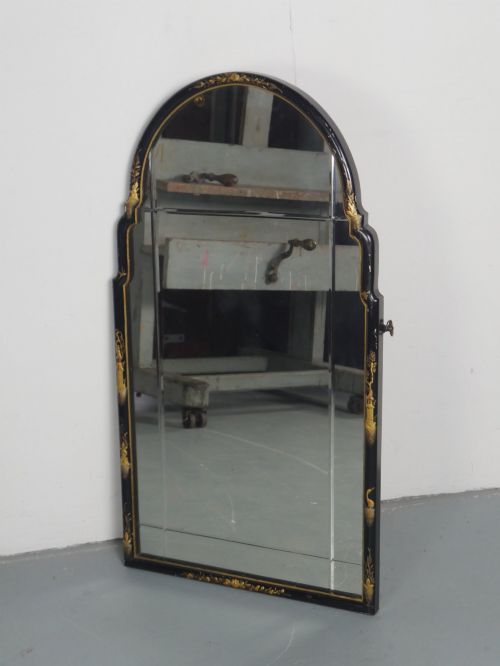
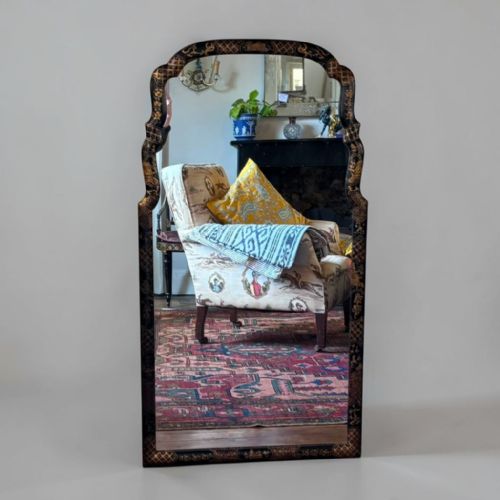
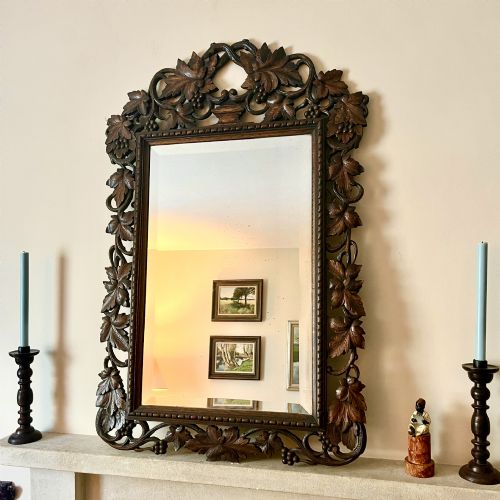
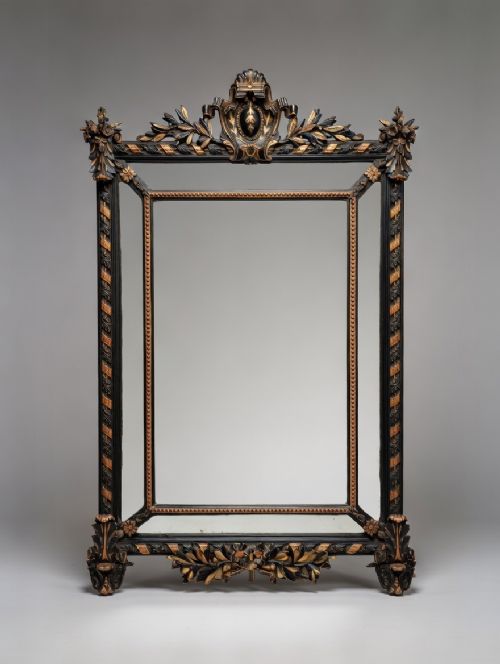
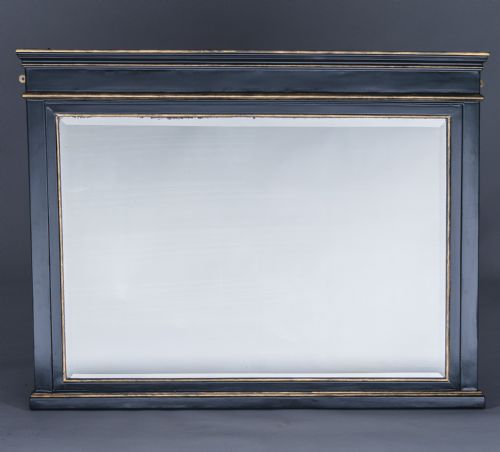
When you search for a black glass frame mirror, you encounter wall mirrors, overmantel mirrors, and hall mirrors created across the nineteenth and early twentieth centuries. These pieces encompass Victorian ebonised wood frames, Edwardian black forest carvings, and Chinoiserie lacquer designs.
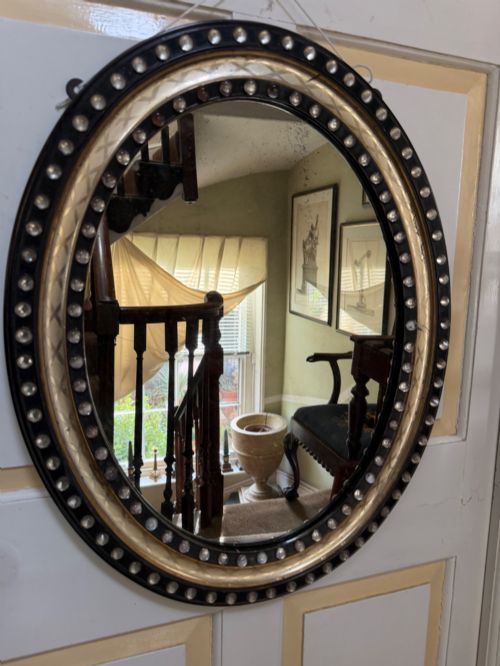
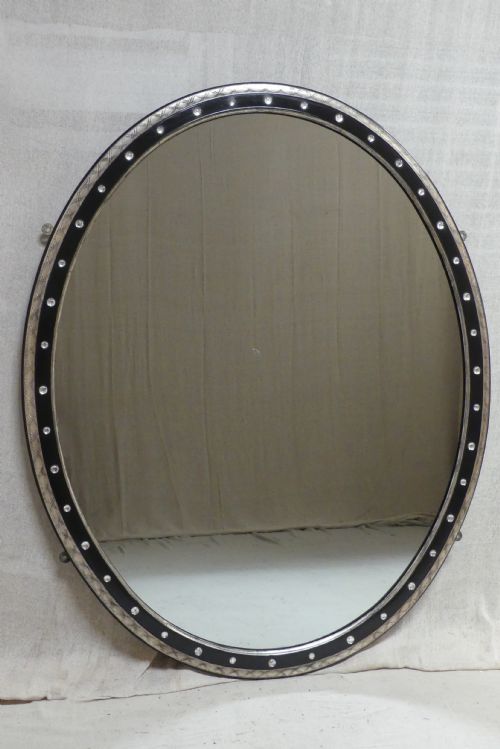
You also find specialised pieces such as fairground distortion mirrors, pub advertising signs, and shop fittings featuring dark or ebonised surrounds. The selection ranges from tall pier mirrors to small oval frames with applied glass decoration.
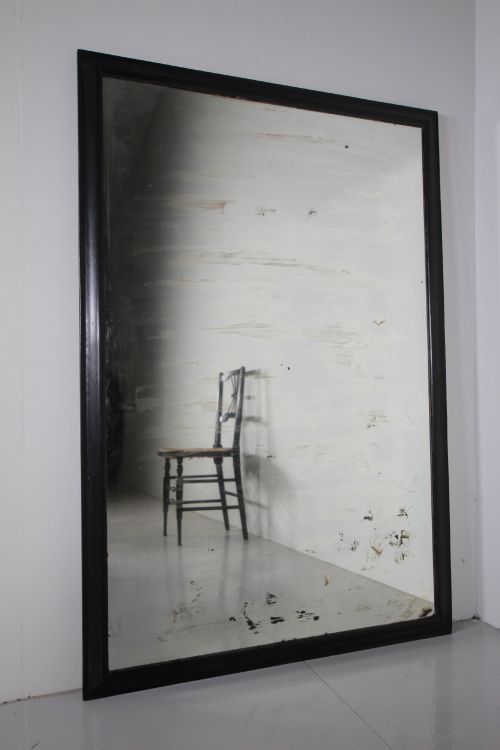
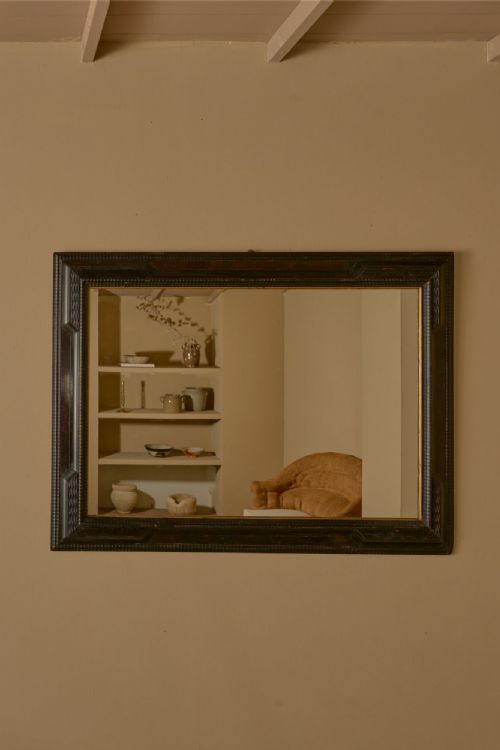
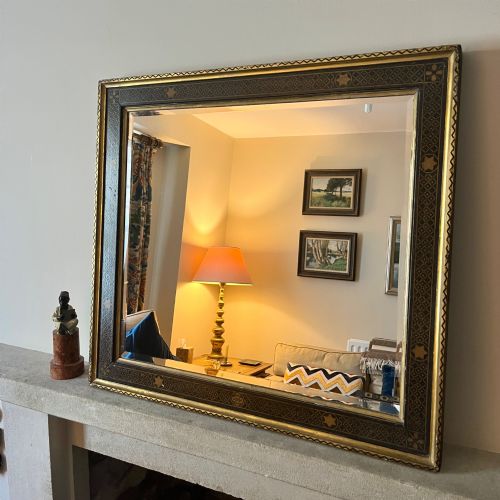
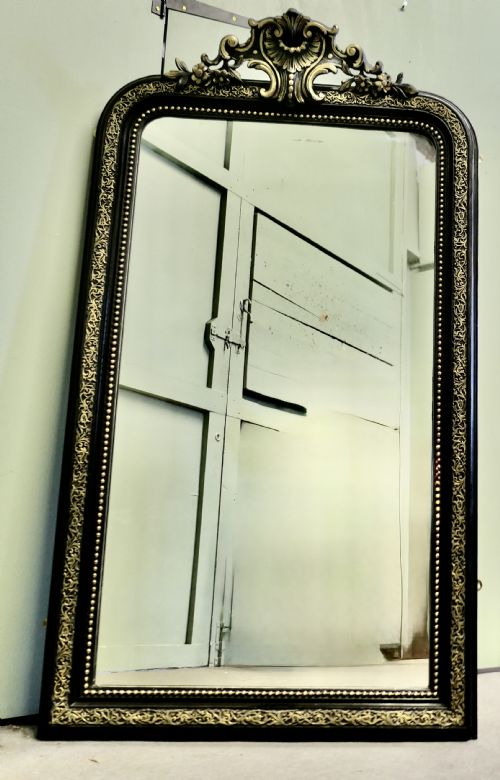
Victorian and Aesthetic Movement examples dominate the selection, often combining ebonised wood with parcel-gilt or painted details. These dark frames provide a strong visual boundary that isolates the reflective glass within.
Materials and construction
Makers utilised wood, glass, and ebonised finishes to achieve the characteristic dark surface of these frames. Ebonised wood simulates ebony, while gold leaf and parcel-gilt details highlight carved elements and mouldings.
Mirrors incorporate original bevelled glass, mercury glass, and reverse-painted techniques. Some pieces feature cut glass pediments, applied glass decoration, or acid-etched designs executed on the glass surface.
Black Glass Frame Mirror Retail Price Guide 2026
Typical asking prices for black glass frame mirror among the pieces listed under this phrase on Sellingantiques today, from the lower quarter to the upper quarter. They describe what is for sale here now, not the wider market.
Several mirrors originated as fairground distortion or circus pieces, bending reflections for amusement rather than vanity.
Distinctions in quality
Quality rests in the execution of the surface treatment, whether through fine ebonisation, skilled carving, or delicate parcel-gilt work. Superior pieces display crisp carving on frames of oak or pine beneath the dark finish.
The character of the glass itself defines the standard, with original bevelled edges, mercury backing, or hand-etched advertising lettering showing greater artistry than plain replacement plates.
The Black Glass Frame Mirror Glossary
- Ebonised
- Wood treated with a dark stain or finish to imitate ebony. This process became widely used during the Victorian and Aesthetic periods.
- Parcel-gilt
- Partially gilded woodwork where gold leaf highlights specific carved details against a dark or painted background.
- Overmantel mirror
- A large mirror designed to hang above a fireplace mantelpiece. These pieces often feature wide frames to anchor large reception rooms.
- Mercury glass
- A double-walled glass blown with a silvering mixture inserted between the layers. This technique creates a characteristic mottled reflection.
Black Glass Frame Mirror: Frequently Asked Questions
What is an ebonised frame?
An ebonised frame is timber treated with a black finish to resemble expensive ebony wood. This treatment was particularly popular during the Victorian and Aesthetic Movement periods.
Craftsmen used this method to create a stark, dark contrast against gilded highlights or painted wall surfaces.
Where were overmantel mirrors placed?
Overmantel mirrors were positioned directly above fireplace mantels in principal rooms. They served to reflect light from windows and candles into the deeper parts of the room.
Their substantial size helped to visually expand Victorian and Edwardian interiors.
What is a pier mirror?
A pier mirror is a tall, narrow glass designed to hang on the wall space between two windows, known as the pier. These mirrors often reached from table height towards the ceiling.
They maximised natural light in nineteenth-century reception rooms.
How do you identify an Aesthetic Movement mirror?
Aesthetic Movement mirrors display clean lines and dark ebonised surfaces, frequently incorporating Japanese-inspired motifs or Chinoiserie lacquer. They rejected ornate Victorian clutter in favour of composed design.
Such pieces often combine black framing with subtle gilt details.