
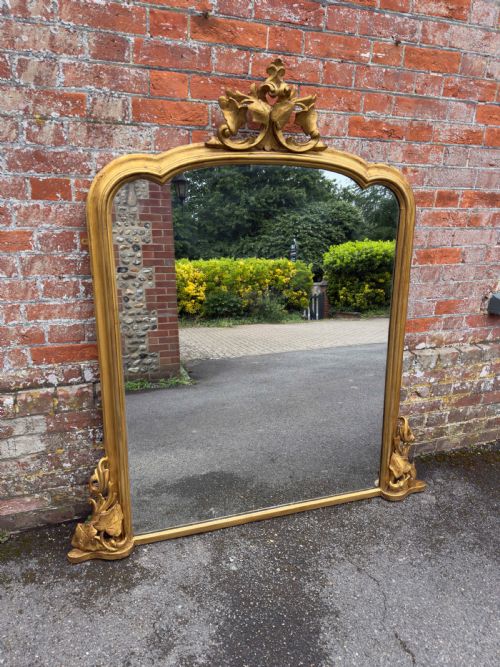
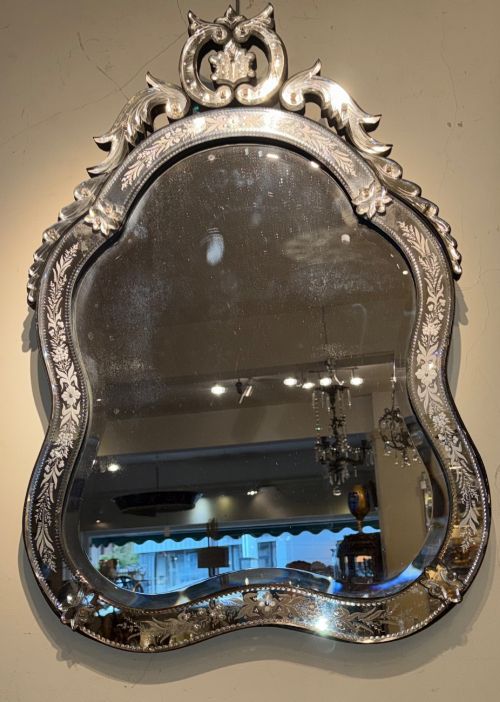


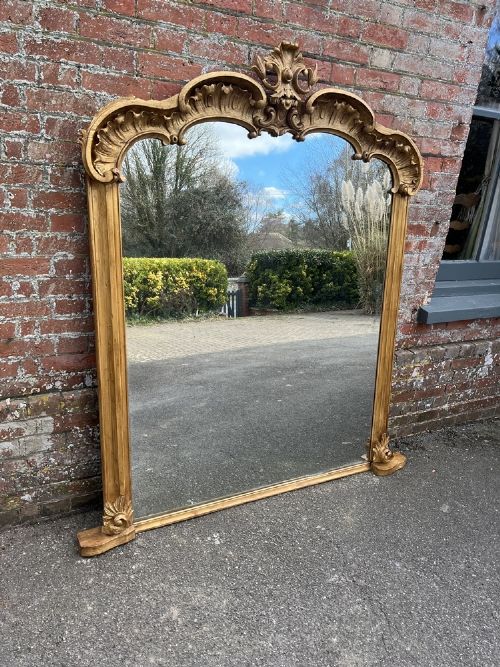
Shaped Cresting Wall Mirror
A shaped cresting wall mirror brings genuine architectural presence to a room through distinctive curved frames and decorative upper contours.
Shaped Cresting Wall Mirror
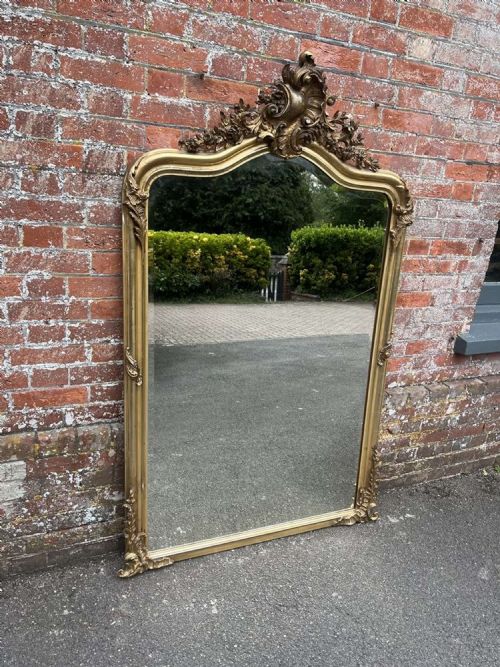
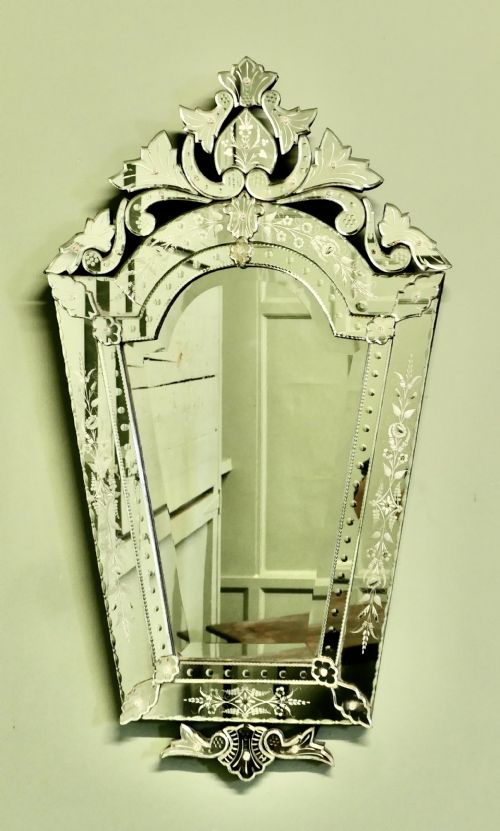
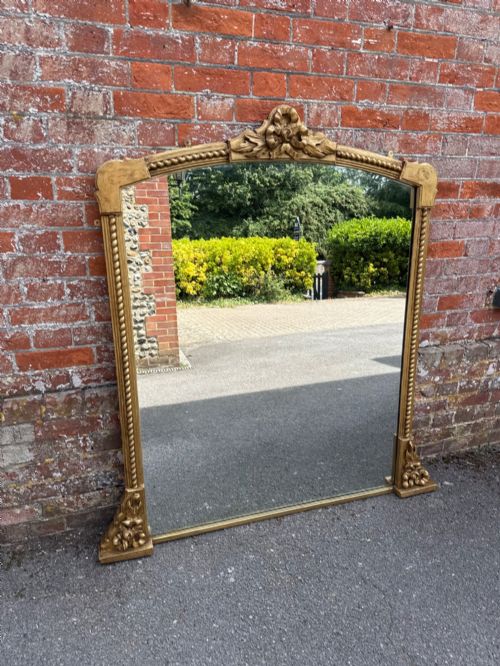
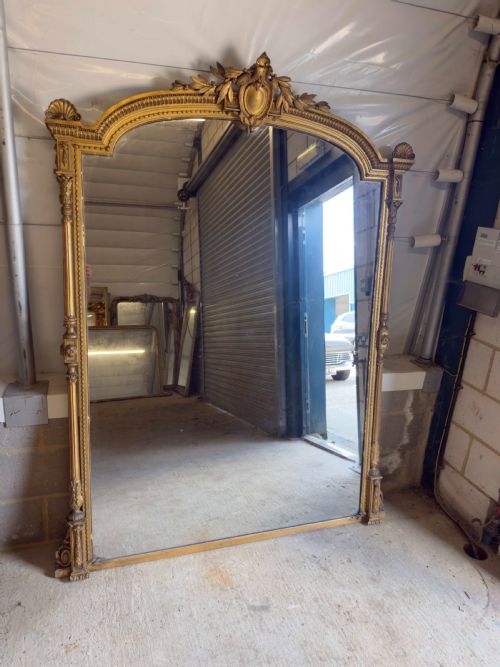
Buyers will encounter various stylistic interpretations on this page, ranging from Victorian and Edwardian iterations to Art Deco Venetian examples. Many pieces utilise traditional carved wood and gesso foundations, finished in bright gold leaf or subtle paint.
Beyond standard wall mirrors, the selection includes specialised shield-shaped formats and grander proportions suited to principal reception rooms. Each variant showcases the distinctive silhouette that defines the genre, whether through French Rococo Revival curves or simpler walnut framing.
How they were made
Carved wood provides the primary structural foundation for the majority of these frames, often built up with layered gesso to create crisp relief ornamentation. Artisans then applied gold leaf, silver leaf, or specialised paint finishes directly over the prepared surfaces.
Alternative examples utilise cabinet timbers such as walnut, sometimes featuring inlaid details or burr walnut veneers. Mirror glass is set securely within these constructed frames, reflecting the craftsmanship of period glassmakers and gilders.
Some nineteenth-century mirrors feature asymmetrical crests designed to trick the eye into thinking the ceiling sits higher than it actually does.
What varies in quality
The depth and crispness of the carved wood and gesso ornamentation separate exceptional examples from simpler production. Superior pieces display finely rendered curves and scrolls that retain their sharpness beneath layers of original gilding or paint.
The choice of primary timber and the sophistication of the frame construction also dictate the tier of the piece. Walnut frames and heavily detailed overmantels reflect a higher degree of artisan investment compared to more restrained variants.
The Shaped Cresting Wall Mirror Glossary
- Cresting
- The decorative upper portion of a mirror frame that rises above the main glass area. This carved or shaped element gives the piece its characteristic silhouette.
- Gesso
- A plaster-like mixture applied to wood frames to create a smooth surface for gilding or painting. Artisans carve fine details directly into this hardened material.
- Giltwood
- Wood that has been coated with thin sheets of gold leaf. It produces a luminous metallic finish characteristic of many period mirrors.
- Overmantel mirror
- A large mirror specifically designed to hang above a mantelpiece. These pieces often feature wide proportions to match the scale of a fireplace.
- Rococo Revival
- A nineteenth-century design style inspired by French eighteenth-century art, featuring asymmetric scrolls and naturalistic plant motifs. It heavily influences the curves found on these frames.
Shaped Cresting Wall Mirror: Frequently Asked Questions
Where should I hang a shaped cresting wall mirror?
These mirrors suit prominent locations where their decorative upper frames can be fully appreciated. Overmantel mirrors traditionally anchor the space above a fireplace, while smaller variants work well on principal salon walls.
Ensure the wall construction can support the weight of carved wood and glass assemblies. Positioning the mirror opposite a window also helps maximise light distribution in the room.
How do I identify a nineteenth-century frame?
Nineteenth-century frames typically rely on carved wood and gesso construction finished with hand-applied gold leaf or paint. Examining the reverse and the joining techniques often reveals period manufacturing methods.
Stylistic cues such as Victorian Rococo Revival scrolls or French Chateau influences also point toward this active period of mirror production.
What is the difference between an overmantel and a wall mirror?
Overmantel mirrors are generally built with broader proportions to span the width of a fireplace surround. They frequently incorporate pronounced shaped cresting designed to fill high chimney breast walls.
Standard wall mirrors tend to be more compact and versatile in their placement options. Both categories utilise similar carved wood and gesso techniques.
How do I care for giltwood frames?
Giltwood and painted surfaces require gentle dusting with a soft, dry cloth to prevent accumulation. Avoid chemical cleaners or excessive moisture that might compromise the underlying gesso.
Keep mirrors away from direct heat sources and strong sunlight to protect the original finishes. Regular, careful maintenance preserves the metallic sheen of the leaf.