
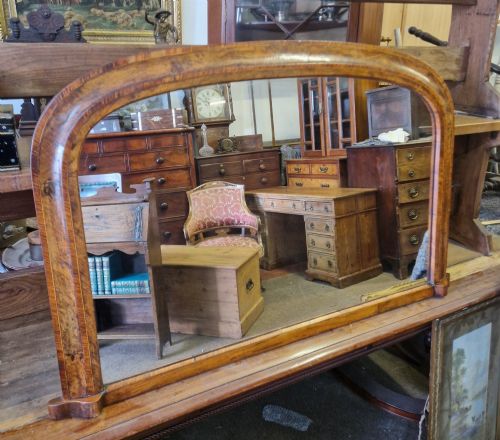
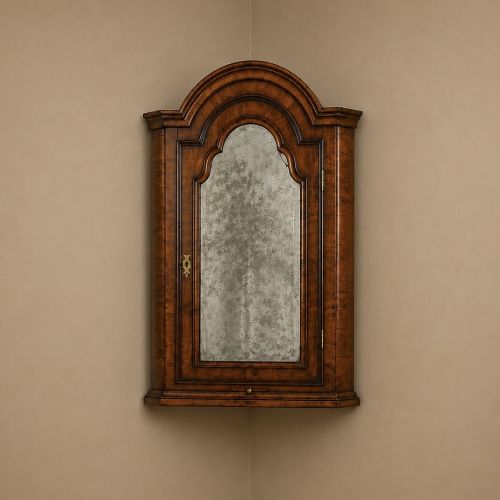
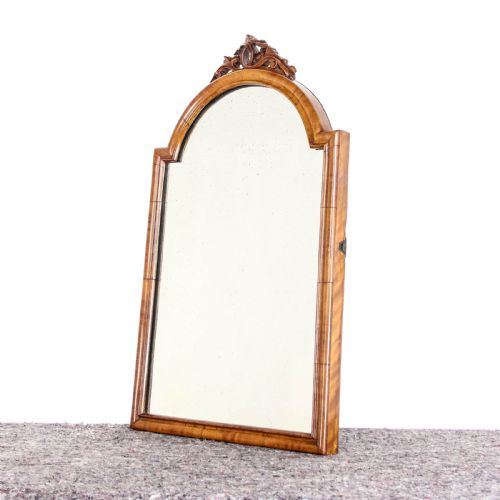


Burr Walnut Wall Mirror
A burr walnut wall mirror brings rich, swirling grain and deep warmth to a room, catching the light while anchoring a wall.
Burr Walnut Wall Mirror
A burr walnut wall mirror brings decorative impact to an interior through its distinctive figured timber. When you search for a burr walnut wall mirror, you encounter pieces that span from the eighteenth century into the twentieth century, alongside later revivals of earlier designs.
The selection ranges from compact wall-hanging glasses to substantial overmantel mirrors and tall pier mirrors. Pieces from the nineteenth century and the nineteen-twenties appear frequently, alongside earlier Georgian and Queen Anne style examples that echo seventeenth and eighteenth-century forms.
How They Were Made
Craftsmen utilised burr walnut veneer applied to a solid timber carcase to create swirling, organic patterns on the frame surface. Walnut and ebonised wood often form secondary timbers or contrasting mouldings around the glass.
Giltwood and parcel gilt details frequently highlight the carved borders, adding metallic contrast to the warm brown tones of the wood. Mirror glass is set within these frames, sometimes accompanied by brass fixings or candle slides.
Listings feature periods spanning from the eighteenth century through the Victorian era to the nineteen-twenties, incorporating walnut, giltwood, and ebonised wood.
What Varies in Quality
The fineness of the burr walnut veneer selection defines the visual appeal, with tightly knotted, symmetrical grain patterns commanding greater visual interest. The depth and crispness of parcel gilt carving or fretwork also distinguish standard execution from finer work.
Originality of components, such as the mirror glass and backing boards, shapes the integrity of the piece. Proportion and balance in the frame design reflect the skill of the maker across different periods.
The Burr Walnut Wall Mirror Glossary
- Burr walnut
- Timber cut from a walnut tree outgrowth, producing complex, swirling grain patterns. This wood is sliced into thin veneers for decorative furniture surfaces.
- Overmantel mirror
- A large horizontal mirror designed to hang above a fireplace mantelpiece. These pieces often feature architectural framing or parcel gilt decoration.
- Pier mirror
- A tall, narrow mirror designed to hang on the wall space between windows. They sometimes accompany console tables or sit above matching furniture.
- Parcel gilt
- Woodwork decorated with partial gilding using gold leaf. This technique highlights carved details against the dark walnut grain.
- Fretwork
- Openwork patterns cut into thin wood boards using a fret saw. Eighteenth-century style mirrors frequently employ this decorative edging.
Burr Walnut Wall Mirror: Frequently Asked Questions
How do I date a burr walnut mirror?
Dating relies on examining the construction methods, framing style, and the characteristics of the mirror glass itself. Earlier pieces often display hand-beveled plates and specific timber preparation techniques unique to eighteenth or nineteenth-century workshops.
Revival pieces from the nineteen-twenties adopt earlier Queen Anne or Georgian motifs while retaining the cleaner construction markers of their own era. Comparing the secondary woods and backing boards helps confirm the period of manufacture.
Where should I hang an overmantel mirror?
An overmantel mirror traditionally hangs directly above a fireplace opening to reflect light and anchor the room's proportions. Their horizontal format suits wide wall spaces, making them effective above sideboards or low furniture.
Ensure the wall fixings match the weight of the mirror frame, especially with large nineteenth-century examples. Positioning them opposite a window maximises the natural light they bring into the space.
What is the difference between a pier mirror and a wall mirror?
A pier mirror is specifically proportioned to fit the narrow wall space between two windows, known as the pier. They tend to be taller and narrower than standard wall mirrors.
Standard wall mirrors take various shapes including rectangular, round, or architectural formats without the specific architectural placement requirement of pier glasses. Both utilise similar burr walnut and parcel gilt construction techniques.
How do I care for burr walnut veneer?
Maintain burr walnut veneer by keeping the mirror away from direct sunlight and fluctuating humidity, which can dry out the timber. Dust gently with a dry cloth and avoid using harsh chemical polishes that might damage the polished finish.
Treat the parcel gilt sections with equal care, avoiding moisture on the gold leaf. Periodic light waxing preserves the moisture and warmth of the walnut grain.