

Georgian Style Desk Chair
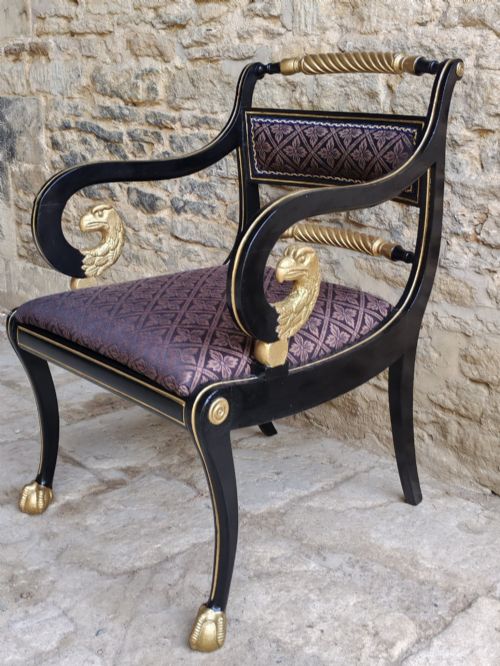
A georgian style desk chair brings traditional timber and leather to the study, offering a robust work seat rooted in eighteenth-century forms.
Georgian Style Desk Chair
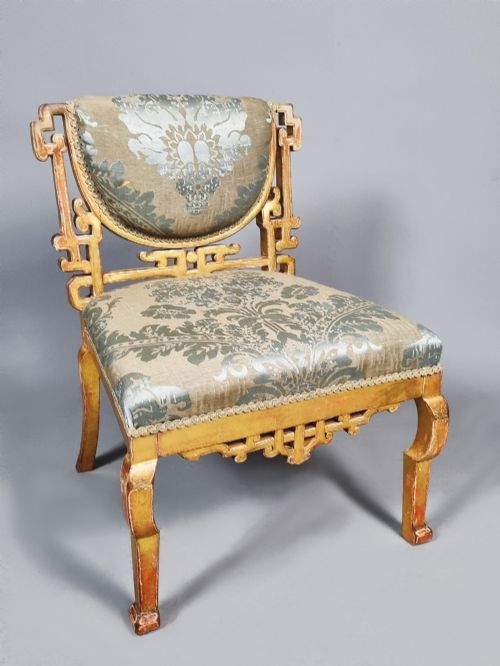
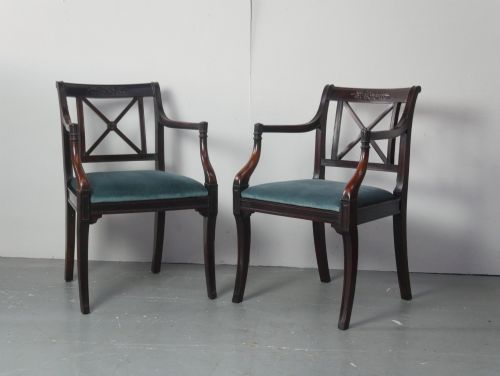
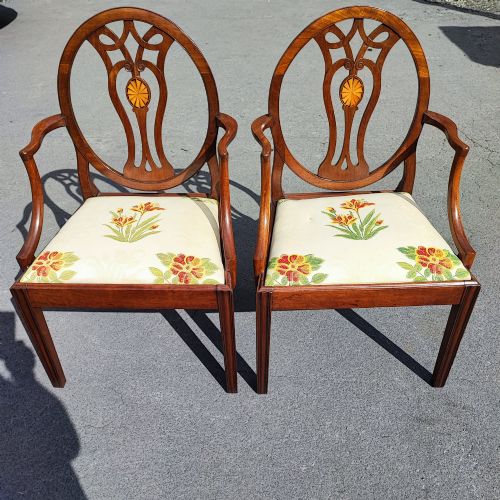
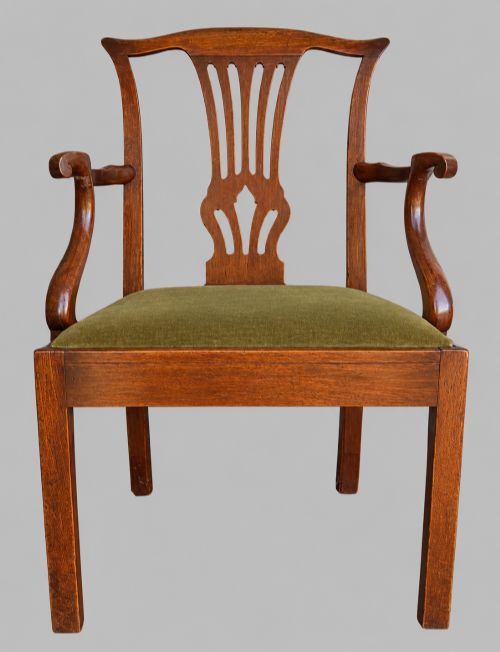
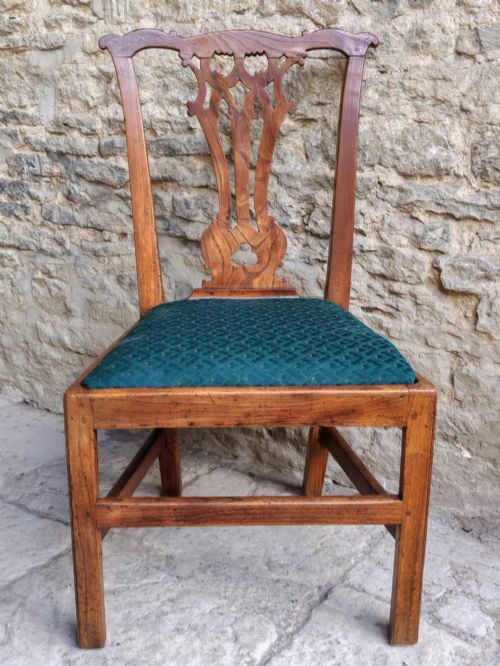
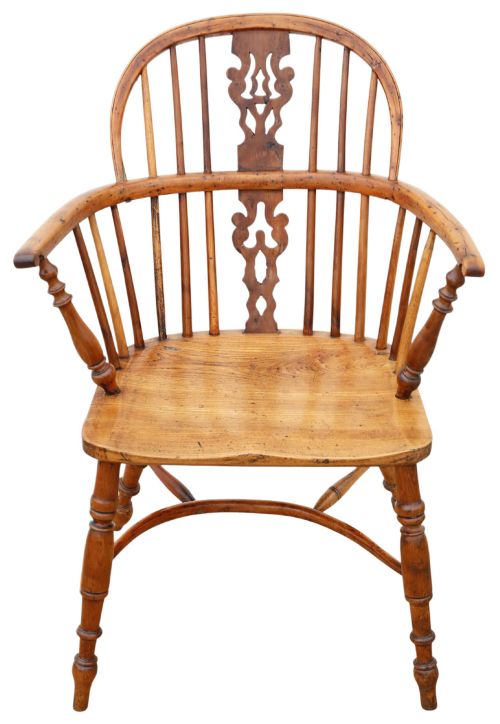
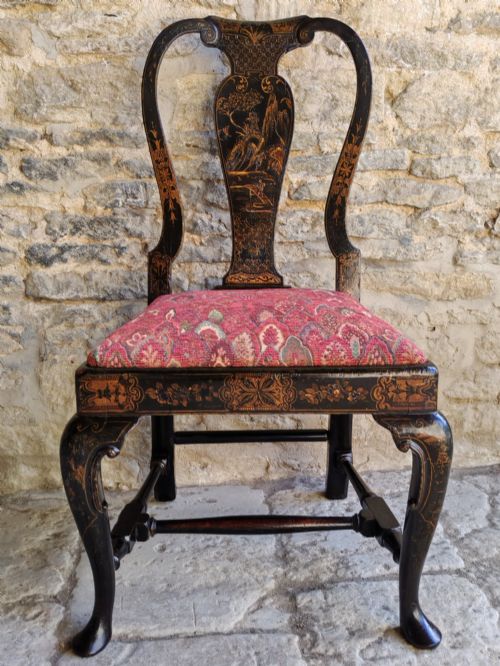
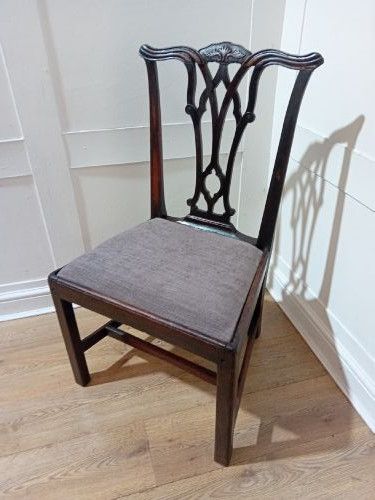
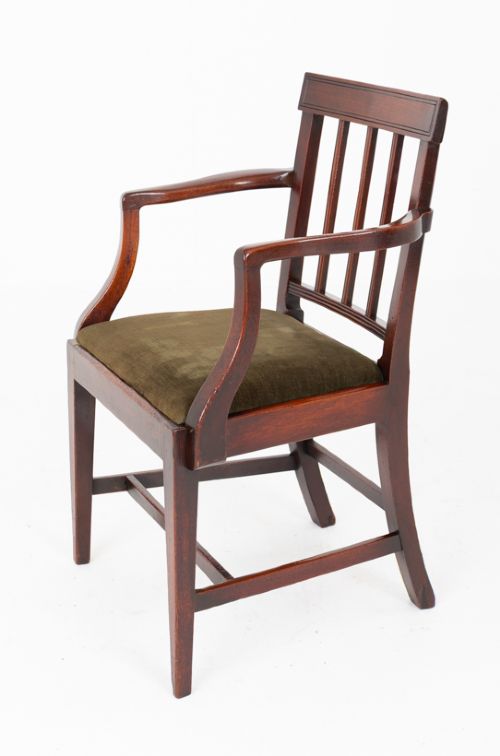
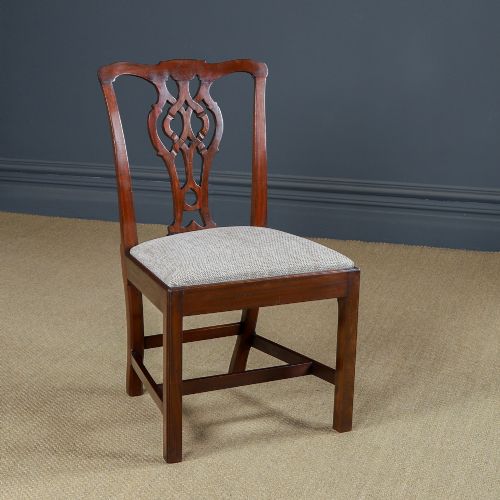
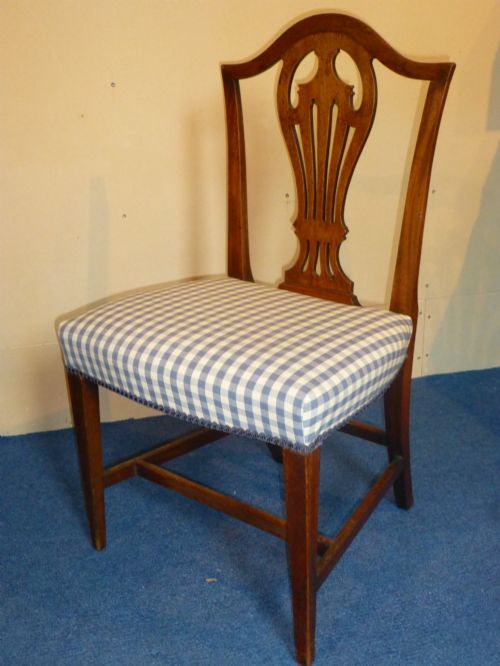
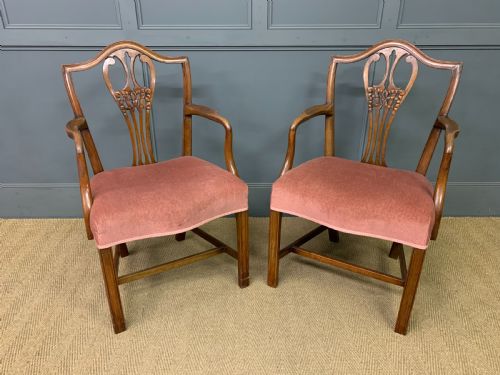
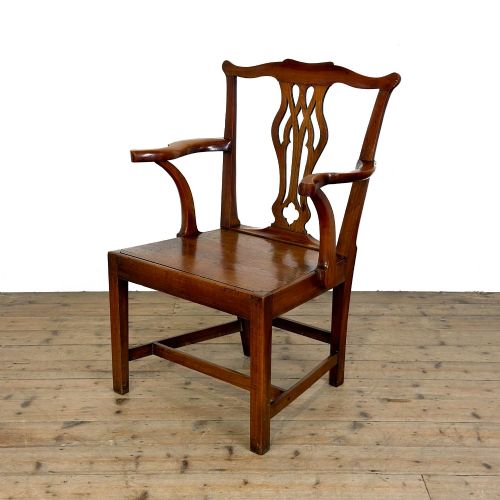
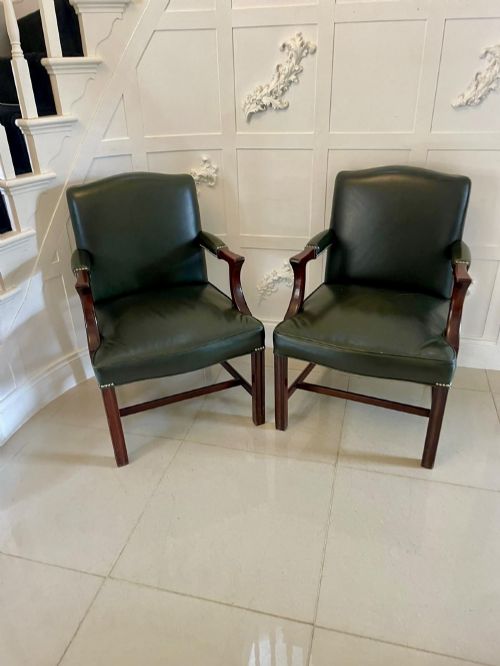
A georgian style desk chair is typically encountered as a mahogany or walnut elbow chair, often featuring upholstered leather pads or seats. These pieces draw on eighteenth-century design vocabulary, spanning authentic period examples from the seventeen-eighties as well as later revivals from the nineteenth and early twentieth centuries.
The form encompasses library armchairs, Gainsborough designs with upholstered frames, and revolving office variants. Buyers frequently find elbow chairs and carvers adapted for modern desk use, blending historic character with functional seating heights.
How they were made
Cabinetmakers constructed the frames primarily from dense hardwoods like mahogany, walnut, fruitwood, and occasionally elm or yew, employing mortise and tenon joinery for stability. Carved details such as blind frets or ribbon backs required skilled hand-tooling on solid timber rather than applied composition.
Upholstered elements relied on traditional stuffing techniques secured over webbing, finished with horsehair or wool padding beneath leather, fabric, or velvet coverings fastened with brass tacks.
Georgian Style Desk Chair Retail Price Guide 2026
Typical asking prices for georgian style desk chair among the pieces listed under this phrase on Sellingantiques today, from the lower quarter to the upper quarter. They describe what is for sale here now, not the wider market.
What varies in quality
The distinction between ordinary and exceptional examples rests upon the crispness of the timber carving and the architectural proportions of the frame. Superior chairs display fluid lines in the arms and cabriole or straight legs, where hand-carved elements retain sharp definition rather than soft, rounded edges.
Selection of timber grain also dictates standing, with well-figured mahogany or rich walnut elevating a piece. Furthermore, the integrity of the original framing structure determines longevity, distinguishing honest period construction from weaker later adaptations.
The Georgian Style Desk Chair Glossary
- Carver
- An armchair, frequently designed with open arms to accommodate wider clothing styles of earlier periods. These seats often function as desk chairs in modern settings.
- Gainsborough chair
- A type of upholstered armchair featuring a wide seat, padded back, and short open arms supported on carved pillar legs. They are typically upholstered in leather or fine fabric.
- Elbow chair
- A term used interchangeably with armchair, describing a seat with integrated armrests for upper body support. They appear frequently in library and office configurations.
- Chippendale style
- A design idiom characterised by ribbon-back splats, blind fretwork, and cabriole legs ending in ball and claw feet. It originates from mid-eighteenth-century pattern books.
- Bergère
- An enclosed armchair with upholstered sides and back, often incorporating cane panels within a wooden frame. This French-influenced style gained popularity during the Regency period.
Georgian Style Desk Chair: Frequently Asked Questions
Are these chairs comfortable for daily computer work?
Many examples provide adequate support for working at a desk, particularly those with generous seat depths and upholstered leather pads. Their sturdy timber construction holds up well to regular daily use.
However, historic seating lacks modern ergonomic adjustments such as height levers or tilt mechanisms. Buyers preferring lumbar flexibility often add a subtle, period-appropriate cushion to enhance long-term comfort.
How do I distinguish an eighteenth-century original from a revival?
Distinguishing period pieces from later nineteenth or twentieth-century revivals involves examining timber patination, tool marks, and construction wear. Eighteenth-century frames exhibit hand-cut joinery and oxidation patterns accumulated over centuries of use.
Revival pieces often display machine-assisted precision or timber treatments characteristic of later Victorian and Edwardian workshops. Evaluating the structural anatomy alongside the style provides a clearer indication of true age.
What timber types should I look for?
Mahogany and walnut remain the predominant hardwoods for formal desk seating throughout the Georgian and revival periods. These timbers offer exceptional structural strength alongside rich grain patterns that improve with age and polishing.
Country variations frequently utilise elm, fruitwood, or ash, providing a more rustic aesthetic. Each material brings distinct weight and colour characteristics to the study.
Can I use a dining chair as a desk chair?
Single dining chairs and hall chairs frequently serve as desk seats due to their compact footprints and lack of bulky armrests. These pieces allow for easy movement beneath standard writing tables.
Careful attention must be paid to seat heights, as older chairs can sit lower than modern office requirements. Pairing them with a bespoke leather cushion easily resolves minor height discrepancies.