


Antique Style Office Chair
When you search for an antique style office chair, you are looking for functional seating built with the character of earlier centuries.
Antique Style Office Chair
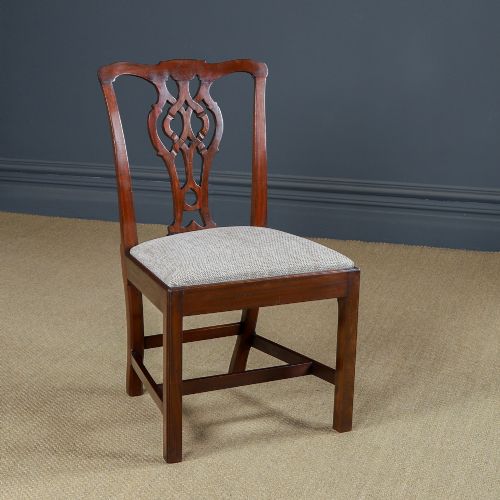
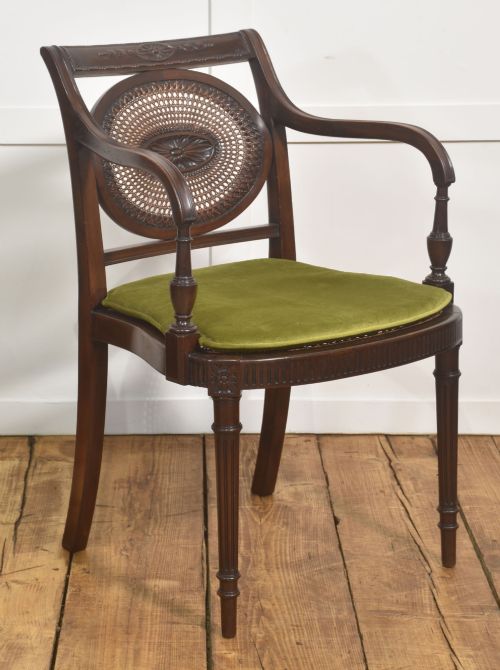
An antique style office chair brings traditional craftsmanship to a workspace through forms designed for sitting at a desk or library table. The selection relies heavily on mahogany, walnut, and oak frameworks shaped into classic revival styles.
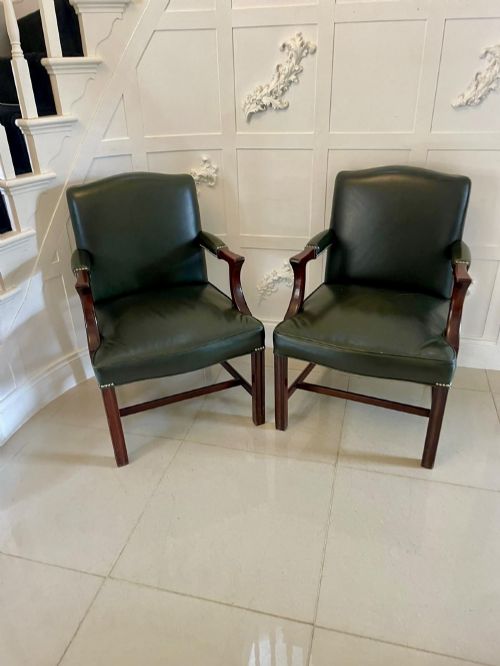
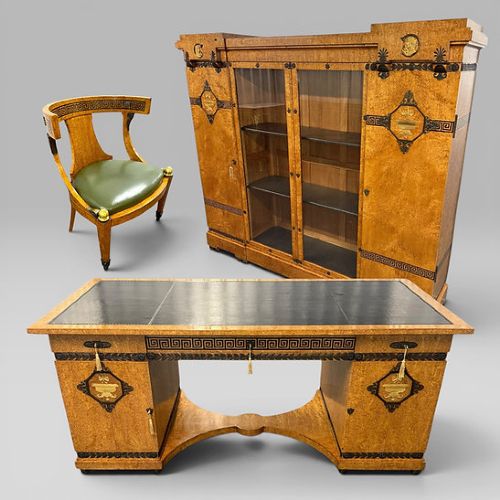
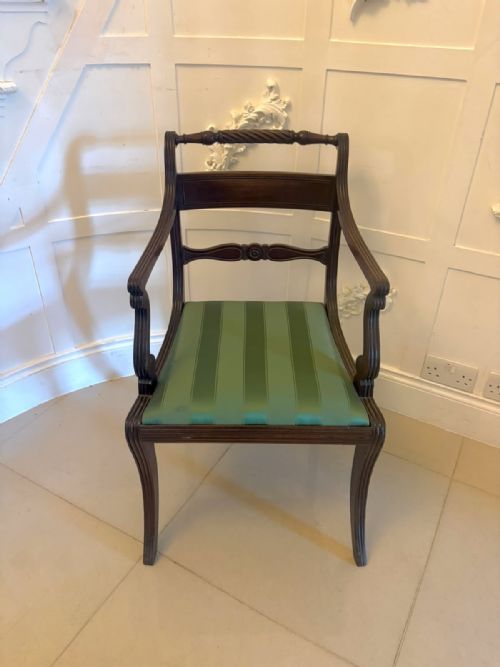
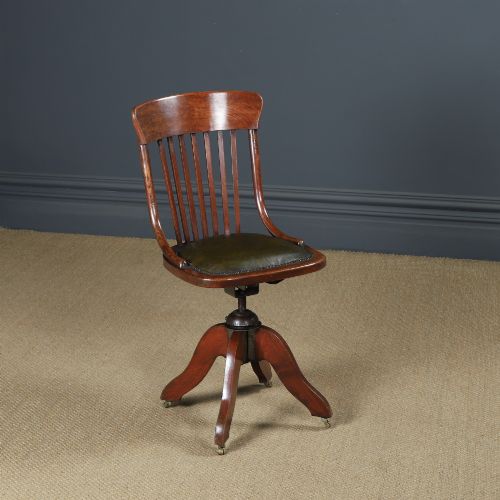
Most examples date from the nineteenth and early twentieth centuries, drawing direct inspiration from Georgian, Regency, and Edwardian aesthetic traditions. Buyers encounter everything from fixed mahogany armchairs to revolving swivel designs upholstered in leather.
Makers adapted older domestic chair patterns to meet the demands of professional rooms, resulting in sturdy desk chairs, library armchairs, and occasional seating. These pieces bridge the gap between historical cabinet-making and functional office requirements.
How they were made
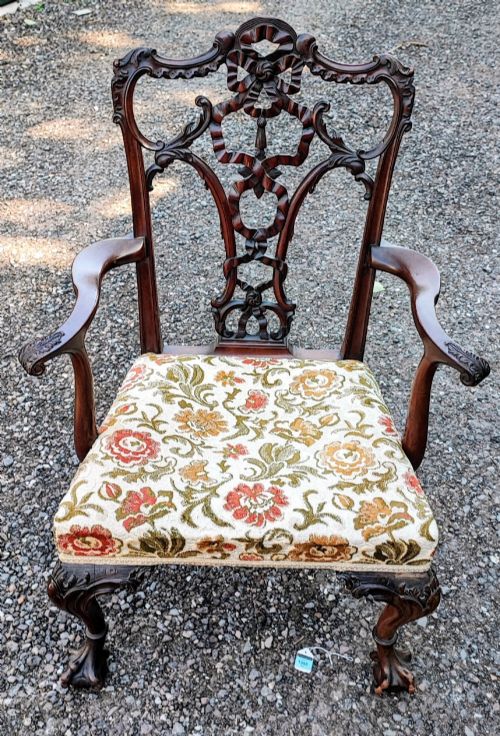
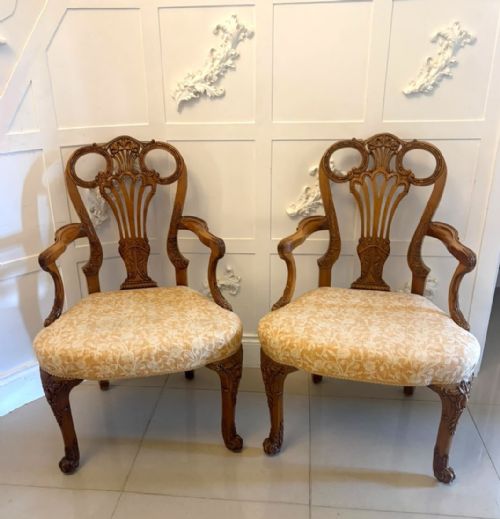
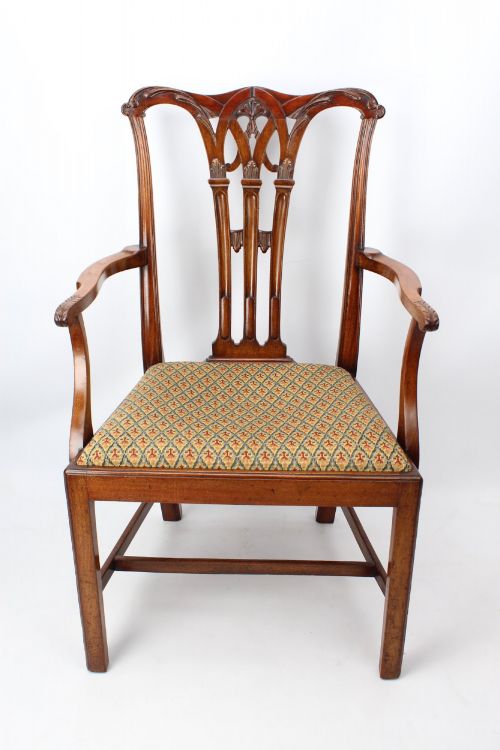
Carpenters shaped sturdy frames from dense hardwoods like mahogany, walnut, and oak, often incorporating carved details such as claw-and-ball feet or interlaced splats. Timber selection dictated the structural integrity and longevity of each chair.
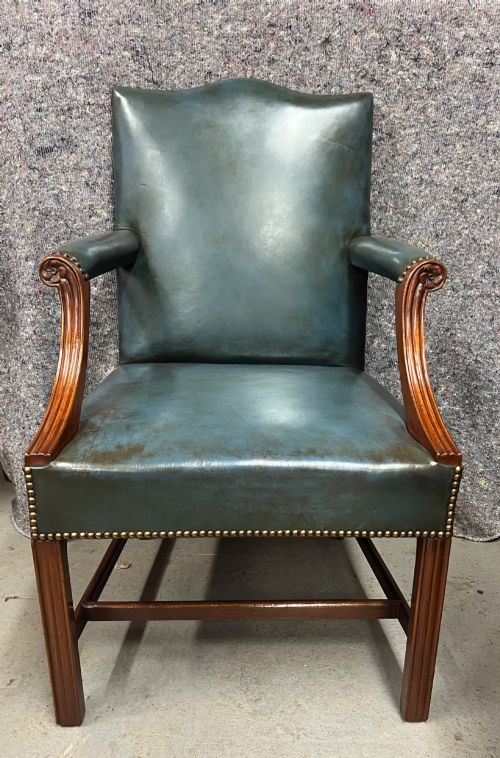
Upholstery involved stretching supportive webbing across wooden frames and securing leather, fabric, or velvet coverings with brass tacks. Swivel and revolving models integrated iron and brass mechanisms to allow movement.
Some nineteenth-century clerks enjoyed spinning so much that early swivel mechanisms required sturdy brass castors to keep them grounded.
What varies in quality
The degree of hand-carving and the depth of relief work separate standard production from superior pieces. Workshops utilising seasoned timber and precise joinery produced frames that remain rigid over generations of use.
The choice of covering materials, from plain fabric to hand-tooled leather, alters the character and tactile appeal of the seat. Original hardware, such as cast brass castors and turning mechanisms, elevates the authenticity of the piece.
Mercier Frères·Bruce James Talbert·Edward William Godwin
The Antique Style Office Chair Glossary
- Chippendale Style
- A design vocabulary derived from the eighteenth-century cabinet-maker, recognised by carved ribbon-backs and cabriole legs.
- Gainsborough
- A wide-seated, open-armed armchair traditionally upholstered in leather and designed for domestic study use.
- Cane
- Plant material woven into open patterns to form lightweight backrests and seats on nineteenth-century library chairs.
- Ormolu
- Gilt-bronze mounts applied to furniture frameworks, frequently found on French Empire revival seating.
- Carver
- An armchair intended for the head of a table or desk, featuring extended elbow rests.
Antique Style Office Chair: Frequently Asked Questions
Are these chairs comfortable for daily work?
Most models provide firm support suited for writing at a desk, though they lack the ergonomic adjustments of modern seating. Their proportions reflect historical standards of posture.
Adding a loose cushion can increase comfort for extended tasks without altering the appearance of the timber frame.
Which timber is most common?
Mahogany dominates the selection, appearing in deep reddish tones across various revival periods from the nineteenth century onwards. Walnut and oak also feature prominently, particularly in earlier arts and crafts or Gothic styles.
Each wood reacts differently to polishing and carving, dictating the visual weight of the chair.
How do I care for leather upholstery?
Leather surfaces benefit from occasional treatment with appropriate conditioning balms to prevent drying and cracking over time. Regular dusting keeps abrasive particles away from the grain.
Avoiding direct sunlight helps preserve the natural colour of dyed oxblood and green hides.