
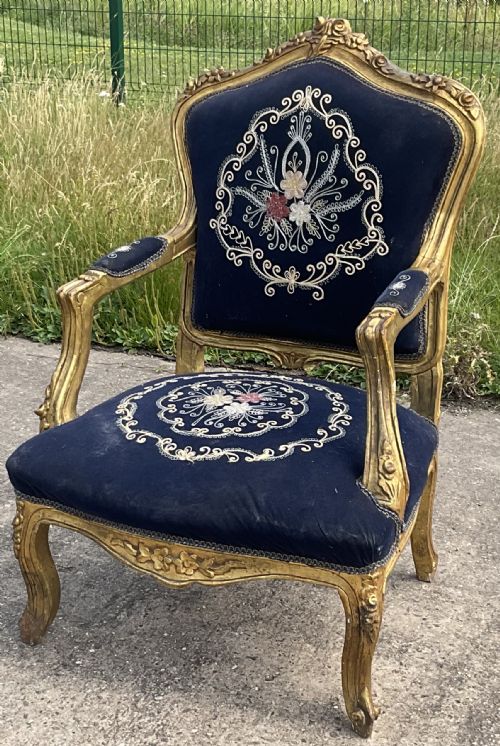
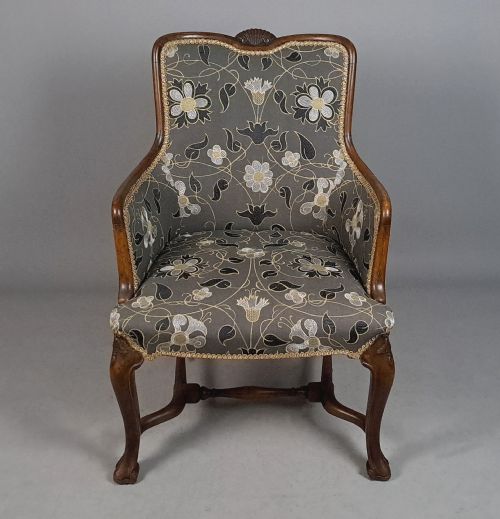


Cabriole Leg Arm Chair
When you search for a cabriole leg arm chair, you enter a tradition of seating shaped by curved supports and enduring wooden frames.
Cabriole Leg Arm Chair
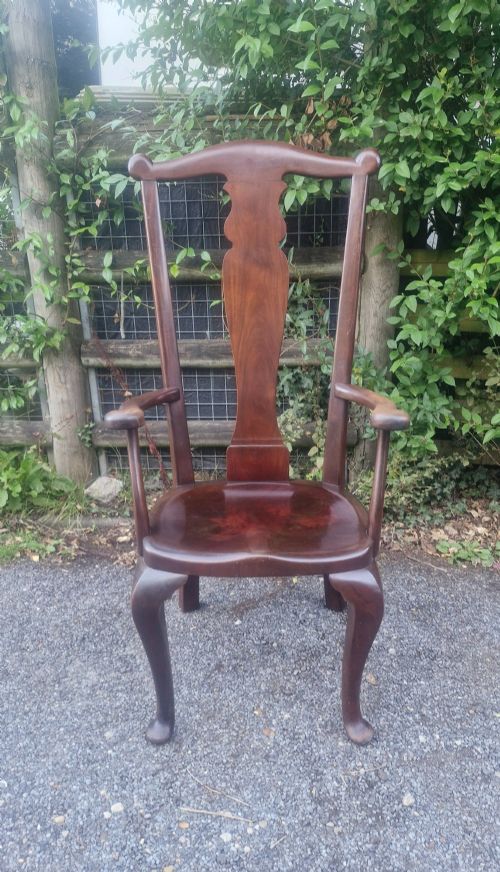
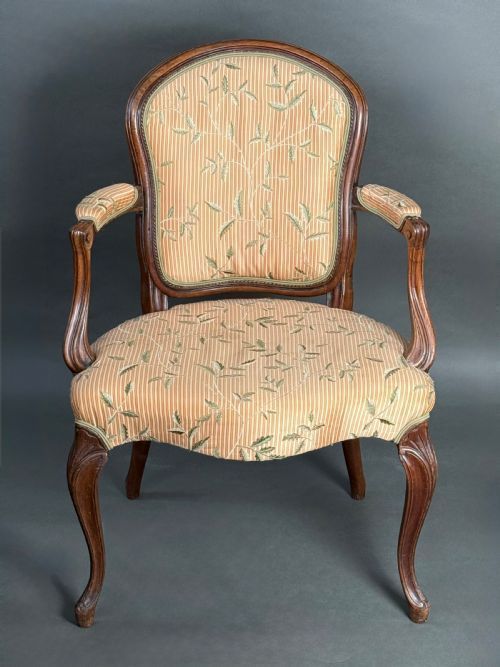
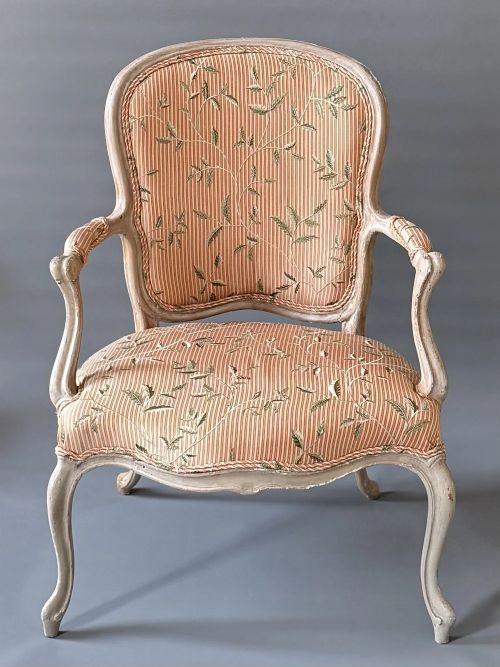
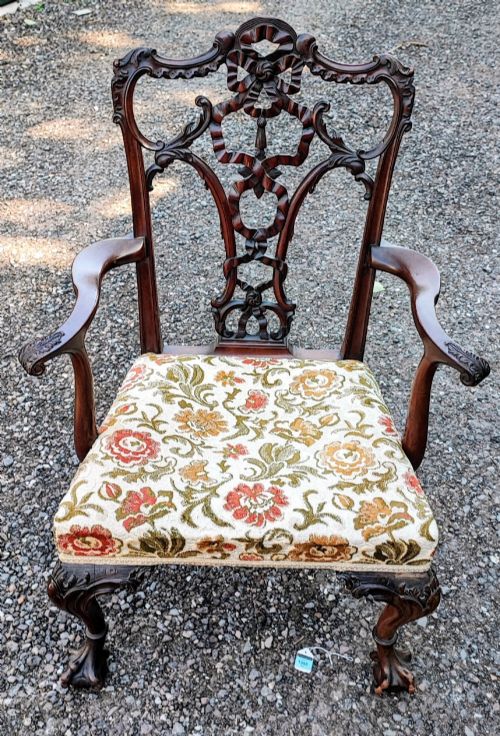
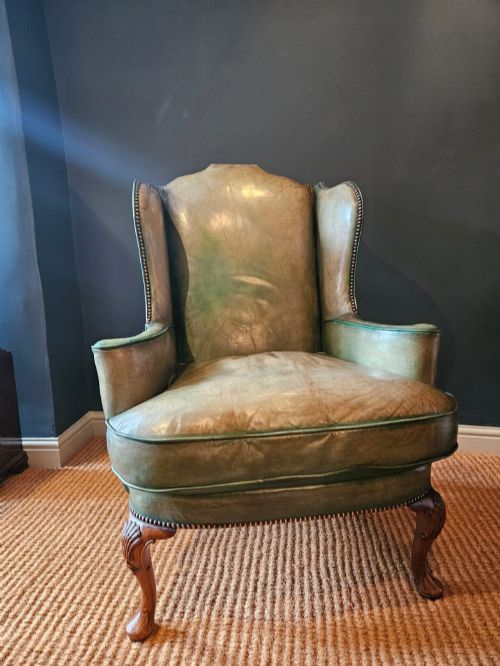
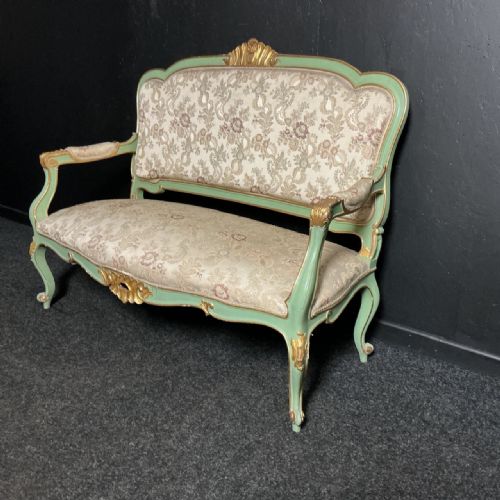
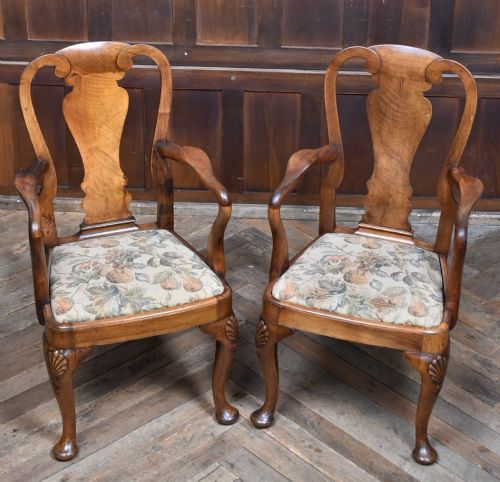
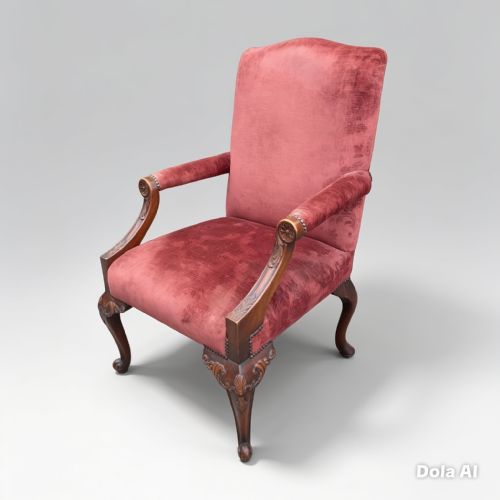
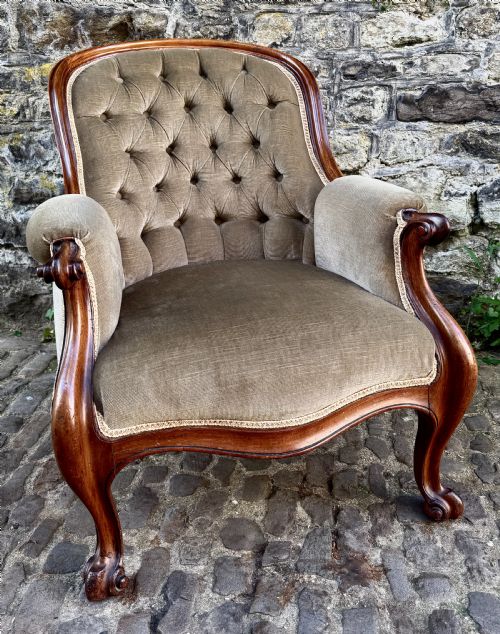
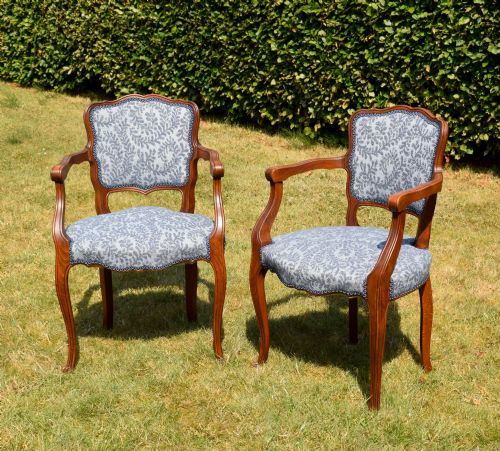
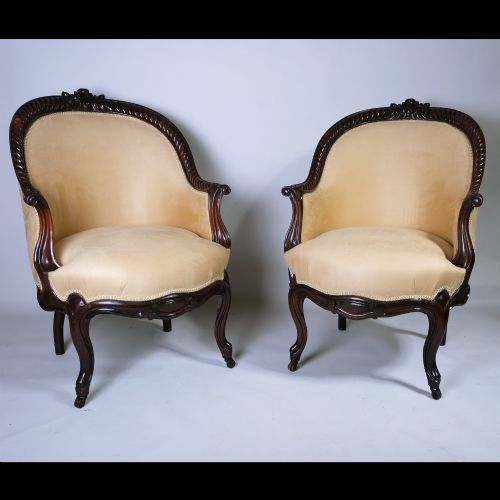
A cabriole leg arm chair brings together supportive seating and distinctively curved wooden supports that taper gracefully to the foot. The selections span centuries of design, reflecting the tastes of the Georgian era, the Victorian period, and Edwardian revivals.
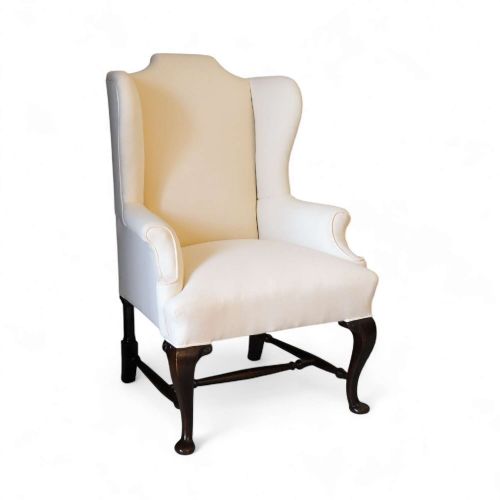
Buyers encounter various forms ranging from library desk chairs to tall wingbacks upholstered in leather, velvet, or silk. Pieces often show influences of Queen Anne, Chippendale, and Louis XV styles, bridging formal parlour seating and functional study furniture.
Distinctions in craftsmanship
The degree of hand carving on the knee and the fluidity of the leg curve distinguish finer iterations from simpler production pieces. Timber selection also dictates merit, with well-figured walnut and solid mahogany achieving greater depth of tone and structural integrity over time.
Proportion and stance define the visual success of the frame, ensuring the arm supports and backrest harmonize with the sweeping legs. Original joinery intact beneath the upholstery adds significant weight to a piece's historical integrity.
Some chairs retain secret notes tucked deep beneath their horsehair stuffing by generations of anonymous upholsterers.
John Reid And Sons·Colefax And Fowler
The Cabriole Leg Arm Chair Glossary
- Cabriole leg
- A furniture support inspired by the shape of an animal's curving leg, featuring a convex knee that tapers down to a concave ankle.
- Fauteuil
- An open-framed armchair with upholstered armrests, originating in France during the seventeenth century.
- Wingback
- An armchair featuring protective side panels attached to the backrest designed to shield the occupant from drafts.
- Showwood
- Exposed polished timber framing visible around the upholstered sections of an armchair.
- Carver
- An armchair traditionally placed at the head of a dining table or utilised as a desk chair.
Cabriole Leg Arm Chair: Frequently Asked Questions
How do I identify a true period cabriole leg arm chair?
Examine the continuity of the grain through the knee and the method of joint construction visible beneath the seat frame. Hand-cut joinery and timber shrinkage patterns often indicate older origin.
Compare the silhouette against known Georgian or Victorian proportions to verify whether the piece belongs to the original era or a later revival.
Were these armchairs used in offices or parlours?
Examples appear across domestic settings, serving as library desk chairs, fireside seating, and drawing room armchairs. Leather-bound versions suit studies, while silk and velvet upholstery denote reception spaces.
Their placement depended entirely on the room's function and the social habits of the household during periods like the eighteenth and nineteenth centuries.
How should I care for leather and wood on antique seating?
Apply specialised beeswax to walnut and mahogany frames periodically to nourish the timber and maintain a soft sheen. Avoid placing furniture in direct sunlight to prevent the wood from drying out.
Treat leather upholstery with neutral conditioning balms designed for historic hides, keeping the surface supple without altering its natural patina.
Can I reupholster a cabriole leg arm chair without losing value?
Reupholstering is a standard maintenance practice for antique seating, provided the underlying frame and webbing remain undisturbed. Many pieces have undergone multiple rounds of fabric replacement across their lifespan.
Selecting period-appropriate textiles such as damask, leather, or calico helps preserve the historical character of the armchair.