


Georgian Study Furniture
Georgian study furniture comprises practical writing tables, kneehole desks, and armchairs designed for private rooms, combining solid timbers with considered storage.
Georgian Study Furniture
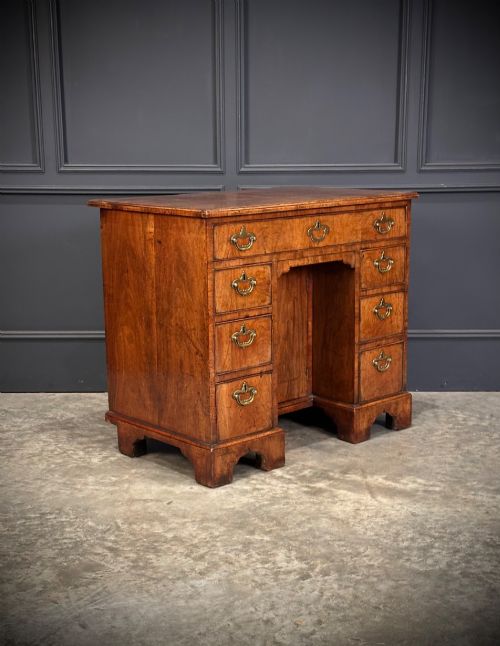
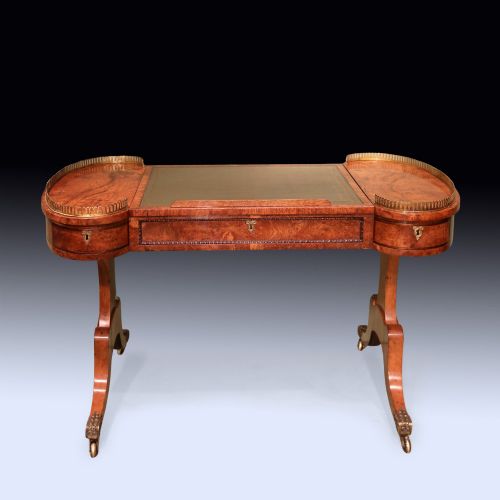
Georgian study furniture covers the desks, writing tables, bureaux, and library armchairs designed for private rooms and working spaces. These pieces range from modest kneehole desks to substantial partner desks and refined Carlton House writing tables.
Mahogany and walnut dominate the offerings on this page, alongside rosewood, satinwood, and yew wood. Makers utilised brass hardware and leather inserts to finish surfaces meant for daily use.
The selection includes pieces from the eighteenth and nineteenth centuries, alongside later revivals that echo George II, George III, and Regency styles. Buyers encounter both compact bureau formats and twin pedestal desks designed for central room placement.
How they were made
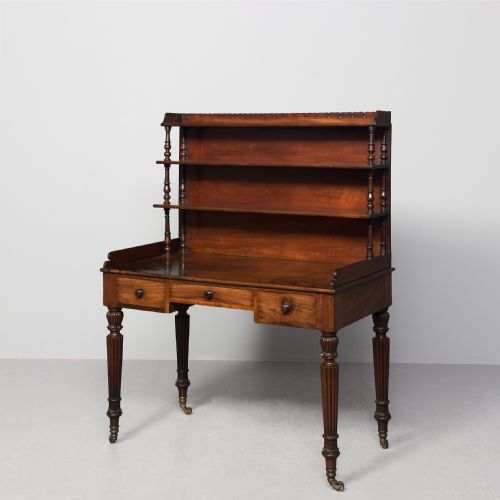
Cabinet makers built these desks and tables using dense hardwoods like mahogany, walnut, and oak, frequently applying finely figured veneers such as burr walnut, curl mahogany, and satinwood to primary surfaces. Secondary timbers like pine and sycamore appear in internal drawer construction.
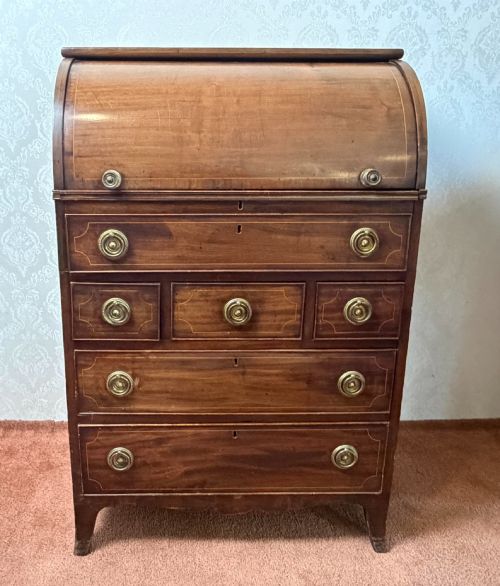
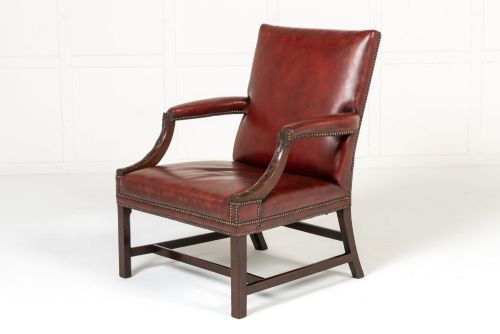
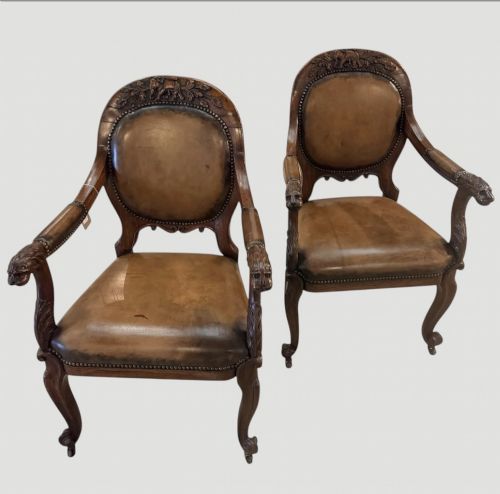
Surface details involve precise inlay work, brass paw feet, and fitted tambour shutters that conceal small drawers and pigeonholes. Writing surfaces are frequently lined with tooled leather, whilst seating incorporates caning and leather upholstery.
Secret compartments hidden behind sliding pigeonholes offered eighteenth-century writers a private space to store their most confidential correspondence.
What varies in quality
Quality rests in the selection of timber veneers and the crispness of secondary details such as brass hardware and inlaid stringing. Superior examples maintain balanced proportions and tidy internal drawer construction without crude timber replacements.
The integrity of secondary woods and the retention of original finish dictate the standing of a desk or chair. Pieces that preserve their unblemished leather inserts and original structural framing command greater regard.
James Mein of Kelso·Gillows of Lancaster
The Georgian Study Furniture Glossary
- Bureau
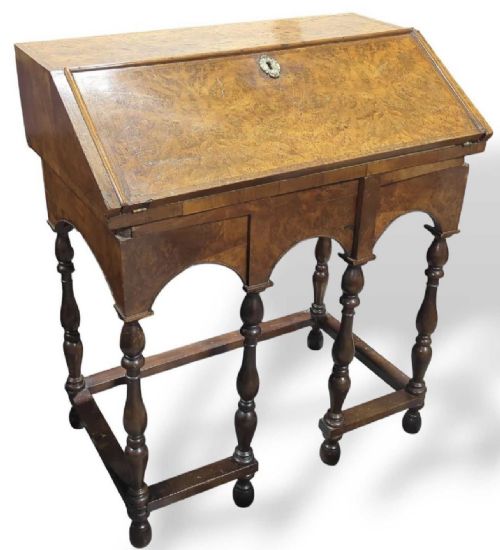
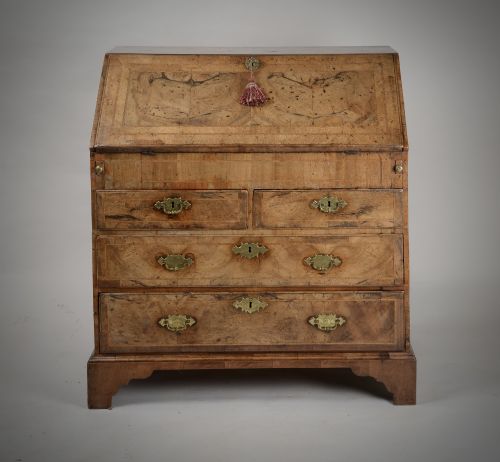
- A sloping writing flap opening to reveal internal compartments and small drawers, often raised on bracket feet or a stand.
- Kneehole desk
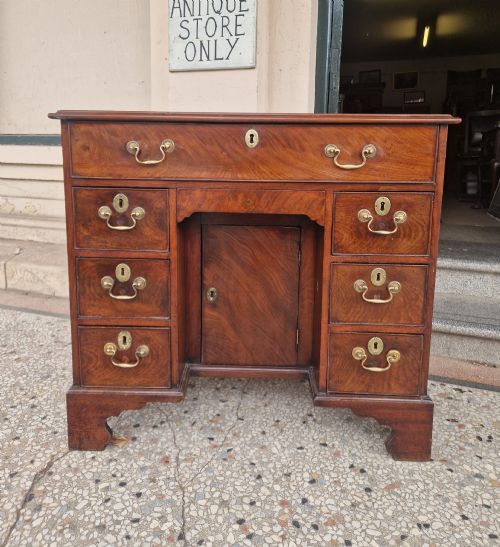
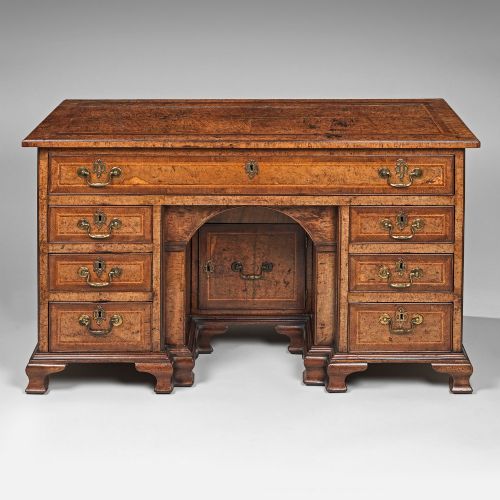
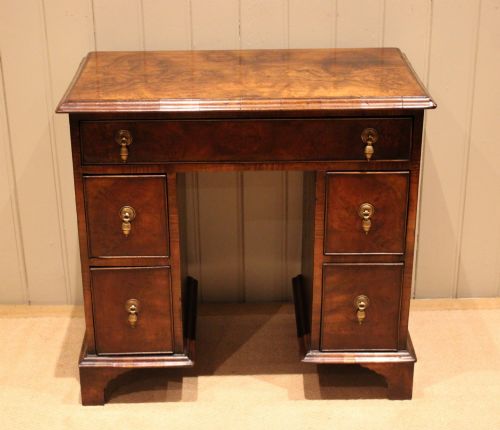
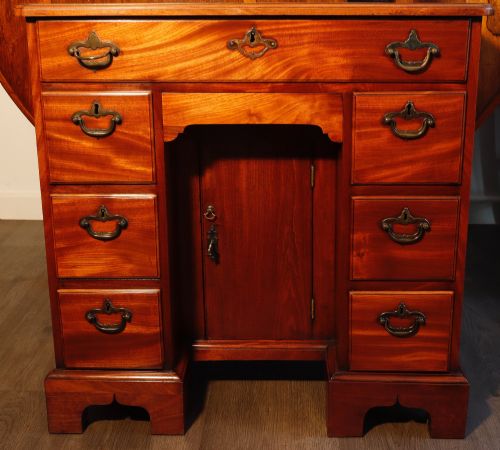
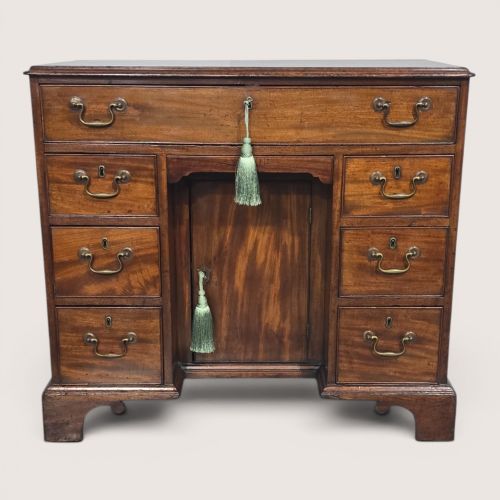
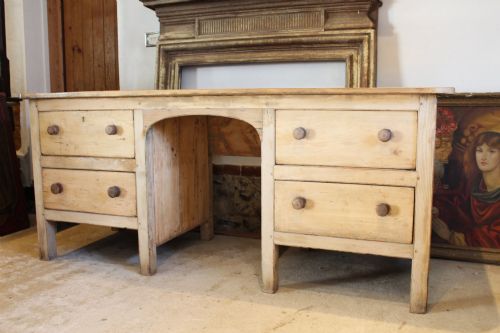
- A compact pedestal desk featuring a central recessed space for the legs, flanked by banks of small drawers.
- Carlton House desk
- A refined writing desk featuring a curved superstructure of small drawers and pigeonholes enclosing the writing surface.
- Partners desk
- A large pedestal desk designed to be used from both sides simultaneously, featuring cupboards or drawers facing each direction.
- Tambour
- A sliding shutter formed of narrow vertical strips of wood glued to a fabric backing, used to enclose desk compartments.
Georgian Study Furniture: Frequently Asked Questions
What is a kneehole desk?
A kneehole desk is a compact pedestal form featuring a central recess for the user, flanked by stacked drawers on either side.
These pieces were made in walnut and mahogany during the eighteenth and nineteenth centuries for private studies and dressing rooms.
Are these desks suitable for daily use?
These pieces were built for practical writing and administrative work using sturdy hardwoods, making them well suited for contemporary studies.
Care should be taken with antique leather surfaces and polished timber finishes when placing modern equipment.
How do I tell an original Georgian desk from a revival?
Distinguishing original pieces requires examining timber shrinkage, secondary woods inside drawers, and the method of construction used in the frame.
Revival pieces from later eras often employ different internal framing methods and standardised hardware compared to eighteenth-century work.