


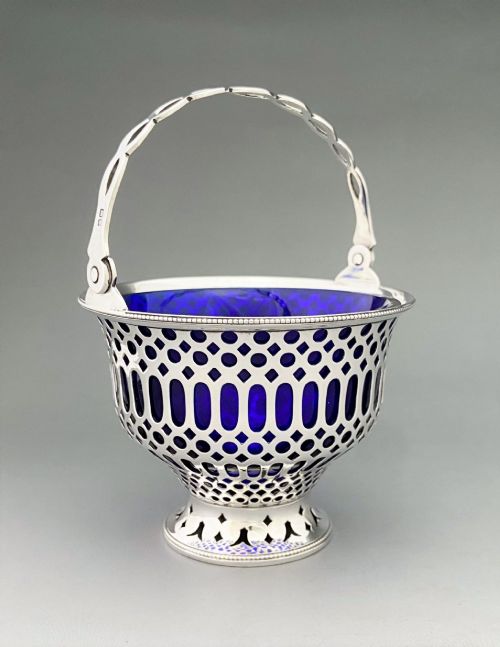

Georgian Sterling Silver Vessel
These pieces of a georgian sterling silver vessel carry the weight of centuries, combining domestic utility with the unmistakable brilliance of period metalwork.
Georgian Sterling Silver Vessel
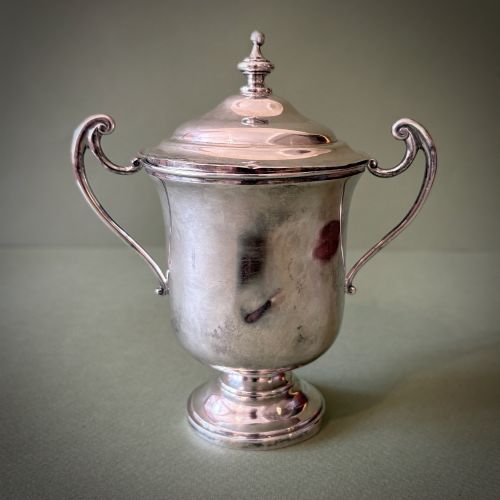
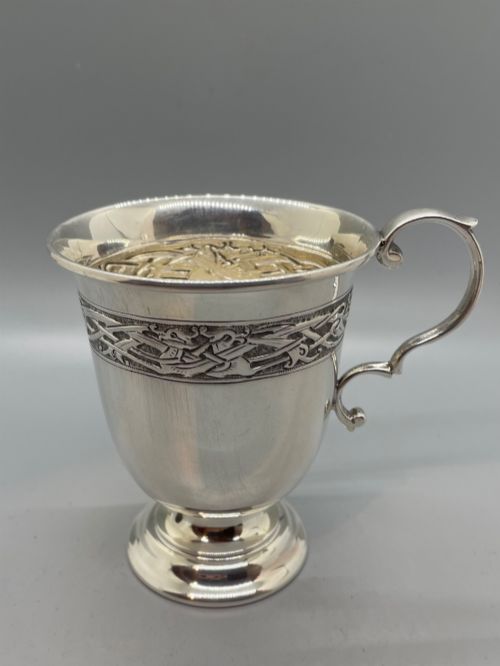
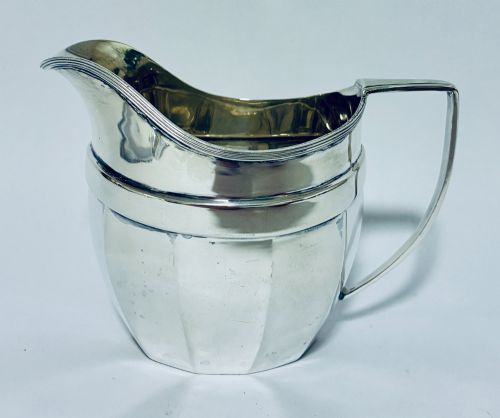
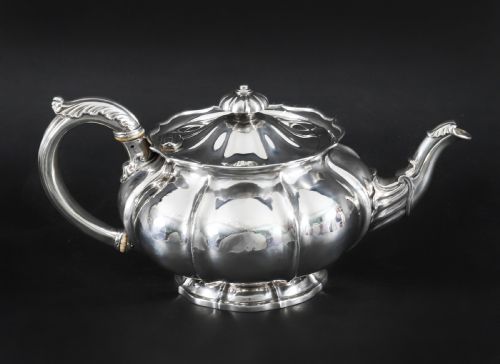
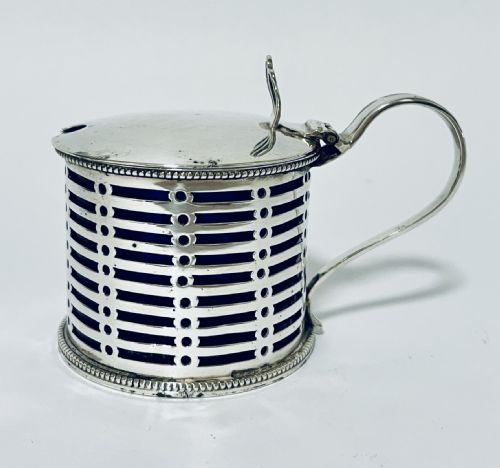
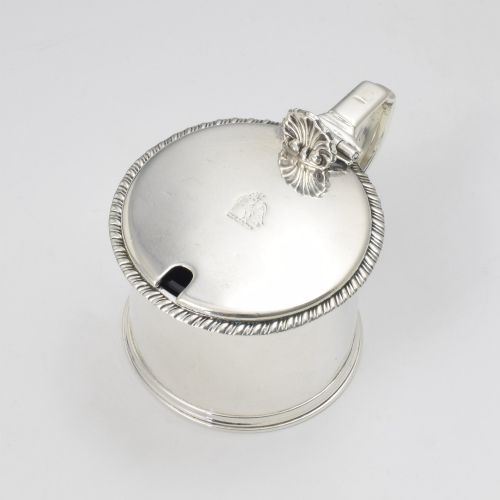
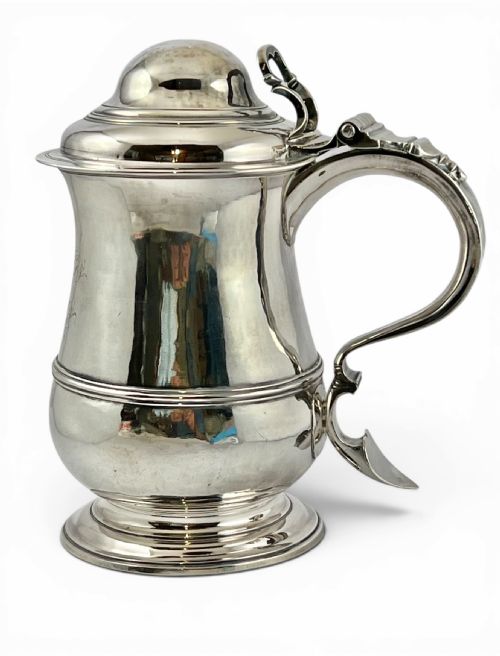
A georgian sterling silver vessel encompasses a varied group of hollowware designed for the table and household use, spanning tankards, teapots, mustard pots, and sauce boats. The forms range from plain domestic utensils to ornate lidded tankards and pierced baskets made for formal dining.
While the pieces bear the stylistic markers of the Georgian period, the selection also includes later revivals from the Edwardian and Victorian eras. Buyers encounter provincial English pieces alongside London hallmarks and Scottish silver, reflecting the wide geography of British silversmithing.
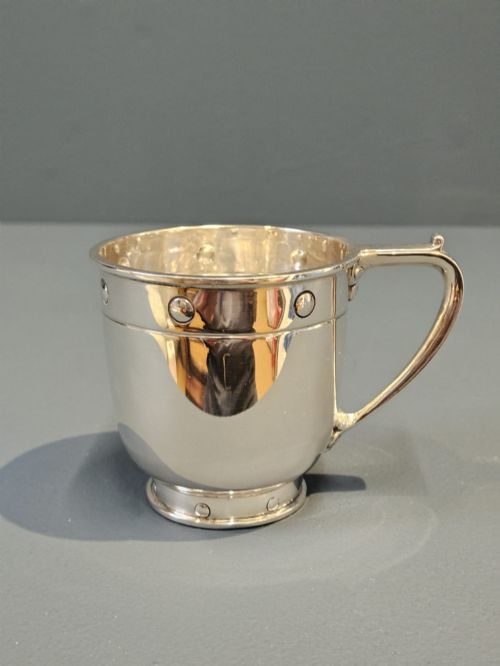
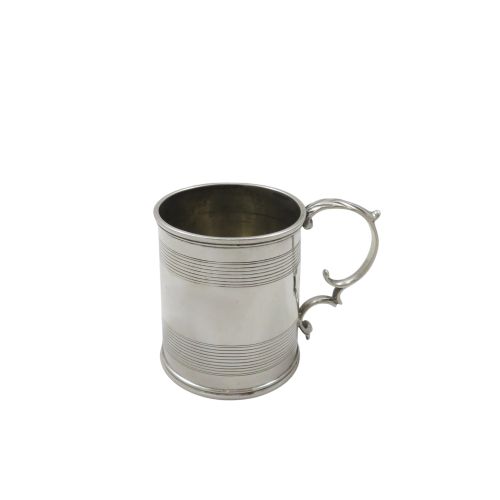
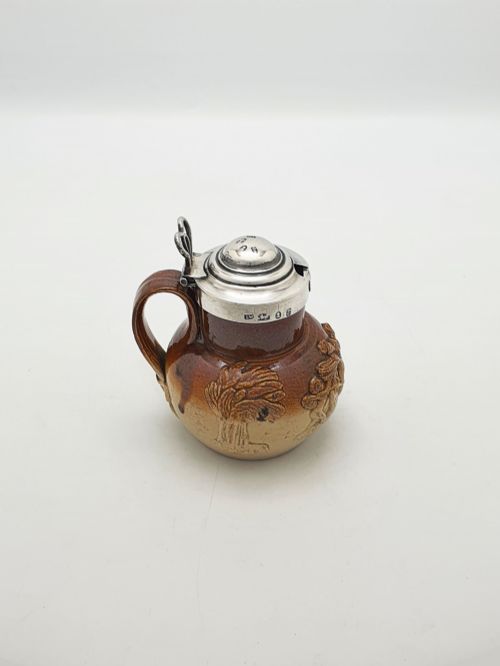
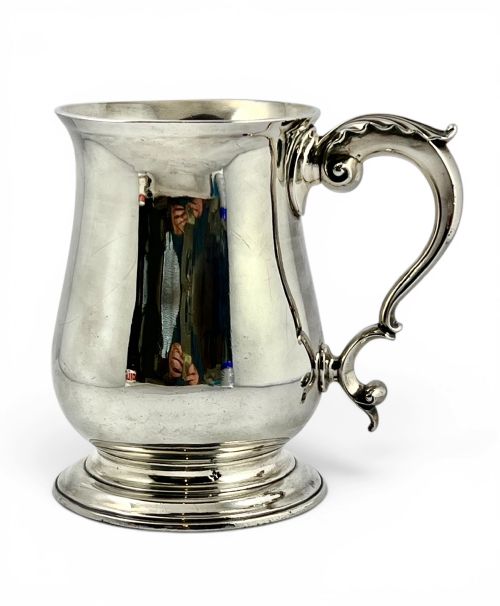
Teapots and condiment pots dominate the domestic forms, often accompanied by christening mugs and heavy drinking vessels. Stoneware jugs fitted with sterling silver collars and hinged lids also appear, showing how silver was combined with other materials.
How they were made
Silversmiths worked sterling silver using hammering, raising, and casting techniques to form bodies, handles, and feet. Components like spouts, finials, and cast borders were soldered to the main body, while piercing and embossing created decorative surface patterns.
Makers integrated supporting materials into specific vessels, mounting stoneware jugs with silver collars and incorporating wood, glass, bone, and ebonised wood for insulation on teapot handles and lids.
Listings feature vessels spanning the Georgian, Victorian, and Edwardian periods, utilising sterling silver alongside glass, bone, and stoneware.
What varies in quality
The distinction between standard domestic items and top-tier examples lies in the heaviness of the metal gauge and the crispness of the chasing, piercing, or embossing. Master silversmiths achieved balanced proportions and clean soldered joints that remain solid under examination.
Makers' marks and assay office stamps play a part in desirability, with clear stamps from prominent workshops confirming the origin and standard of the silver. The presence of original matching stands or complete service components elevates the standing of the piece.
Barker Bros·Alfred Marston·Paul Storr·Charles Fox II·John Payne·William Grundy·Robert Hennell I·Matthew Boulton·Fenton·Roberts & Belk·Joseph Craddock·Charles Stuart Harris·Richard Gurney
The Georgian Sterling Silver Vessel Glossary
- Sterling silver
- An alloy containing a high proportion of pure silver combined with other metals to ensure durability in household objects. It is the primary material for these vessels and carries official hallmarks.
- Hallmark
- A set of stamped symbols indicating the maker, assay office, standard of silver, and date of manufacture. These marks provide the historical record for each vessel.
- Repoussé
- A metalworking technique where the silversmith hammers the design from the reverse side to create raised relief ornamentation on the surface. It appears on domestic vessels like sauce boats and mugs.
- Piercing
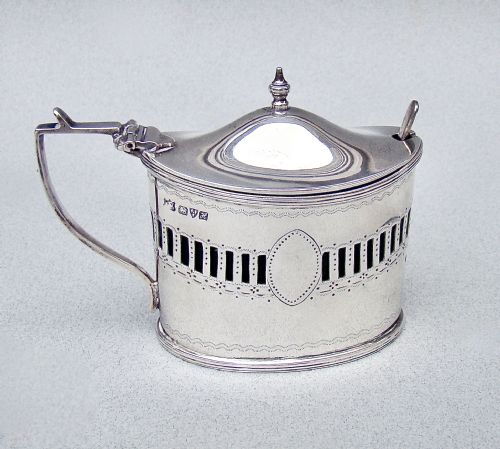
- The method of cutting openings through the silver sheet to form decorative lattices or patterns, commonly seen on swing-handled baskets and mustard pot galleries. It lightens the visual weight of the object.
- Hinged lid
- A movable cover attached to a tankard, jug, or mustard pot by a pin hinge, allowing secure access to the contents. It requires precise alignment by the maker to function correctly.
Georgian Sterling Silver Vessel: Frequently Asked Questions
What were these silver vessels used for?
These vessels served practical dining and domestic functions, from pouring tea and holding mustard to drinking ale and serving sauce at the table.
Heavier tankards and mugs also marked milestones such as christenings, functioning as presentation pieces passed down through families.
How do I care for antique silver?
Keep the silver away from rubber and harsh chemicals, washing it gently in warm soapy water when necessary without abrasive cloths.
Store the vessels in dry conditions, allowing a natural tarnish to develop if desired or polishing lightly with a dedicated silver cloth.
How can I tell the date of a vessel?
Examine the stamped hallmarks on the silver body, which typically include a date letter corresponding to the active year of the assay office.
Stylistic clues such as neoclassical shapes or embossed decoration also help narrow down the period of manufacture.
Are these pieces suitable for daily use?
Solid silver items remain robust enough for regular handling, provided they are treated with care during washing and serving.
Many owners use condiment pots and jugs regularly, while fragile pierced baskets or delicate antique teapots often receive gentler treatment.