

Georgian Sterling Silver Flatware
Georgian sterling silver flatware brings functional elegance to the table through serving spoons, ladles and marrow scoops shaped by centuries of use.
Georgian Sterling Silver Flatware
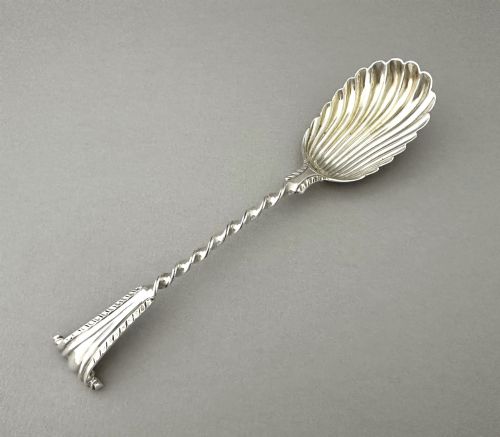
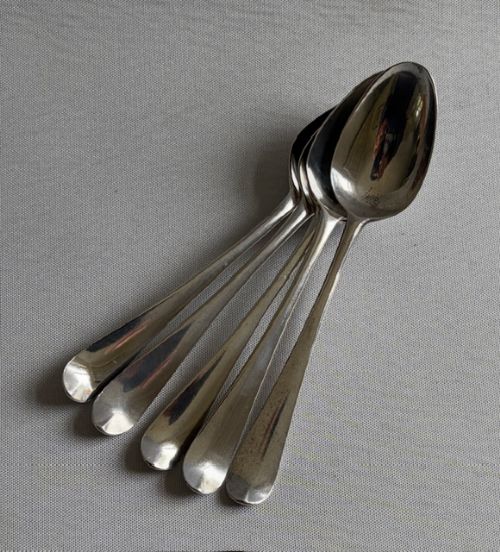
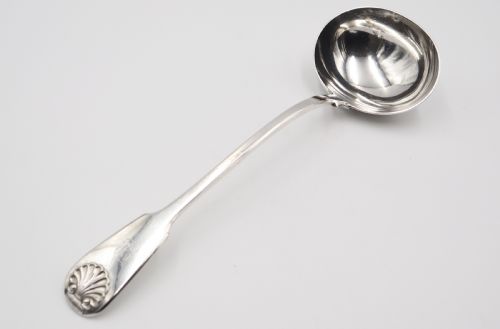
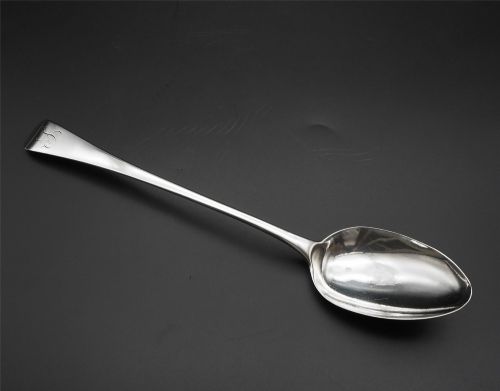
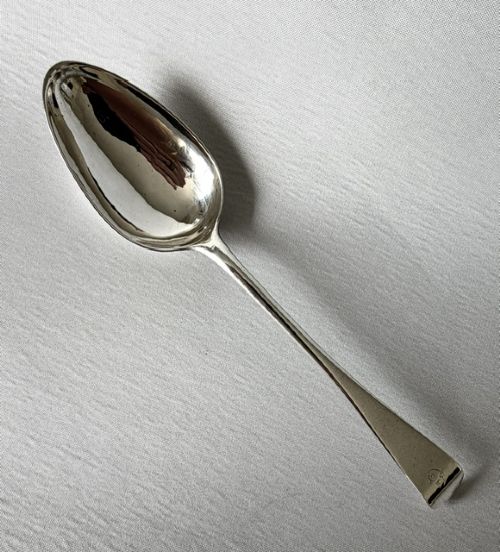
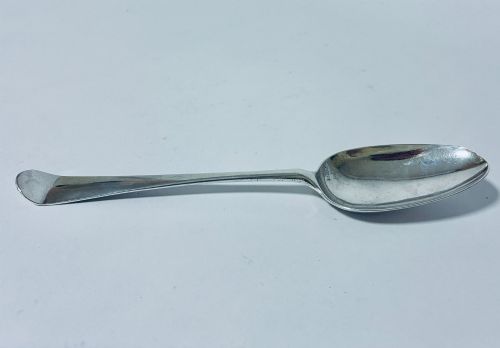
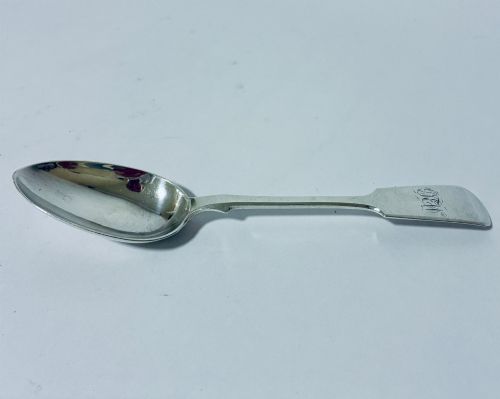
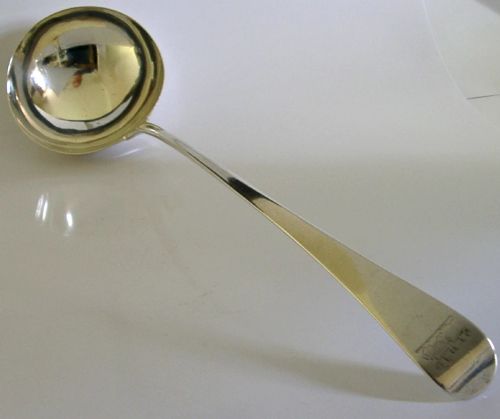
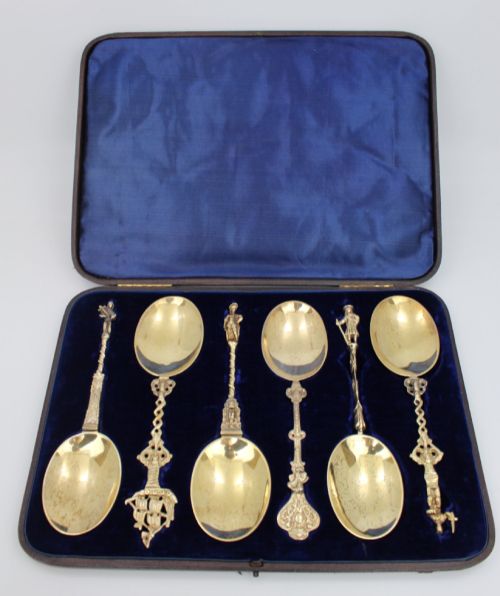
When you search for georgian sterling silver flatware, you encounter functional dining implements forged primarily during the eighteenth and nineteenth centuries. These items range from large basting spoons and soup ladles to delicate caddy spoons, marrow scoops and sugar tongs.
The selection here encompasses regional English, Irish and Scottish provincial origins alongside metropolitan London work. Styles span the reigns of George I, George II, George III and George IV, with occasional Victorian interpretations and later revivals.
Makers utilise durable metal alloys to create practical utensils that retain their structural integrity across generations. The forms reflect the shifting dining habits of households from the seventeen-hundreds onward.
How they were made
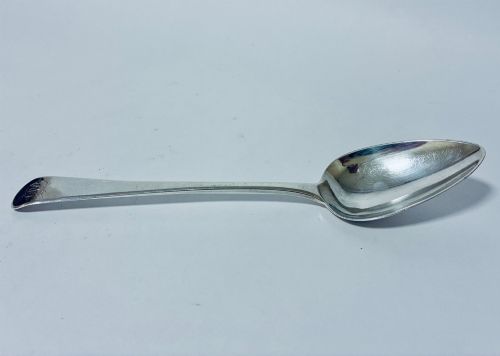
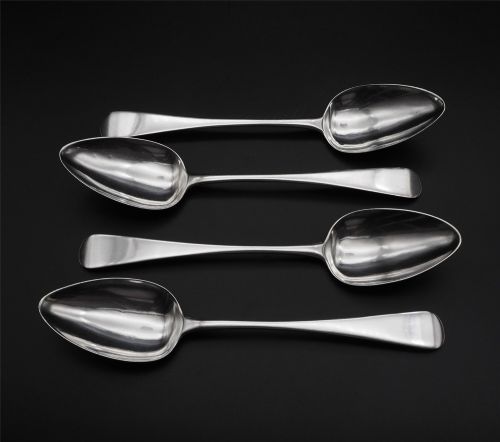
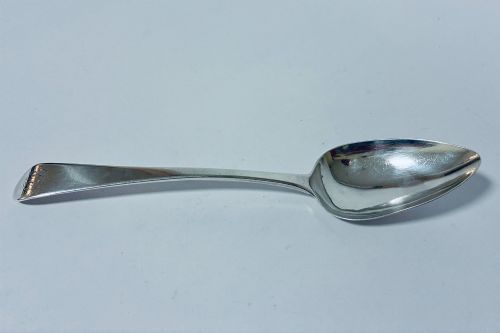
Silversmiths employed sterling silver, frequently paired with silver-gilt highlights or steel components for cutting edges on fish servers and forks. Melting, hammering and casting formed the core of the production process, shaping handles in patterns such as Old English or Celtic point.
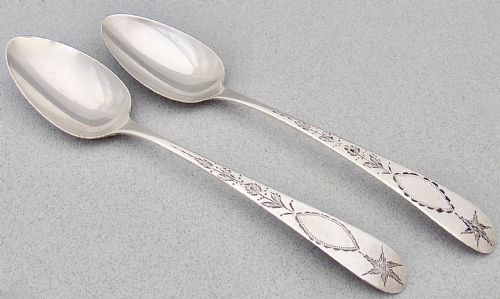
Engraving, bright-cut decoration and pierced work enhanced the surfaces of spoons and ladles. Silversmiths stamped their creations with hallmarks indicating the city of assay, the date letter and the maker's mark.
Georgian Sterling Silver Flatware Retail Price Guide 2026
Typical asking prices for georgian sterling silver flatware among the pieces listed under this phrase on Sellingantiques today, from the lower quarter to the upper quarter. They describe what is for sale here now, not the wider market.
A tiny silver vine leaf curls up to form a tea caddy spoon, proving Georgians took their leaves very seriously indeed.
What varies in quality
The standard of georgian sterling silver flatware depends largely on the crispness of the original chasing, engraving and crests applied to the handles. Pieces that retain strong, legible hallmarks and minimal bowl thinning command greater interest from collectors.
The reputation of the silversmith workshop influences the standing of individual items, particularly pieces originating from known makers such as the Bateman family or provincial specialists. Weight and balance in the hand further distinguish finer dining implements from standard output.
Peter & Jonathan Bateman·Hester Bateman·Joseph Willmore·Andrew Archer·John Pittar·John Walton·Hamilton & Inches·Edward Power·Jonathan Hayne·Peter & Anne Bateman·E Coker·William Chawner II
The Georgian Sterling Silver Flatware Glossary
- Hallmark
- Official stamps applied to silver objects indicating the assay office, standard of purity, date letter and maker's mark. These impressions provide the primary evidence for dating an item.
- Basting spoon
- A large utensil designed for spooning juices over roasting meat in the kitchen or at the table. These items represent some of the heaviest silver pieces in a dining service.
- Caddy spoon
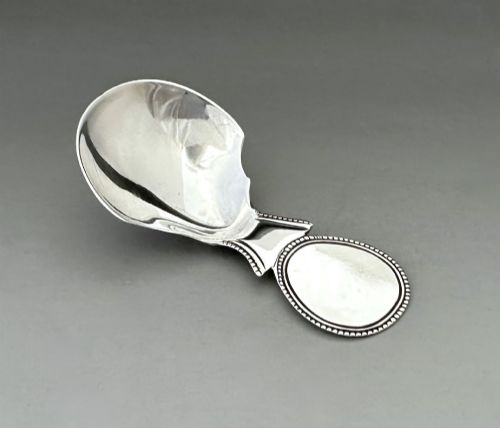
- A short-handled spoon specifically created for measuring dry tea leaves from a canister into a pot. They often feature decorative bowls shaped like leaves or shells.
- Berry spoon
- A serving spoon decorated with fruit motifs, usually chased and embossed onto the bowl long after initial manufacture. These items reflect later dining preferences for serving desserts.
Georgian Sterling Silver Flatware: Frequently Asked Questions
What is georgian sterling silver flatware?
These items comprise dining utensils such as spoons, ladles and forks produced during the eighteenth and early nineteenth centuries. They combine practical utility with precious metal craftsmanship.
Craftsmen shaped these implements for specific dining rituals that accompanied formal meals of the period. Collectors value them for their historical association and surviving hallmarks.
How were marrow scoops used?
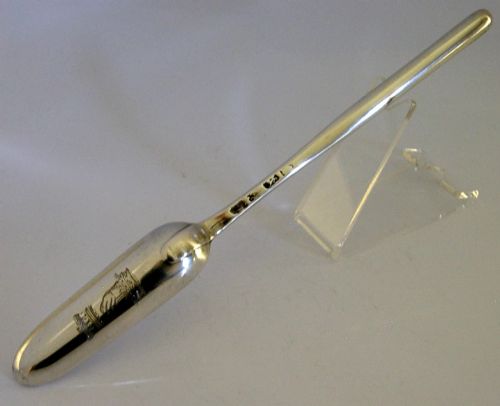
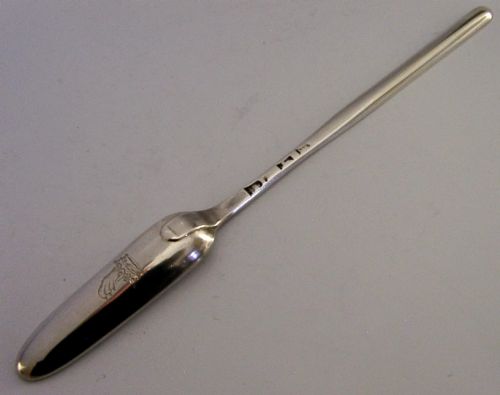
Marrow scoops served at the dining table for extracting marrow from animal bones during formal meat courses. The double-ended design allowed guests to reach into both wide and narrow bone cavities.
These utensils formed part of comprehensive dining services before modern culinary habits shifted. Their slender profiles make them easily identifiable among table silver.
How do I identify a maker's mark?
Maker's marks consist of stamped initials or symbols struck into the silver surface during the assay process. These letters correspond to registered silversmiths working within specific towns and cities.
Reference books and online registers help match these stamps to recorded workshops and families. The mark usually sits alongside the leopard head, lion passant and date letter.
Can I use these items daily?
Many buyers incorporate antique silver utensils into modern dining routines with careful handling and gentle washing. Sterling silver withstands regular use provided abrasive cleaners are avoided.
Hand washing prevents damage to delicate chasing, bright-cut engraving and gilt surfaces. Storing pieces in flannel or velvet rolls protects them from scratches between meals.
What is a berry spoon?
Berry spoons are large serving spoons decorated with embossed fruit and foliage designs across the bowl. Silversmiths frequently added these decorative motifs during the Victorian era to plain eighteenth-century spoons.
The updated decoration transformed standard serving pieces into fashionable tableware suited for serving soft fruits and desserts. They remain distinct due to their heavy repoussé work.