
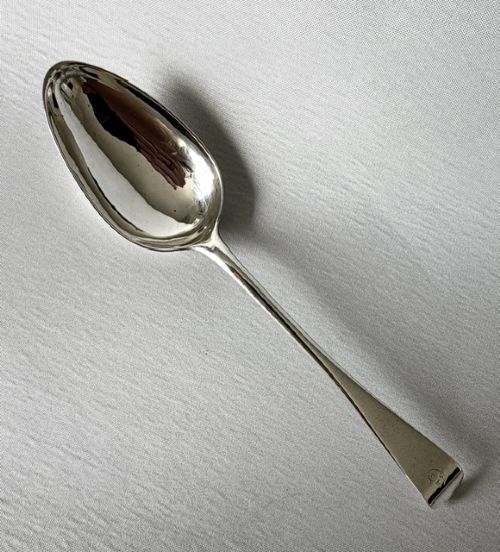
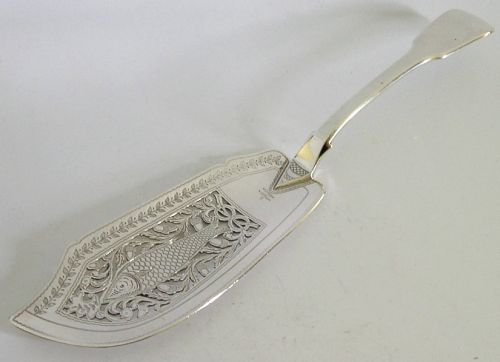
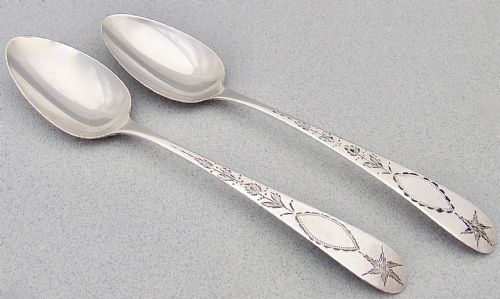
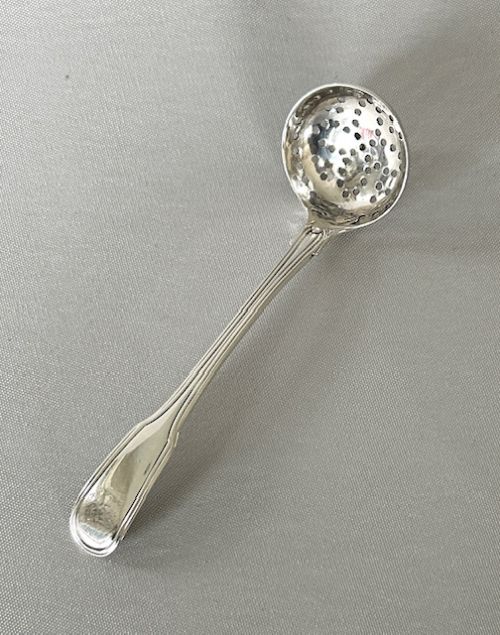
Georgian Sterling Silver Cutlery
Georgian sterling silver cutlery brings timeless dining elegance to the table, offering unmatched historical weight and craftsmanship.
Identifying Georgian sterling silver cutlery
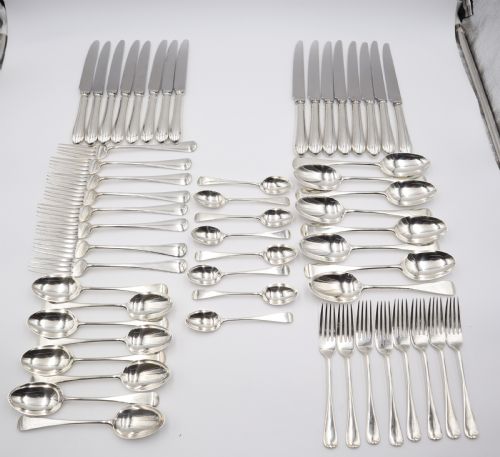
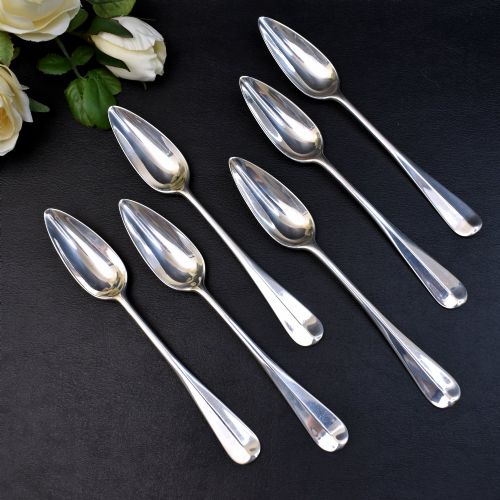
When you search for georgian sterling silver cutlery, you are looking at items designed for the dining table during the eighteenth and early nineteenth centuries. The examples here span periods from the mid-eighteenth century through to the Victorian era.
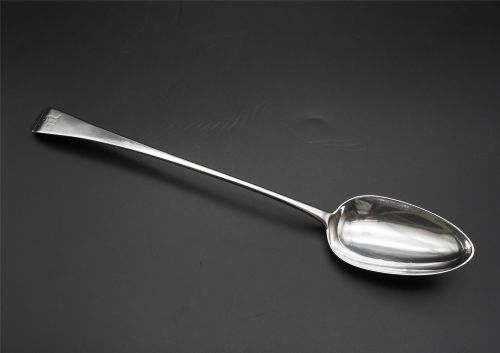
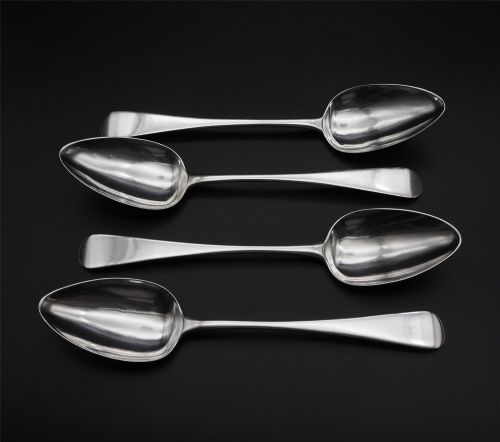
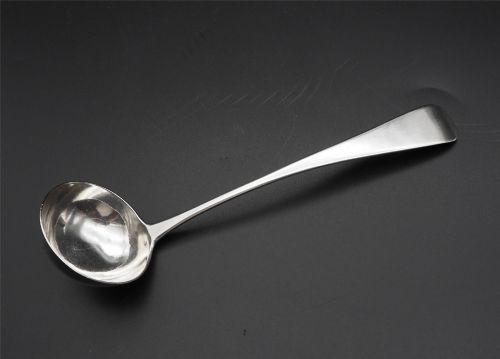
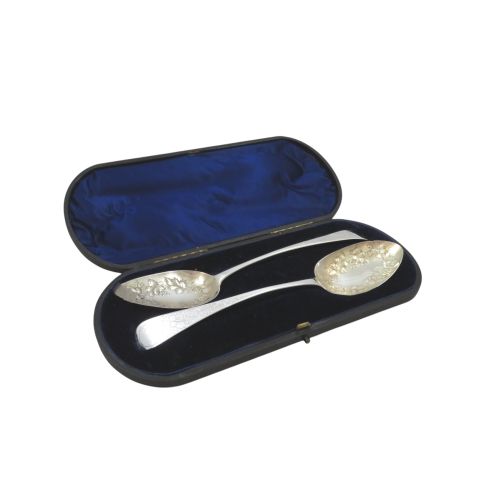
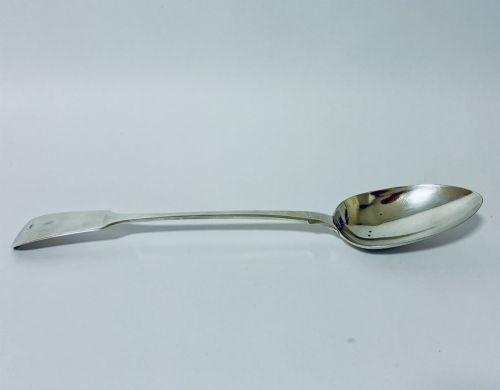
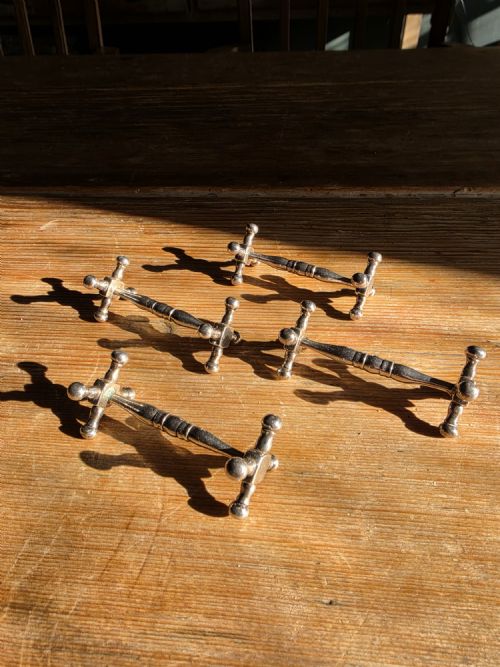
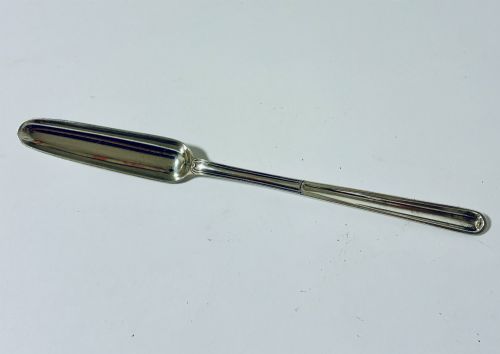
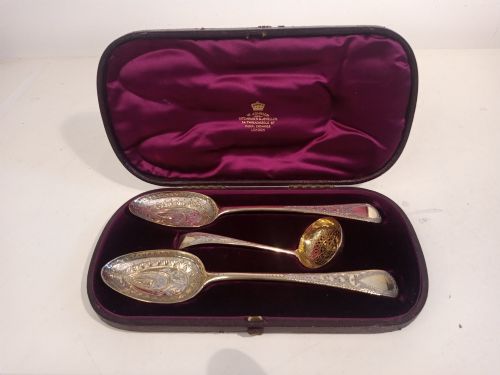
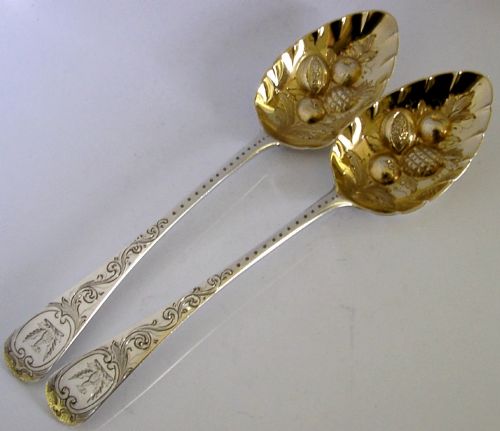
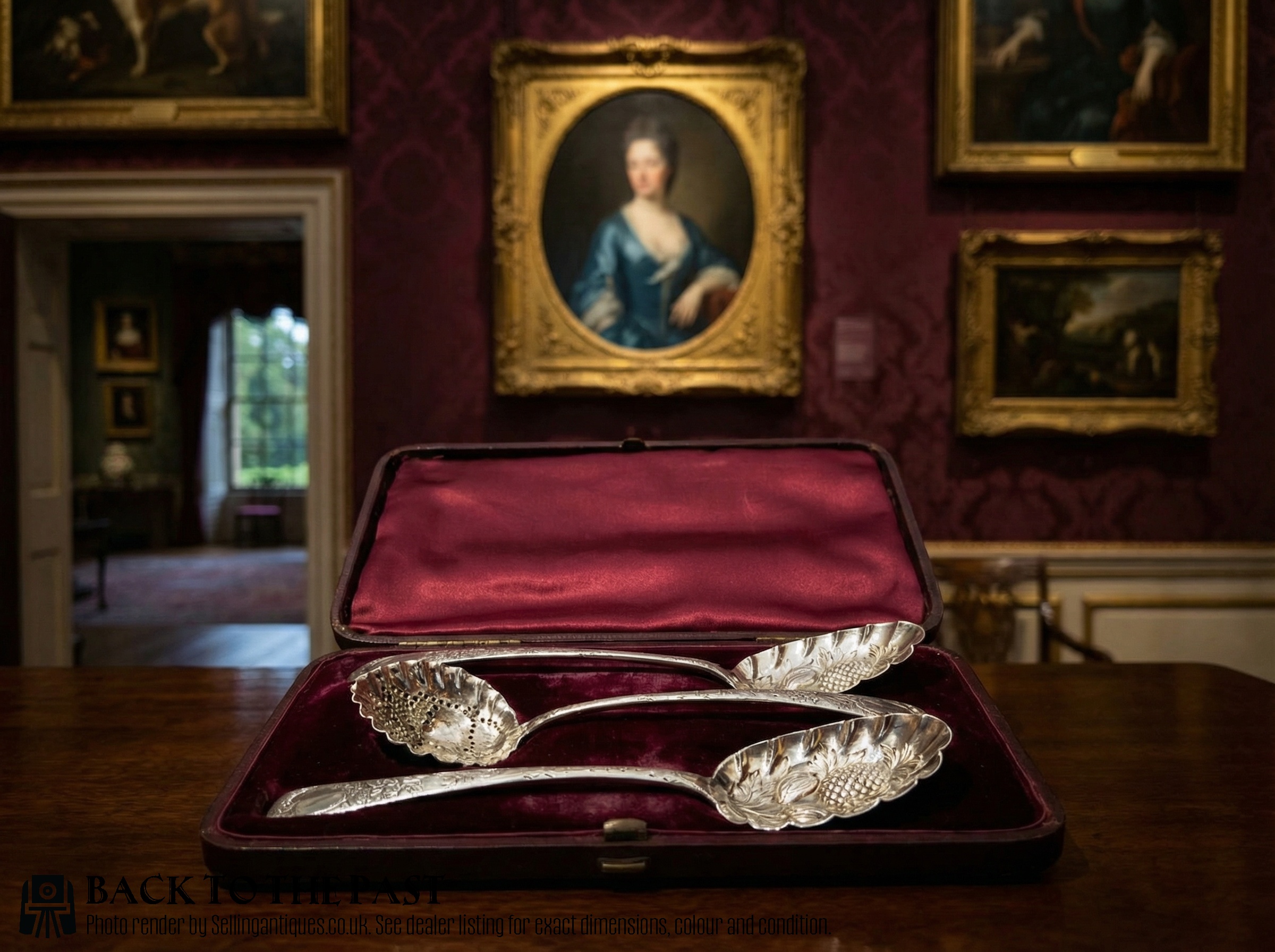
The selection includes matched services, table forks in the Hanoverian pattern, and berry spoons with sifter utensils housed in cases. These pieces reflect the dining customs and silver manufacturing traditions of their respective eras.
Most items you will meet on this page originate from the Georgian period and later Victorian repurposing, combining sterling silver components with complementary materials like steel for functional edges.
Materials and construction
Silversmiths utilised solid sterling silver for the primary structure of spoons and fork handles, shaping the metal through traditional forging and hammering techniques. Steel was incorporated for functional cutting edges on specific implements where rigidity was required.
Presentation cases associated with these sets often combined fabric interiors with leatherette exteriors to protect the silver components from tarnishing and physical damage during storage.
Assessing quality
The distinction between standard items and superior examples lies in the crispness of the pattern definition and the preservation of the original form. Pieces that retain their weight and balance without excessive wear to the tines or bowls represent a higher tier.
Completeness also dictates standing, particularly where cased sets include matching sifter spoons and specialised serving utensils that remain together in their original fitted housing.
The Georgian Sterling Silver Cutlery Glossary
- Sterling silver
- An alloy comprising ninety-two point five percent silver and seven point five percent other metals, typically copper, chosen for durability in tableware.
- Hanoverian pattern
- A distinct cutlery style featuring a upturned terminal and a central ridge down the front of the handle, popular during the eighteenth century.
- Berry spoon
- A large serving spoon, often decorated at a later date with fruit motifs repoussé over the bowl, accompanied by a matching sifter.
- Sifter
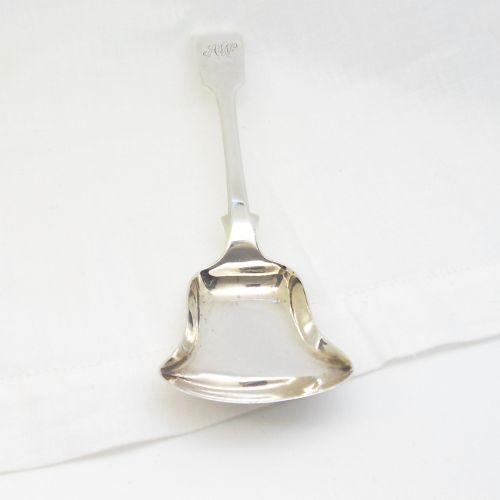
- A perforated spoon used for dusting sugar over fruit or desserts, frequently found alongside berry spoons in fitted presentation cases.
Frequently Asked Questions
What is georgian sterling silver cutlery?
These items comprise dining implements such as forks, spoons, and serving pieces produced during the Georgian era and occasionally retailed or used into Victorian times.
They reflect the domestic habits and metalworking standards of eighteenth and nineteenth-century workshops, made primarily from sterling silver.
How do I clean antique silver?
Cleaning requires gentle methods using specialist silver cloth or mild polishes to avoid removing the subtle details shaped by the silversmith.
Avoid harsh abrasives and automated washing methods to preserve the finish and integrity of the metal.
How were these utensils used?
Table forks and serving spoons formed the basis of formal dining arrangements for serving and consuming rich meals in prosperous households.
Specialised pieces like sifter spoons performed specific duties during dessert courses.
Can I use these for daily dining?
Many people choose to use antique silver for special occasions, appreciating the tactile weight and historical connection it brings to the table.
Careful hand washing and proper storage in fitted cases help maintain their condition over years of use.